

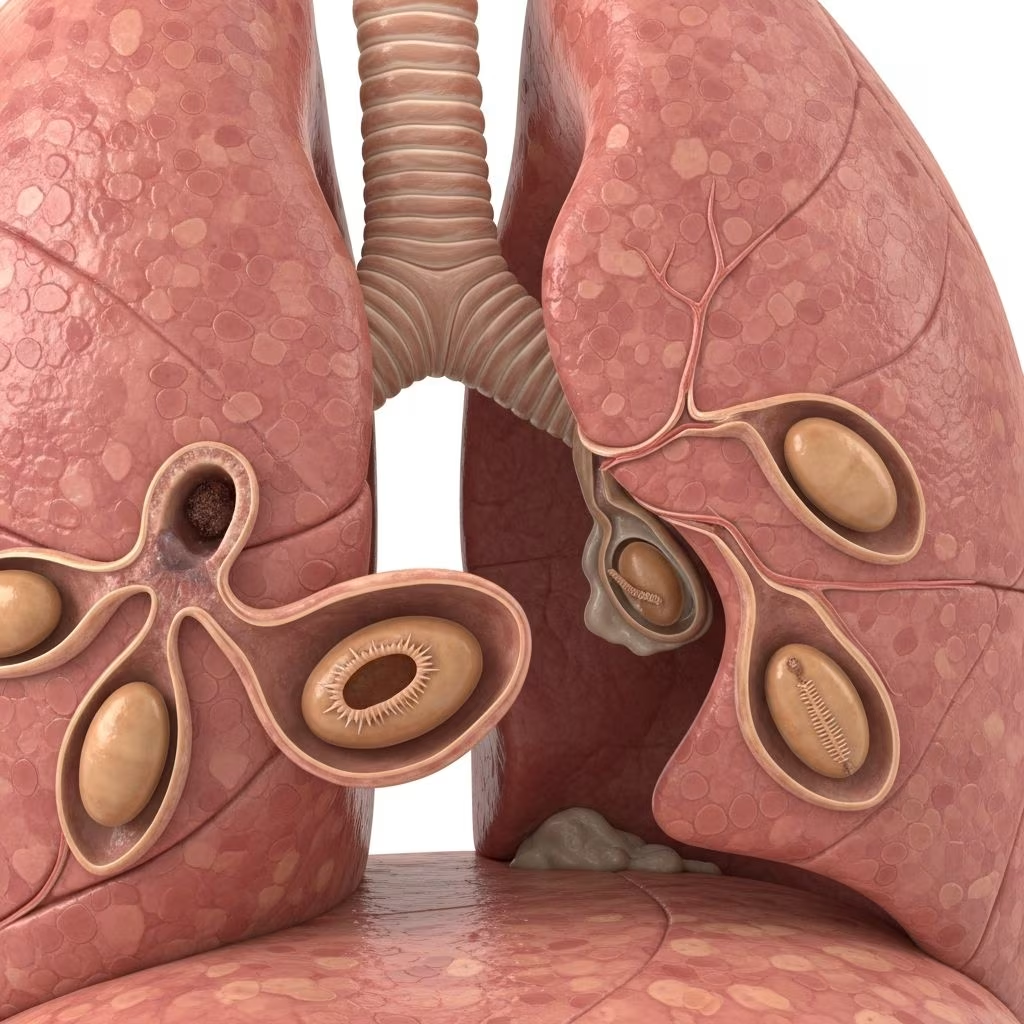
Parasitic infections affecting the respiratory system represent a significant health concern for domestic cats, particularly those with outdoor access or exposure to contaminated water sources. Among these parasitic conditions, lung fluke infections caused by trematode organisms present unique diagnostic and therapeutic challenges for veterinary professionals and pet owners alike. Understanding the nature of these infections, recognizing clinical manifestations, and implementing appropriate treatment strategies are essential components of managing feline respiratory health.
Understanding Lung Fluke Parasites in Feline Patients
Lung flukes are parasitic trematodes that establish themselves within the respiratory tissues of infected cats. The most clinically significant species affecting feline patients include Paragonimus kellicotti, Paragonimus westermani, and related species within this genus. These organisms have complex life cycles involving multiple hosts before reaching their final destination in feline lungs.
The transmission pathway to cats typically occurs through consumption of infected intermediate hosts, often freshwater crustaceans or other aquatic organisms containing immature fluke larvae. Once ingested, these larvae are released from their intermediate hosts and begin a migration pattern through the body cavity. The parasites eventually penetrate lung tissue, where they mature into adult forms and become enclosed within protective cysts within the bronchioles approximately two to three weeks following initial infection. The prepatent period—the time from infection to when eggs appear in diagnostic samples—extends approximately five to seven weeks in feline patients.
Clinical Manifestations and Disease Severity
The clinical presentation of feline lung fluke infections demonstrates considerable variability depending on parasite burden, individual immune responses, and infection duration. Many infected cats remain asymptomatic, with infections discovered incidentally during diagnostic evaluations for unrelated concerns.
When clinical signs do manifest, they typically involve the respiratory system:
- Productive cough: A persistent, deep cough represents the hallmark clinical sign, often described as chronic and intermittent in nature
- Nasal discharge: Mucopurulent nasal secretions may accompany respiratory symptoms
- Breathing abnormalities: Tachypnea (rapid breathing) and dyspnea (labored breathing) occur with varying severity
- Systemic manifestations: In advanced cases, affected animals may develop lethargy and generalized weakness
Severe infections can progress to serious complications. Heavy parasitic burdens may precipitate bronchiectasis (permanent airway dilation), hemoptysis (coughing blood), and spontaneous pneumothorax (collapsed lung). Young kittens appear particularly vulnerable to severe disease manifestations, potentially experiencing life-threatening respiratory compromise. In rare instances, overwhelming infections have resulted in fatal outcomes, particularly with certain species such as Paragonimus westermani and Paragonimus heterotremus.
Establishing an Accurate Diagnosis
Definitive diagnosis of feline lung fluke infections requires demonstrating the presence of parasites or their diagnostic byproducts through multiple complementary approaches:
Fecal Analysis Techniques
The primary diagnostic method involves examining fecal samples for characteristic fluke eggs. The Baermann technique, a specialized flotation method, provides superior sensitivity for detecting microscopic eggs compared to conventional fecal flotation procedures. This technique relies on gravitational settling of eggs through warm water, concentrating them for microscopic identification. Samples may be processed in a veterinary clinic or submitted to specialized diagnostic laboratories for comprehensive analysis.
Direct Respiratory Specimen Examination
When cats cough up infected material, direct visualization of expelled parasites may be possible. Samples containing these organisms should undergo microscopic examination to confirm species identification and rule out other potential diagnoses.
Radiographic Imaging
Thoracic radiographs (chest X-rays) provide essential complementary diagnostic information by revealing characteristic pulmonary changes associated with fluke infections. Radiographic findings may demonstrate bronchial patterns, areas of consolidation, or evidence of pleural disease depending on infection severity and chronicity.
Additional Diagnostic Considerations
Physical examination findings may include abnormal lung sounds detected through auscultation, particularly end-inspiratory crackles indicating bronchopneumonia. In severe cases with respiratory compromise, physical examination may reveal cyanotic mucous membranes and signs of respiratory distress with abdominal breathing patterns.
Treatment Approaches and Pharmacologic Options
Fortunately, lung fluke infections in cats respond well to appropriate antiparasitic therapy, though treatment protocols require careful selection and monitoring.
First-Line Therapeutic Agents
Fenbendazole represents a commonly recommended antiparasitic agent for feline lung fluke infections. An oral paste formulation licensed in the United Kingdom demonstrates efficacy at a dosage of 50 mg/kg administered once daily for three consecutive days. Alternative dosing schedules cited in clinical literature range from 20 mg/kg for five days to 50 mg/kg administered for fifteen days, with variation based on specific parasite species and infection severity.
Praziquantel provides an alternative treatment option with demonstrated effectiveness against multiple fluke species. Off-label dosing protocols have included 100 mg/kg twice daily for two days in heavily infected cats and 23 mg/kg three times daily for three days in experimentally infected animals. A potential limitation of praziquantel involves formulation palatability, as bitter-tasting preparations may complicate oral administration in feline patients.
Topical and Combination Therapies
A combination spot-on formulation containing imidacloprid 10% and moxidectin 1% has demonstrated clinical efficacy in treating feline lungworm infections. In one case series, cats receiving this topical treatment required variable numbers of applications, with some animals requiring retreatment at day fourteen and one cat necessitating a third application. By day fifty of the study period, all treated cats achieved negative fecal test results, confirming treatment success.
Selamectin, another topical antiparasitic agent, showed variable efficacy in clinical studies. A 6 mg/kg spot-on formulation proved effective in one of four cats at thirty days post-treatment, with additional cats responding favorably to retreatment and evaluation at day sixty.
Treatment Duration and Repeated Therapy
Most feline lung fluke infections require either single-course treatment or multiple doses administered according to veterinary prescription schedules. In some cases, parasites may clear spontaneously without intervention, though treatment remains recommended even in subclinical infections due to the risk of acute decompensation. When initial treatment fails to achieve complete parasite elimination, veterinarians may recommend repeated therapeutic courses to fully eliminate the infection burden.
Supportive and Adjunctive Therapies
Cats experiencing significant respiratory disease related to fluke infections often require additional pharmaceutical support beyond antiparasitic treatment alone.
Anti-inflammatory medications: Corticosteroids administered at anti-inflammatory doses help reduce airway swelling and improve respiratory function. Concurrent broad-spectrum antibiotic therapy is essential in cats demonstrating signs of bronchopneumonia secondary to parasitic infection.
Bronchodilators: In severely affected cats with significant respiratory compromise, medications that dilate airways and facilitate breathing may be prescribed to improve oxygenation and reduce respiratory distress.
Supportive care for severe cases: Cats with respiratory failure require intensive care management including oxygen administration and continuous monitoring in a clinical setting. Thoracocentesis (fluid removal from the pleural space) becomes necessary when pleural effusion or pneumothorax develops.
Nutritional support: Omega-3 fatty acid supplementation may help decrease airway inflammation and provide immune system support, while immune-enhancing supplements such as specific branded formulations can bolster the body’s defense mechanisms during recovery.
Surgical Intervention in Severe Cases
Although medical management successfully resolves the majority of feline lung fluke infections, severe cases with extensive lung damage or life-threatening complications may require surgical intervention. Lung lobectomy (surgical removal of affected lung tissue) represents a treatment option when medical therapy alone cannot control overwhelming infection or when irreversible pulmonary damage has occurred. This approach is typically reserved for cases where the infection has caused catastrophic lung damage that compromises survival despite antiparasitic and supportive therapy.
Recovery Expectations and Long-Term Management
The prognosis for cats with lung fluke infections varies considerably based on infection severity and timeliness of treatment initiation. Mildly infected cats typically achieve complete recovery within several weeks of initiating appropriate antiparasitic therapy. Following successful treatment, veterinarians often recommend follow-up diagnostic testing to confirm parasite elimination and assess pulmonary recovery.
Immunocompromised cats, very young kittens, and severely debilitated animals may demonstrate reduced treatment responsiveness and represent more challenging therapeutic cases. Cats developing severe complications such as pneumothorax, significant pleural effusion, or extensive bronchiectasis may experience prolonged recovery periods or permanent respiratory compromise even with successful parasite elimination.
Frequently Asked Questions About Feline Lung Fluke Infections
Can lung fluke infections in cats be cured?
Yes, the majority of cats infected with lung flukes respond well to appropriate antiparasitic treatment and achieve complete cure. Most infections respond favorably to pharmacologic therapy when initiated promptly and followed by appropriate follow-up care. However, certain high-risk populations including immunocompromised cats, very young kittens, and severely ill animals may prove more resistant to treatment.
How long does treatment require?
Treatment duration varies based on the antiparasitic agent selected and the specific parasite species involved. Most protocols recommend treatment courses ranging from three to fifteen days, depending on the medication chosen. Follow-up diagnostic testing may be necessary to confirm complete parasite elimination, and some cats require repeated treatment courses if initial therapy fails to achieve complete elimination.
What happens if lung flukes are left untreated?
While some infections remain asymptomatic and may self-resolve, untreated infections in susceptible animals can progress to serious complications. Severe infections may result in bronchiectasis, hemoptysis, spontaneous pneumothorax, respiratory failure, and potentially death in heavily infected or immunocompromised individuals.
Can cats transmit lung flukes to humans or other pets?
Cats do not directly transmit lung flukes to humans or other animals. Transmission requires consumption of infected intermediate hosts such as freshwater crustaceans. However, the eggs shed in feces may contaminate the environment and water sources, potentially affecting other susceptible animals in the same geographic region.
References
- Lungworms in Cats: What Are They, and How Do You Treat Them? — PetMD. Accessed February 2026. https://www.petmd.com/cat/conditions/infectious-parasitic/lungworms-cats
- Lung fluke (Paragonimus kellicotti) infection in dogs and cats — University of Guelph, Animal Health Laboratory. Accessed February 2026. https://www.uoguelph.ca/ahl/lung-fluke-paragonimus-kellicotti-infection-dogs-and-cats
- Lung Flukes in Cats – Cat Owners – Merck Veterinary Manual — Merck Veterinary Manual. Accessed February 2026. https://www.merckvetmanual.com/cat-owners/lung-and-airway-disorders-of-cats/lung-flukes-in-cats
- Lungworm disease in cats: ABCD guidelines on prevention and management — PubMed Central (PMC). 2024. https://pmc.ncbi.nlm.nih.gov/articles/PMC11148929/
- Infosheet: Paragonimus kellicotti for veterinarians — Ontario Animal Health Network. Accessed February 2026. https://www.oahn.ca/resources/paragonimus-kellicotti/
- Lung Flukes – Clinical Management Guidelines — Troccap Feline Guidelines. Accessed February 2026. https://www.troccap.com/feline-guidelines/other-systems-feline/lung-flukes-feline/



