

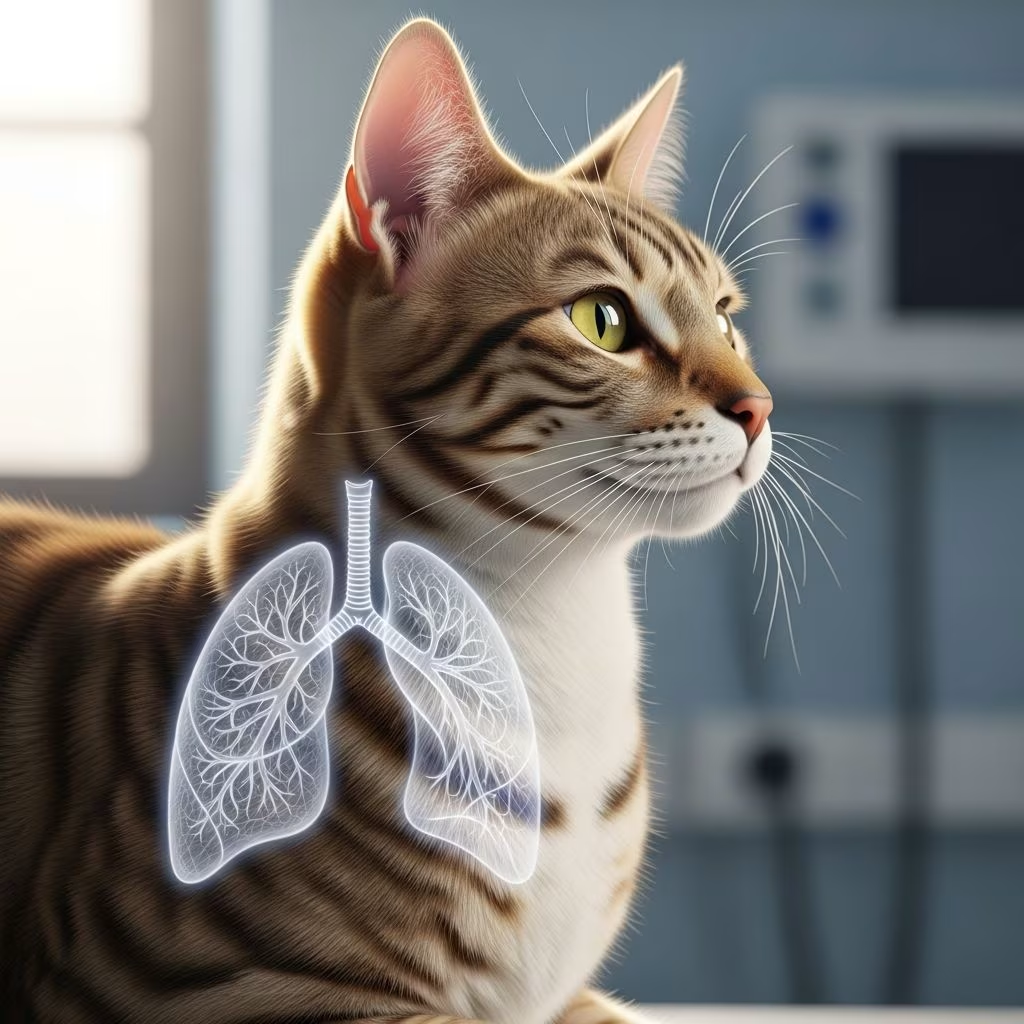
Lung cancer in cats represents a serious health challenge that often develops silently until advanced stages. Primary tumors originate in the lung tissue, while secondary forms spread from other sites. Early detection through vigilant observation of subtle changes can significantly influence management success.
Recognizing Early Indicators in Cats
Cats mask illness well, making lung cancer detection tricky. Owners should watch for gradual shifts in behavior and physical condition. Common initial signs include persistent coughing due to airway irritation by growing masses. Respiratory changes like rapid or labored breathing signal obstruction or reduced oxygen intake.
- Persistent Cough: Often dry and non-productive, worsening with activity.
- Breathing Abnormalities: Rates exceeding 40 breaths per minute, wheezing, or open-mouth panting.
- Energy Decline: Lethargy and reluctance to play or jump.
Systemic effects manifest as unintended weight loss despite normal eating, or complete appetite loss. In severe cases, coughing blood (hemoptysis) appears, demanding urgent care. Lameness from metastasis to toes, known as lung digit syndrome, occurs rarely.
Advanced Manifestations and Complications
As tumors enlarge, complications arise. Fluid buildup in the chest (pleural effusion) causes further distress. Abnormal lung sounds like crackles during vet exams indicate issues. Fever, vomiting, or leg pain may accompany general malaise. Bluish gums suggest oxygen deprivation.
| Symptom | Early Stage | Advanced Stage |
|---|---|---|
| Coughing | Mild, occasional | Frequent, with blood |
| Breathing | Slightly rapid | Labored, wheezing |
| Activity Level | Reduced interest | Extreme lethargy |
| Weight | Gradual loss | Rapid cachexia |
These progressions highlight the need for prompt veterinary consultation upon noticing clusters of signs.
Diagnostic Approaches for Confirmation
Veterinarians employ a stepwise process starting with history and physical checks. Stethoscope exams detect irregular lung sounds. Blood panels, including complete blood count and chemistry, assess overall health and rule out infections.
Imaging forms the cornerstone. Chest radiographs reveal masses, their size, location, and multiplicity, often in caudal lobes. Advanced CT or MRI provides detailed invasion and spread assessment. Ultrasonography checks abdominal origins to differentiate primary from metastatic disease.
- Radiographs: Identify solitary or multiple lesions.
- Fine Needle Aspirate (FNA): Samples peripheral tumors, though necrosis risks false negatives; 80% accuracy but 12% complication rate.
- Biopsy: Definitive via tissue sampling.
- Thoracocentesis: Drains effusions for analysis.
Staging ensures no distant spread, guiding therapy.
Treatment Strategies Tailored to Cats
Options depend on tumor stage, type (often carcinoma), and cat’s condition. Surgery offers the best for solitary, non-metastasized, low-grade tumors without effusions. Lobectomy removes affected lung sections, with good outcomes if criteria met.
Chemotherapy targets inoperable or metastatic cases, slowing growth. Radiation suits specific localized tumors. Palliative care manages pain and symptoms via oxygen, fluids, and anti-inflammatories.
Multimodal approaches combine methods for better control. Nutritional support combats cachexia.
Prognosis and Long-Term Outlook
Prognosis remains guarded. Surgical cases yield 1-3 year survival if early. Advanced or metastatic forms shorten life to months. Factors like tumor grade, spread absence, and minimal symptoms improve chances. Regular monitoring post-treatment detects recurrences.
Risk Elements and Prevention Tips
No breed predispositions exist, affecting all ages but seniors more. Environmental factors like radon or pollutants contribute. Secondhand smoke avoidance and clean air promote lung health. Routine vet visits aid early incidental findings.
FAQs on Feline Lung Cancer
Is coughing common in cat lung cancer?
Yes, though less frequent early on; it irritates airways as tumors grow.
Can lung cancer be cured in cats?
Early surgical removal offers potential long-term remission, but complete cures are rare.
How quickly does feline lung cancer progress?
Variable; some cats show no signs until late, others decline rapidly.
What breeds are prone to this?
None specifically; it’s not hereditary.
Should I euthanize my cat with lung cancer?
Decisions hinge on quality of life; discuss palliation with vets.
Supporting Your Cat Through Diagnosis
Owners play key roles by noting changes early. Create calm environments, ensure easy breathing positions, and follow vet plans diligently. Emotional support for owners is vital amid tough choices.
This guide synthesizes veterinary insights for informed action. Consult professionals for personalized advice.
References
- Lung Cancer in Cats: 7 Symptoms To Look Out For — VetMed Utah. 2023. https://www.vetmedutah.com/post/lung-cancer-in-cats
- Lung Cancer In Cats — PetCure Oncology. 2024. https://petcureoncology.com/lung-cancer-in-cats/
- Lung Tumors – Feline — Veterinary Society of Surgical Oncology (VSSO). 2023. https://vsso.org/lung-tumors-feline
- Lung Cancer in Cats — PetMD. 2024. https://www.petmd.com/cat/conditions/respiratory/lung-cancer-cats
- Lung Cancer in Cats – Causes, Treatment and Associated Conditions — Vetster. 2024. https://vetster.com/en/conditions/cat/lung-cancer
- Radiation Oncology: Lung Cancer in Dogs and Cats — North Carolina State University College of Veterinary Medicine. 2023. https://hospital.cvm.ncsu.edu/services/small-animals/cancer-oncology/radiation-oncology/lung-cancer-in-dogs-and-cats/



