

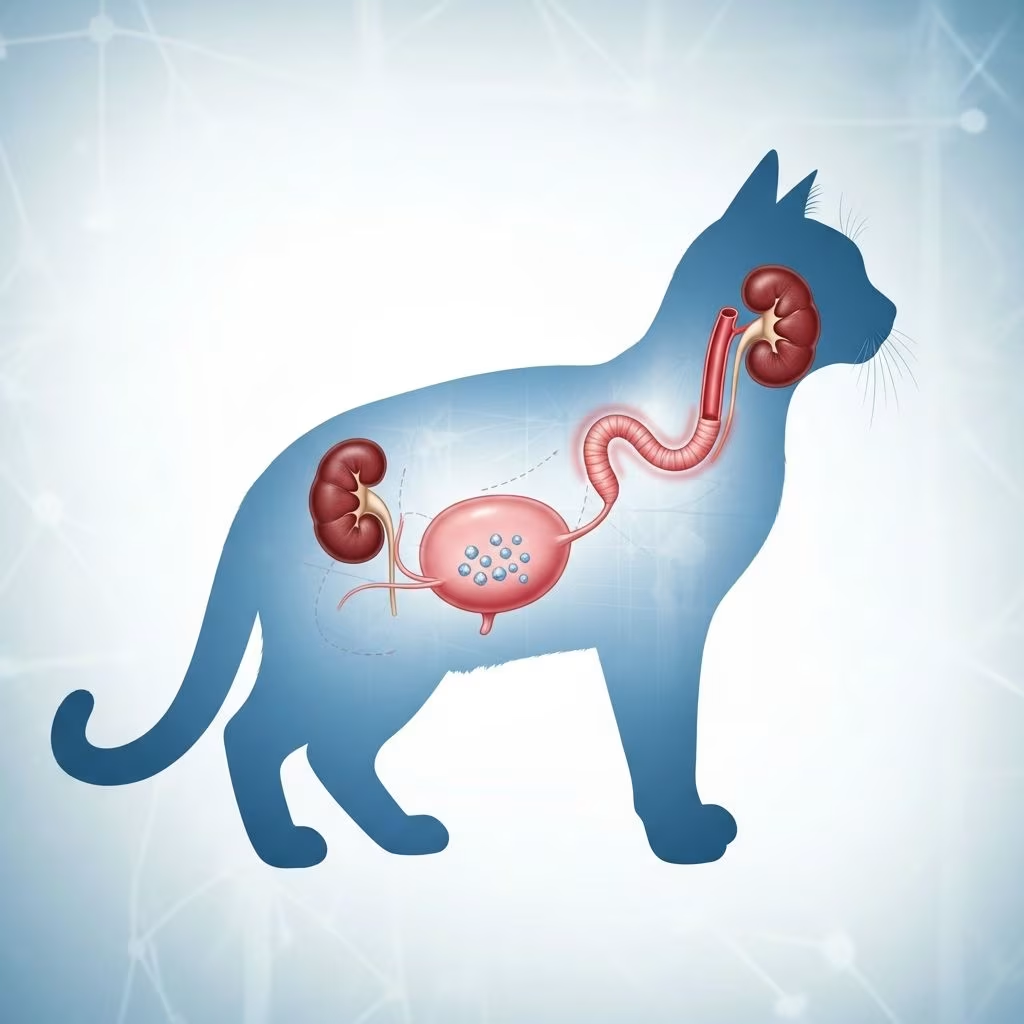
Feline lower urinary tract disease (FLUTD) encompasses a range of conditions affecting a cat’s bladder and urethra, often leading to painful urination or blockages that require prompt intervention. This guide details symptoms, causes, diagnostics, treatments, and prevention to help cat owners manage and avert this prevalent issue.
Understanding the Scope of FLUTD
FLUTD is not a single disease but a syndrome involving irritation, inflammation, or obstruction in the lower urinary system. It impacts cats of all ages, though males are at higher risk for life-threatening blockages due to their narrower urethras. Episodes can recur, with varying causes each time, making thorough veterinary evaluation essential for each occurrence.
Recognizing Critical Symptoms
Early detection hinges on observing behavioral and physical changes. Common signs include:
- Straining or frequent attempts to urinate with little output
- Blood-tinged or cloudy urine
- Urinating outside the litter box, often on cool surfaces
- Excessive licking of the genital area
- Lethargy, vomiting, or reduced appetite
- Hard or distended abdomen in severe cases
Urethral obstruction presents as intense distress, crying during litter box visits, and no urine production, signaling an emergency that can lead to kidney failure or bladder rupture within days if untreated.
Primary Causes and Risk Factors
Multiple factors contribute to FLUTD, often overlapping:
| Cause | Description | Risk Factors |
|---|---|---|
| Uroliths (Stones) | Mineral crystals like struvite or calcium oxalate form in bladder or urethra, causing irritation or blockages. | Diet high in minerals, dehydration |
| Urethral Plugs | Debris buildup from urine sediment obstructs flow, common in males. | Concentrated urine, stress |
| Infections | Bacterial cystitis rare but more common in older cats with comorbidities like diabetes. | Age, kidney disease |
| Idiopathic Cystitis | Inflammation without identifiable cause, linked to stress. | Indoor living, multi-cat homes |
| Other | Tumors, trauma, or congenital issues. | Genetics, injury |
Stress from environmental changes, multi-cat dynamics, or dry food diets exacerbates risks by promoting concentrated urine.
Diagnostic Approaches
Veterinarians start with a physical exam, urinalysis, and history review. Imaging like X-rays or ultrasound detects stones, while bloodwork assesses kidney function and electrolytes. For suspected infections, urine culture identifies bacteria and guides antibiotic choice. In obstructions, immediate catheterization confirms and relieves the issue.
Emergency Interventions for Blockages
Urethral obstruction demands urgent care. Protocols include:
- Sedation and catheterization to flush the blockage.
- IV fluids to correct dehydration and imbalances.
- Pain relief and anti-spasmodics for comfort.
- Monitoring for 24-72 hours, sometimes with indwelling catheter.
Post-relief, cats often receive stone-dissolving diets or surgery for recurrent issues.
Tailored Treatment Strategies
Treatment aligns with the diagnosed cause:
- For Stones: Prescription diets dissolve struvite; surgery for calcium oxalate.
- Infections: Targeted antibiotics post-culture, plus urinary acidifiers.
- Cystitis: Pain meds, anti-anxiety drugs, and stress reduction.
- Supportive Care: Fluids, anti-nausea meds, and increased hydration.
Many cases resolve with conservative measures, but males with recurrent blockages may need perineal urethrostomy.
Long-Term Management and Prevention
Preventing recurrence focuses on lifestyle adjustments:
- Promote hydration with wet food, fountains, or flavored water.
- Use urinary health diets to minimize crystal formation.
- Minimize stress via pheromone diffusers, play, and stable routines.
- Provide multiple clean litter boxes in quiet areas.
- Regular vet check-ups, especially for seniors.
Studies show diluted urine reduces irritation, while environmental enrichment cuts idiopathic episodes by addressing behavioral triggers.
FAQs on Feline Urinary Health
What should I do if my cat strains to urinate?
Seek emergency vet care immediately, as it could indicate a blockage.
Can diet prevent FLUTD?
Yes, specialized diets reduce stone risk and promote urination.
Is FLUTD only in male cats?
Males face higher blockage risk, but females can develop symptoms too.
How does stress contribute?
It alters bladder lining sensitivity, triggering inflammation.
Are antibiotics always needed?
No, only for confirmed bacterial infections; overuse promotes resistance.
Prognosis and Owner Vigilance
With timely treatment, most cats recover fully, though 50% may experience recurrences. Owners play a key role by monitoring litter habits and acting swiftly on changes. Consistent prevention yields the best outcomes, enhancing quality of life.
References
- Feline lower urinary tract disease (FLUTD) — American Veterinary Medical Association (AVMA). 2023. https://www.avma.org/resources-tools/pet-owners/petcare/feline-lower-urinary-tract-disease
- Feline Urinary Tract Disease: Causes, Symptoms & Treatments — Greensboro.CarolinaVet.com. 2020-08-14. https://www.greensboro.carolinavet.com/site/greensboro-specialty-veterinary-blog/2020/08/14/feline–urinary-tract-disease-causes-symptoms-treatments
- Feline Urologic Syndrome — Sandia Animal Clinic. 2018-07-01. https://www.sandiaanimalclinic.com/2018/07/01/feline-urologic-syndrome/
- FLUTD: Feline lower urinary tract disease — Friends4Life.org. N/A. https://friends4life.org/flutd/
- What’s New (and Old) in the Management of Feline Urinary Disorders — Somerset Vet Hospital. N/A. https://somersetvethospital.com/blog/feline-urinary-disorders/
- Feline Lower Urinary Tract Disease — Cornell University College of Veterinary Medicine. N/A. https://www.vet.cornell.edu/departments-centers-and-institutes/cornell-feline-health-center/health-information/feline-health-topics/feline-lower-urinary-tract-disease



