Feline Lower Urinary Tract Disease: Diagnosis and Management
Understanding FLUTD symptoms, causes, and effective treatment strategies for cats
Understanding Feline Lower Urinary Tract Disease in Cats
Feline lower urinary tract disease (FLUTD) represents a collection of clinical conditions that affect the bladder and urethra in domestic cats, resulting in urinary dysfunction and discomfort. Rather than a single disease entity, FLUTD serves as an umbrella term encompassing multiple underlying pathological processes that produce similar clinical manifestations. The condition can occur in cats of any age but carries particular significance due to the potential for life-threatening complications, especially in male felines. Understanding the diverse presentations, underlying causes, and appropriate management strategies is essential for cat owners and veterinary professionals alike.
Recognition of Clinical Symptoms
Cats afflicted with FLUTD typically display a constellation of clinical signs related to bladder and urethral inflammation. Recognizing these symptoms early is crucial for obtaining timely veterinary intervention and preventing complications.
Primary Indicators
- Dysuria and Stranguria: Affected cats demonstrate difficulty and discomfort during urination, spending prolonged periods straining within the litter box. Owners often misinterpret this behavior as constipation or difficulty with bowel movements.
- Pollakiuria: Cats with FLUTD make unusually frequent trips to the litter box, though each voiding produces minimal urine volume. This pattern typically occurs multiple times daily.
- Hematuria: Blood in the urine represents a hallmark finding, though it may not always be grossly visible and sometimes requires laboratory confirmation.
- Vocalization During Urination: Cats often cry out or vocalize during the act of urination, indicating pain or discomfort associated with the process.
- Inappropriate Elimination: Cats may urinate outside designated litter boxes, frequently on soft surfaces such as bedding, clothing, or carpeted areas. Some cats show consistent location preferences while others distribute elimination throughout the home.
Secondary Behavioral Changes
Beyond urinary-specific signs, cats with FLUTD often exhibit broader behavioral modifications. These include excessive licking or grooming of the genital region, lethargy, reduced appetite, increased irritability, and decreased social interaction with household members. Some cats become more vocal or aggressive, while others withdraw and spend extended periods hiding. Loss of established litter box training represents a particularly distressing change for affected cats and their owners.
Underlying Pathological Mechanisms
The diverse causes of FLUTD can be organized into several broad categories, each requiring distinct diagnostic and therapeutic approaches.
Feline Idiopathic Cystitis
Feline idiopathic cystitis (FIC), also termed interstitial cystitis, represents the predominant diagnosis in cats presenting with lower urinary tract signs, accounting for approximately 60-70% of cases in animals younger than 10 years of age. The fundamental characteristic of FIC is the absence of identifiable infectious agents, uroliths, anatomical abnormalities, or neoplastic disease on standard diagnostic investigation. Rather, FIC involves sterile inflammation of the bladder wall mediated through complex neurobiological pathways.
Recent research has elucidated the role of C-fiber stimulation in FIC pathogenesis. Activation of these nerve fibers—triggered by central or local factors—leads to release of neuropeptides including substance P, which consequently produce pain perception, blood vessel dilation, increased vascular permeability, mucosal edema, smooth muscle contraction, and mast cell degranulation. Chronic anxiety and perceived environmental threats, particularly conflict with other household cats, appear to play critical roles in disease initiation and perpetuation.
Urinary Calculi Formation
Urinary stones, or uroliths, represent common mechanical causes of FLUTD, originating within the bladder or urethra. These calcified structures form from mineral accumulation and cause irritation through direct contact with mucosal surfaces and potential obstruction of urine flow. The most frequently encountered mineral compositions include struvite (magnesium ammonium phosphate) and calcium oxalate. Urolith-related disease carries particular clinical significance when stones lodge within the urethra, creating mechanical blockage.
Infectious Etiologies
Contrary to initial assumptions about FLUTD, bacterial, fungal, or viral organisms have not been consistently demonstrated as primary causative agents in the majority of cases. Bacterial urinary tract infections remain rare as primary causes of FLUTD in younger cats, though secondary bacterial colonization may occur following urinary catheterization or in association with other underlying pathology. Older cats, particularly those with concurrent renal insufficiency, demonstrate increased susceptibility to bacterial infection, though FLUTD itself is uncommon in this age group.
Urethral Obstruction
Urethral obstruction represents the most clinically urgent manifestation of FLUTD and constitutes a true medical emergency. This condition occurs when the urethra becomes partially or completely blocked, preventing normal urine passage. Male cats face substantially greater risk than females due to anatomical differences: the male urethra is significantly longer and narrower, increasing obstruction susceptibility. Cats between one and ten years of age, both neutered and intact males, are predominantly affected.
Common obstructive agents include urethral plugs (composed of minerals, cellular material, and mucus-like proteins) and urinary calculi. Complete urethral obstruction creates a medical crisis: urine backs up into the kidneys, renal function deteriorates, toxins accumulate in the bloodstream, and severe electrolyte imbalances develop. Without prompt intervention, affected cats often die within 24 to 48 hours.
Additional Contributing Factors
Environmental and psychological stressors significantly influence FLUTD development and progression. Emotional stress, multi-cat household dynamics, and abrupt alterations in daily routine increase disease risk. Additional potential causes, though less common, include urinary tract neoplasia, structural anatomical anomalies, traumatic injuries, and neurological conditions affecting spinal cord function.
Diagnostic Evaluation Approaches
Systematic diagnostic investigation is essential for identifying underlying causes and guiding appropriate therapeutic strategies. The diagnostic approach typically begins with comprehensive history taking regarding symptom onset, progression, litter box behavior, household dynamics, and previous medical experiences.
Physical Examination Findings
Veterinary examination may reveal abdominal pain upon palpation, particularly over the bladder region in cats with cystitis. Assessment of hydration status, body condition, and general demeanor provides important context. Genital region evaluation may show evidence of excessive licking or grooming.
Imaging and Laboratory Testing
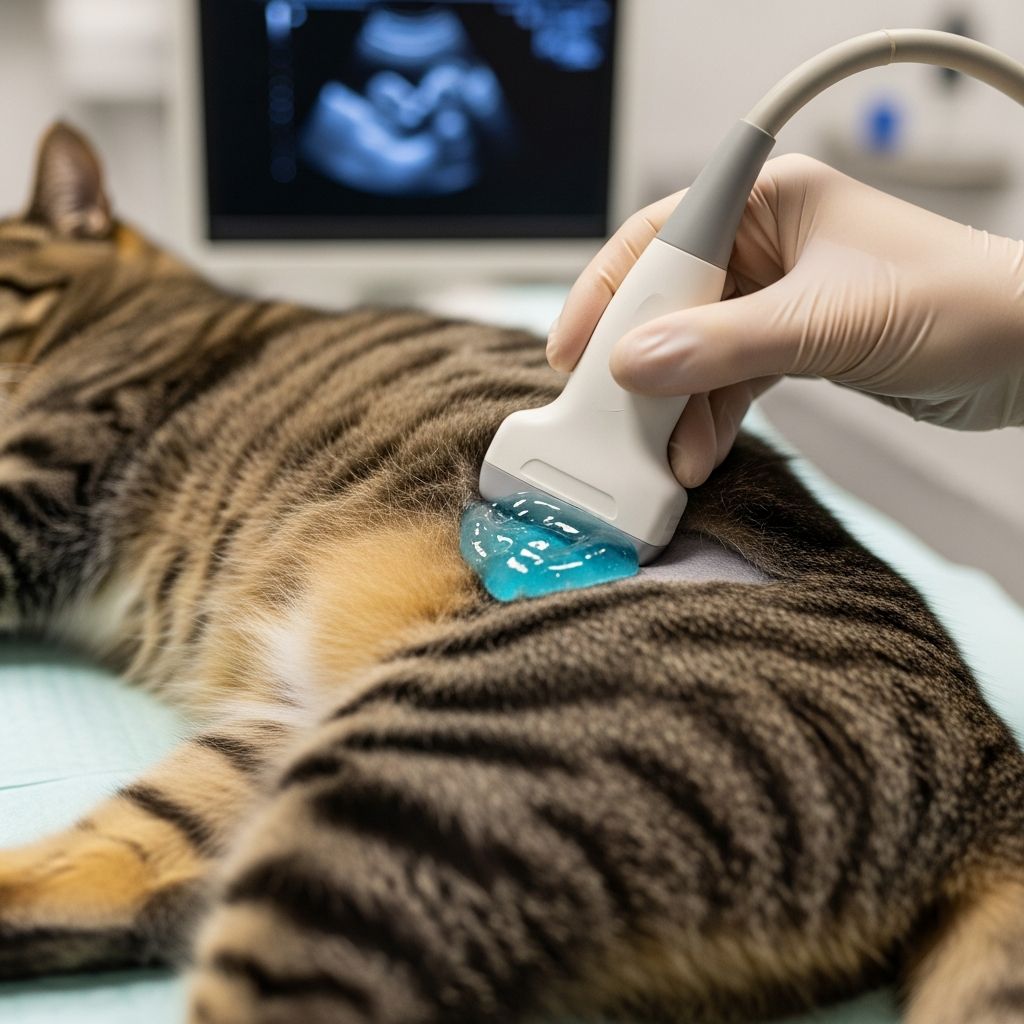
Radiographic imaging and ultrasound examination represent primary diagnostic tools for identifying structural abnormalities. These imaging modalities are particularly useful for detecting urinary calculi within the bladder and urethra. Urinalysis provides critical information regarding hematuria, crystalluria, pH, and bacterial presence. Bacterial culture of properly collected urine samples is essential when infection is suspected, though positive results are uncommon in primary FLUTD cases.
Management and Treatment Strategies
Treatment approaches vary significantly depending on identified underlying cause. Management typically addresses both acute symptom relief and long-term disease prevention.
Acute Phase Management
Cats presenting with urethral obstruction require immediate emergency intervention, often including catheterization to relieve blockage and restore urine flow. Pain management and fluid therapy to address dehydration and electrolyte abnormalities are critical supportive measures.
Dietary Modifications
Therapeutic diets formulated to modify urine pH and mineral composition can prevent urolith formation and recurrence. Diet selection depends on the specific mineral composition of any stones identified or the predominant minerals in the cat’s urine.
Stress Reduction and Environmental Enrichment
For cats with FIC, environmental modification represents a cornerstone of management. Strategies include providing adequate litter box resources (general recommendation: number of boxes equals number of cats plus one), maintaining consistent daily routines, minimizing conflict between household cats, and providing vertical spaces for hiding and security. Pheromone therapy products may assist in anxiety reduction.
Pharmacological Interventions
Analgesic medications address pain associated with bladder inflammation. Depending on underlying cause and clinical severity, additional medications may include antiinflammatories, muscle relaxants for urethral smooth muscle dysfunction, or behavioral medications for anxiety-based FIC.
Prognosis and Long-Term Outlook
The prognosis for FLUTD varies considerably based on underlying etiology. Many cats with FIC experience spontaneous resolution of clinical signs within two to three weeks, regardless of specific treatment provided, though recurrence is common without ongoing management. Urolith-related disease often shows excellent response to appropriate dietary therapy or surgical intervention when necessary. Early recognition and treatment of urethral obstruction is essential for survival, as delayed intervention rapidly becomes life-threatening.
Prevention and Owner Education
Cat owners should maintain vigilance for early signs of urinary dysfunction and seek prompt veterinary evaluation when symptoms appear. Providing adequate litter box management, minimizing environmental stressors, and maintaining consistent routines contribute to disease prevention in susceptible cats. Regular veterinary check-ups facilitate early detection of urinary tract disease before complications develop.
Frequently Asked Questions About Feline Lower Urinary Tract Disease
What is the difference between FLUTD and simple urinary tract infection?
FLUTD is an umbrella term for various conditions affecting the lower urinary tract, while urinary tract infections specifically involve bacterial colonization. Bacterial infections are actually uncommon as primary causes of FLUTD in younger cats. Many FLUTD cases involve sterile inflammation without infection.
Why are male cats more prone to urethral obstruction?
Male cats possess longer and narrower urethras compared to females, making them anatomically predisposed to blockage by urethral plugs, stones, or other obstructive material.
Can FLUTD be cured permanently?
This depends on the underlying cause. Urolith-related disease may be resolved through dietary management or surgical intervention. FIC, being idiopathic, cannot be cured but can be effectively managed to control symptoms and prevent recurrence.
How quickly does urethral obstruction become life-threatening?
Complete urethral obstruction can lead to fatal outcomes within 24 to 48 hours without treatment as kidney function fails and electrolyte imbalances develop.
What role does stress play in FLUTD?
Chronic anxiety from perceived environmental threats, particularly in multi-cat households, is believed to be a major factor in FIC development and symptom perpetuation.
References
- Feline Lower Urinary Tract Disease — Oklahoma State University Department of Veterinary Medicine. 2018. https://news.okstate.edu/articles/veterinary-medicine/2018/feline-lower-urinary-tract-disease.html
- Feline Lower Urinary Tract Disease (FLUTD) — American Veterinary Medical Association. Accessed 2024. https://www.avma.org/resources-tools/pet-owners/petcare/feline-lower-urinary-tract-disease
- Feline Lower Urinary Tract Disease — International Cat Care. https://icatcare.org/articles/feline-lower-urinary-tract-disease
- Feline Lower Urinary Tract Disease — National Institutes of Health National Center for Biotechnology Information. 2024. https://pmc.ncbi.nlm.nih.gov/articles/PMC10822222/
- Cystitis and Lower Urinary Tract Disease in Cats — VCA Hospitals. https://vcahospitals.com/know-your-pet/cystitis-and-lower-urinary-tract-disease-in-cats
- Feline Lower Urinary Tract Disease — Cornell University College of Veterinary Medicine Feline Health Center. https://www.vet.cornell.edu/departments-centers-and-institutes/cornell-feline-health-center/health-information/feline-health-topics/feline-lower-urinary-tract-disease
Similar Articles




Read full bio of Sneha Tete