

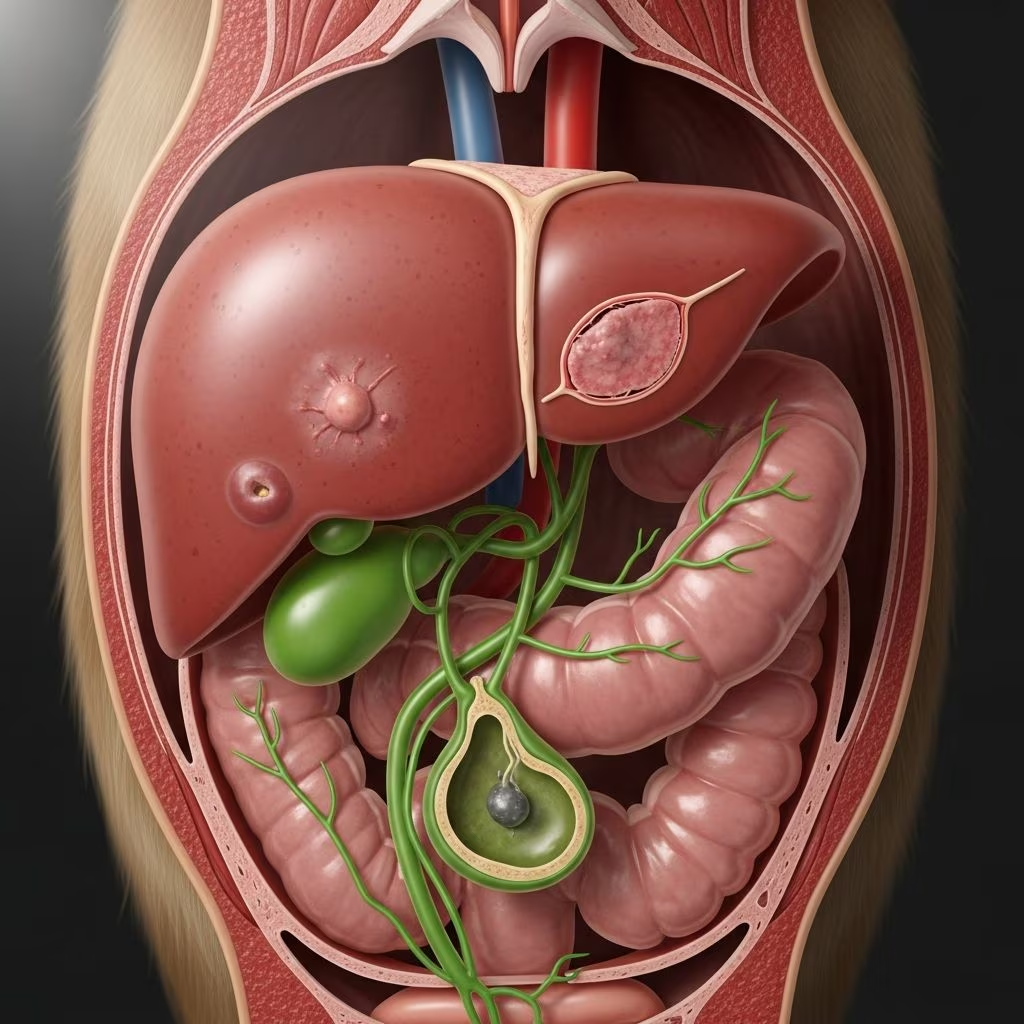
The liver and gallbladder play critical roles in a cat’s digestion, metabolism, and detoxification processes. When these organs falter, it can lead to serious health complications. This article delves into the various disorders affecting these vital structures in cats, offering cat owners actionable knowledge on identification, management, and care.
Understanding the Feline Liver and Gallbladder
The liver, a large glandular organ, filters toxins from the blood, produces bile for fat digestion, stores vitamins, and regulates blood sugar. The gallbladder concentrates and stores bile, releasing it into the intestines as needed. In cats, the gallbladder is relatively small and prone to issues like inflammation or blockages, often linked to broader liver problems.
Disruptions in these organs can stem from infections, toxins, nutritional deficiencies, or congenital defects, leading to impaired function and systemic effects like jaundice or weight loss.
Common Types of Liver and Gallbladder Conditions in Cats
Cats face a range of hepatobiliary diseases, each with unique characteristics. Key conditions include inflammatory syndromes, fat accumulation disorders, and obstructive issues.
- Neutering Cholangitis: A bacterial-driven inflammation of bile ducts, causing acute symptoms.
- Lymphocytic Cholangitis: Chronic, immune-mediated inflammation affecting liver and bile passages over months or years.
- Hepatic Lipidosis: Fat buildup in liver cells, often triggered by anorexia, leading to rapid organ failure if untreated.
- Cholecystitis: Gallbladder inflammation, typically bacterial, resulting in pain and potential rupture.
- Cholelithiasis: Gallstones forming in the gallbladder or ducts, obstructing bile flow.
- Portosystemic Shunts: Abnormal blood vessels bypassing the liver, causing toxin buildup.
Recognizing Symptoms Early
Early detection hinges on spotting subtle changes. Common signs include:
- Lethargy and weakness, as the body struggles with detoxification.
- Loss of appetite and rapid weight loss, precursors to hepatic lipidosis.
- Vomiting, diarrhea, or constipation due to poor digestion.
- Jaundice, evident as yellowing of gums, ears, or eyes from bilirubin buildup.
- Abdominal pain, shown by hunched posture or reluctance to be touched.
- Excessive thirst and urination, signaling metabolic imbalance.
Owners should monitor for behavioral shifts, as cats often mask illness until advanced stages.
Diagnostic Approaches for Accurate Assessment
Veterinarians employ a multi-step process to pinpoint issues. Initial blood tests reveal elevated liver enzymes (ALT, AST, ALP), bilirubin levels, and clotting factors.
Ultrasound imaging detects gallbladder thickening, stones, or duct dilation, guiding fine-needle aspirations for bile analysis. Liver biopsies, via needle or surgery, provide histological insights into inflammation type.
Fecal exams check for parasites like liver flukes, while advanced imaging like CT scans evaluates shunts.
| Test | Purpose | Key Findings |
|---|---|---|
| Bloodwork | Enzyme and bilirubin levels | Elevated ALT/AST indicates damage; high bilirubin signals cholestasis. |
| Ultrasound | Visualize organs | Thickened walls, stones, or cysts. |
| Biopsy | Tissue analysis | Distinguishes bacterial vs. lymphocytic inflammation. |
| Bile Culture | Infection identification | Guides antibiotic selection. |
Comprehensive Treatment Strategies
Treatment varies by diagnosis but prioritizes stabilization, infection control, and nutrition. Supportive care includes IV fluids for hydration and electrolyte balance.
Antimicrobial Therapy: Broad-spectrum antibiotics like amoxicillin-clavulanate target bacterial cholangitis for 4-6 weeks.
Anti-inflammatory Medications: Corticosteroids such as prednisolone manage lymphocytic forms, often combined with ursodiol to enhance bile flow.
Nutritional Intervention: Critical for hepatic lipidosis; feeding tubes deliver high-calorie formulas to reverse fat accumulation. Cats stopping eating for days risk this secondary crisis.
Surgical options address obstructions: cholecystectomy removes inflamed gallbladders, while shunt ligation corrects vascular anomalies.
Adjuncts like SAMe, milk thistle, and B-vitamins support regeneration.
Lifestyle and Home Management Tips
Post-treatment, diet is paramount. Prescription hepatic diets low in copper and high in antioxidants aid recovery. Encourage small, frequent meals to stimulate appetite.
Monitor weight weekly and avoid hepatotoxins like certain flea products or human meds. Regular vet checkups track enzyme levels.
Prognosis and Long-Term Outlook
Outcomes depend on early intervention. Acute bacterial cases often resolve fully with antibiotics. Chronic lymphocytic cholangitis may require lifelong meds, risking cirrhosis if uncontrolled.
Hepatic lipidosis has 80-90% survival with aggressive feeding, but delays worsen odds. Shunts post-surgery yield good results in young cats.
Prevention Strategies for Cat Owners
Prevent via routine wellness exams, parasite control, and toxin avoidance. Maintain ideal weight to avert lipidosis; use vet-approved supplements cautiously.
Vaccinate against core diseases and discuss breed risks (e.g., Siamese for cholangitis).
Frequently Asked Questions (FAQs)
What causes jaundice in my cat?
Jaundice arises from bilirubin buildup due to liver dysfunction, bile duct blocks, or hemolysis. Seek immediate vet care.
Can hepatic lipidosis be reversed?
Yes, with prompt tube feeding and support; most cats recover if treated before liver failure.
Is surgery common for gallbladder issues?
Reserved for obstructions or ruptures; medical management suffices for many.
How long do antibiotics last for cholangitis?
Typically 4-6 weeks, based on bile cultures.
What diet helps liver disease?
Protein-moderate, antioxidant-rich formulas from vets.
References
- Cholangitis/Cholangiohepatitis Syndrome in Cats — VCA Animal Hospitals. 2023. https://vcahospitals.com/know-your-pet/cholangitischolangiohepatitis-syndrome-in-cats
- Liver and gall bladder disease in cats — International Cat Care. 2023. https://icatcare.org/articles/liver-and-gall-bladder-disease-in-cats
- Gallbladder and Bile Duct Disease in Cats — PetMD. 2023. https://www.petmd.com/cat/conditions/digestive/gallbladder-and-bile-duct-disease-cats
- Gallbladder Disease in Dogs and Cats — Dr. Judy Morgan. 2022. https://drjudymorgan.com/blogs/blog/gallbladder-disease-in-dogs-and-cats
- Liver Disease in Cats: Signs, Treatment, Prognosis — Best Friends Animal Society. 2023. https://bestfriends.org/pet-care-resources/liver-disease-cats-signs-treatment-prognosis
- Feline biliary tree and gallbladder disease — PMC (PubMed Central). 2024-01-15. https://pmc.ncbi.nlm.nih.gov/articles/PMC10816526/
- Cholangiohepatitis — Cornell University College of Veterinary Medicine. 2023. https://www.vet.cornell.edu/departments-centers-and-institutes/cornell-feline-health-center/health-information/feline-health-topics/cholangiohepatitis
- Cholangiohepatitis in Cats — Vet Specialty. 2023. https://www.vetspecialty.com/specialties/internal-medicine/cholangiohepatitis-in-cats/



