

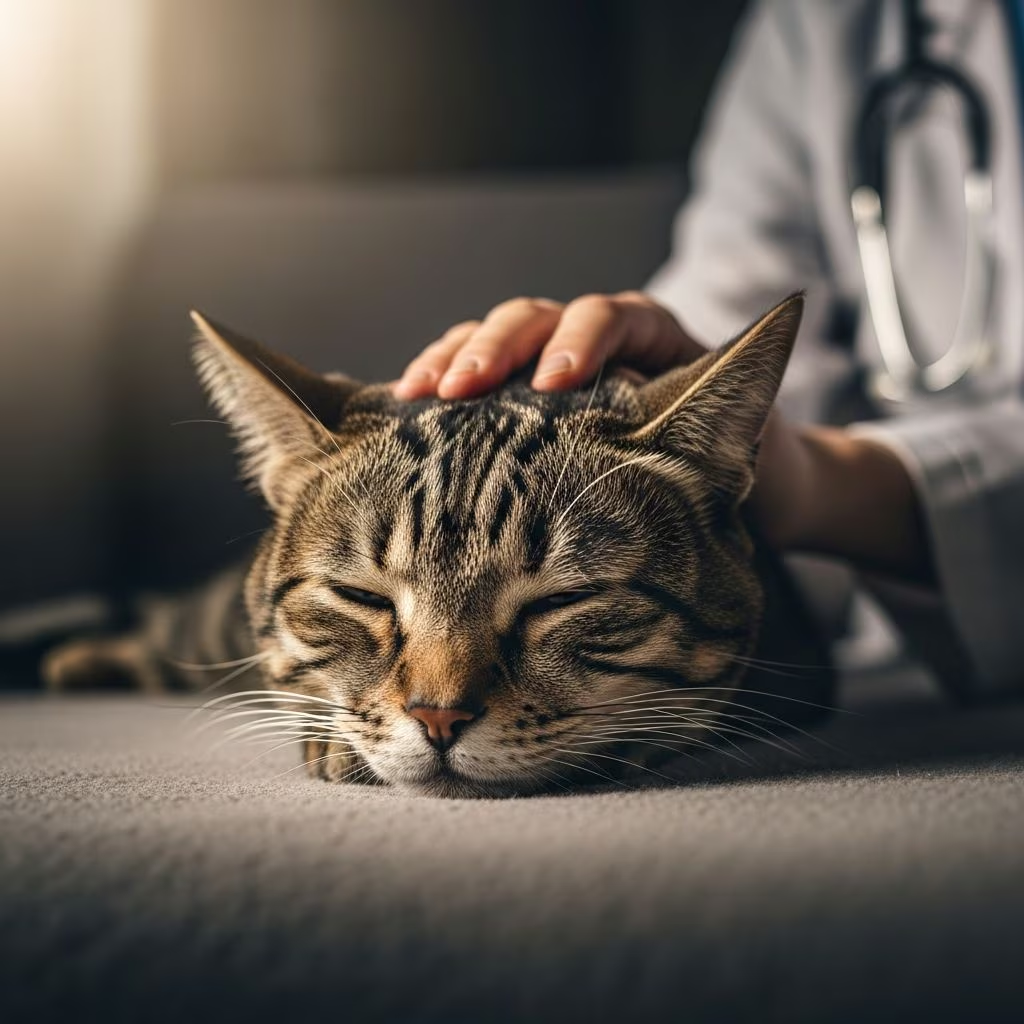
The liver performs vital functions in cats, including detoxification, protein synthesis, and nutrient processing. When it fails, cats face severe health declines that can become irreversible. Understanding the progression helps owners recognize when interventions fail and euthanasia becomes a humane choice to prevent suffering.
Recognizing Early Indicators of Liver Dysfunction
Initial signs of liver issues in cats often appear subtle, mimicking other illnesses. Owners might notice gradual changes in behavior or appetite before more dramatic symptoms emerge. Prompt veterinary attention at this stage can sometimes halt progression.
- Lethargy and weakness: Cats may seem unusually tired, spending more time sleeping or hiding.
- Appetite loss: Refusal to eat for even a day or two signals potential trouble, as felines rely heavily on consistent nutrition.
- Vomiting or diarrhea: Occasional episodes can indicate the liver struggling to process toxins.
- Increased thirst and urination: Known as polydipsia and polyuria, these occur as the body attempts to flush waste.
These symptoms stem from the liver’s reduced ability to metabolize fats, proteins, and toxins effectively. For instance, hepatic lipidosis, a common fatty liver condition, often starts after a cat stops eating due to stress or illness.
Common Triggers Behind Feline Liver Decline
Several factors can precipitate liver failure. Identifying the root cause guides treatment but doesn’t always prevent advancement to chronic stages.
| Condition | Description | Prevalence in Cats |
|---|---|---|
| Hepatic Lipidosis | Fat accumulation in liver cells from prolonged fasting | Most common, often reversible if caught early |
| Cholangiohepatitis | Inflammation of bile ducts and liver, types include neutrophilic (acute) and lymphocytic (chronic) | Frequent, especially with triaditis involving pancreas and intestines |
| Toxins or Infections | Heavy metals, bacteria like Clostridium, viruses such as FeLV/FIV | Less common but aggressive |
| Cancer or Inherited Issues | Lymphoma, amyloidosis in breeds like Abyssinians | Seen in specific breeds or older cats |
Neutrophilic forms present acutely with fever and dehydration, while lymphocytic variants progress slowly with weight loss. Triaditis complicates diagnosis as symptoms overlap with pancreatitis and IBD.
Advanced Symptoms Signaling Serious Damage
As liver function plummets, visible and distressing signs intensify. Jaundice, or icterus, yellows the gums, eyes, and skin due to bilirubin buildup.
- Yellow discoloration of mucous membranes and skin
- Abdominal swelling from fluid accumulation (ascites)
- Bleeding tendencies: nosebleeds, tarry stools (melena), bruising (petechiae)
- Neurological issues: seizures, circling, head pressing, coma
- Behavioral shifts: disorientation, excessive drooling, blindness
These indicate the liver can no longer produce clotting factors or detoxify blood, leading to systemic collapse. Cats may also exhibit sweet-smelling breath, wobbly gait, or pinpoint hemorrhages.
Diagnostic Approaches for Confirmation
Veterinarians start with physical exams, bloodwork showing elevated enzymes (ALT, AST), bilirubin, and low proteins or clotting factors. Urinalysis checks for dilute urine or crystals.
Imaging like ultrasound reveals enlarged livers or bile duct issues, while biopsies provide definitive insights via needle aspiration or surgery. In hepatic lipidosis, fat globules confirm the diagnosis. Coagulation tests are crucial to avoid biopsy bleeding risks.
Treatment Strategies and Their Limitations
Early intervention offers hope. For lipidosis, aggressive feeding tubes deliver nutrients, achieving recovery in many cases. Medications target inflammation in cholangiohepatitis, such as steroids for lymphocytic types or antibiotics for bacterial involvement.
Supportive care includes IV fluids for dehydration, anti-nausea drugs, and liver protectants. However, success drops in acute failure or end-stage cirrhosis, where scarring prevents regeneration. Cats surviving acute episodes risk long-term damage leading to repeated crises.
Assessing Quality of Life in Affected Cats
Deciding on euthanasia hinges on quality-of-life evaluations. Tools like the HHHHHMM scale (Hurt, Hunger, Hydration, Hygiene, Happiness, Mobility, More good days than bad) guide owners.
Track daily: Is the cat eating voluntarily? Interacting? Maintaining cleanliness? In end-stage, persistent pain, inability to rest, or coma signal suffering beyond relief.
- Positive indicators: Responsive to treatment, playful moments, stable weight
- Warning signs: Non-stop distress cries, refusal of all food/water, seizures
End-stage cats appear profoundly ill: swollen bellies, pinpoint bleeds, deep lethargy, or coma. Veterinary input ensures objective assessment.
Humane Euthanasia: Process and Preparation
Euthanasia provides peaceful release. Performed in-clinic or at home, it involves sedatives followed by a heart-stopping injection. Cats feel no pain, slipping into sleep.
Prepare by discussing with your vet: timing, location, family involvement. Grief support resources help afterward. Many owners find solace knowing they ended suffering compassionately.
Prevention Tips for Liver Health
Maintain ideal weight to avoid lipidosis. Regular deworming prevents flukes. Vaccinate against FeLV/FIV. Monitor for toxin exposure like certain plants or medications.
Annual bloodwork catches elevations early. Promptly address appetite loss—cats shouldn’t fast over 24 hours.
Frequently Asked Questions
How quickly does liver failure progress in cats?
Acute cases can worsen in days, while chronic forms linger months. Lipidosis responds well if treated within a week of anorexia.
Can cats recover from liver failure?
Yes, especially hepatic lipidosis with feeding support. Acute toxic failures have poorer prognoses.
What are final signs before euthanasia?
Coma, unrelenting pain, bleeding, jaundice with no improvement despite treatment.
Is home euthanasia an option?
Many vets offer it for comfort. Discuss availability and costs.
How to support a cat with liver disease at home?
Provide easily digestible food, ensure hydration, keep comfortable, and follow vet meds strictly.
References
- Acute Liver Failure in Cats: Signs and Treatment — PetMD. 2023-10-15. https://www.petmd.com/cat/conditions/endocrine/acute-liver-failure-cats-signs-and-treatment
- Top 5 Liver Conditions In Cats — Best Friends Veterinary Center. 2024-05-20. https://bestfriendsvet.com/library/top-5-liver-conditions-in-cats/
- Cholangiohepatitis — Cornell University College of Veterinary Medicine. 2023-08-12. https://www.vet.cornell.edu/departments-centers-and-institutes/cornell-feline-health-center/health-information/feline-health-topics/cholangiohepatitis
- Hepatic Lipidosis in Cats — BluePearl Pet Hospital. 2024-02-28. https://bluepearlvet.com/medical-articles-for-pet-owners/hepatic-lipidosis-in-cats/
- Liver Diseases in Cats — VCA Animal Hospitals. 2023-11-05. https://vcahospitals.com/know-your-pet/liver-diseases-in-cats
- Liver Disease in Cats: Signs, Treatment, Prognosis — Best Friends Animal Society. 2024-01-10. https://bestfriends.org/pet-care-resources/liver-disease-cats-signs-treatment-prognosis



