

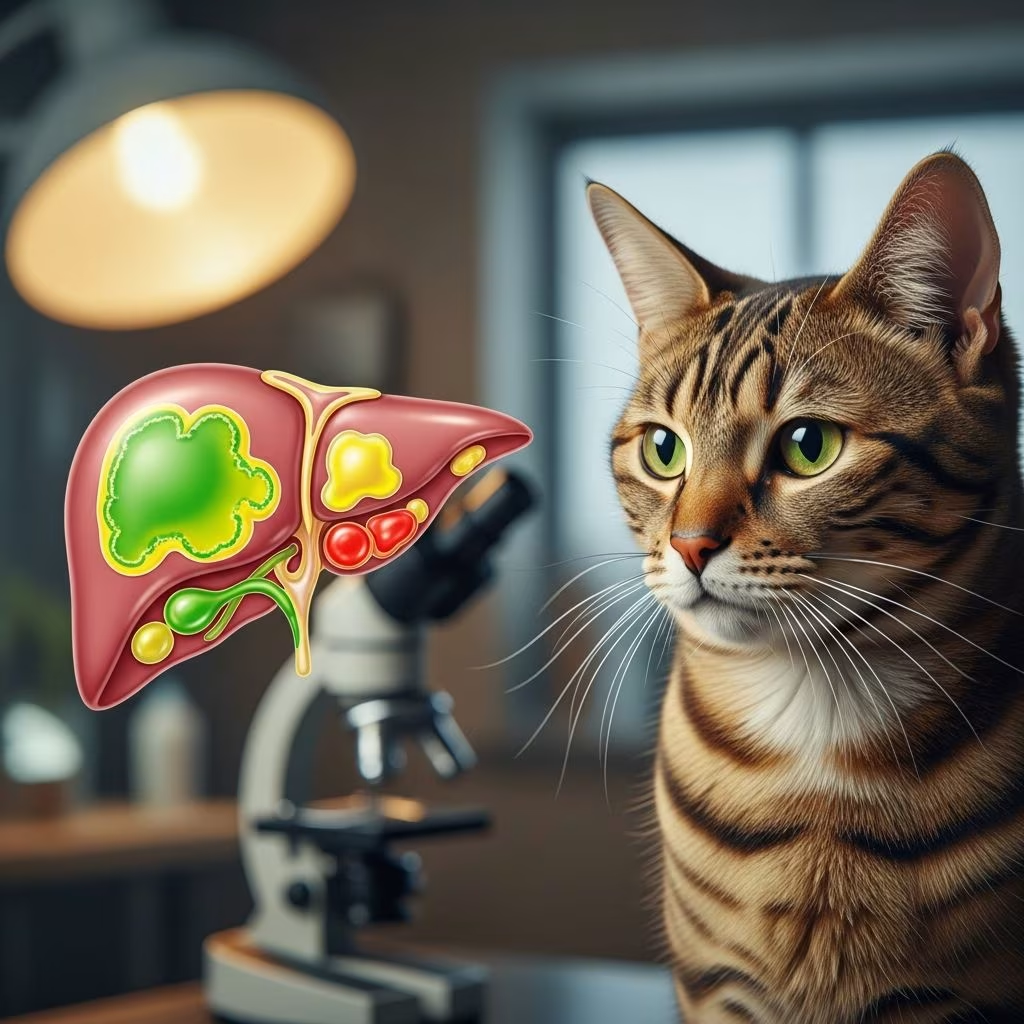
The liver plays a vital role in a cat’s health, handling detoxification, nutrient processing, and protein synthesis. When liver function is compromised, it can lead to serious conditions collectively known as **feline liver disorders**. These issues range from reversible inflammation to life-threatening failure, often stemming from infections, toxins, or metabolic imbalances. Early detection and intervention are crucial, as the liver has regenerative potential if supported properly.
Common Types of Liver Problems in Cats
Cats can develop various liver conditions, each with distinct mechanisms and implications. Understanding these helps owners recognize risks specific to their pets.
- Hepatic Lipidosis (Fatty Liver Disease): This is one of the most prevalent issues, where excessive fat accumulates in liver cells, impairing function. It frequently affects overweight cats that stop eating for even a short period, triggering a vicious cycle of fat mobilization.
- Cholangitis and Hepatitis: Inflammation of the bile ducts (cholangitis) or liver tissue (hepatitis) can be neutrophilic (bacterial-driven) or lymphocytic (immune-mediated). Neutrophilic forms often involve bacterial ascent from the intestines.
- Toxic Liver Damage: Exposure to household chemicals, certain medications like paracetamol, or plants can overwhelm the liver’s detoxification pathways, leading to acute injury.
- Bile Duct Obstructions: Blockages from inflammation, pancreatitis, or tumors prevent bile flow, causing backup and secondary liver damage.
- Cancer and Shunts: Primary tumors, metastatic cancers, or congenital portosystemic shunts divert blood away from the liver, hindering its processing role.
Primary Causes Behind Liver Dysfunction
Liver disorders rarely occur in isolation; multiple factors contribute, often interacting with a cat’s lifestyle or health history.
| Cause Category | Examples | Risk Factors |
|---|---|---|
| Infectious Agents | Bacteria, FeLV, FIP, Toxoplasma, fungi | Outdoor access, unvaccinated status |
| Metabolic/Obesity-Related | Hepatic lipidosis from anorexia | Overweight cats, sudden diet changes |
| Toxins & Drugs | Antifreeze, pesticides, human meds | Household exposure, medication errors |
| Concurrent Diseases | Pancreatitis, IBD, diabetes, hyperthyroidism | Chronic conditions |
| Neoplastic/Structural | Tumors, shunts, gallstones | Age, breed predispositions |
Obesity predisposes cats to hepatic lipidosis, as fat stores are rapidly mobilized during fasting, overwhelming the liver. Viral diseases like FIP suppress immunity, allowing secondary bacterial invasions.
Recognizing the Warning Signs
Symptoms of liver issues can be subtle at first but escalate quickly. **Jaundice**—yellowing of gums, eyes, ears, and skin—is a hallmark sign due to bilirubin buildup. Other indicators include:
- Loss of appetite and rapid weight loss
- Vomiting, diarrhea, or constipation
- Increased thirst and urination
- Lethargy, weakness, or mental depression
- Abdominal swelling or pain
- Neurological issues like seizures or disorientation (hepatic encephalopathy)
- Bleeding tendencies from poor clotting factor production
In hepatic lipidosis, cats may drool excessively or hide due to nausea. Chronic cases show gradual decline, while acute infections present with fever and dehydration.
How Veterinarians Diagnose Liver Conditions
Diagnosis starts with a thorough history and physical exam, noting jaundice or enlarged liver. Blood tests reveal elevated enzymes (ALT, AST, ALP), bilirubin, and low proteins or glucose.
- Biochemistry Panel: Assesses liver enzymes, bile acids, and albumin levels.
- Complete Blood Count (CBC): Checks for anemia, infection, or clotting issues.
- Urinalysis and Fecal Tests: Detects secondary infections or parasites.
- Imaging: Ultrasound identifies enlargement, masses, or shunts; radiographs rule out obstructions.
- Biopsy or Bile Analysis: Definitive for inflammation type or cancer, often via needle or surgery.
Early diagnostics improve outcomes, as many conditions are treatable if caught before failure sets in.
Treatment Strategies for Recovery
Treatment targets the underlying cause while providing aggressive support, leveraging the liver’s regeneration capacity.
Nutritional Support: Paramount, especially for lipidosis. Cats need immediate calories via IV fluids, appetite stimulants, or esophagostomy tubes to bypass nausea. Prescription diets like those with highly digestible proteins, antioxidants, and low copper (e.g., hepatic formulas) ease liver workload.
Medications:
- Antibiotics for bacterial cholangitis
- Antioxidants (SAMe, silybin), ursodiol for bile flow
- Anti-nausea, antacids, B vitamins, potassium supplements
Hospitalization: IV fluids correct dehydration, flush toxins, and stabilize electrolytes. Plasma transfusions address clotting deficits.
Surgery may resolve shunts or obstructions; chemotherapy for cancers offers palliation. Prognosis varies: lipidosis has 80-90% success with nutrition, while advanced cirrhosis is guarded.
Preventive Measures and Home Care
Prevention focuses on risk reduction:
- Maintain ideal weight; avoid sudden fasting
- Vaccinate against FeLV/FIV; keep cats indoors
- Secure toxins; never give human drugs without vet approval
- Regular check-ups for seniors or multi-cat households
At home, feed small frequent meals of vet-recommended food, monitor weight, and watch for symptom recurrence. Supplements like milk thistle may aid under guidance.
Living with a Cat Post-Liver Treatment
Many cats recover fully and lead normal lives with lifelong management. Annual bloodwork monitors progress. Owners should track appetite, litter habits, and energy levels, seeking prompt vet care for changes. Emotional support reduces stress, aiding appetite.
Frequently Asked Questions (FAQs)
Can cats recover from liver disease?
Yes, many do, especially with early nutritional intervention for lipidosis or antibiotics for infections.
Is fatty liver fatal in cats?
Untreated, yes; treated promptly, survival exceeds 80%.
What diet is best for a cat with liver issues?
Prescription hepatic diets high in digestible protein and antioxidants.
How can I tell if my cat has jaundice?
Look for yellow gums, whites of eyes, ears, or urine.
Are certain breeds prone to liver problems?
No strong breed links, but Persians may have polycystic disease risks; obesity affects all.
References
- Liver Disease in Cats — PetMD. 2023. https://www.petmd.com/cat/conditions/endocrine/liver-disease-cats
- Hepatic Lipidosis — Cornell University College of Veterinary Medicine. 2024. https://www.vet.cornell.edu/departments-centers-and-institutes/cornell-feline-health-center/health-information/feline-health-topics/hepatic-lipidosis
- Liver and Gall Bladder Disease in Cats — International Cat Care. 2023. https://icatcare.org/articles/liver-and-gall-bladder-disease-in-cats
- Liver Diseases in Cats — VCA Animal Hospitals. 2024. https://vcahospitals.com/know-your-pet/liver-diseases-in-cats
- Liver Disease in Cats — Small Door Veterinary. 2023. https://www.smalldoorvet.com/learning-center/medical/liver-disease-cats



