

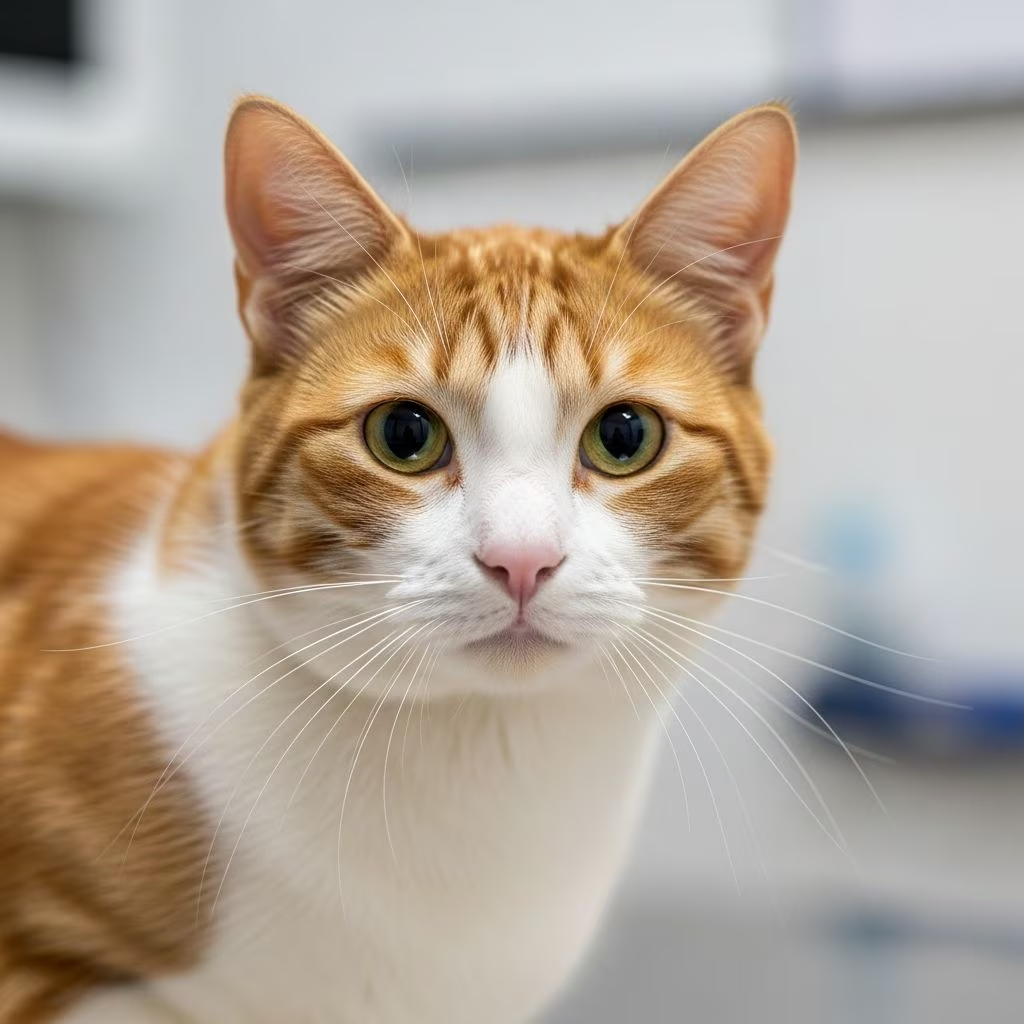
The liver plays a vital role in a cat’s overall health, handling detoxification, nutrient processing, and bile production. When liver function is compromised, it can lead to serious conditions collectively known as feline liver disorders. These issues range from sudden-onset problems to progressive diseases that demand prompt veterinary attention. Understanding these disorders empowers owners to spot early warning signs and pursue effective management.
Understanding the Liver’s Role in Cats
In cats, the liver is uniquely susceptible to certain pathologies due to their metabolic quirks. Unlike dogs, felines lack efficient pathways to metabolize certain toxins, making them prone to rapid damage from medications or chemicals. The organ’s regenerative capacity offers hope, but delays in treatment can result in irreversible harm. Common disorders include inflammatory conditions, fat accumulation syndromes, and bile flow obstructions, each with distinct triggers and progressions.
Primary Types of Liver Disorders in Cats
Feline liver issues manifest in several forms, often overlapping with other systemic problems. Key categories include:
- Neutrophilic Cholangitis: This bacterial-driven inflammation affects bile ducts and spreads to the liver parenchyma. It frequently accompanies pancreatitis or intestinal disorders, blocking bile flow and causing caustic damage.
- Lymphocytic Cholangitis: An immune-mediated inflammation without infectious origins, leading to chronic scarring and impaired function over time.
- Hepatic Lipidosis (Fatty Liver Disease): Excessive fat buildup within liver cells, often triggered by sudden anorexia in overweight cats, halting normal organ activity.
- Toxic Hepatopathy: Damage from ingested poisons, drugs like acetaminophen, or environmental hazards, exploiting cats’ limited detoxification abilities.
- Extrahepatic Bile Duct Obstruction: Blockages from tumors, inflammation, or gallstones that prevent bile drainage, resulting in secondary liver injury.
These types can be acute, resolving with intervention, or chronic, requiring lifelong management. Distinguishing them is crucial for targeted therapy.
| Type | Main Cause | Key Feature |
|---|---|---|
| Neutrophilic Cholangitis | Bacterial infection | Bile duct inflammation |
| Lymphocytic Cholangitis | Immune response | Chronic portal infiltration |
| Hepatic Lipidosis | Prolonged fasting | Fatty vacuoles in hepatocytes |
| Toxic Hepatopathy | Drugs/toxins | Acute necrosis |
| Bile Duct Obstruction | Mechanical blockage | Jaundice dominance |
Triggers and Risk Factors
Several elements heighten a cat’s vulnerability to liver compromise. Age plays a role; senior cats face elevated risks from degenerative changes. Breeds like Siamese may inherit predispositions to congenital anomalies or inflammatory susceptibilities. Obesity stands out, as portly felines undergoing stress-induced appetite loss rapidly develop hepatic lipidosis. Infectious agents—bacteria from the gut, viruses such as FeLV or FIP, parasites like Toxoplasma, or fungi in endemic areas—can invade the liver directly or indirectly. Toxins abound in households: antifreeze, rodenticides, lilies, and human painkillers like paracetamol pose lethal threats even in tiny doses. Concurrent illnesses, including diabetes, hyperthyroidism, or inflammatory bowel disease, exacerbate liver strain by altering metabolism or immunity.
Recognizing the Warning Signs
Early detection hinges on vigilance for subtle cues that escalate quickly. Prominent indicators include jaundice, a yellowish tint to gums, ears, and eyes from bilirubin buildup. Lethargy and weakness sap a cat’s usual vigor, while dehydration manifests as tacky gums and sunken eyes. Gastrointestinal upset brings vomiting, diarrhea, or constipation, often with poor appetite leading to weight loss. Abdominal distension signals fluid accumulation (ascites), and neurological signs like disorientation or seizures arise from toxin buildup affecting the brain. Drooling, halitosis, and dark urine further hint at biliary involvement. In hepatic lipidosis, rapid emaciation occurs despite prior plumpness. Owners should note any combination of these, as isolated symptoms might mislead.
Diagnostic Approaches
Veterinarians employ a multi-tiered strategy to pinpoint liver pathology. Initial blood panels reveal elevated enzymes (ALT, AST, ALP, GGT), hyperbilirubinemia, and hypoalbuminemia, alongside clotting deficits. Complete blood counts detect infections or anemia. Urinalysis and fecal exams uncover bile pigments, crystals, or parasites. Abdominal ultrasound visualizes organ size, texture, masses, or duct dilation, guiding biopsies if needed. Fine-needle aspirates provide cytology, while definitive histopathology from biopsies classifies inflammation type. Advanced tests like bile acid stimulation assess function dynamically. Coagulation profiles prevent bleeding risks during procedures.
Treatment Strategies
Management tailors to the diagnosis, emphasizing liver respite and regeneration support. For infections, targeted antibiotics, antivirals, or antiparasitics combat the root. Anti-inflammatories and hepatoprotectants like SAMe, ursodiol, or acetylcysteine shield cells and promote bile flow. Nutritional rehabilitation is paramount, especially in lipidosis; esophagostomy tubes deliver high-calorie, digestible formulas bypassing anorexia. IV fluids correct dehydration, flush toxins, and supply electrolytes. Anti-emetics, antacids, and laxatives manage symptoms. Hospitalization aids monitoring, with plasma transfusions for coagulopathies. Surgery may clear obstructions or excise tumors. Prescription diets low in copper, high in antioxidants, and balanced proteins ease workload—examples include specialized hepatic formulas fed in frequent small portions.
Supportive Care and Home Management
Beyond acute intervention, ongoing care sustains recovery. Appetite stimulants and B-vitamin injections counter malnutrition. Potassium supplementation addresses common deficits. Owners monitor weight, intake, and stool quality daily. Tube feeding at home requires training to avoid complications. Stress reduction via quiet environments aids healing. Regular vet checkups track enzyme trends and adjust meds. Prognosis brightens with early action; lipidosis reverses in most with aggressive feeding, while chronic cholangitis demands indefinite therapy.
Prevention Tactics for Optimal Liver Health
Proactive steps minimize risks. Maintain ideal weight through portion control and activity. Vaccinate against FeLV and test carriers. Shun toxins: secure cleaners, plants, and meds. Use vet-only flea preventives to block parasites. Annual bloodwork screens seniors. Transition diets gradually to avert lipidosis. Fresh water and balanced nutrition bolster resilience.
Frequently Asked Questions
Can cats recover fully from liver disease?
Yes, many do, particularly with hepatic lipidosis if nutrition resumes promptly. Chronic forms may persist but stabilize with care.
Is hepatic lipidosis fatal?
Untreated, yes—mortality exceeds 80%. Treated aggressively, survival nears 90%.
What diet supports a cat with liver issues?
Vet-prescribed low-fat, high-digestible protein formulas rich in antioxidants and low in copper.
How do I know if my cat has liver problems?
Watch for jaundice, vomiting, lethargy, or appetite loss—consult a vet immediately.
Are certain cats more prone?
Overweight, obese, seniors, Siamese, and outdoor hunters face higher odds.
Long-Term Outlook and Monitoring
Post-treatment, quarterly labs gauge progress. Adjust lifestyles to sustain gains. While some cats thrive indefinitely, others navigate controlled chronicity. Owner education proves pivotal in extending quality life.
References
- Hepatic Lipidosis — Cornell University College of Veterinary Medicine. 2023-05-15. https://www.vet.cornell.edu/departments-centers-and-institutes/cornell-feline-health-center/health-information/feline-health-topics/hepatic-lipidosis
- Liver Disease in Cats — PetMD. 2024-02-10. https://www.petmd.com/cat/conditions/endocrine/liver-disease-cats
- Liver and Gall Bladder Disease in Cats — International Cat Care. 2023-11-20. https://icatcare.org/articles/liver-and-gall-bladder-disease-in-cats
- Liver Diseases in Cats — VCA Animal Hospitals. 2024-01-05. https://vcahospitals.com/know-your-pet/liver-diseases-in-cats
- Hepatitis in Cats: Causes, Symptoms & Treatment — Providence Veterinary Hospital. 2020-09-30. https://www.charlotte.providencevets.com/site/blog/2020/09/30/hepatitis-cats-causes-symptoms-treatment



