

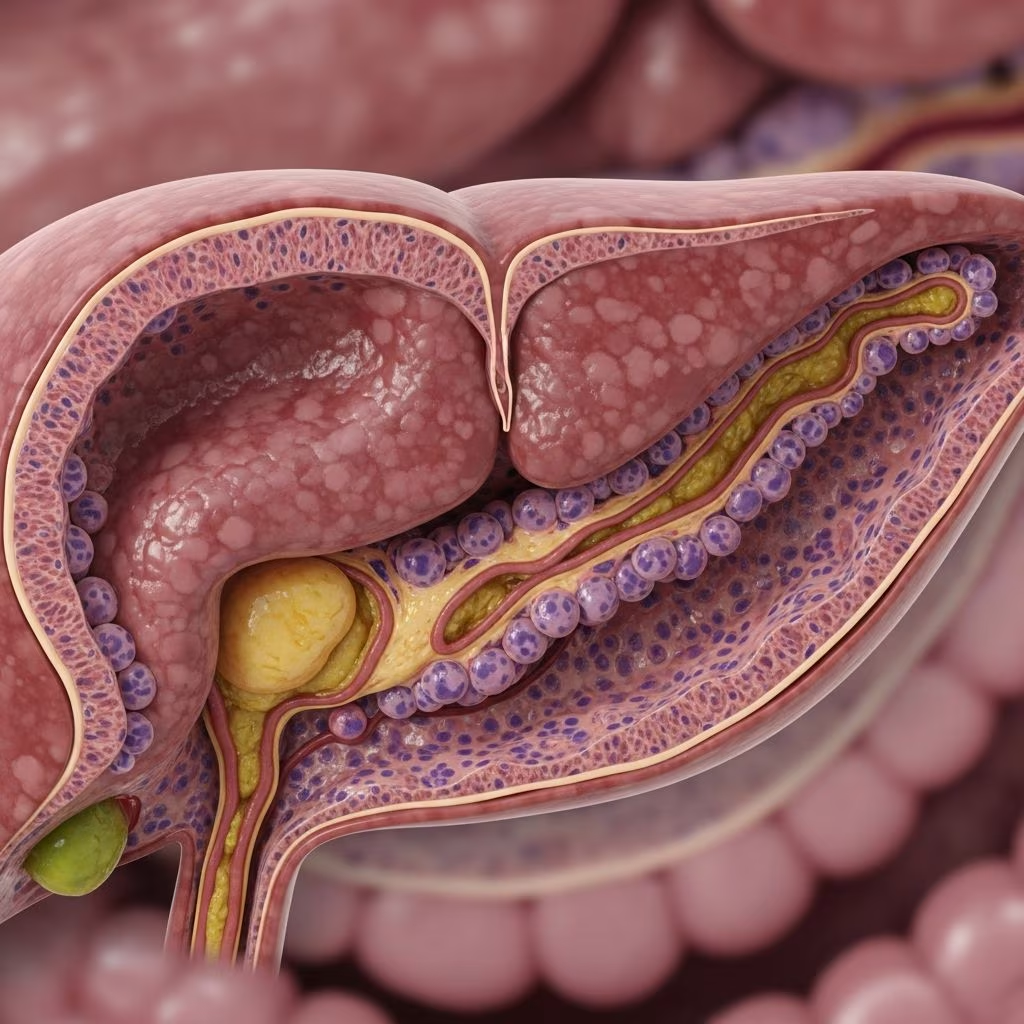
Feline cholangitis/cholangiohepatitis syndrome (CCHS) represents a significant group of liver disorders in cats, characterized by inflammation affecting both the bile ducts and surrounding liver tissue. This condition often presents with overlapping symptoms and requires careful differentiation for effective management.
Understanding the Condition
The liver and biliary system in cats work together to process nutrients, detoxify substances, and produce bile for digestion. When inflammation targets the bile ducts (cholangitis) and extends into the liver parenchyma (cholangiohepatitis), it disrupts these vital functions, leading to a cascade of health issues. Cats are particularly susceptible due to their unique anatomy, where the common bile duct passes through the pancreas and duodenum, facilitating the spread of inflammation from adjacent organs.
Two primary forms dominate: suppurative (neutrophilic) and nonsuppurative (lymphocytic or lymphoplasmacytic). The suppurative type stems from bacterial ascent from the intestines, while nonsuppurative variants involve immune-mediated responses. Concurrent diseases like inflammatory bowel disease (IBD), pancreatitis, and kidney issues frequently complicate the picture.
Primary Forms of the Disorder
Suppurative Variant
This acute, aggressive form arises from bacterial infections migrating from the gut to the gallbladder and bile ducts. Common pathogens include E. coli and other enteric bacteria. Swelling and mineral deposits can obstruct bile flow, exacerbating damage.
- Severe, rapid-onset symptoms dominate.
- Inflammation features neutrophil-heavy infiltrates.
- High risk of sepsis if untreated.
Nonsuppurative Variant
More chronic and insidious, this type involves lymphocytes and plasma cells attacking bile ducts and liver tissue. It may follow resolved infections or arise from autoimmune triggers. Subtypes include non-destructive and destructive (sclerosing) cholangitis, where progressive duct loss leads to irreversible scarring.
- Affects middle-aged to older cats predominantly.
- Cyclic symptoms with periods of remission.
- Potential for concurrent viral infections, though rare.
Recognizing Clinical Manifestations
Symptoms vary by form but often include lethargy, reduced appetite, vomiting, and dehydration. Jaundice, appearing as yellowing of gums, eyes, and skin, signals bile buildup. Abdominal pain, fever, and enlarged liver are common in acute cases.
| Symptom | Suppurative Form | Nonsuppurative Form |
|---|---|---|
| Jaundice | Frequent, variable intensity | Inconsistent, often cyclic |
| Fever/Pyrexia | High and persistent | Intermittent |
| Vomiting/Diarrhea | Common | Episodic |
| Abdominal Pain | Prominent | Variable |
| Weight Loss | Rapid | Gradual |
Physical exams may reveal hepatomegaly or pain on palpation. Chronic cases show weight loss and behavioral changes like reclusiveness.
Diagnostic Approaches
Diagnosis starts with history and exam, followed by bloodwork showing elevated liver enzymes (ALT, AST), cholestatic markers (ALP, GGT), and bilirubin. Leukograms often display left shifts in suppurative cases, with hyperglobulinemia in chronic nonsuppurative ones.
- Imaging: Ultrasound detects duct dilation, sludge, or irregular liver patterns.
- Biopsy: Gold standard; fine-needle or surgical samples reveal inflammatory patterns. Multiple lobes may need sampling due to patchy involvement.
- Additional Tests: Rule out infections, assess clotting, evaluate kidneys/pancreas.
Ultrasound findings overlap forms but may be normal in mild nonsuppurative disease.
Treatment Strategies
Management tailors to type. Suppurative cases prioritize antibiotics (e.g., amoxicillin-clavulanate, metronidazole) for 6-12 weeks, often with ursodeoxycholic acid for bile flow and SAMe for hepatoprotection.
Nonsuppurative requires immunosuppressants like prednisolone, sometimes with azathioprine. Nutritional support via feeding tubes prevents hepatic lipidosis.
- Address primary infection or obstruction.
- Provide supportive care: fluids, antiemetics, vitamins (esp. K for coagulopathy).
- Monitor response with serial bloodwork/imaging.
Prognosis improves with early intervention; suppurative has better outcomes post-antibiotics, while destructive nonsuppurative may progress to cirrhosis.
Associated Conditions and Complications
CCHS rarely stands alone. IBD allows bacterial translocation; pancreatitis shares ductal pathways; chronic kidney disease coexists frequently. Fibropolycystic malformations or neoplasia must be excluded.
- Portal hypertension rare but possible in advanced fibrosis.
- Acholic feces in ductopenic cases.
- Coagulopathies from vitamin K malabsorption.
Living with Feline CCHS
Owners play key roles in monitoring appetite, jaundice, and stool color. Low-fat diets, regular vet visits, and prompt symptom reporting aid control. Many cats achieve remission with therapy, though lifelong management is common.
Frequently Asked Questions (FAQs)
What triggers bile duct inflammation in cats?
Bacterial infections from the gut cause suppurative forms; immune reactions drive nonsuppurative ones, often linked to IBD or pancreatitis.
Can my cat recover fully from this liver issue?
Many do with prompt treatment, especially suppurative cases. Chronic forms may need ongoing care.
Is surgery ever required?
Rarely; reserved for obstructions or biopsies. Medical therapy suffices for most.
How do I know if it’s CCHS versus other liver diseases?
Biopsy confirms; bloodwork and ultrasound guide differentials.
What diet helps affected cats?
Highly digestible, low-fat formulas support liver function and prevent lipidosis.
Preventive Measures and Outlook
While not fully preventable, controlling IBD, maintaining hydration, and routine wellness checks help. Prognosis varies: acute cases respond well, chronic ones wax and wane but can span years with management.
References
- Feline Cholangitis / Cholangiohepatitis Syndrome — Merck Veterinary Manual. 2023. https://www.merckvetmanual.com/digestive-system/hepatic-diseases-of-small-animals/feline-cholangitis-cholangiohepatitis-syndrome
- Cholangitis/Cholangiohepatitis Syndrome in Cats — VCA Animal Hospitals. 2023. https://vcahospitals.com/know-your-pet/cholangitischolangiohepatitis-syndrome-in-cats
- Cholangiohepatitis in Cats — Veterinary Specialty Center. 2023. https://www.vetspecialty.com/specialties/internal-medicine/cholangiohepatitis-in-cats/
- Cholangiohepatitis in Cats — BluePearl Pet Hospital. 2023. https://bluepearlvet.com/medical-articles-for-pet-owners/cholangiohepatitis-in-cats/
- Hepatitis in Cats – Treatments, Life Expectancy & More — Charlotte Emergency Vet. 2021-11-15. https://www.charlotte.carolinavet.com/site/charlotte-emergency-vet-blog/2021/11/15/hepatitis-in-cats



