

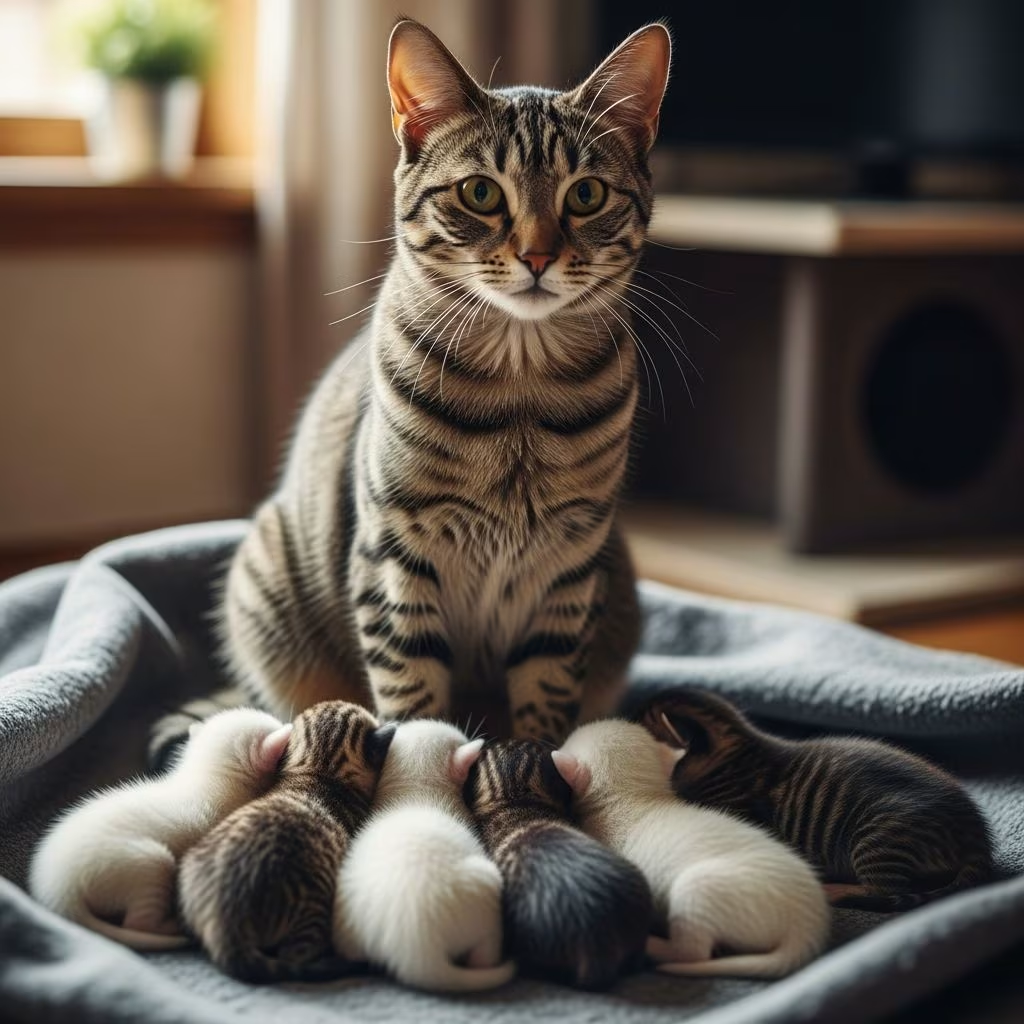
When a female cat becomes pregnant, one of the most common questions cat owners ask is how many kittens to expect. The answer is more complex than a simple number, as multiple biological and environmental factors influence the size of a feline litter. Understanding these variables helps cat owners prepare adequately for the arrival of newborn kittens and make informed decisions about breeding practices.
The Typical Number of Kittens in a Cat’s Litter
The average litter size for domestic cats typically ranges from three to six kittens. Most commonly, cat owners can expect their pregnant cats to deliver around four to five kittens per litter. However, this average masks considerable variation among individual cats, as some may produce only one or two kittens while others deliver as many as eight, nine, or even more in a single birth.
First-time mother cats tend to have smaller litters compared to experienced mothers. Young queens, particularly those under one year of age, frequently give birth to just two or three kittens in their initial litter. As cats mature and experience subsequent pregnancies, their litter sizes typically increase before potentially declining again as the cat approaches older age and fertility naturally decreases.
Genetic Influence on Kitten Production
One of the most significant determinants of how many kittens a cat will have is her genetic heritage. Certain cat breeds consistently produce larger litters than others, suggesting that genetics play a substantial role in reproductive capacity. For instance, Maine Coons are known for their tendency to have larger litters, averaging around six kittens, while some other breeds may consistently produce smaller numbers.
The genetic component extends beyond breed characteristics. If a female cat’s parents and grandparents had larger litters, she is more likely to follow the same pattern. Conversely, cats from lines with naturally smaller litters will typically maintain that trait. This hereditary influence means that breeders who track genealogical lines can sometimes predict litter sizes with reasonable accuracy based on family history.
How Age Impacts Reproductive Output
The age of the mother cat significantly influences litter size across her reproductive lifespan. Young cats that have not yet reached full physical maturity produce noticeably smaller litters than their middle-aged counterparts. A cat in her prime reproductive years, typically between two and five years old, achieves her maximum average litter size.
As cats enter their senior years, litter sizes may diminish again due to declining fertility and overall reproductive capacity. However, cats can maintain fertility and continue producing litters well into their later years if they remain healthy and unspayed. This extended reproductive window means that an unspayed cat could theoretically produce multiple litters across two decades or more of her life.
Nutritional Status and Health Considerations
The overall health status and nutritional condition of the mother cat directly affect both the number and viability of kittens in her litter. Cats that receive adequate nutrition and maintain optimal health typically produce larger, healthier litters. Well-fed, healthy mothers have better reproductive success and can support the development of more viable embryos.
Conversely, undernourished or malnourished cats may experience reduced litter sizes or produce kittens with developmental complications. Certain health conditions can further compromise litter size and kitten survival. For example, Feline Immunodeficiency Virus (FIV) and Panleukopenia (FPV) can cause stillbirths and reduce the number of healthy kittens born. Cats with chronic illnesses or compromised immune systems generally have smaller litters and face increased risks during pregnancy and labor.
Breed-Specific Variations in Litter Sizes
Different cat breeds exhibit distinct patterns in their reproductive output. Siamese cats, despite being known for prolific reproduction, actually tend to have smaller average litters of around four kittens. This contradicts some common assumptions about certain breeds producing exceptionally large numbers of offspring.
Maine Coons, on the other hand, consistently produce larger-than-average litters. Persian cats and other larger breeds may also tend toward bigger litters. These breed-specific differences likely reflect both genetic selection over generations and the physical capacity of the breed’s body to support larger litters. Understanding these breed tendencies can help potential cat owners and breeders set realistic expectations.
Environmental and Lifestyle Factors
Beyond genetics and health, the environment and lifestyle of the mother cat can influence litter size. Cats raised indoors versus outdoors experience different hormonal cycles. Outdoor cats typically experience seasonal heat cycles twice per year, while indoor cats, exposed to artificial lighting and temperature control, may cycle more frequently and irregularly.
Stress levels can also impact reproductive success. Cats in stressful environments may experience complications during pregnancy or deliver smaller litters. Adequate nutrition, clean living conditions, and a calm environment all contribute to optimal litter sizes. Cats with stable, enriched living conditions tend to have better reproductive outcomes than those in suboptimal situations.
Extreme Cases: The Largest Recorded Litters
While the average cat litter contains three to six kittens, exceptional cases demonstrate the extreme reproductive potential of felines. According to the American Society for the Prevention of Cruelty to Animals (ASPCA), the largest documented cat litter comprised 19 kittens. This extraordinary litter was born in August 1970, when a Burmese-Siamese cat in the United Kingdom delivered her massive offspring, though tragically, four were stillborn.
Litters of this size are extraordinarily rare and represent extreme outliers in feline reproduction. Most veterinarians and breeders will never encounter a litter approaching this size during their careers. Such large litters typically pose significant health risks to the mother cat and may require intensive veterinary intervention and supplemental feeding of the kittens.
Lifetime Reproductive Capacity
Understanding a single litter’s size becomes more striking when considering a cat’s total reproductive capacity throughout her lifetime. If a healthy, unspayed female cat begins breeding at six months of age and continues until eight years old, she could produce between 12 and 20 litters during that period. With an average of four to six kittens per litter, this means a single cat could give birth to 60 to 120 kittens across her reproductive years.
Most cats can produce two to three litters annually, though some may achieve four under ideal conditions. This rapid reproductive rate has serious implications for cat overpopulation concerns. The mathematics of feline reproduction illustrate why spaying and neutering programs are considered essential to addressing shelter overcrowding and stray cat populations.
Health Risks Associated with Large Litters
While larger litters might seem beneficial from a reproduction standpoint, they carry increased health risks for the mother cat. Larger litters place greater physical demands on the pregnant cat and can increase complications during labor. Dystocia (difficult labor) becomes more likely with larger litters, potentially requiring emergency veterinary intervention.
Additionally, mothers nursing larger litters face increased nutritional demands and physical stress. Veterinarians typically recommend limiting breeding to two or three litters total throughout a cat’s lifetime to preserve her health and prevent long-term complications. Continuous or frequent pregnancies can lead to stress, illness, and premature aging in breeding females.
Pregnancy Duration and Development Timeline
Understanding feline litter size must also include knowledge of the pregnancy timeline. A typical cat pregnancy lasts approximately 63 to 65 days, or roughly nine weeks. This relatively short gestation period compared to larger mammals affects how many kittens can develop within the uterus and influences the size limitations of litters.
The duration can vary slightly based on the mother’s age, health, breed, and the number of kittens in the litter. Cats carrying larger litters sometimes deliver slightly earlier than those with smaller litters, possibly due to space constraints in the uterus.
Practical Considerations for Cat Owners
Cat owners expecting a pregnant cat to deliver kittens should prepare for the most likely scenario: a litter of four to six kittens. This preparation includes ensuring adequate space for a nesting box, gathering necessary supplies for newborn care, and planning for veterinary support.
However, flexibility is important, as litters can range dramatically in size. Having supplies prepared for potentially fewer or more kittens ensures the owner can respond appropriately regardless of actual litter size. Consulting with a veterinarian during the pregnancy provides the opportunity to assess the mother’s health status and predict likely outcomes based on her individual circumstances.
Frequently Asked Questions
What is the smallest possible litter size?
A cat can give birth to a single kitten, though this is relatively uncommon. The smallest typical litter contains one or two kittens.
How can I estimate my cat’s litter size before birth?
Veterinary ultrasound during pregnancy can provide a reasonable estimate of kitten numbers, though the accuracy may vary. X-rays later in pregnancy offer more precise counts. However, some kittens may not be visible on imaging, so estimates should be considered approximate.
Is it normal for a cat to have kittens before three months of age?
No. A cat’s pregnancy lasts approximately nine weeks, so the minimum age at which a cat can deliver kittens is around four and a half to five months old, assuming she became pregnant at six weeks old (the minimum fertile age for some cats).
Can a cat become pregnant immediately after giving birth?
Yes. Female cats can enter heat as early as two weeks after delivering a litter, even while actively nursing. This rapid cycling allows cats to become pregnant again quickly, contributing to their reproductive efficiency.
How many kittens can a cat safely have?
Veterinarians recommend limiting breeding to two or three total litters in a cat’s lifetime to ensure her long-term health. Smaller litters of three to four kittens pose fewer risks than larger ones.
Does indoor versus outdoor living affect litter size?
Yes. Indoor and outdoor cats experience different environmental triggers for reproductive cycling, which can affect both the frequency of litters and potentially their size.
Conclusion on Feline Litter Expectations
The average cat litter contains between three and six kittens, with four to five being the most common. However, this average reflects the complex interplay of genetics, age, health, breed, nutrition, and environmental factors. First-time mothers typically have smaller litters, while experienced mothers in their prime reproductive years produce the largest litters. Certain breeds are genetically predisposed toward larger or smaller litters, and a cat’s overall health status significantly influences her reproductive output. While extreme litters of 10 or more kittens are possible, they represent exceptional cases rather than typical outcomes. Understanding these variables helps cat owners prepare appropriately and make informed decisions about feline reproduction and care.
References
- How Many Kittens Can a Cat Have — UAH Pet. https://www.uahpet.com/blogs/hydration-health/how-many-kittens-can-a-cat-have
- How Many Litters Can a Cat Have? — PetSmart Learning Center. https://www.petsmart.com/learning-center/cat-care/how-many-litters-can-a-cat-have
- How Many Cats Are In A Litter Of Kittens? — Dutch. https://www.dutch.com/blogs/cats/how-many-is-litter-of-kittens
- How Many Kittens Can a Cat Have in One Litter? — Chewy Education. https://www.chewy.com/education/cat/health-and-wellness/how-many-kittens-can-a-cat-have-in-one-litter
- Litter (zoology) — Wikipedia. https://en.wikipedia.org/wiki/Litter_(zoology)
- Reproductive patterns of pedigree cats — PubMed Central. https://pubmed.ncbi.nlm.nih.gov/3675409/



