

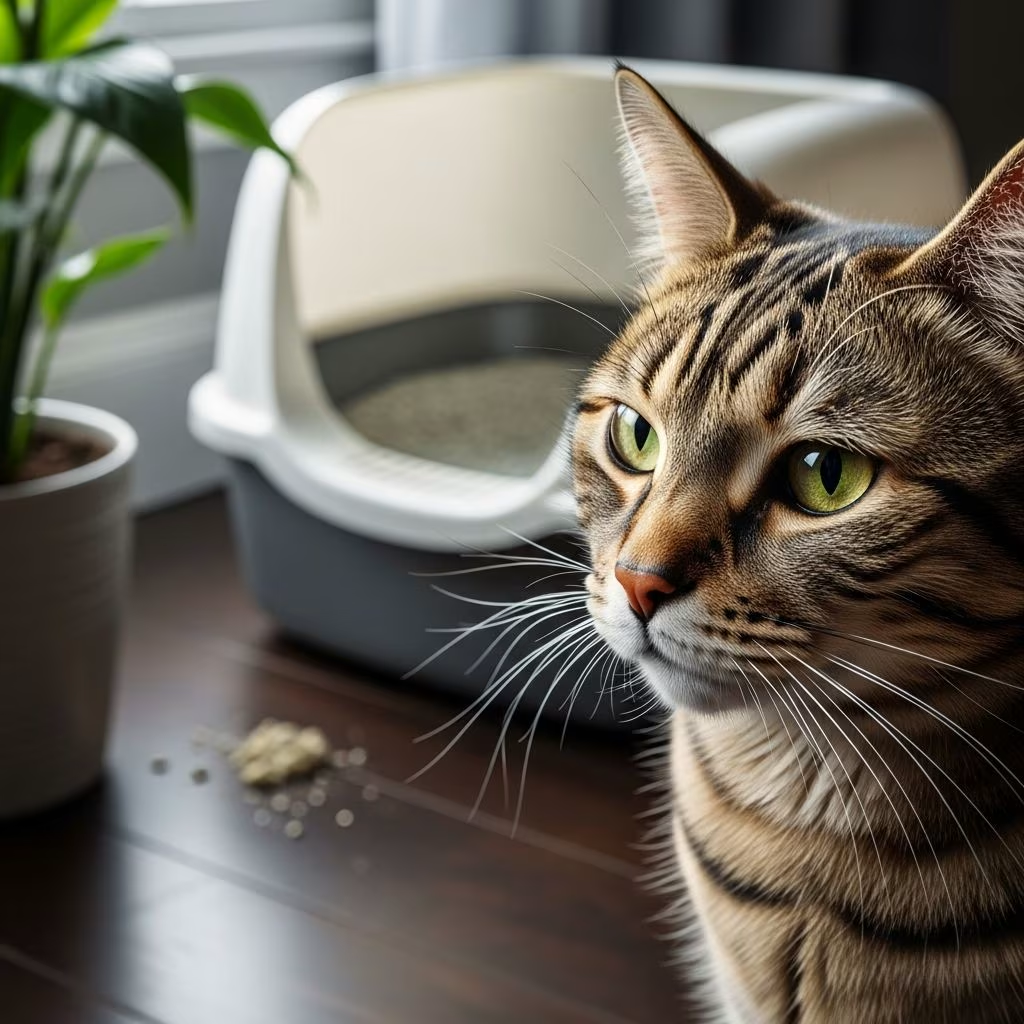
When your feline companion suddenly abandons the litter box, it signals that something requires your immediate attention. This behavioral shift rarely occurs without cause, and identifying the underlying issue is essential for restoring proper elimination habits. Cats communicate through their actions, and litter box avoidance is their way of telling you that their physical, emotional, or environmental needs are not being adequately met.
The Foundation: Medical Assessment First
Before exploring behavioral or environmental factors, scheduling a veterinary examination should be your first priority. Medical conditions can significantly impact your cat’s litter box habits, and ruling out health issues prevents you from misdiagnosing a serious problem as a behavioral concern. Various urinary tract infections, digestive disorders, kidney disease, diabetes, and other systemic conditions can create discomfort during elimination, causing your cat to associate the litter box with pain.
Senior cats, in particular, may experience mobility challenges or arthritis that makes accessing or using the litter box uncomfortable. Your veterinarian can perform a thorough physical examination, run diagnostic tests if necessary, and either confirm that medical issues are absent or prescribe appropriate treatment. This step eliminates guesswork and provides a clear starting point for addressing the problem.
Investigating Litter Box Infrastructure
Size and Accessibility Considerations
Many commercial litter boxes are inadequately sized for adult cats, creating discomfort during use. An ideal litter box should be large enough for your cat to turn around, position themselves comfortably, and move about without feeling confined. Large plastic storage containers designed to fit under beds often serve as excellent alternatives to commercial boxes, providing the extra space that cats prefer.
Box height matters significantly, particularly for older, overweight, or arthritic cats who struggle to climb into boxes with high walls. Low-sided boxes or those equipped with access ramps can make a substantial difference in usage patterns. Additionally, removing hoods or covers from enclosed boxes frequently resolves avoidance issues, as these enclosures trap odors that cats find unpleasant and limit visibility, making cats feel vulnerable during a naturally exposed time.
Litter Material Preferences
Cats possess sensitive olfactory systems and demonstrate distinct preferences regarding litter composition. Research indicates that most cats favor unscented, clumping litter with a fine sand-like consistency. Chemical scents, perfumes, and artificial fragrances often deter cats from using treated litters, even if they previously accepted them without issue.
If you have recently changed litter brands or types, reverting to your cat’s preferred option may immediately resolve the problem. However, some cats develop aversions to long-familiar litters after extended use. Experimenting with different formulations by placing additional boxes containing alternative litter types throughout your home can help identify your cat’s current preference. Some specialty litters incorporate herbal and natural attractants specifically designed to encourage litter box usage.
Cleanliness and Odor Management
Cats maintain fastidious standards regarding their elimination areas and strongly prefer clean litter boxes. In multi-cat households, cleanliness becomes even more critical, though research has shown that physical obstructions created by accumulated waste matter more than odor itself in determining box preference. Daily scooping removes waste promptly, while weekly deep cleaning with complete litter replacement maintains sanitary conditions that appeal to your cat.
Automatic litter boxes can help maintain consistent cleanliness between manual cleaning sessions, reducing the likelihood of avoidance due to accumulated waste. The investment in such systems may prove worthwhile if cleanliness is the primary issue preventing litter box usage.
Evaluating Litter Box Placement and Territory
Location Strategy
Where you position litter boxes significantly influences whether your cat will use them. Cats require locations that feel both private and secure, yet also permit visual awareness of approaching threats. Placing boxes in isolated corners, closets, or tight spaces between fixtures creates feelings of vulnerability and potential entrapment, causing avoidance despite adequate cleanliness and proper sizing.
Ideal locations balance seclusion with visibility, allowing your cat to observe their surroundings while maintaining some visual separation from high-traffic areas. Quiet zones away from noisy appliances, busy pathways, and social gathering spaces make boxes more appealing. Additionally, maintaining distance between litter boxes and food or water bowls respects cats’ natural instinct to separate eating and elimination areas.
Quantity Guidelines
The general rule of thumb suggests providing one litter box per cat plus one additional box. In multi-cat households, insufficient boxes create competition and territorial disputes that discourage consistent usage. Some cats may monopolize a single box, preventing other household felines from accessing it. Distributing boxes across different areas of your home ensures all cats have reasonable access without territorial conflicts.
Environmental Modifications for Stress Reduction
When cats feel threatened or stressed by external stimuli visible through windows, such as outdoor cats or wildlife, anxiety may manifest as litter box avoidance. Installing window coverings or strategic barriers reduces visual stressors that trigger anxiety responses. Creating a multi-level vertical environment through shelving and elevated resting spots allows cats to establish separate territories and reduces tension over shared spaces.
Corrugated cardboard boxes and scratching posts serve as scent-marking stations where cats can deposit their pheromones, establishing territorial boundaries and creating a sense of security. Placing these items at room entrances establishes neutral territories that reduce conflict and associated behavioral problems.
Managing Stress and Environmental Changes
Recognizing Stress Indicators
Stress and anxiety frequently trigger litter box avoidance, particularly when environmental changes occur. Moving to a new home, the arrival of new family members or pets, the loss of a household companion, renovations, or significant routine alterations can all destabilize cats and cause elimination issues. Signs of stress extend beyond litter box problems and may include appetite changes, altered sleeping patterns, excessive vocalization, increased hiding, or withdrawal from normal activities.
Transition Strategies
When introducing cats to new environments or after traumatic events, confining them temporarily to a small, calm space equipped with their own litter box, food, water, and familiar items provides security and familiarity. This controlled environment reduces overwhelming stimuli while allowing gradual acclimatization to the broader space. Extended patience during transitions, combined with additional affection and attention, helps anxious cats rebuild confidence.
For cats experiencing stress-related litter box avoidance, feline pheromone sprays and diffusers can ease anxiety and support behavioral recovery. These synthetic versions of natural calming pheromones help create a sense of safety without pharmaceutical intervention.
Addressing Inappropriate Elimination Sites
Environmental Blocking and Deterrence
When cats establish patterns of eliminating in specific inappropriate locations, blocking access to these areas prevents reinforcement of the undesired behavior. Shutting doors to rooms where accidents occur removes the opportunity for repeated elimination outside the box. Once the area is thoroughly cleaned to eliminate scent markers that might attract continued use, placing food bowls in the location discourages elimination, as cats naturally avoid eliminating where they eat.
Creating Appealing Alternatives
For cats with outdoor access or those expressing a preference for eliminating outside, installing an outdoor cattery provides a designated elimination space that satisfies their instincts while protecting your home. These structures range from small covered enclosures containing only a litter box to large open frameworks with shelves, cubbies, and enrichment features. Regardless of design, applying the same principles of cleanliness, appropriate litter type, and strategic location ensures outdoor catteries receive consistent use.
Multi-Cat Household Strategies
Cats living in groups sometimes experience territorial disputes or perceived bullying that manifests as litter box avoidance. Interactive play using wand toys helps cats expend energy, reduces defensiveness, and establishes that space can be shared peacefully. Establishing multiple vertical territories through shelving and diverse resting spots reduces competition for resources and allows each cat to maintain their own safe zones.
Ensuring each cat has individual access to litter boxes without requiring passage through another cat’s territory prevents conflicts around elimination. Some cats feel more secure using boxes when they can observe their surroundings, while others prefer more enclosed options—offering variety accommodates different preferences within the same household.
Introducing Cats to Litter Boxes
Kittens and newly adopted cats sometimes lack experience with litter boxes if they weren’t exposed to them during early development. Establishing a small, quiet space containing a litter box, scratching post, food, and water creates a safe introduction zone. Gently placing the cat in the litter box after meals and naps increases the probability of initial use. Offering praise and gentle encouragement when successful use occurs reinforces the behavior through positive association.
As the cat grows comfortable with the litter box, gradually expanding their access to the broader home reduces stress while building confidence in their new environment. This patient, methodical approach prevents the establishment of elimination patterns outside the box from the beginning.
Common Mistakes to Avoid
Punishing cats for accidents or aggressive responses to litter box problems intensifies stress and anxiety, making avoidance worse rather than better. Cats do not understand punishment as corrective feedback and instead learn to fear you during vulnerable moments. Equally, neglecting to clean boxes regularly or providing inadequate boxes demonstrates a lack of attention to basic requirements cats need to use them successfully.
Making sudden changes to litter type, box design, or location without gradual transition often worsens the problem. Cats require consistency and familiarity, and abrupt modifications create confusion and stress. If changes are necessary, introduce them gradually while monitoring your cat’s response.
Frequently Asked Questions
Q: How long does it take to resolve a litter box problem?
Timeline varies depending on the underlying cause. Medical issues may resolve within days of treatment. Behavioral problems typically require weeks to months of consistent implementation of new strategies before improvement becomes apparent. Patience and consistency remain essential throughout the process.
Q: Should I use litter box liners?
While liners simplify cleaning for humans, some cats dislike the plastic texture and sound. If your cat avoids the box, try removing liners to see if this improves usage.
Q: Can diet affect litter box habits?
Yes, dietary issues causing digestive upset or constipation can influence elimination patterns. Consulting your veterinarian about appropriate nutrition supports overall digestive health and consistent litter box use.
Q: What if nothing works?
Return to your veterinarian for additional evaluation. Persistent litter box avoidance despite comprehensive intervention may indicate overlooked medical conditions or behavioral issues requiring professional assistance from a veterinary behaviorist.
Moving Forward
Resolving litter box avoidance requires patience, observation, and systematic problem-solving. Begin with veterinary assessment to rule out medical causes, then systematically evaluate and modify the litter box itself, its placement, and your home environment. Identifying and addressing your specific cat’s preferences and stressors transforms a frustrating behavior into an opportunity for deepening your understanding of feline needs and strengthening your relationship through responsive, attentive care.
References
- Cat Not Using Litter Box: Causes and Solutions — Best Friends Animal Society. Accessed February 2026. https://bestfriends.org/pet-care-resources/cat-not-using-litter-box-causes-and-solutions
- Why Cats Stop Using the Litter Box — Purina. https://www.purina.com/articles/cat/behavior/litter/why-cat-not-using-litter-box
- Litter Box Problems — ASPCA. https://www.aspca.org/pet-care/cat-care/common-cat-behavior-issues/litter-box-problems
- Solutions to Common Cat Litter Box Issues — Chewy. https://www.chewy.com/education/cat/training-and-behavior/8-common-cat-litter-box-problems-and-solutions
- Troubleshooting Litter Box Issues — Alley Cat Allies. https://www.alleycat.org/community-cat-care/troubleshooting-litterbox-issues/



