
Feline Leukemia Virus (FeLV) Vaccine: Protection for Your Cat
Complete guide to FeLV vaccination for cats: benefits, risks, schedules, and care recommendations.
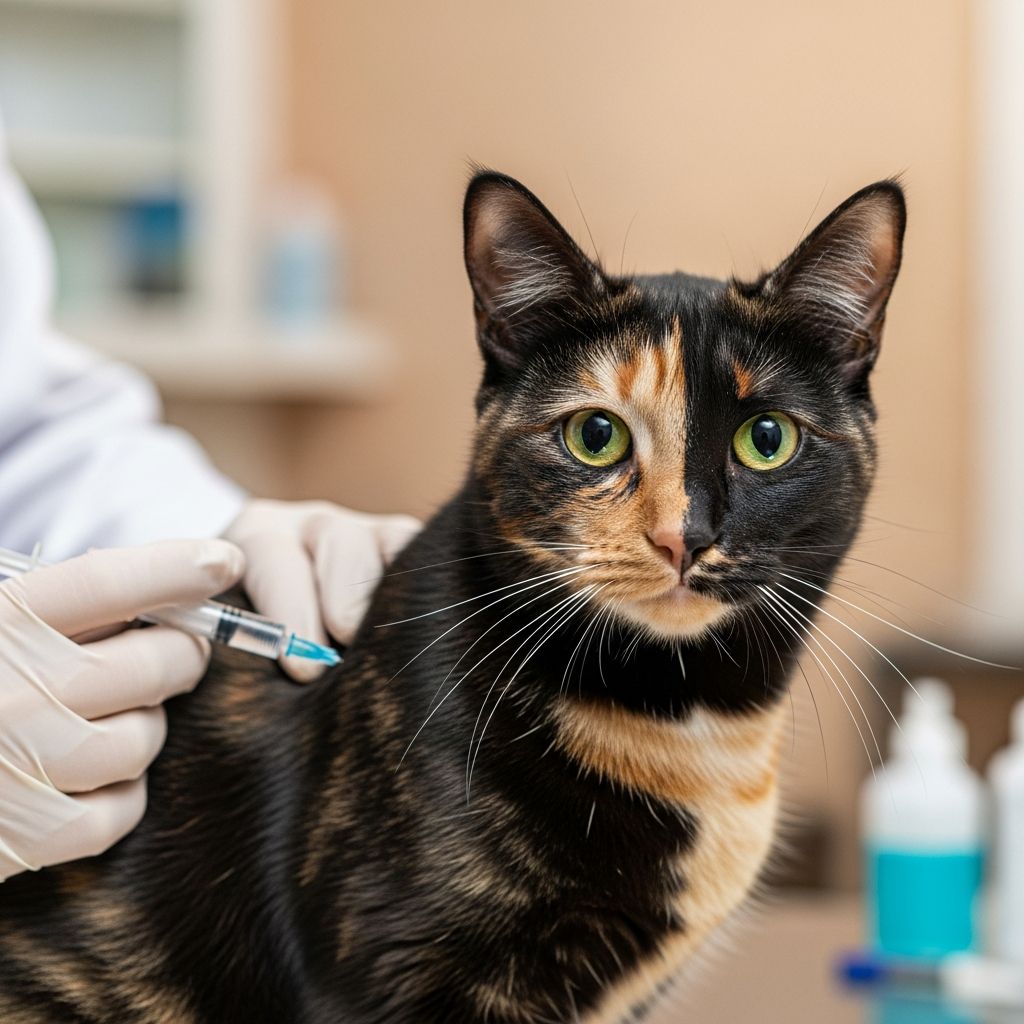
Understanding Feline Leukemia Virus (FeLV)
Feline leukemia virus (FeLV) is one of the most common infectious diseases affecting cats worldwide. Once a cat contracts the virus, it cannot be cured, but keeping a cat current on vaccinations will prevent disease associated with FeLV. This devastating disease impacts the immune system and can lead to serious health complications, making vaccination one of the most critical preventive health measures cat owners can take. Understanding what FeLV is, how it spreads, and how to protect your feline companion through vaccination is essential for responsible pet ownership.
FeLV is a feline-only virus that can cause severe health problems including anemia, immune suppression, and cancer in affected cats. The virus primarily spreads through direct contact with infected cats, saliva, urine, and feces. Unlike some other feline viruses, FeLV can be transmitted through grooming, sharing food bowls, and even through bite wounds sustained during fights.
Why FeLV Vaccination Matters
Vaccination against FeLV is one of the most important steps you can take to protect your cat’s health and longevity. All available FeLV vaccines have been tested and found to be safe and effective when administered as directed. The vaccine works by training your cat’s immune system to recognize and fight off the virus before it can establish infection.
The importance of FeLV vaccination cannot be overstated, particularly for kittens and cats with outdoor exposure. During their vulnerable early months, kittens lack the developed immune systems needed to fight off serious infections naturally. Vaccinating against FeLV during this critical period provides essential protection during their most susceptible years.
Benefits of FeLV Vaccination
FeLV vaccines provide comprehensive protection against a highly contagious and potentially fatal virus. The benefits of vaccination are numerous and well-documented:
- Protects cats from Feline Leukemia Virus, preventing severe health problems such as anemia, immune suppression, and cancer
- Reduces the risk of transmission to other cats in multi-cat households
- Provides peace of mind for cat owners, knowing their pets are protected against a serious disease
- Particularly crucial for cats under one year of age, as it’s considered a core vaccine for young felines
- Highly recommended for outdoor cats or those with potential exposure to infected cats
- Minimizes the risk of contracting the virus for cats in shelters or multi-cat environments
Understanding Vaccine Schedules
Kitten Vaccination Protocol
Kittens are generally vaccinated against FeLV around 8 to 9 weeks of age. This initial vaccination is crucial because kittens are most vulnerable to serious infections during their early months. The vaccination process involves more than a single shot to ensure adequate protection.
A booster vaccination is given 3 to 4 weeks later, according to the vaccine label, followed by boosters each year as long as the risk for exposure remains. This two-dose protocol during the initial vaccination period allows the kitten’s immune system to develop a strong, protective response against FeLV. Some veterinarians may recommend starting vaccinations as early as 6 weeks of age, depending on the specific vaccine and individual kitten circumstances.
Adult Cat Vaccination Recommendations
For adult cats, FeLV vaccination recommendations depend significantly on lifestyle and exposure risk. Cats under one year of age should receive the FeLV vaccine as part of their core vaccinations, given its importance in protecting against Feline Leukemia Virus. The core vaccination series for kittens typically includes vaccines administered around 8 to 12 weeks with a follow-up dose several weeks later to ensure full protection.
Veterinarians recommend annual FeLV vaccinations for outdoor cats or those who might be exposed to infected felines. This proactive step ensures that even if an outdoor cat encounters an infected one, the vaccine will provide a level of protection against this immune-compromising virus. For indoor cats with minimal exposure risk, the vaccination strategy differs, as discussed below.
Vaccination Considerations for Different Lifestyles
Outdoor Cats
Outdoor cats face significantly higher exposure risk to FeLV and require different vaccination considerations than their indoor counterparts. Outdoor cats are at a higher risk of contracting Feline Leukemia Virus (FeLV), making vaccination crucial for their health. Since they have access to outdoor environments, these cats might come into contact with infected animals, increasing their chances of catching FeLV substantially.
All outdoor cats should undergo testing for FeLV before being vaccinated. This pre-vaccination testing is essential because vaccinating an already infected cat will not cure the infection and may complicate disease management. Only those that test negative should receive the vaccine, offering them protection as they explore outside environments where potential exposure to FeLV is high.
Annual boosters are strongly recommended for outdoor cats to maintain immunity levels. Additionally, owners should consider keeping outdoor cats current on other preventive measures, including parasite control and monitoring for signs of illness.
Indoor Cats
Indoor cats face a very low risk of contracting Feline Leukemia Virus (FeLV), making the FeLV vaccination considered as a non-core vaccine for them. Despite their lower risk, all cats less than one year of age are recommended to receive the core vaccines, including FeLV. This recommendation acknowledges that even young indoor cats benefit from this protection during their vulnerable developmental period.
Indoor-only cats have very low exposure risk unless they come into contact with new cats brought into the home who might carry the infection unknowingly. Adult indoor cats with no exposure to potentially infected cats may not need annual FeLV vaccinations. The decision to vaccinate an indoor cat against FeLV should take into account factors such as potential future exposure risks and the overall health status of the cat.
However, cats testing negative for FeLV can be vaccinated to ensure protection in case their living situation changes, exposing them to outdoor environments or new cats whose FeLV status is unknown. Many veterinarians recommend this preventive approach, reasoning that protection is valuable even if the current risk is low.
Special Risk Situations
Cats living in homes with known FeLV-positive pets or in shelters where many cats cohabitate without confirmed FeLV status are at increased risk for exposure. In these situations, vaccination becomes particularly important, and the decision to vaccinate should always be made in consultation with a veterinarian who understands the specific household dynamics.
Clinical Signs and Outcomes of FeLV Exposure
Understanding what happens when cats are exposed to FeLV helps emphasize the importance of vaccination. Infected cats may experience various clinical signs that indicate the virus is compromising their health:
- Loss of appetite and weight
- Pale gums due to anemia
- Lymphoma and leukemia
- Immune response suppression
- Higher risk of infections
These signs result from FeLV’s ability to damage the immune system and cause cancerous changes in cells. The progressive nature of FeLV means that cats may develop increasingly severe complications over time as the virus spreads throughout their body.
Potential Risks and Side Effects of FeLV Vaccines
Common Mild Side Effects
All vaccines, including those for FeLV, carry the potential for side effects. Most reactions are mild and temporary, resolving without veterinary intervention. Cats might experience mild reactions such as soreness at the injection site, fever, and lethargy, which usually resolve without treatment. These minor side effects indicate that the immune system is responding to the vaccine, which is actually a sign the vaccine is working.
Some cats may also experience mild behavioral changes or decreased appetite for a short period following vaccination. These symptoms typically last 24 to 48 hours and resolve completely without intervention.
Rare Serious Adverse Reactions
In rare cases, more serious adverse reactions can occur following FeLV vaccination. This includes the development of fibrosarcomas at the injection site, a type of cancer that necessitates immediate veterinary attention. While vaccine-associated sarcomas (VAS) are rare, their occurrence has prompted veterinarians to carefully consider vaccination protocols and site selection to minimize risk.
To reduce the risk of injection-site sarcomas, modern vaccination practices recommend varying injection sites. Additionally, cats with pre-existing health conditions could be at an increased risk when receiving any vaccinations. It’s crucial for veterinarians to assess each cat’s health and medical history before administering a FeLV vaccine.
Testing and Pre-Vaccination Requirements
Before administering an FeLV vaccine, cats should be tested to determine their FeLV status. Blood tests can often detect FeLV conditions and help identify cats infected with the virus. Current FeLV testing technology (including the SNAP test) can differentiate FeLV-infected cats from FeLV-vaccinated cats.
Testing is particularly important for outdoor cats and any cat with unknown FeLV exposure history. Vaccinating a cat that is already infected with FeLV will not treat the infection and may complicate the cat’s medical management. Additionally, testing new cats entering a household helps protect resident cats from FeLV introduction.
Preventing FeLV Beyond Vaccination
While vaccination is the primary defense against FeLV, comprehensive prevention involves multiple strategies. Protecting your cat from exposure to FeLV involves minimizing exposure to other cats and knowing the FeLV and FIV statuses of all the cats in your home.
Any new kitten or cat being introduced into the home should be examined by a veterinarian as soon as possible and separated from all other household pets for a quarantine period of at least a few weeks. During this time, the new cat should be tested for FeLV and FIV and monitored closely for signs of illness. Any problems should be reported to your veterinarian before introducing the new cat to your other pets.
For cats that are diagnosed as FeLV-positive, most veterinarians recommend keeping FeLV-positive cats indoors, which not only helps protect cats from injuries and other infections but also reduces the likelihood that these cats will transmit FeLV to other cats. This quarantine approach protects both the infected cat and other felines in the community.
Frequently Asked Questions About FeLV Vaccination
Q: Is FeLV vaccination safe for all cats?
A: FeLV vaccines have been tested and found to be safe and effective when administered as directed. However, cats with pre-existing health conditions should be evaluated by a veterinarian before vaccination. Most cats tolerate the vaccine well, experiencing only mild temporary side effects if any.
Q: How often does my indoor cat need FeLV vaccination?
A: Indoor cats with minimal exposure risk are typically vaccinated as kittens and may not require annual boosters in adulthood. However, discuss your specific cat’s lifestyle and risk factors with your veterinarian to determine the most appropriate vaccination schedule.
Q: Can a vaccinated cat contract FeLV?
A: While no vaccine provides 100% protection, FeLV vaccination significantly reduces the risk of infection. Most vaccinated cats that do encounter FeLV will either not become infected or experience a much less severe illness than unvaccinated cats.
Q: What should I do if my cat shows side effects after FeLV vaccination?
A: Mild side effects like soreness at the injection site typically resolve without treatment within 24-48 hours. However, if your cat experiences severe reactions, difficulty breathing, or signs of allergic reaction, contact your veterinarian immediately.
Q: Should outdoor cats be tested before FeLV vaccination?
A: Yes, all outdoor cats and any cat with unknown FeLV exposure history should be tested before vaccination to ensure they are not already infected with the virus.
Working With Your Veterinarian
The best approach to FeLV vaccination is developing a customized protection strategy with your veterinarian who understands your cat’s individual circumstances. Core vaccinations for cats provide essential protection against more common diseases; thus, discussions with a veterinarian can help determine the most appropriate vaccination schedule specifically for indoor felines’ needs and lifestyles.
Your veterinarian can evaluate your cat’s lifestyle, exposure risks, health status, and medical history to recommend the most appropriate vaccination protocol. They can also discuss the relative risks and benefits of vaccination for your specific situation and address any concerns you have about vaccine safety.
Ensuring Your Cat’s Safety With Vaccination
Protecting your cat from the Feline Leukemia Virus requires understanding and action. For outdoor cats or those in multi-cat environments, annual vaccinations against FeLV prove essential to prevent infection. Indoor cats benefit from vaccination too, especially if they’re under one-year-old or there’s any chance they could come into contact with the outdoors or infected felines.
Simple steps like maintaining current vaccinations, testing new cats before introducing them to your household, and discussing your cat’s individual risk factors with your veterinarian can significantly reduce the risk of FeLV for your beloved pet, ensuring their health and longevity. By taking a proactive approach to FeLV prevention through vaccination and other protective measures, you’re giving your cat the best chance for a long, healthy life free from this serious disease.
References
- Feline Leukemia Virus Vaccination Considerations for Indoor Vs Outdoor Cats — Vetcetera. Accessed 2025. https://www.vetcetera.com/3567-2/feline-leukemia-virus-vaccination-considerations-for-indoor-vs-outdoor-cats/
- Feline Leukemia, Feline Immunodeficiency Virus, and Heartworm Testing — Vetstreet. Published 2011-07-04. https://www.vetstreet.com/care/feline-leukemia-feline-immunodeficiency-virus-and-heartworm-testing
- Feline Leukemia Virus (FeLV) Vaccine — Vetstreet. Accessed 2025. https://www.vetstreet.com/care/feline-leukemia-virus-felv-vaccine
- Feline Leukemia and Rabies Vaccine — Vetstreet. Accessed 2025. https://www.vetstreet.com/care/feline-leukemia-and-rabies-vaccine
- Feline Leukemia Virus — Vetstreet. Accessed 2025. https://www.vetstreet.com/cats/feline-leukemia-virus
- Feline Leukemia — Vetstreet. Accessed 2025. https://www.vetstreet.com/care/feline-leukemia
- Cat Vaccine Recommendations — Vetstreet. Accessed 2025. https://www.vetstreet.com/care/cat-vaccine-recommendations
Similar Articles








Read full bio of medha deb




