

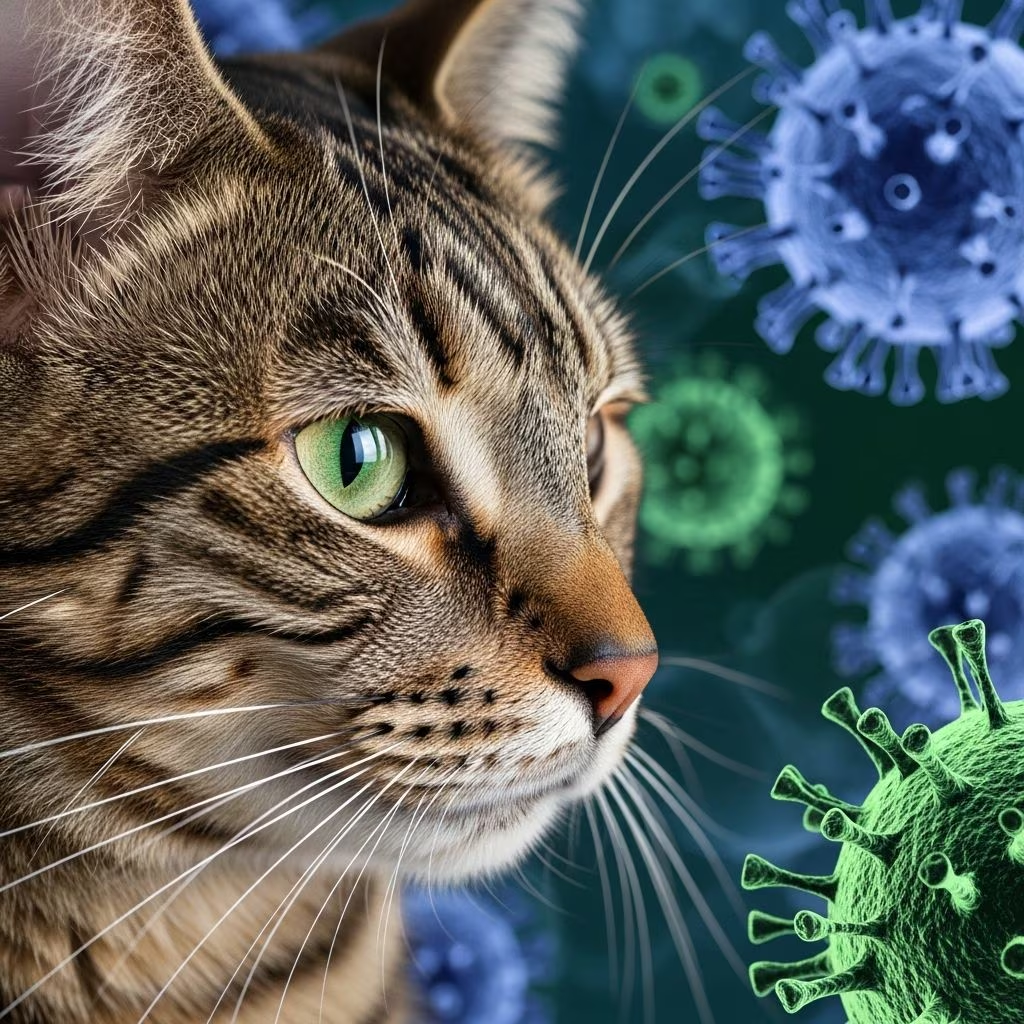
Understanding Feline Leukemia Virus Disease Complex
Feline leukemia virus (FeLV) represents one of the most significant infectious diseases affecting domestic cats worldwide, ranking among the most common causes of disease and mortality in feline populations. Unlike the name suggests, FeLV is not simply a form of leukemia but rather a complex disease that can manifest in numerous ways, affecting multiple organ systems and creating a wide range of clinical complications. Understanding this disease is essential for cat owners who want to protect their pets from this serious viral infection.
FeLV is an enveloped RNA retrovirus that belongs to the genus Gammaretrovirus within the family Retroviridae. The virus has the remarkable ability to integrate its genetic material directly into the DNA of infected cells, fundamentally altering cellular function and potentially triggering malignant transformation. This integration process is what makes FeLV particularly dangerous and difficult for the immune system to eliminate once infection has become established.
What Causes Feline Leukemia Virus?
FeLV is caused by a retrovirus that specifically targets certain cells within the cat’s body, particularly immune system cells and blood-forming cells in the bone marrow. The virus consists of nucleic acid (genetic material) surrounded by a protective protein envelope, making it a fragile microorganism that requires direct contact for transmission between cats.
Three distinct subtypes of FeLV exist: FeLV-A, FeLV-B, and FeLV-C. FeLV-A is present in all infected cats and is the only subtype transmitted between animals. FeLV-B and FeLV-C develop through recombination events within infected cats and are more pathogenic than FeLV-A. FeLV-B may accelerate the development of lymphoma, while FeLV-C is particularly associated with severe anemia due to its interference with heme exporter proteins.
How Is Feline Leukemia Virus Transmitted?
FeLV transmission occurs through direct contact with infected cats or contaminated materials. The primary transmission routes include:
- Saliva — The most significant route, with virus shed in massive quantities in saliva of infected cats
- Urine and feces — Lower quantities of virus can be shed through these routes
- Blood transfusions — Direct transmission through infected blood products
- Bite wounds — Transmission through wounds inflicted during fights between cats
- Shared food and water bowls — Indirect transmission through contaminated surfaces
- Mutual grooming — Transmission between cats that share grooming behaviors
- Mother to kittens — Transmission from infected mother to offspring, particularly during nursing
Cats with progressive FeLV infection actively shed virus and are considered highly infectious. Importantly, age plays a critical role in susceptibility, with kittens under four months of age being significantly more likely to develop progressive infection than adult cats exposed to the virus. In fact, 30-40% of cats exposed to FeLV develop progressive infection, but this percentage increases dramatically in kittens.
Clinical Signs and Symptoms
FeLV manifests through a diverse array of clinical signs that reflect the virus’s ability to affect multiple body systems. Symptoms may appear shortly after infection or develop gradually over time, making early recognition challenging for cat owners.
Common clinical signs include:
- Lethargy and lack of energy
- Poor appetite or weight loss
- Fever and elevated body temperature
- Enlarged lymph nodes (lymphadenopathy)
- Pale gums and mucous membranes (indicating anemia)
- Yellow discoloration of gums, lips, and ears (jaundice)
- Diarrhea and gastrointestinal issues
- Upper respiratory infections and sneezing
- Skin infections and poor coat condition
- Urinary tract infections
- Reproductive abnormalities
In some cases, infected cats may develop systemic signs such as fever, lethargy, and lymphadenopathy during the acute infection phase. Some infected felines show no signs initially, remaining asymptomatic while harboring the virus and potentially transmitting it to other cats.
Types of FeLV Infections
The progression and severity of FeLV infection vary significantly depending on the cat’s immune response and viral characteristics. Veterinarians classify FeLV infections into distinct categories:
Progressive Infection
Progressive infections represent the most severe form of FeLV disease. In progressive infections, cats are unable to mount an effective immune response, leaving the virus unchecked. Viral replication occurs extensively in lymphoid tissues, with the infection extending into the bone marrow, followed by mucosal and glandular epithelial tissues. These cats become persistently and permanently infected with the virus and actively shed viral particles, making them a significant transmission risk to other cats. Approximately 70% of infected cats develop persistent progressive infection. Progressive FeLV infection carries the worst prognosis, with cats at high risk of developing potentially fatal associated diseases.
Regressive Infection
Some cats develop a regressive infection, in which the immune system successfully controls viral replication. These cats may test positive initially but then develop antibodies that suppress the virus to undetectable levels. Although these cats may develop immunity, regressive infections have been implicated in the occurrence of tumors such as lymphoma in the absence of active viremia.
Latent Infection
In latent infection, the virus remains present but dormant, typically localized to bone marrow or lymphoid tissues. These cats may test negative on standard antigen tests but can potentially progress to progressive disease under conditions of stress or immunosuppression.
Complications and Associated Diseases
The true complexity of FeLV emerges in the diverse complications and secondary diseases that develop as a result of infection. The virus creates immunosuppression that leaves cats vulnerable to numerous infections and malignancies.
Lymphoma and Leukemia
Lymphoma represents the most frequently diagnosed malignancy in cats, with FeLV infection dramatically increasing risk. Tumors such as lymphoma and lymphoid leukemia develop in as many as 30% of cats with progressive FeLV infections, and the risk of lymphoma development in cats with progressive infections may be increased up to 60-fold compared to non-infected cats. The most common types of FeLV-associated lymphomas are thymic (mediastinal), multicentric, spinal, renal, or ocular lymphoma, and these are mostly of T-cell origin.
Leukemia is characterized by neoplastic proliferation of blood-forming cells originating in the bone marrow. FeLV-associated lymphoid leukemias are classified as either acute or chronic, with acute lymphocytic leukemia characterized by lymphoblasts circulating in the blood, while chronic lymphocytic leukemias show increased numbers of circulating lymphocytes with mature morphology.
Anemia and Bone Marrow Disorders
FeLV infection commonly results in bone marrow suppression, leading to severe anemia in infected cats. FeLV-C is particularly associated with macrocytic anemia, wherein the virus binds to and interferes with heme exporter proteins, resulting in heme toxicosis to developing erythrocytes. FeLV infection can also lead to aplastic anemia, a deficiency in all cell lineages including platelets, myeloid, and erythroid cells in the bone marrow.
Immunosuppression and Secondary Infections
In many cats, FeLV infection results in moderate to severe suppression of the immune system, rendering infected cats less able to defend themselves against a wide range of infections. Secondary infections commonly include upper respiratory infections, urinary tract infections, skin infections, and various opportunistic pathogens that would normally not cause disease in healthy cats.
Fibrosarcomas
FeLV infection can result in the development of multiple fibrosarcomas in young cats when FeLV-A recombines with cellular oncogenes to form feline sarcoma viruses. These characteristically present as multifocal, locally invasive, often ulcerated cutaneous masses that metastasize readily to the lungs.
Immune-Mediated Diseases
FeLV-infected cats often have low blood concentrations of complement system proteins, contributing to FeLV-associated immunodeficiency and oncogenicity. Under certain conditions, antibody-antigen complexes can form, leading to systemic vasculitis, glomerulonephritis, and polyarthritis.
Diagnosis of Feline Leukemia Virus
Accurate diagnosis of FeLV is essential for determining the appropriate course of action and managing infected cats effectively. Several diagnostic tests are available:
ELISA (Enzyme-Linked Immunosorbent Assay)
The ELISA test detects FeLV p27 antigen in the blood and is commonly used for initial screening. This test is rapid and cost-effective, making it the most frequently employed diagnostic method in veterinary practice.
Immunofluorescence Assay
This test detects FeLV antigen in blood cells and can be particularly useful in identifying infected cells.
PCR (Polymerase Chain Reaction)
PCR testing can detect FeLV proviral DNA and is particularly useful for detecting latent or regressive infections that may not produce detectable antigen levels.
Confirmatory Testing
Positive results should ideally be confirmed with repeat testing or an alternative test method, as false positives can occasionally occur. Kittens under eight weeks of age may retain maternal antibodies, potentially causing false positive results.
Treatment and Management Options
Currently, no cure exists for FeLV infection, making treatment focused on managing symptoms and improving quality of life for infected cats.
Supportive Care
Management includes providing nutritional support, treating secondary infections with appropriate antibiotics, and addressing anemia through blood transfusions when necessary. Pain management and anti-inflammatory medications may help manage discomfort and inflammation.
Antiviral Therapy
Although limited in efficacy, certain antiviral medications may be considered in some cases to help reduce viral replication.
Monitoring and Regular Veterinary Care
Regular veterinary examinations, blood work, and monitoring for development of secondary diseases are essential components of managing FeLV-infected cats. Early detection and treatment of complications can significantly improve quality of life and extend survival time.
Prevention and Vaccination
Prevention represents the most effective strategy against FeLV infection. Several prevention measures can significantly reduce risk:
Vaccination
FeLV vaccines are highly effective at preventing infection in non-exposed cats. Kittens should receive their first vaccine at 8-10 weeks of age, with a booster at 3-4 weeks later, followed by annual or triennial boosters depending on the vaccine type and individual risk factors.
Testing Before Adoption
All new cats should be tested for FeLV before being introduced into a household, particularly if existing cats are present.
Indoor Housing
Keeping cats strictly indoors reduces exposure to infected cats and other infectious diseases.
Isolation of Infected Cats
Infected cats should be housed separately from non-infected cats to prevent transmission. Separate litter boxes, food bowls, and bedding should be maintained.
Frequently Asked Questions About Feline Leukemia Virus
Q: How long can a cat live with FeLV?
A: Life expectancy for FeLV-positive cats varies widely. Cats with progressive infections typically have a shorter lifespan, often ranging from months to a few years. However, with excellent supportive care and management of secondary diseases, some cats may live for several years. Cats with regressive infections may have near-normal lifespans.
Q: Can humans catch feline leukemia from cats?
A: No, FeLV cannot infect humans. This virus is species-specific and only affects cats and certain other felids. There is no risk of human infection from FeLV-positive cats.
Q: Is FeLV contagious to other cats?
A: Yes, FeLV is highly contagious between cats through saliva, urine, and feces. Cats with progressive infections are particularly infectious. Close contact with infected cats significantly increases transmission risk.
Q: Can an indoor cat get FeLV?
A: While indoor cats have lower risk than outdoor cats, they can still contract FeLV through contact with infected cats, contaminated materials brought inside, or if they escape outdoors. Regular testing and vaccination are recommended even for indoor cats.
Q: What should I do if my cat tests positive for FeLV?
A: If your cat tests positive, consult with your veterinarian about confirmatory testing, treatment options, and management strategies. Isolate your cat from other felines, provide supportive care, monitor for secondary infections, and ensure regular veterinary monitoring.
References
- Feline Leukemia Virus Disease — Merck Veterinary Manual. 2024. https://www.merckvetmanual.com/infectious-diseases/feline-leukemia-virus/feline-leukemia-virus-disease
- Feline Leukemia Virus Infection — PubMed Central/NIH. 2024. https://pmc.ncbi.nlm.nih.gov/articles/PMC7152252/
- Feline Leukemia Virus Disease Complex: A Detailed Account — Pearland Animal Hospital. 2024. https://www.pearlandanimalhospital.com/services/cats
- Feline Leukemia Virus — Cornell University College of Veterinary Medicine Feline Health Center. 2024. https://www.vet.cornell.edu/departments/cornell-feline-health-center/health-information/feline-health-topics/feline-leukemia-virus
- ABCD Feline Leukemia Virus Guideline — ABCD (Advisory Board on Cat Diseases). 2021. https://www.abcdcatsvets.org/
- How to Prevent Feline Leukemia in Your Cat — Carey Animal Hospital. 2024. https://careyanimalhospital.com/



