

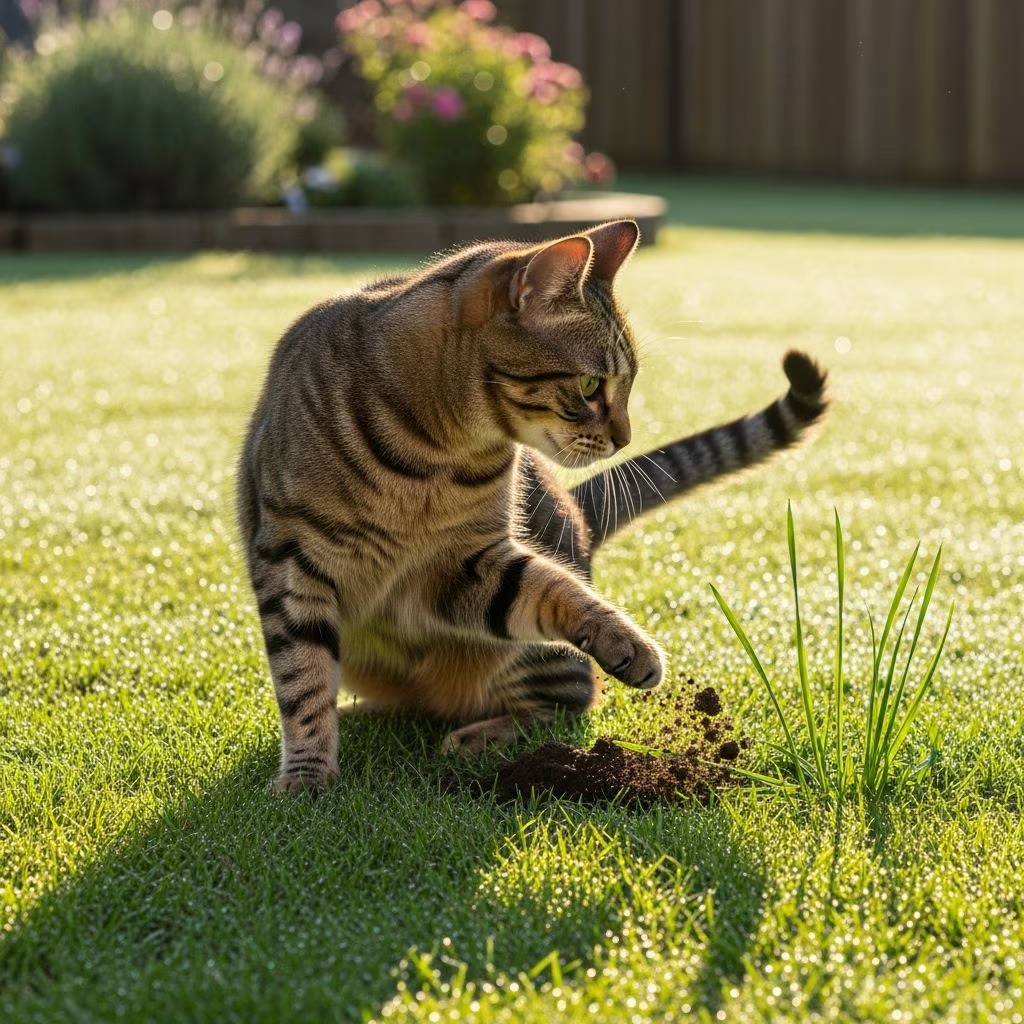
If you’ve discovered unwelcome deposits in your yard, you’re not alone. Many cat owners struggle with their feline companions choosing grass over litter boxes. While frustrating, this behavior usually stems from predictable causes rather than medical emergencies. Understanding why cats select your lawn as their personal restroom can help you address the issue effectively while maintaining a healthy household environment.
The Primary Drivers Behind Outdoor Defecation
Cats that eliminate on grass typically do so for three main reasons: comfort and security, territorial communication, or underlying health changes. Recognizing which motivation applies to your cat enables you to implement targeted solutions that work with feline psychology rather than against it.
Comfort, Safety, and Familiarity
Cats possess surprisingly particular preferences about their bathroom habits. Despite their reputation for flexibility, they seek environments where they feel protected and undisturbed. Your lawn may appeal to your cat because it offers several advantages over indoor facilities. A secluded patch of grass located away from foot traffic provides the privacy that cats instinctively desire during vulnerable moments.
Beyond security concerns, cats develop attachments to specific locations. A particular section of your yard might offer the ideal combination of soft texture, appropriate drainage, and shade. Once cats identify a spot that meets their standards, they return repeatedly, establishing a routine. This habitual use explains why you might notice your cat consistently using the same corner of your garden rather than distributing waste randomly.
The texture of grass itself plays an important role in feline preferences. Many cats find the natural material more satisfying than litter box substrates, particularly if they have prior outdoor experience. The grass provides resistance that allows for effective burying, a deeply ingrained instinctive behavior that affects bathroom location selection.
Territory Marking and Neighborhood Communication
Cats use scent marking as their primary method of establishing and defending territory. While many people recognize spraying—the distinctive behavior where cats deposit urine on vertical surfaces—fewer realize that feces also serve as territorial markers. This biological communication system allows cats to warn other felines about boundary lines without direct confrontation.
When your cat perceives threats to their domain, such as neighboring cats wandering too close or new felines appearing in the area, they intensify their marking behavior. Strategic poop placement on your lawn announces possession and creates a visible, odorous statement to other cats. From your cat’s perspective, this represents essential social communication rather than misbehavior.
This territorial aspect explains why some cats increase lawn defecation during certain seasons or when they notice unfamiliar cats in the neighborhood. The behavior reflects your cat’s natural instinct to defend resources and maintain social boundaries within their perceived territory.
Health Changes Requiring Veterinary Attention
While most lawn toileting involves behavioral rather than medical causes, sudden changes in elimination patterns warrant investigation. Cats that previously used litter boxes exclusively but now avoid them might be experiencing digestive discomfort, infections, or other health concerns. Monitoring your cat’s waste for signs of abnormality provides valuable diagnostic information.
Indicators that suggest health issues include bloody stools, straining during elimination, constipation, or diarrhea. Changes in stool consistency, color, or frequency alongside behavioral shifts suggest underlying problems. Additionally, cats experiencing pain during defecation may avoid their regular litter boxes, seeking alternative locations they associate with less discomfort.
Any significant shift in bathroom habits lasting more than a day warrants professional veterinary evaluation. Conditions ranging from parasitic infections to inflammatory bowel disease can alter elimination patterns, and early diagnosis improves treatment outcomes.
Health and Safety Implications of Cat Waste
Beyond the practical annoyance of yard cleanup, cat feces present genuine health concerns for household members and the environment. Understanding these risks emphasizes the importance of addressing the behavior promptly.
Parasitic and Bacterial Contamination
Cats can transmit several parasites and pathogens through their feces. Toxoplasma gondii represents the most widely recognized concern, particularly for pregnant women and immunocompromised individuals. This parasite becomes infectious in the environment within 1-5 days after fecal shedding, creating a contamination window that requires careful management.
Beyond toxoplasmosis, cat waste may contain roundworms, hookworms, and tapeworms. These parasites pose risks to household members who handle contaminated soil without protection. Additionally, bacterial contamination from pathogens including E. coli and salmonella can occur, particularly if cats access food preparation areas or children play in contaminated zones.
Gardeners face particular vulnerability since vegetable gardening requires close soil contact. Unwashed produce from contaminated soil can transmit parasites and bacteria to consumers. Even ornamental gardens require careful management to prevent accidental pathogen exposure during landscaping activities.
Environmental Impact and Pollution
Cat feces contribute to environmental degradation through a process called leaching. Nitrogen and phosphorus present in fecal matter wash into nearby waterways through rainfall and soil drainage. This nutrient runoff can trigger algal blooms in streams and ponds, disrupting aquatic ecosystems and creating conditions harmful to fish and other water-dependent wildlife.
The environmental concern extends beyond your property line, making your yard’s contamination a broader ecological issue. Even small amounts of waste, when multiplied across neighborhoods with many outdoor cats, create measurable pollution in local water systems.
Secondary Pet Health Risks
Dog owners with feline housemates face an additional challenge: many dogs engage in coprophagy, consuming fecal matter they encounter. Dogs rolling in or consuming cat poop can become parasitized or experience bacterial infections. This behavior, rooted in ancient canine instincts to mask their presence while hunting, persists despite domestication and creates cross-contamination between pets.
Developing Effective Management Strategies
Addressing lawn toileting requires a multifaceted approach combining environmental modification with behavioral redirection. Success depends on understanding your specific cat’s preferences and implementing solutions that appeal to their natural instincts.
Creating Attractive Alternative Facilities
The most effective strategy involves making a new location more appealing than your cat’s current preferred spot. Since most cats strongly prefer sand or fine soil for elimination, dedicating a small yard area as a designated toilet zone exploits this natural preference.
Design your cat latrine by creating a sheltered, slightly elevated area filled with fine sand, sand-soil mixture, or specialized cat litter designed for outdoor use. Position this facility in a quiet location away from main pathways and visual traffic. The shelter can be as simple as a three-sided wooden structure or commercially available outdoor litter box enclosure.
Simultaneously, make the previous problem area less desirable through deterrents. Physical barriers like chicken wire laid flat on the soil or plastic grid matting create uncomfortable surfaces that discourage digging. Chemical repellents and motion-activated sprinklers also effectively discourage feline visitors.
Installing Outdoor Litter Facilities
For cats with established outdoor bathroom habits, placing a traditional litter box in your yard can redirect behavior while maintaining outdoor access. Position the box in a location similar to where your cat currently eliminates, gradually moving it toward your preferred location over several weeks if needed.
Successful outdoor boxes require consistent maintenance. Daily scooping removes waste quickly, reducing environmental contamination and maintaining sanitary conditions. Weather-resistant covered boxes protect litter from rain while providing the shelter cats prefer.
Habitat Modification Approaches
Beyond targeted interventions, modifying your yard’s overall landscape can reduce its appeal as a toilet. Dense plantings create less comfortable digging areas, while prickly plants discourage the behavior. Reducing sunny, secluded areas also limits the comfortable spots cats seek for their private moments.
Some cat owners successfully prevent lawn use through consistent supervision and redirect cats indoors during typical elimination times. This requires understanding your cat’s schedule and being present to intervene when elimination attempts occur outside designated areas.
Practical Prevention and Hygiene Protocols
Regardless of which management strategy you implement, establishing protective habits minimizes health risks associated with cat waste exposure.
- Wear protective gloves when handling potentially contaminated soil or cleaning litter boxes
- Wash hands thoroughly after gardening, yard work, or litter box maintenance
- Maintain daily litter box cleaning to reduce oocyst environmental accumulation
- Keep immunocompromised family members and pregnant women away from cat waste areas
- Thoroughly wash homegrown vegetables before consumption
- Clean shoes or footwear after spending time in areas where cats eliminate
- Store contaminated materials separately to prevent household cross-contamination
Frequently Asked Questions
Is cat poop on my lawn an emergency requiring immediate veterinary care?
Most lawn toileting reflects normal behavioral patterns requiring management rather than medical intervention. However, sudden changes accompanied by abnormal stool appearance, straining, or other digestive symptoms warrant veterinary evaluation within 24 hours.
Can I train my cat to stop using the lawn as a toilet?
Training typically involves environmental management and creating more appealing alternatives rather than punishment-based approaches. Punishment reinforces avoidance of litter boxes without addressing underlying motivations. Most cats redirect their behavior when presented with superior options meeting their physical and psychological needs.
How long does it take for toxoplasma oocysts to become dangerous?
Oocysts require 1-5 days in the environment before becoming infectious to humans. Daily removal of waste and prompt environmental cleanup significantly reduce transmission risk. This timeline emphasizes the importance of regular litter box maintenance and yard waste collection.
Will neutering or spaying reduce territorial marking behavior?
Spaying and neutering can reduce marking behaviors, though they may not completely eliminate territorial toileting, particularly in cats with established outdoor access. Individual responses vary based on age at sterilization and prior behavioral patterns.
Long-Term Considerations and Success Factors
Successfully addressing lawn toileting requires patience and consistency. Cats accustomed to outdoor elimination may require weeks to adjust to alternative facilities. Monitor progress without expecting immediate complete behavior modification, as ingrained patterns take time to change.
Environmental factors including weather, seasonal changes, and neighborhood cat activity influence ongoing behavior. Strategies that work perfectly during quiet seasons may require adjustment when territorial challenges increase. Remaining flexible and responsive to your cat’s changing needs increases long-term success rates.
Combining behavioral management with preventive health measures protects both your household and your community. Regular veterinary checkups ensure that any elimination pattern changes reflect behavioral rather than medical causes, allowing appropriate intervention strategies. With understanding and consistent management, most cat owners successfully transition their feline companions to more appropriate toilet locations while maintaining family health and yard enjoyment.
References
- Why Do Cats Poop on Grass? 3 Vet-Reviewed Reasons & How to Help — Catster. 2024. https://www.catster.com/cat-behavior/reasons-why-cats-poop-on-grass/
- Cats, Turds and Birds — University of Saskatchewan Gardening. https://gardening.usask.ca/articles-and-lists/articles-animals/cats,-turds-and-birds.php
- 10 Reasons You Should Never Leave Cat Poop in Your Yard — A-Z Animals. https://a-z-animals.com/blog/reasons-you-should-never-leave-cat-poop-in-your-yard/
- Inappropriate Elimination — Newport Veterinary Hospital. https://www.newportvethospital.com/inappropriate-elimination



