

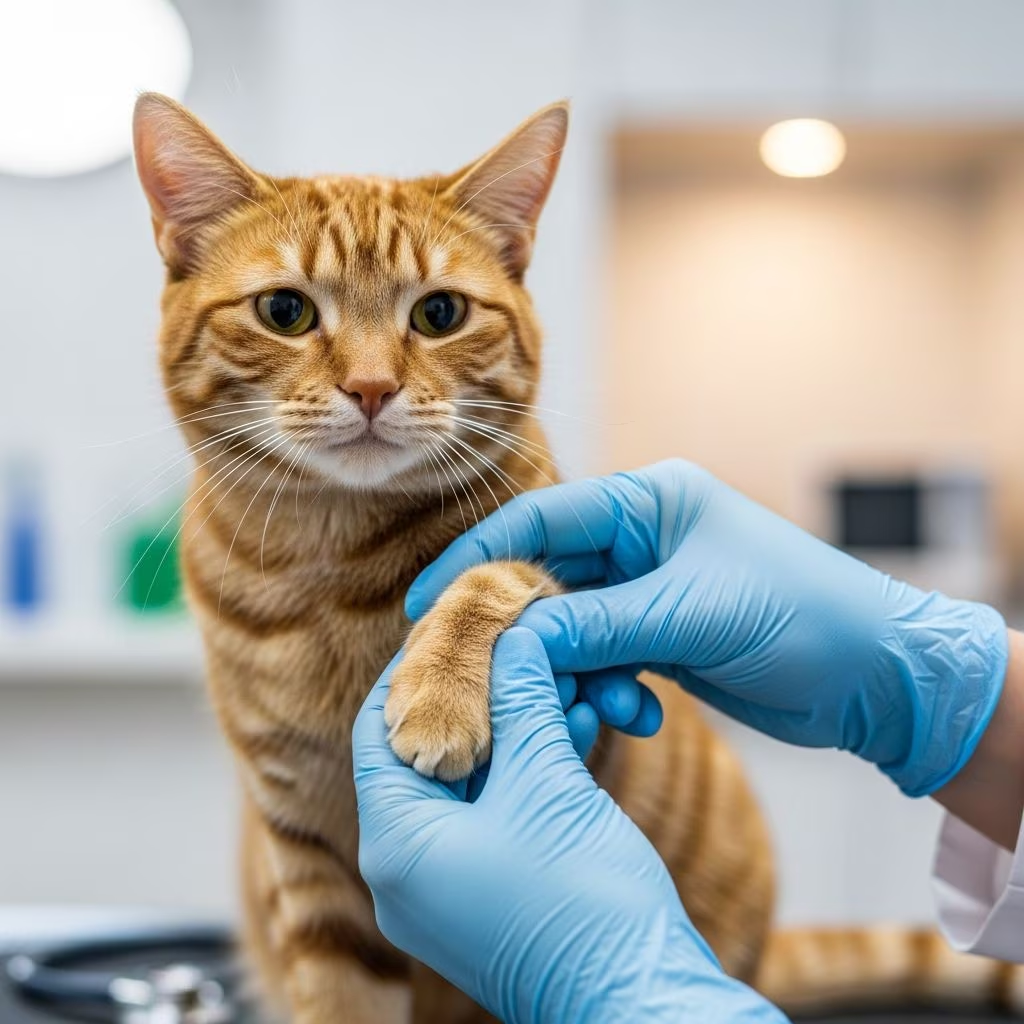
Arthritis affects a significant number of cats, particularly as they age, leading to discomfort and reduced mobility that can diminish their quality of life. This condition involves joint inflammation and degeneration, often progressing silently until noticeable changes appear.
Understanding the Impact of Arthritis on Cats
Cats are masters at concealing pain, making arthritis a stealthy foe that many owners overlook until advanced stages. Unlike dogs, felines rarely whine or limp obviously; instead, they adapt by avoiding painful movements, which can lead to muscle loss and further complications. Early recognition is crucial for implementing interventions that preserve joint function and overall well-being.
Key Indicators of Joint Discomfort in Felines
Observing subtle behavioral shifts can reveal arthritis before it severely hampers your cat’s life. Common signs include:
- Difficulty jumping onto furniture or counters, often hesitating or failing attempts.
- Altered gait, such as a stiff walk or reluctance to run and play.
- Reduced grooming, resulting in a unkempt coat due to pain when bending or twisting.
- Overgrooming specific areas near sore joints, sometimes causing hair loss or skin irritation.
- Litter box avoidance because of high sides or pain during squatting.
- Personality changes, like increased irritability, withdrawal, or sleeping more during the day.
- Weight fluctuations, either loss from reduced appetite or gain from inactivity.
These symptoms often intensify after rest or in cooler weather, prompting cats to seek warmer spots.
Root Causes Behind Feline Arthritis
Multiple factors contribute to joint degeneration in cats. The primary culprit is osteoarthritis, stemming from cartilage breakdown over time.
| Cause | Description | Risk Factors |
|---|---|---|
| Aging/Wear and Tear | Cartilage thins and loses lubrication, causing bones to rub together. | Senior cats over 10 years. |
| Obesity | Excess weight stresses joints; fat tissue promotes inflammation. | Overweight cats. |
| Injuries/Trauma | Fractures, sprains, or dislocations alter joint alignment. | Active or accident-prone cats. |
| Genetics/Breeds | Certain breeds prone due to hip dysplasia or cartilage issues. | Maine Coon, Siamese, Persian, Scottish Fold. |
| Developmental Issues | Congenital malformations like patellar luxation. | Hereditary conditions. |
Other contributors include infections, immune disorders, or spinal abnormalities that indirectly burden joints.
Diagnosis: Confirming Arthritis in Your Cat
Veterinarians diagnose feline arthritis through a combination of history, physical exams, and imaging. Expect:
- A thorough orthopedic exam to assess joint range, swelling, and pain responses.
- X-rays to visualize cartilage loss, bone spurs, or narrowing joint spaces.
- Blood tests to rule out infections or metabolic diseases mimicking arthritis.
- Occasionally, joint fluid analysis for inflammation markers.
Early diagnosis via regular senior wellness checks can prevent progression.
Comprehensive Treatment Approaches
Managing cat arthritis requires a multimodal strategy tailored to your pet’s needs, focusing on pain relief, inflammation reduction, and mobility support.
Pharmacological Interventions
- NSAIDs: First-line anti-inflammatories like meloxicam reduce swelling and pain; vet-prescribed only due to feline sensitivity.
- Pain Relievers: Gabapentin for nerve pain or amantadine to block pain signals.
- Monoclonal Antibodies: Solensia injections monthly target pain pathways without daily pills.
- Injectables: Glycosaminoglycans lubricate and protect joints.
Nutritional and Supplemental Support
Diets rich in omega-3s, glucosamine, and chondroitin bolster cartilage. Prescription foods aid weight control and joint health[10]. Supplements should be vet-approved to avoid inefficacy.
Advanced and Alternative Therapies
- Laser therapy (photobiomodulation) penetrates fur to ease inflammation painlessly.
- Acupuncture stimulates pain-relieving points.
- Physical rehab: Exercises, massage, underwater treadmill for strength without strain.
- Stem cell therapy: Emerging option harvesting cat’s fat for anti-inflammatory effects.
Surgery is rare, reserved for severe dislocations.
Optimizing Your Home for Arthritic Cats
Environmental tweaks make daily life easier:
- Low-sided litter boxes or ramps to high beds.
- Elevated food/water bowls to minimize neck strain.
- Non-slip mats, carpeted stairs, and soft orthopedic bedding.
- Warm spots like heated pads (supervised) for stiff joints.
Encourage gentle play with toys on the ground to maintain muscle without jumping.
Preventive Measures for Lifelong Joint Health
Proactive steps delay onset:
- Maintain ideal weight through portion control and activity.
- Provide joint supplements from middle age.
- Regular vet visits for breed-specific screenings.
- Avoid high-impact play in kittens to prevent injuries[10].
Frequently Asked Questions (FAQs)
Can arthritis be cured in cats?
No, but it can be effectively managed to minimize pain and maintain mobility.
Is over-the-counter pain meds safe for cats?
Absolutely not; human drugs like ibuprofen are toxic. Always consult a vet.
How often should I take my senior cat for check-ups?
Every 6 months to catch issues early.
Does obesity really worsen cat arthritis?
Yes, extra weight accelerates joint wear and inflammation.
Are there breed-specific arthritis risks?
Yes, larger breeds like Maine Coons are more susceptible.
Long-Term Outlook and Quality of Life
With consistent care, most arthritic cats enjoy active lives into their teens. Monitor progress and adjust plans with your vet. Owner vigilance transforms a painful condition into a manageable one, ensuring purring contentment persists.
References
- Arthritis in Cats: Signs, Causes, and Treatment Options — Your Rye Hill Vet. 2023. https://yourryehillvet.com/blog/arthritis-in-cats-signs-causes-and-treatment-options
- Feline Arthritis Do’s and Don’ts — Fairfax Vet. 2024. https://fairfaxvet.com/feline-arthritis-dos-and-donts/
- Cat Arthritis Symptoms, Pain Relief, Treatments, and Types — WebMD. 2025-02-10. https://www.webmd.com/pets/cats/cat-arthritis-symptoms-pain-relief
- Fe-line Stiff and Sore: How to Manage Your Cat’s Arthritis — The Gentle Vet NJ. 2024. https://thegentlevetnj.com/fe-line-stiff-and-sore-how-to-manage-your-cats-arthritis/
- Arthritis in Cats — VCA Animal Hospitals. 2025. https://vcahospitals.com/know-your-pet/arthritis-in-cats
- Osteoarthritis in Cats: More Common Than You Think — FDA. 2023-11-15. https://www.fda.gov/animal-veterinary/animal-health-literacy/osteoarthritis-cats-more-common-you-think



