

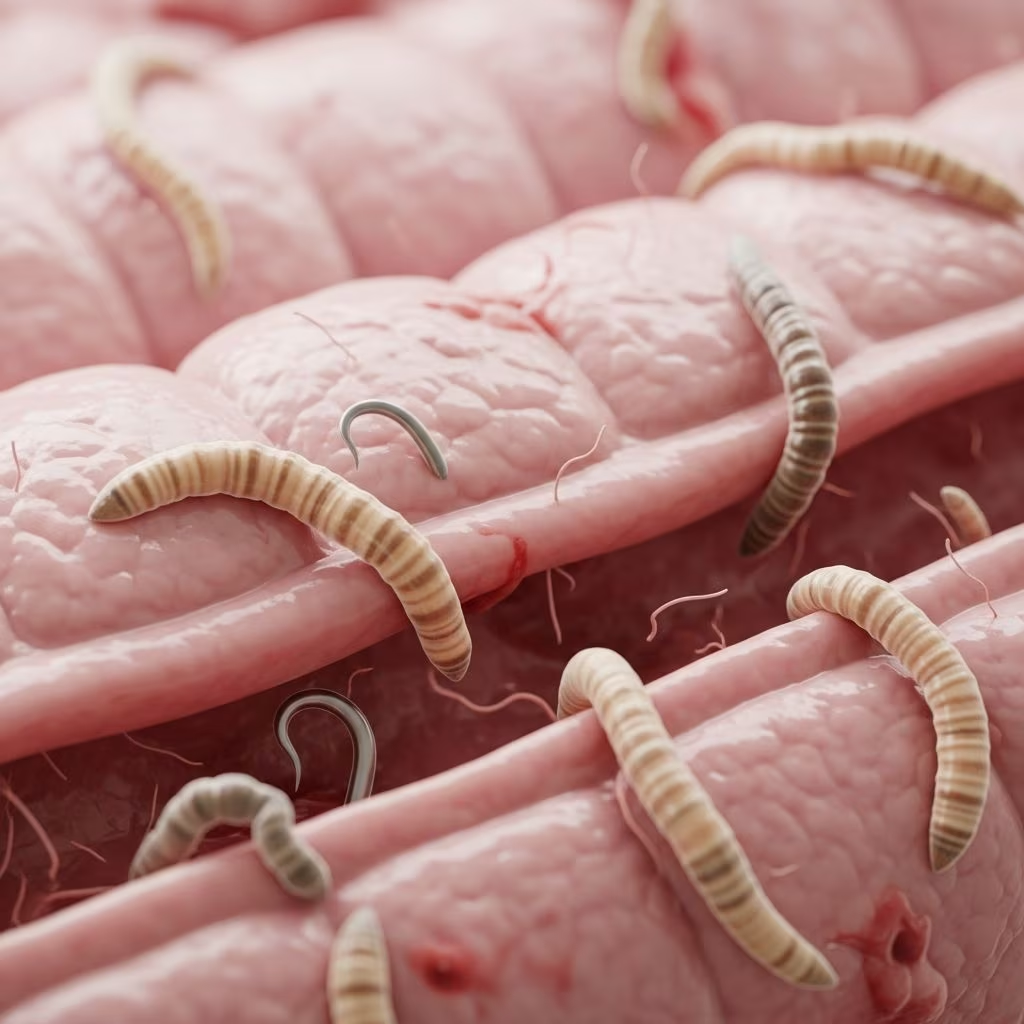
Intestinal parasites, commonly known as worms, represent a frequent health challenge for cats, particularly affecting kittens and outdoor explorers. These invaders can lead to discomfort, nutritional deficits, and severe complications if overlooked. Early recognition of signs, prompt veterinary intervention, and consistent preventive measures form the cornerstone of effective management.
Prevalent Types of Worms Infesting Cats
Cats encounter several worm varieties, each with distinct life cycles and impacts. Roundworms, resembling spaghetti strands, thrive in the small intestine and pose risks especially to young felines via maternal transmission. Hookworms latch onto intestinal walls, drawing blood and inducing anemia. Tapeworms, segmented and flat, often stem from flea ingestion, appearing as rice-like pieces near the anus. Less common are whipworms, causing chronic inflammation, and protozoan parasites like coccidia and giardia, which provoke diarrhea despite not being true worms.
- Roundworms (Toxocara cati): Most widespread, transmissible through milk or feces.
- Hookworms (Ancylostoma spp.): Blood-feeding parasites leading to weakness.
- Tapeworms (Dipylidium caninum, Taenia spp.): Visible segments in stool or fur.
- Whipworms (Trichuris spp.): Rare in cats but damaging to gut lining.
Recognizing Warning Signs in Your Cat
Symptoms vary by worm type, infestation severity, and cat age, often subtle in adults but dramatic in kittens. A pot-bellied appearance signals heavy roundworm loads. Digestive disturbances dominate: diarrhea (possibly bloody or mucous-filled), vomiting, and constipation alternate. Cats may exhibit scooting due to anal irritation from tapeworms, alongside weight loss despite normal eating, dull coat, lethargy, and coughing from larval migration.
| Symptom | Associated Worms | Severity Level |
|---|---|---|
| Diarrhea/Bloody Stool | Hookworms, Coccidia | High |
| Vomiting | Roundworms, Stomach Worms | Moderate |
| Weight Loss/Poor Coat | All Types | Moderate-High |
| Pot-Bellied Abdomen | Roundworms | High in Kittens |
| Scooting/Anal Irritation | Tapeworms | Low-Moderate |
| Anemia/Pale Gums | Hookworms | High |
Some infections remain asymptomatic, heightening transmission risks to humans or other pets, particularly immunocompromised individuals[10].
Transmission Routes and Risk Amplifiers
Cats acquire worms via multiple pathways: ingesting contaminated soil, prey, or feces; flea bites for tapeworms; or vertical transmission from queen to kittens through placenta or milk. Outdoor cats, hunters, and those in multi-pet homes face elevated exposure. Fleas act as vital intermediaries, underscoring integrated pest management. Kittens under six months and seniors are most vulnerable due to immature or waning immunity.
Veterinary Diagnosis Procedures
Suspected cases warrant fecal flotation tests to detect eggs, as adults are rarely visible except tapeworm segments. Multiple samples may be needed for intermittent shedders. Bloodwork assesses anemia, while imaging rules out blockages. PCR tests pinpoint protozoa like giardia.
Effective Treatment Approaches
Dewormers target specific parasites: pyrantel pamoate for roundworms/hookworms, praziquantel for tapeworms. Broad-spectrum options like fenbendazole (Panacur) or combination products (Drontal) address multiples. Follow-up doses account for larval stages, typically 2-3 weeks apart. Severe hookworm anemia may necessitate fluids, transfusions, or hospitalization. Probiotics support gut recovery post-treatment.
- Oral Dewormers: Safe, precise dosing by weight.
- Topical/Injectables: Revolution or similar for convenience.
- Supportive Therapy: Nutrition, hydration for debilitated cats.
Treatment success requires retesting feces 2-4 weeks later to confirm clearance.
Prevention Blueprint for Lifelong Protection
Monthly preventives like Revolution or Trifexis eliminate worms and fleas simultaneously. Kittens need deworming at 2, 4, 6, and 8 weeks, then quarterly. Adults receive biannual or annual treatments based on lifestyle. Rigorous hygiene—daily litter scooping, flea control, rodent-proofing—curbs reinfestation. Routine vet exams with fecal checks ensure vigilance.
| Age/Lifestyle | Deworming Schedule | Additional Measures |
|---|---|---|
| Kittens <6 months | Every 2 weeks until 8 weeks, then monthly | Flea prevention from 8 weeks |
| Indoor Adults | Every 3-6 months | Annual fecal exam |
| Outdoor/Hunting Cats | Monthly | Flea control, prey restriction |
Special Focus: Vulnerabilities in Kittens
Kittens suffer most intensely, with worms stunting growth, causing failure to thrive, and intestinal obstructions in extreme cases. Maternal transmission is inevitable without pre-partum deworming. Visible worms in vomit/stool demand immediate action to avert pneumonia from migrating larvae.
Risks to Human Households
While rare, roundworm eggs pose zoonotic threats, especially to children via contaminated sandboxes. Hookworm larvae may penetrate skin. Handwashing post-litter handling and prompt treatment mitigate dangers[10].
Frequently Asked Questions (FAQs)
Can indoor cats get worms?
Yes, via fleas, contaminated food, or prior exposure. Prevention remains essential.
How often should I deworm my cat?
Depends on age and risk: monthly for high-risk, quarterly for low-risk.
Are over-the-counter dewormers safe?
Not always; vet-prescribed match parasite type and weight accurately.
What if my cat shows no symptoms?
Asymptomatic carriers spread worms; regular fecal tests detect them.
Can worms cause death in cats?
Rarely, but severe anemia or blockages can be fatal without intervention.
Long-Term Wellness Strategies
Beyond deworming, balanced nutrition bolsters immunity. Monitor for recurrence through weight tracking and stool observation. Educate multi-pet owners on cross-transmission. Annual wellness visits integrate parasite screening with vaccinations, ensuring comprehensive care.
By staying proactive, cat guardians safeguard against these pervasive threats, fostering vibrant health.
References
- Worms in Cats – PetMD — PetMD. 2023. https://www.petmd.com/cat/conditions/infectious-parasitic/worms-cats
- Worms (Internal Parasites) in Cats: Everything You Need to Know — Long Beach Animal Hospital. 2023. https://lbah.com/feline/internal-parasites-in-cats/
- Worms in Cats: Symptoms, Treatment, and More — Zoetis Petcare. 2023. https://www.zoetispetcare.com/blog/article/worms-in-cats
- Everything You Need to Know About Worms in Cats — Small Door Veterinary. 2023. https://www.smalldoorvet.com/learning-center/medical/worms-in-cats
- Worms in Kittens: Symptoms & Treatment — Port City Veterinary. 2023. https://www.portcityvet.com/blog/worms-in-kittens-symptoms-treatment
- Gastrointestinal Parasites of Cats — Cornell University College of Veterinary Medicine. 2023. https://www.vet.cornell.edu/departments-centers-and-institutes/cornell-feline-health-center/health-information/feline-health-topics/gastrointestinal-parasites-cats



