Therapeutic Temperature Management for Feline Injuries
Master temperature-based recovery strategies to accelerate your cat's healing journey
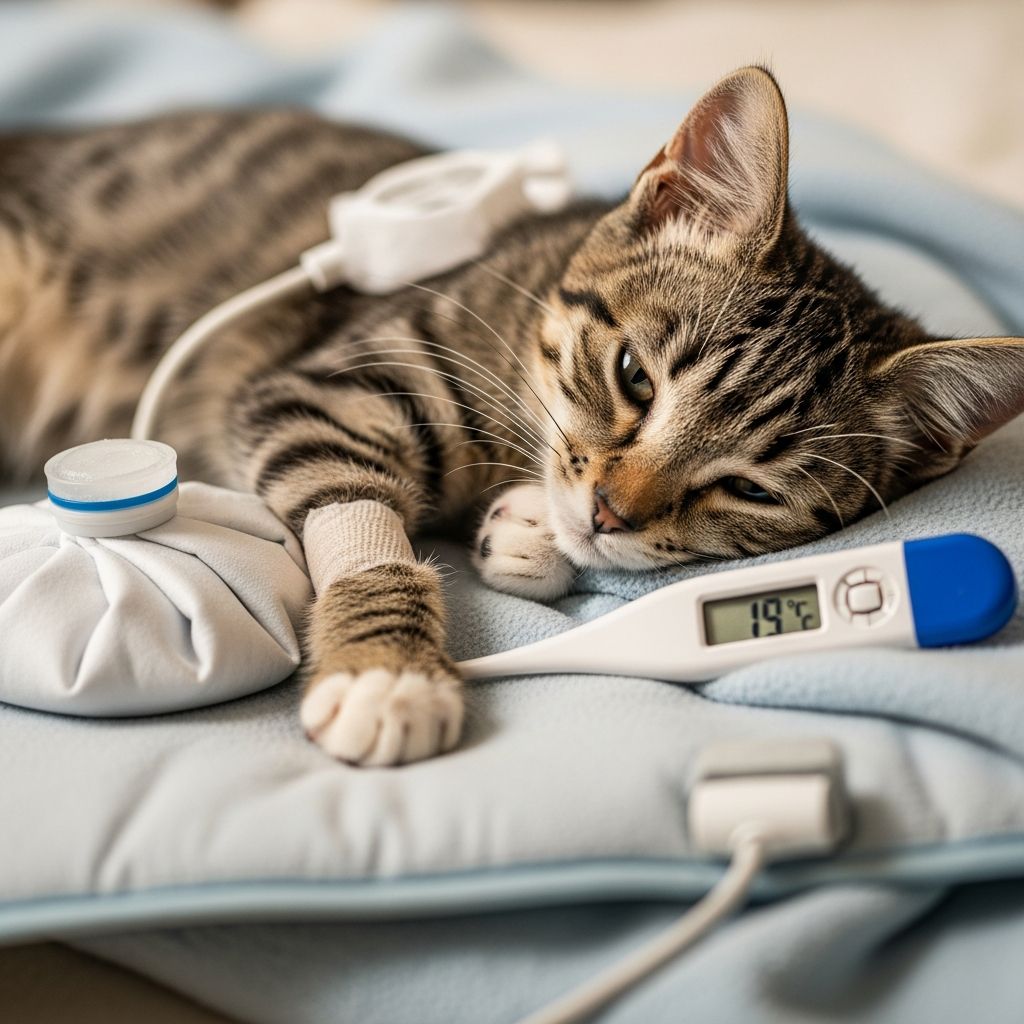
Therapeutic Temperature Management for Feline Injuries: A Comprehensive Recovery Guide
When your beloved feline companion sustains an injury, understanding how to support their recovery becomes paramount. Beyond conventional veterinary care, temperature-based therapies represent powerful tools that veterinarians and rehabilitation specialists utilize to accelerate healing and manage pain. These non-invasive approaches work synergistically with your cat’s natural physiological responses to trauma, offering relief without pharmaceutical intervention. Whether your cat has experienced a soft tissue strain, orthopedic injury, or minor trauma, knowing when and how to apply cold or heat therapy can significantly influence recovery trajectory.
Understanding the Physiology of Injury Response in Cats
Feline injuries trigger a cascade of biological events that unfold across predictable timelines. The acute phase, typically spanning the first 72 hours following trauma, involves the body’s inflammatory response—a protective mechanism designed to prevent infection and initiate repair processes. During this critical window, inflammation manifests as swelling, warmth, and discomfort at the injury site. Understanding this natural progression helps determine which therapeutic approach serves your cat’s recovery most effectively.
The inflammatory phase gives way to a subacute stage occurring around days 3 to 5 post-injury, during which the body transitions from acute responses toward constructive healing. Finally, the chronic or remodeling phase begins as healing accelerates and tissue strengthens. Each phase benefits from distinct therapeutic interventions, making timing fundamental to successful recovery management.
The Role of Cold Therapy in Acute Injury Management
Cold therapy, scientifically termed cryotherapy, serves as the primary intervention during the immediate post-injury period. When applied appropriately, cold constricts blood vessels at the injury site through a process called vasoconstriction, which reduces blood flow to the affected area. This physiological response delivers multiple therapeutic benefits that address the immediate consequences of trauma.
Primary benefits of cold therapy include:
- Decreased inflammation and edema (swelling) by limiting fluid accumulation in damaged tissues
- Numbing sensation through reduced nerve activity, providing pain relief
- Prevention of progressive tissue damage by slowing metabolic demands
- Reduced muscle spasm through relaxation of surrounding musculature
For cats recovering from acute injuries such as sprains, strains, or blunt force trauma, cold therapy should commence as soon as possible after the incident occurs. Research on feline rehabilitation demonstrates that applying cold therapy for 10 to 15 minutes every 4 hours during the first few days optimizes these benefits. This timeframe allows sufficient duration for therapeutic effects while preventing tissue damage from excessive cold exposure, which can paradoxically harm healthy tissues.
The window for cold therapy effectiveness typically extends through the first 3 to 5 days post-injury, after which diminishing returns occur as acute inflammation naturally resolves. Extending cold therapy beyond this period may interfere with the healing processes that require inflammatory responses to progress normally.
Transitioning to Heat Therapy for Subacute and Chronic Phases
As the injury enters the subacute phase around day 3 to 5, heat therapy becomes increasingly valuable and appropriate. Heat works through opposite mechanisms to cold therapy, promoting vasodilation—the widening of blood vessels—which increases circulation to the injury site. Enhanced blood flow delivers oxygen-rich nutrients essential for tissue repair while removing metabolic byproducts that contribute to stiffness and discomfort.
Heat therapy delivers therapeutic advantages including:
- Increased blood circulation supplying healing tissues with nutrients and oxygen
- Muscle relaxation and reduction of painful muscle spasms
- Improved tissue elasticity and flexibility
- Acceleration of the healing and remodeling processes
- Pain relief through multiple mechanisms including muscle relaxation
Veterinary rehabilitation specialists recommend applying heat therapy for 10 to 20 minutes once active inflammation has subsided. This extended duration compared to cold therapy reflects heat’s role in supporting constructive healing rather than managing acute inflammation. Heat therapy proves particularly effective when combined with gentle movement and passive range-of-motion exercises that mobilize healing tissues without imposing excessive stress.
Managing Soft Tissue Trauma: Cold Therapy Protocols
Soft tissue injuries—encompassing muscle strains, bruising, and ligamentous damage—respond particularly well to structured cold therapy protocols. The initial management approach emphasizes immobilization combined with cold application to minimize additional damage and control inflammatory responses. When your cat experiences muscle injury or bruising, creating a recovery environment with comfortable bedding and restricted activity becomes essential, as it prevents exacerbation of the underlying damage.
For uncomplicated soft tissue trauma, cold therapy forms the cornerstone of first-line treatment during the acute phase. Applying cold compresses for the recommended 10 to 15 minutes every 4 hours can be achieved using gel packs, ice wrapped in cloth, or specialized cooling devices designed for veterinary use. Importantly, direct ice application to skin should be avoided, as it can cause tissue damage; always provide a barrier between ice and your cat’s skin.
Once acute inflammation has resolved between days 3 and 5, transitioning to heat therapy supports continued recovery. Heat application during this phase promotes pain relief and facilitates tissue healing while your cat’s body has progressed beyond the critical acute inflammatory stage. This sequential approach—cold followed by heat—represents the evidence-based standard for managing uncomplicated soft tissue injuries.
Orthopedic Injuries and Fracture Management
Orthopedic injuries, including fractures and severe sprains, demand more sophisticated temperature management strategies integrated with immobilization and professional veterinary care. Immediately following orthopedic injury, cold therapy serves as the initial intervention to control inflammation and swelling that could compromise circulation or tissue viability. The first few days of cold therapy application, combined with complete immobilization, establishes optimal conditions for bone and soft tissue healing.
Veterinary rehabilitation protocols recommend utilizing passive range-of-motion exercises alongside cold therapy during the initial post-injury period. These gentle movements, involving 10 to 20 repetitions of moving relevant joints through their normal motion paths, prevent stiffness and maintain circulation without imposing weight-bearing stress on healing structures. Combined with brief massage (2 to 3 minutes) to surrounding musculature, this multimodal approach addresses inflammation, pain, and potential complications.
After the first 3 to 5 days, heat therapy becomes appropriate as swelling subsides and the body transitions toward repair. Heat combined with gentle massage (2 to 3 minutes duration) and gradually increasing land-based exercise supports healing progression. For cats whose wounds have sealed completely, water-based exercise may eventually become possible, offering low-impact conditioning during later recovery stages.
Application Techniques and Safety Considerations
Proper technique determines whether temperature therapy provides maximum benefit or inadvertently causes harm. When applying cold therapy, never place ice directly against your cat’s skin, as this can cause frostbite or tissue damage. Instead, wrap ice packs or gel packs in a thin cloth or use specialized cold therapy devices designed for pet application. The barrier allows cold penetration sufficient for therapeutic effect while protecting skin integrity.
Heat therapy application similarly requires protective barriers to prevent burns. Heat packs, warm compresses, or therapeutic heating devices should be wrapped in towels or placed with protective covering between the heat source and your cat’s skin. Never use heat sources exceeding body temperature (approximately 101-102°F in cats), as excessive heat can cause burns or exacerbate inflammation if applied inappropriately during the acute phase.
Key safety guidelines include:
- Never apply ice or heat directly to exposed skin without protective barriers
- Limit each application session to the recommended 10-20 minute duration
- Monitor your cat’s comfort and discontinue if signs of distress appear
- Ensure your cat cannot lick, chew, or overheat from therapy devices
- Do not apply heat therapy during acute inflammatory phases (first 3-5 days)
- Consult your veterinarian before beginning temperature therapy, especially for serious injuries
Complementary Therapeutic Approaches
Temperature therapy achieves maximum effectiveness when integrated with other evidence-based rehabilitation modalities. Professional veterinary physiotherapy encompasses passive movements, massage techniques, and graduated exercise protocols that accelerate healing when combined with appropriate temperature management. Therapeutic laser and ultrasound modalities, typically introduced after the initial acute inflammatory period, reinforce healing processes and reduce pain through distinct physiological mechanisms.
Compression, elevation of injured limbs, and effleurage massage (gentle, directional stroking) complement temperature therapy by addressing swelling and promoting lymphatic drainage. When orchestrated sequentially over appropriate recovery timelines, these combined approaches substantially improve outcomes compared to any single intervention alone.
Recognizing When Professional Veterinary Care Becomes Necessary
While temperature therapy represents a valuable home management tool for minor injuries, certain circumstances mandate professional veterinary evaluation and intervention. Open wounds, uncontrolled bleeding, severe swelling, apparent fractures, signs of infection, or injuries affecting the head and neck region require immediate veterinary assessment. Some injuries that appear minor may involve internal damage not visible externally, making professional evaluation essential for comprehensive injury assessment.
Your veterinarian can determine the injury severity, identify any underlying complications, and establish whether temperature therapy should be employed. Professional rehabilitation services may be recommended for serious injuries, providing specialized equipment and expertise to optimize recovery outcomes.
Frequently Asked Questions About Temperature Therapy for Cats
How quickly should I apply cold therapy after an injury occurs?
Cold therapy proves most effective when initiated within the first few hours following injury, though benefits extend throughout the acute inflammatory phase (first 3-5 days). Beginning treatment immediately supports optimal inflammation control.
Can I use a regular ice pack from my freezer for cold therapy?
Yes, provided you wrap it in cloth or thin towels to create a protective barrier against direct skin contact. Never apply ice directly to your cat’s skin, as this risks frostbite or tissue damage.
What signs indicate I should discontinue temperature therapy?
Stop treatment and contact your veterinarian if your cat shows excessive discomfort, increased swelling, redness, signs of burns, or behavioral changes suggesting distress. Some cats tolerate temperature therapy better than others, and individual responses vary.
Is temperature therapy safe to use alongside pain medications?
Yes, temperature therapy complements pain management medications and may reduce the total medication dosage needed. Discuss your recovery plan with your veterinarian to establish an integrated approach.
How long will my cat’s injury typically take to heal?
Healing timelines vary significantly based on injury type, severity, age, and overall health. Minor soft tissue injuries may heal within 2-4 weeks, while fractures and severe trauma may require 6-12 weeks or longer. Your veterinarian can provide specific estimates based on your cat’s individual injury.
Developing Your Cat’s Personalized Recovery Plan
Every feline injury presents unique characteristics requiring individualized management approaches. Work collaboratively with your veterinarian to establish a comprehensive recovery strategy incorporating appropriate temperature therapy, activity restriction, pain management, and rehabilitation exercises tailored to your cat’s specific situation. Consistent adherence to these protocols and monitoring for complication signs significantly improves healing outcomes while minimizing long-term complications.
By understanding the physiological bases for temperature therapy and applying techniques at appropriate times during recovery, you provide your feline companion with evidence-based support optimizing their return to full mobility and comfort.
References
- Feline Physiotherapy and Rehabilitation: 2. Clinical application — National Center for Biotechnology Information (NCBI), PMC. 2024-02-15. https://pmc.ncbi.nlm.nih.gov/articles/PMC10822229/
- Cat Wound Care — Creature Comforts Veterinary Hospital, Ankeny. 2023-12-27. https://www.ccvhankeny.com/site/blog/2023/12/27/cat-wound-care
- Wound Care For Cats: How to Care For Your Cat During Recovery — PetMD. 2024. https://www.petmd.com/cat/general-health/wound-care-for-cats-how-to-help-your-cat
Similar Articles







Read full bio of Sneha Tete