

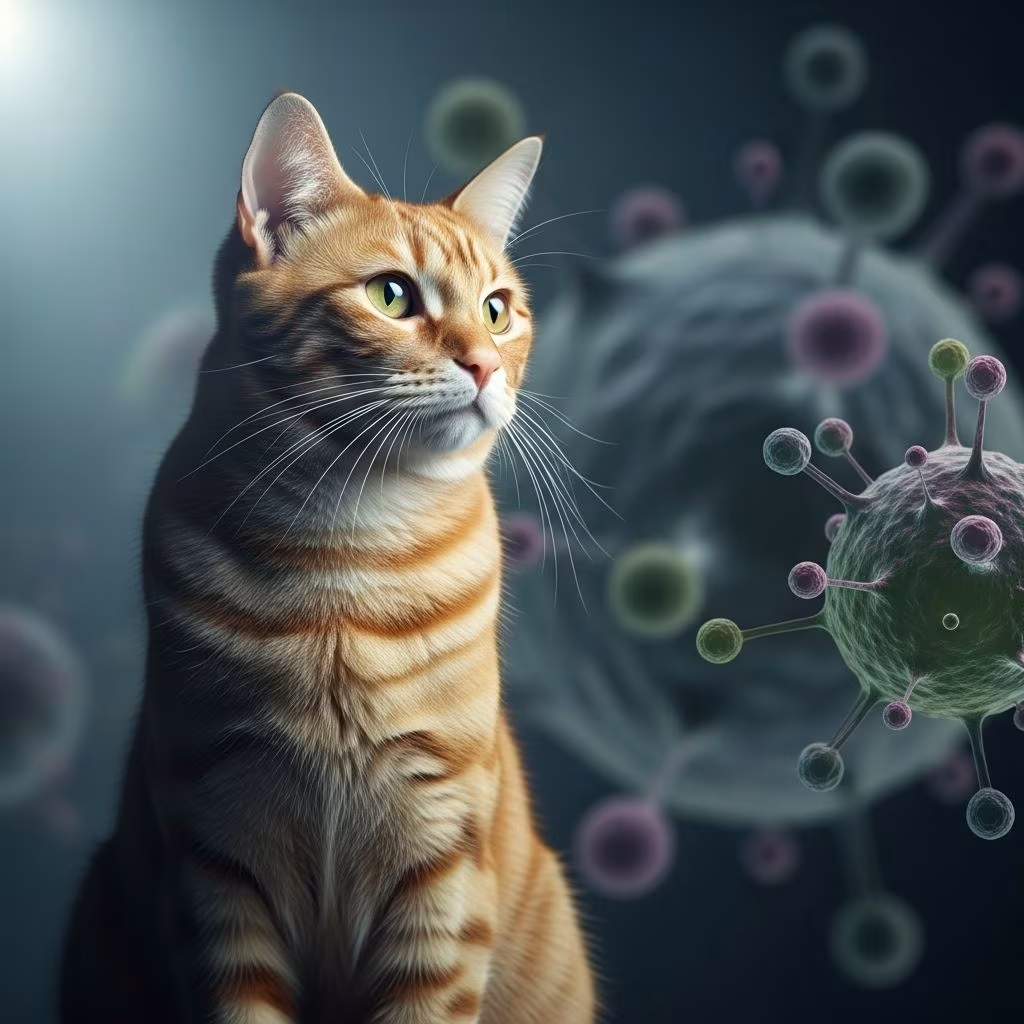
Feline infectious peritonitis represents one of the most serious viral conditions affecting domestic cats worldwide. This disease, often abbreviated as FIP, has historically carried a grim prognosis, but recent advances in antiviral medications have transformed the landscape of treatment options and survival rates. Understanding this complex disease, recognizing its early warning signs, and knowing about available treatment pathways can significantly impact outcomes for affected cats and provide their owners with informed decision-making capabilities.
The Viral Foundation: What Triggers FIP Development
FIP originates from exposure to a virus called feline coronavirus, which itself is remarkably common among cat populations and typically causes minimal health concerns. Most cats exposed to this coronavirus experience only mild gastrointestinal symptoms or remain entirely asymptomatic. However, the virus behaves unpredictably in certain felines, undergoing genetic mutations that transform it into a pathogenic form capable of causing severe systemic disease.
The mechanism by which FIP develops involves the cat’s own immune system. When the coronavirus mutates within an infected cat, the immune response becomes dysregulated, triggering excessive inflammation rather than effectively controlling the virus. This aberrant immune activation causes widespread damage to blood vessels throughout the body, leading to the characteristic symptoms that define this disease. Researchers estimate that approximately 10% of cats infected with feline coronavirus experience this viral mutation that precipitates FIP development.
What makes FIP particularly challenging is the unpredictability of which infected cats will progress to the disease state. Factors influencing this progression include individual immune system characteristics, genetic predisposition, stress levels, and the specific strain of coronavirus involved. Cats living in multi-cat environments, such as shelters or breeding facilities, face elevated risk due to increased viral exposure.
Distinguishing Between Two Clinical Presentations
FIP manifests in two distinct clinical forms, each with different pathological consequences and symptom profiles:
The Wet Form: Fluid Accumulation and Respiratory Compromise
Wet FIP, also called the effusive form, involves the accumulation of inflammatory fluid within body cavities. This fluid typically collects in the abdominal cavity, giving affected cats a distended, pot-bellied appearance. Additionally, fluid may accumulate within the thoracic cavity, compressing the lungs and creating significant respiratory distress.
Cats with wet FIP often display:
- Severe difficulty breathing or labored respiration
- Lethargy and marked decrease in activity levels
- Loss of appetite and progressive weight loss
- Abdominal distension and discomfort
- Fever that may persist despite antibiotic treatment
- Dehydration
The fluid accumulation in wet FIP results from damage to blood vessel integrity, allowing fluid to leak from the bloodstream into surrounding tissues and body cavities. This form typically progresses rapidly and demands urgent veterinary intervention.
The Dry Form: Organ-Specific Inflammation
Dry FIP, also termed the non-effusive form, produces significant inflammatory changes within specific organs without substantial fluid accumulation. This form causes lesions and inflammation primarily affecting the brain, eyes, liver, kidneys, lungs, and skin.
Cats experiencing dry FIP may exhibit:
- Neurological manifestations including seizures or discoordinated movement
- Ocular changes such as anterior uveitis or vision impairment
- Increased thirst and urination frequency
- Vomiting and gastrointestinal upset
- Jaundice (yellowing of gums, eyes, or skin)
- Weight loss despite continued appetite
- Personality changes or behavioral abnormalities
The dry form often progresses more slowly than wet FIP, but the damage to vital organs can be equally devastating. Some cats may present with mixed presentations, exhibiting characteristics of both forms.
Recognizing Clinical Signs and Initial Symptoms
Early detection of FIP significantly improves treatment prospects, yet the initial symptoms often appear vague and nonspecific. Many cat owners mistake early FIP signs for common minor illnesses, delaying veterinary consultation.
The earliest warning indicators frequently include:
- Intermittent fever that rises and falls cyclically
- Unexplained appetite loss
- Marked lethargy and reluctance to engage in normal activities
- General malaise or appearing unwell
- Sudden weight loss despite maintaining appetite in some cases
As the disease progresses, symptoms intensify and become more specific. A cat that previously seemed mildly unwell may rapidly deteriorate, developing the severe manifestations characteristic of wet or dry FIP. Some cats display upper respiratory symptoms such as sneezing, watery eyes, or nasal discharge, particularly early in infection.
The progressive nature of untreated FIP means that symptoms typically worsen over weeks to months. Without treatment intervention, most affected cats face euthanasia as a humane option within a few months of diagnosis, as the disease becomes increasingly debilitating and causes significant suffering.
Diagnostic Approaches and Confirmation Methods
Diagnosing FIP presents veterinary challenges because no single test provides definitive confirmation. Instead, veterinarians employ a combination of clinical observations, laboratory findings, and diagnostic techniques to establish a diagnosis.
Blood Work Analysis
Cats with FIP typically display characteristic blood abnormalities. These may include abnormally low numbers of lymphocytes (a type of white blood cell), unusually elevated numbers of neutrophils (another white blood cell type), and increased protein levels in the bloodstream. Additionally, cats may show evidence of jaundice through blood analysis, with yellowing visible in gums or eyes.
Fluid Analysis and Imaging
For cats with wet FIP, analysis of the accumulated fluid provides valuable diagnostic information. The fluid typically appears as thick, yellow material with specific protein characteristics. Chest or abdominal imaging through radiography or ultrasound may reveal fluid accumulation and organ changes.
Risk Factor Assessment
Veterinarians consider individual risk factors as part of the diagnostic puzzle. Young cats and those living in overcrowded environments face higher FIP risk, and this information supports diagnostic conclusions.
It is critical to understand that while these tests provide supporting evidence, no single diagnostic test achieves 100% accuracy. Veterinarians must synthesize information from multiple sources to reach a confident diagnosis, and in some cases, may recommend a trial treatment approach to support suspected diagnosis.
Modern Treatment Revolution: Breaking the Untreatable Status
For decades, FIP diagnoses essentially represented death sentences. Veterinarians offered only supportive care measures that temporarily improved quality of life but could not address the underlying viral infection. This devastating reality changed dramatically with the development and regulatory approval of antiviral medications specifically designed to treat FIP.
Antiviral Medications: The Game Changers
The primary breakthrough treatment is GS-441524, an oral antiviral medication that can potentially cure FIP. This medication was part of successful clinical trials and became legally available in the United States through compounding pharmacies as of June 2024. Early survival data demonstrates remarkable improvement compared to historical outcomes, with 84-85% of treated cats surviving at least the first six months following diagnosis and treatment initiation.
Remdesivir represents another antiviral option that shows promise in treating FIP. This medication, originally developed for human applications, has been adapted for feline use and demonstrates effectiveness comparable to GS-441524 in preliminary data.
EIDD-1931 comprises a third antiviral medication option, though availability and accessibility may vary by geographic region.
Treatment Duration and Protocol
Current recommendations specify a minimum treatment duration of 12 weeks to achieve full viral clearance and provide cats with optimal recovery chances. Some research suggests that shorter 42-day protocols may prove effective, though longer 84-day treatments remain the standard approach.
Treatment protocols are individualized based on the FIP form and specific organ systems affected. Cats displaying neurological or ocular signs typically require higher medication dosages than those with wet FIP alone. Veterinarians may adjust treatment protocols based on individual cat responses, increasing dosages if inadequate progress occurs during the treatment course.
Supportive Care Measures
While antiviral medications target the viral infection directly, supportive care addresses symptoms and maintains comfort:
- Fluid drainage procedures (thoracentesis for chest fluid, abdominocentesis for abdominal fluid)
- Anti-inflammatory medications such as prednisolone to reduce tissue inflammation
- Immunosuppressive drugs including cyclophosphamide to modulate immune response
- Intravenous or subcutaneous fluid therapy for hydration maintenance
- Nutritional support, including feeding tubes for cats unable to eat voluntarily
- Appetite stimulant medications such as mirtazapine
- Vitamin B12 supplementation
- Anti-nausea medications and hospitalization when necessary
Treatment Accessibility and Regional Availability
While antiviral medications represent tremendous therapeutic progress, accessibility varies significantly by geographic location. The United Kingdom and Australia legalized these medications in 2021. Canada permits emergency drug release protocols for patients who qualify. The United States approved GS-441524 through compounding pharmacies in 2024, expanding access substantially.
Treatment costs and medication availability remain important considerations for cat owners. Discussing specific options, regional accessibility, and financial implications with a veterinarian ensures informed decision-making aligned with individual circumstances and preferences.
Prognosis: From Fatal to Manageable
The transformation in FIP prognosis represents one of veterinary medicine’s most significant recent advances. Historically, FIP represented an essentially uniformly fatal diagnosis. Current evidence demonstrates that many cats survive extended periods following treatment, with some potentially achieving complete recovery and return to normal quality of life.
However, individual outcomes vary considerably based on disease severity at diagnosis, specific organ systems affected, overall health status, and treatment response. Early diagnosis and prompt treatment initiation substantially improve survival probabilities compared to delayed intervention.
Frequently Asked Questions
Is FIP contagious between cats?
While the underlying feline coronavirus spreads between cats through saliva, feces, and shared litter boxes, FIP itself is not directly contagious. Cats must develop the disease mutation independently, which occurs in only a small percentage of infected felines.
Can indoor cats develop FIP?
Yes, indoor cats can develop FIP if exposed to infected cats or contaminated environments. Multi-cat households and shelter environments present higher risk, but single cats with access to outdoor areas or exposure through human contact carry some risk.
Does FIP affect dogs?
No, FIP is a feline-specific disease affecting only cats. Dogs do not develop this condition despite potentially being exposed to feline coronavirus.
What is the cost of FIP treatment?
Treatment costs vary based on medication type, treatment duration, required supportive care, and regional pricing. Discussions with veterinary providers clarify specific financial implications for individual cases.
Moving Forward: Considerations for Cat Owners
Discovering that a beloved cat has FIP diagnoses no longer represents inevitable tragedy. Modern treatment options provide realistic hope for recovery and restoration of quality of life. Early recognition of symptoms, prompt veterinary consultation, and engagement with current treatment protocols significantly improve outcomes compared to historical standards.
Cat owners should discuss FIP symptoms with veterinarians immediately if their cats display persistent fever, unexplained appetite loss, lethargy, or progressive weight loss. In multi-cat households, discussing prevention strategies and monitoring protocols helps protect other feline companions. The landscape of feline infectious peritonitis continues evolving as research advances, offering increasingly optimistic prospects for affected cats and their devoted owners.
References
- Feline Infectious Peritonitis: Signs, Diagnosis, and Treatment of FIP — PetMD. 2024. https://www.petmd.com/cat/conditions/infectious-parasitic/feline-infectious-peritonitis
- Feline Infectious Peritonitis (FIP): Symptoms, Causes, and Treatments — WebMD Pets. 2024. https://www.webmd.com/pets/cats/cat-fip-feline-infectious-peritonitis
- Feline Infectious Peritonitis – FIP in Cats — VCA Animal Hospitals. 2024. https://vcahospitals.com/know-your-pet/feline-infectious-peritonitis
- Feline Infectious Peritonitis (FIP) in Cats — MedVet. 2024. https://www.medvet.com/feline-infectious-peritonitis-in-cats/
- Feline Infectious Peritonitis (FIP) — Stokes Pharmacy. 2024. https://www.stokespharmacy.com/fip/
- Feline Infectious Peritonitis (FIP) — Veterinary Specialty Center. 2024. https://www.vetspecialty.com/specialties/internal-medicine/feline-infectious-peritonitis-fip/
- Feline Infectious Peritonitis — Cornell University College of Veterinary Medicine. 2024. https://www.vet.cornell.edu/departments-centers-and-institutes/cornell-feline-health-center/health-information/feline-health-topics/feline-infectious-peritonitis



