Feline Infectious Peritonitis (FIP): Causes, Symptoms & Treatment
Understanding FIP in cats: Learn about symptoms, diagnosis, and emerging treatment options for this serious disease.
Understanding Feline Infectious Peritonitis (FIP)
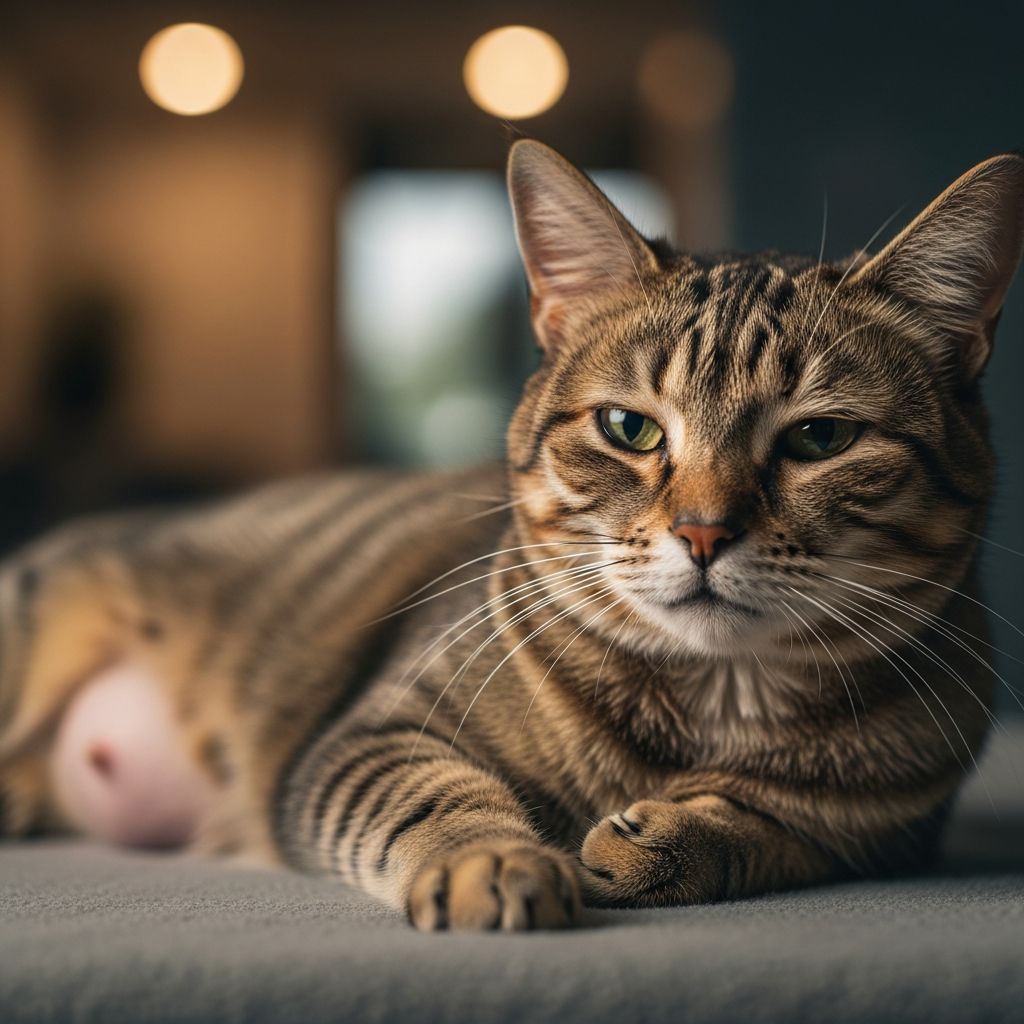
Feline infectious peritonitis, commonly known as FIP, is a serious and potentially life-threatening viral disease that affects cats worldwide. FIP is caused by a mutated form of the feline coronavirus, which triggers an abnormal immune response in infected cats. Unlike many other cat diseases, FIP has historically been considered highly fatal, though recent advances in veterinary medicine have dramatically improved treatment outcomes.
The disease develops when a cat’s immune system overreacts to the feline coronavirus infection, causing widespread inflammation that damages blood vessels and organ tissues throughout the body. This immune-mediated response is what makes FIP particularly dangerous, as it is the cat’s own immune system that causes the majority of organ damage rather than the virus itself.
What Causes FIP in Cats?
FIP originates from exposure to feline enteric coronavirus (FeCV), a virus commonly found in the feline population. The coronavirus primarily spreads through a cat’s feces, making litter boxes a primary transmission route. It is important to note that most cats exposed to this coronavirus never develop FIP, as the virus remains harmless in the majority of infected felines.
The critical factor in FIP development is a genetic mutation of the coronavirus within an individual cat’s body. Scientists believe that certain cats, particularly those with genetic predispositions or compromised immune systems, are more susceptible to viral mutation. When the virus mutates, it becomes capable of infecting cells outside the intestinal tract, triggering the devastating immune response characteristic of FIP.
Between 5 and 10 percent of cats exposed to feline coronavirus develop FIP, and this progression can occur weeks, months, or even years after initial exposure. The unpredictable nature of FIP development makes prevention and early detection crucial for cat owners.
Risk Factors for FIP Development
Certain conditions and characteristics increase a cat’s likelihood of developing FIP:
- Age: Young kittens and senior cats are at higher risk due to developing or weakening immune systems
- Living Environment: Cats in multi-cat households or shelters face increased exposure and stress
- Stress Levels: High stress from environmental changes, new household members, or medical procedures can trigger FIP development
- Immune Compromise: Cats with FIV, feline leukemia, or other immunosuppressive conditions are more vulnerable
- Genetic Predisposition: Certain cat breeds may have increased susceptibility to FIP
Types of FIP: Wet vs. Dry
FIP manifests in two primary forms, each presenting distinct clinical characteristics and progression patterns. Understanding these two types is essential for recognizing symptoms and seeking appropriate veterinary care.
Wet FIP (Effusive Form)
Wet FIP is characterized by fluid accumulation within body cavities, primarily the abdomen and chest. This form typically progresses more rapidly than the dry form and is considered the most critical stage of the disease. The fluid buildup, known as effusion, significantly interferes with organ function and the cat’s ability to breathe normally.
Cats with wet FIP often develop a distinctive “pot-bellied” appearance due to abdominal distention. In severe cases, the fluid accumulation becomes so extensive that normal breathing becomes extremely difficult. This form of FIP is particularly grave, with survival often measured in days to weeks without treatment.
Dry FIP (Non-Effusive Form)
Dry FIP involves the development of inflammatory lesions and nodules in various organs without significant fluid accumulation. This form often progresses more slowly than wet FIP but can be equally devastating as it affects multiple organ systems. The inflammation can damage the liver, kidneys, pancreas, brain, and eyes, leading to diverse and sometimes subtle symptoms.
Mixed Form
Many cats develop a combination of both wet and dry FIP characteristics. A cat may initially present with dry FIP symptoms and progress to the wet form, or vice versa. This mixed presentation can make diagnosis and treatment planning more challenging.
Recognizing Symptoms of FIP
FIP symptoms vary considerably among infected cats, depending on the form of the disease, the organs involved, and individual immune response. Early recognition of symptoms is crucial for initiating treatment promptly.
Early Symptoms (Both Forms)
The initial signs of FIP are often vague and non-specific, making early diagnosis challenging. Common early symptoms include:
- Lethargy and decreased activity levels
- Loss of appetite or reduced food intake
- Weight loss despite adequate food availability
- Fever that may be intermittent or persistent
- Diarrhea or gastrointestinal upset
- Dull coat appearance
These initial symptoms can develop over several weeks and may be so subtle that owners don’t immediately recognize them as signs of serious illness.
Wet FIP Specific Symptoms
As wet FIP progresses, cats develop symptoms related to fluid accumulation:
- Enlarged, distended abdomen (pot-bellied appearance)
- Difficulty breathing or rapid, shallow breathing
- Pale or yellowish gums
- Reluctance to move or exercise
- Abdominal lumps or masses felt during physical examination
- Lethargy worsening over time
Dry FIP Specific Symptoms
Dry FIP presents with symptoms depending on which organs are affected:
Neurological involvement (most common):
- Loss of coordination and balance (wobbly gait)
- Tremors or involuntary muscle movements
- Seizures or convulsions
- Behavioral changes or personality alterations
- Circling or disorientation
- Increased sensitivity to touch
Ocular (eye) involvement:
- Cloudy or hazy appearance to the eyes
- Bleeding in the eye (hyphema)
- Accumulation of pus or inflammatory material
- Blindness or vision loss
- Pain-related behaviors such as squinting or pawing at eyes
- Sensitivity to bright light
- Unequal pupil sizes
Other organ involvement:
- Yellow-tinged gums (jaundice) indicating liver involvement
- Abdominal lumps from organ enlargement
- Kidney dysfunction symptoms
Diagnosis of FIP
Diagnosing FIP is challenging due to the non-specific nature of early symptoms and the lack of a definitive single test. Veterinarians typically use a combination of diagnostic approaches:
Physical Examination: The veterinarian will perform a thorough physical examination, assessing body condition, listening to heart and lungs, and palpating the abdomen for abnormalities.
Laboratory Tests: Blood work may reveal anemia, elevated protein levels, or other abnormalities consistent with FIP. Coronavirus serology tests detect antibodies to feline coronavirus, though these tests cannot distinguish between the harmless enteric form and the disease-causing form.
Fluid Analysis: If fluid is present in body cavities, analysis of this fluid can reveal characteristics consistent with FIP, including high protein content and specific cell patterns.
Imaging Studies: Ultrasound or X-ray imaging may reveal fluid accumulation, organ enlargement, or inflammatory changes supporting an FIP diagnosis.
Genetic Testing: Advanced reverse transcription polymerase chain reaction (RT-PCR) testing can detect viral genetic material, though this is not widely available at all veterinary clinics.
Treatment Options for FIP
For decades, FIP was considered essentially untreatable with a uniformly fatal prognosis. However, recent developments in antiviral therapy have revolutionized FIP treatment outcomes. Several treatment approaches are now available:
Antiviral Medications
GS-441524 is an investigational antiviral drug that has shown remarkable efficacy in treating FIP. This medication works by inhibiting viral replication and has resulted in remission and recovery in many cats previously considered terminally ill. Treatment typically requires several months of administration.
Remdesivir, another antiviral agent, has also demonstrated effectiveness in treating FIP. This medication has been approved for use in some regions and represents an important alternative for cats that cannot tolerate other treatments.
These antiviral therapies have transformed FIP from a universally fatal diagnosis to a treatable condition, with many cats achieving long-term remission or complete recovery when treated early.
Supportive Care
Alongside antiviral therapy, supportive care is essential for maintaining quality of life and supporting recovery:
- Nutritional support through high-quality diet and appetite stimulants if needed
- Fluid therapy to maintain hydration and electrolyte balance
- Pain management medications to ensure comfort
- Monitoring of vital organ function through regular blood work
- Environmental modifications to reduce stress
Symptomatic Treatment
Managing specific symptoms may include antibiotics for secondary bacterial infections, anti-inflammatory medications to reduce inflammation, and medications to manage specific organ involvement such as eye drops for ocular FIP.
Prevention of FIP
While prevention cannot completely eliminate FIP risk, several strategies can significantly reduce the likelihood of disease development:
- Litter Box Management: Provide multiple litter boxes (one per cat plus one extra) and clean them regularly to reduce viral transmission
- Environmental Separation: Isolate new cats before introducing them to existing household cats
- Stress Reduction: Minimize environmental stressors through environmental enrichment, routine maintenance, and careful household management
- Regular Veterinary Care: Maintain regular health checkups to detect early signs of illness
- Vaccination Considerations: Discuss FIP vaccination options with your veterinarian, though the vaccine’s effectiveness remains variable
- Multicat Household Management: Consider limiting the number of cats in a household and maintaining proper hygiene practices
Living with FIP: Long-term Prognosis
The prognosis for FIP has improved dramatically with the advent of antiviral therapies. Cats that receive early treatment with medications like GS-441524 or remdesivir have significantly better survival rates than previously thought possible. Many treated cats achieve complete remission and return to normal quality of life.
However, FIP remains a serious disease requiring dedicated treatment, close veterinary monitoring, and significant financial investment. The cost of antiviral therapy can be substantial, though increasingly veterinarians and animal welfare organizations are working to make these treatments more accessible.
Untreated FIP remains fatal, but treatment options now offer realistic hope for recovery. Early diagnosis and prompt initiation of antiviral therapy provide the best chance for a positive outcome.
Frequently Asked Questions About FIP
Q: Can FIP spread to other cats in my household?
A: While the feline coronavirus spreads between cats, FIP specifically develops in individual cats whose immune systems trigger the dangerous response. You should implement strict hygiene practices including separate litter boxes and regular cleaning, but FIP itself is not directly contagious between cats.
Q: Can my cat get FIP even if vaccinated?
A: The FIP vaccine exists, but its effectiveness is variable and debated among veterinarians. Vaccination may reduce the risk but does not guarantee protection. Discuss vaccination options with your veterinarian based on your individual cat’s risk factors.
Q: How long does FIP treatment take?
A: Antiviral treatment typically requires 8 to 12 weeks or longer, depending on the cat’s response. Your veterinarian will monitor progress through regular health assessments and adjust treatment as needed.
Q: Is FIP painful for cats?
A: Yes, FIP can cause significant discomfort, especially in the wet form where fluid accumulation creates pressure and difficulty breathing. Pain management medications and comfort measures are important components of treatment.
Q: Can humans get FIP from cats?
A: No, FIP is a feline-specific disease. The feline coronavirus does not infect humans, and FIP cannot be transmitted to people from infected cats.
Q: What should I do if I suspect my cat has FIP?
A: Contact your veterinarian immediately. Early diagnosis and treatment initiation provide the best outcomes. Do not delay seeking veterinary care, as FIP progresses rapidly in some cats.
References
- Feline Infectious Peritonitis: Signs, Diagnosis, and Treatment of FIP — PetMD. 2024. https://www.petmd.com/cat/conditions/infectious-parasitic/feline-infectious-peritonitis
- Feline infectious peritonitis (FIP) in cats — PDSA. 2024. https://www.pdsa.org.uk/pet-help-and-advice/pet-health-hub/conditions/feline-infectious-peritonitis-in-cats
- Feline Infectious Peritonitis (FIP) in Cats — VCA Animal Hospitals. 2024. https://vcahospitals.com/know-your-pet/feline-infectious-peritonitis
- Feline Infectious Peritonitis (FIP) — Cornell University College of Veterinary Medicine. 2024. https://www.vet.cornell.edu/departments-centers-and-institutes/cornell-feline-health-center/health-information/feline-health-topics/feline-infectious-peritonitis
- Feline Infectious Peritonitis (FIP) – Veterinary Specialty Center — Veterinary Specialty Center. 2024. https://www.vetspecialty.com/specialties/internal-medicine/feline-infectious-peritonitis-fip/
- Feline Infectious Peritonitis (FIP) – Cat Owners — Merck Veterinary Manual. 2024. https://www.merckvetmanual.com/cat-owners/disorders-affecting-multiple-body-systems-of-cats/feline-infectious-peritonitis-fip
- What Is Feline Infectious Peritonitis (FIP)? Symptoms and Causes — GoodRx. 2024. https://www.goodrx.com/pet-health/cat/feline-infectious-peritonitis-causes-symptoms-treatment
Similar Articles






Read full bio of Sneha Tete