
Feline Infectious Peritononitis (FIP) in Cats
Understanding FIP in cats: symptoms, causes, diagnosis, and modern treatment options for this serious disease.
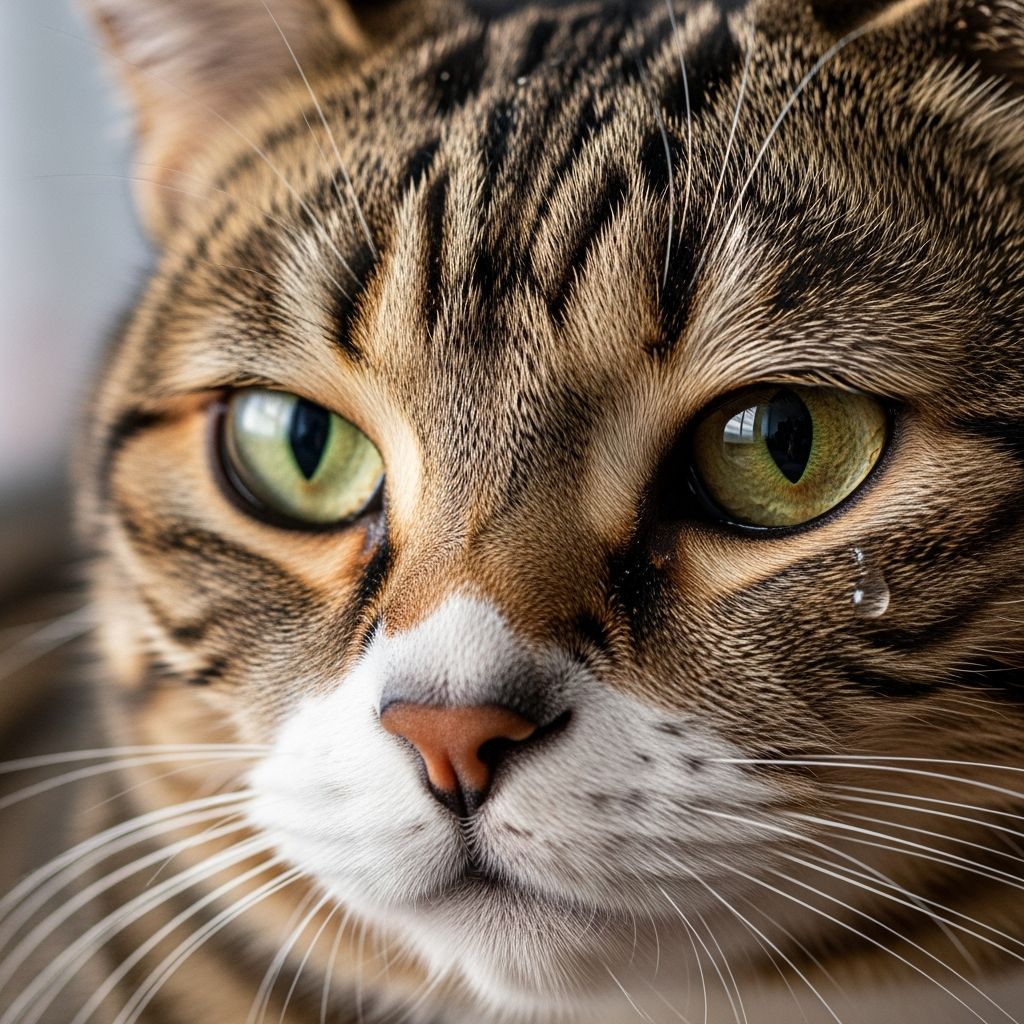
Understanding Feline Infectious Peritonitis (FIP) in Cats
Feline infectious peritonitis (FIP) is a serious and often life-threatening disease that affects cats worldwide. This condition is caused by a mutated form of the feline coronavirus, which triggers an excessive immune response in infected cats. Unlike the common feline enteric coronavirus that most cats carry harmlessly, certain mutations of this virus can lead to FIP, a disease characterized by severe inflammation throughout the body. Understanding FIP is crucial for cat owners, as early recognition of symptoms and prompt veterinary care can make a significant difference in treatment outcomes.
What is Feline Infectious Peritonitis?
Feline infectious peritonitis is an immune-mediated disease triggered by a mutated feline coronavirus. When a cat’s immune system encounters this particular viral strain, it overreacts dramatically, causing widespread inflammation that damages blood vessels and organs throughout the body. The disease is particularly dangerous because the cat’s own immune response contributes significantly to the tissue damage and organ failure that characterizes FIP. This is why FIP is considered an immune-mediated disease rather than simply an infectious one.
The progression from initial coronavirus exposure to FIP development can take weeks, months, or even years. Not all cats exposed to feline coronavirus develop FIP—only about 5 to 10 percent of exposed cats progress to the disease. Those cats that do develop FIP face a serious threat, as the condition remains difficult to treat despite recent advances in antiviral therapies.
Types of Feline Infectious Peritonitis
FIP manifests in two primary forms, each presenting different clinical signs and progression patterns:
Wet (Effusive) Form
The wet or effusive form of FIP is characterized by the accumulation of fluid within body cavities, primarily the abdomen and chest. This fluid buildup causes visible swelling and can severely compromise organ function and breathing. Cats with wet FIP typically show rapid disease progression, with survival often measured in days to weeks without treatment. The fluid accumulation can be so severe that affected cats develop a noticeably distended or pot-bellied appearance. Additionally, if fluid accumulates around the heart or in the chest cavity, cats may experience significant respiratory difficulties.
Dry (Non-Effusive) Form
The dry or non-effusive form of FIP does not involve obvious fluid accumulation in body cavities. Instead, this form causes significant inflammation in various organs including the brain, eyes, kidneys, liver, pancreas, and lymph nodes. Cats with dry FIP typically show a more gradual disease progression with vague, nonspecific symptoms. The dry form can be particularly challenging to diagnose because symptoms are often subtle and variable, depending on which organs are primarily affected.
It is important to note that some cats develop a mixed form of FIP that exhibits characteristics of both wet and dry presentations, making diagnosis and treatment even more complex.
Symptoms of Feline Infectious Peritonitis
The symptoms of FIP vary depending on the form of the disease and which organs are affected. Early signs of FIP are often vague and nonspecific, which can delay diagnosis.
Early General Symptoms
Both wet and dry forms of FIP typically begin with similar nonspecific signs that may appear innocuous:
- Lethargy and lack of energy
- Weight loss
- Decreased appetite or refusing to eat
- Fever (often fluctuating)
- Diarrhea
- Vomiting
- Pale or yellow-tinged gums
- Increased drinking and urination
Wet FIP Specific Symptoms
As the wet form progresses, the following symptoms become more apparent:
- Visibly swollen or distended abdomen
- Rapid or labored breathing
- Difficulty breathing
- Abdominal lumps (enlarged organs)
- Pale mucous membranes
- General signs of discomfort
Dry FIP Specific Symptoms
The dry form can affect multiple organ systems, leading to a diverse range of neurological and ocular symptoms:
- Neurological signs: loss of balance, wobbly gait, tremors, seizures
- Blindness or vision changes
- Behavioral changes or personality shifts
- Abnormal eye appearance: cloudiness, bleeding, or discharge
- Eye pain (squinting, keeping eyes closed, pawing at eyes)
- Jaundice (yellow discoloration of gums and skin)
- Uveitis (inflammation inside the eye)
- Paralysis or generalized muscle coordination failure
- Increased sensitivity to touch
- Abdominal lumps from enlarged organs
Causes of Feline Infectious Peritonitis
FIP is caused by exposure to feline coronavirus (FCoV), a virus that is surprisingly common in the cat population. However, the vast majority of cats infected with feline coronavirus remain completely healthy and asymptomatic. The exact mechanism by which certain coronavirus strains mutate to cause FIP remains not fully understood, but research suggests that genetic factors, immune system function, and specific viral mutations all play roles in disease development.
The virus spreads primarily through fecal matter, making litter box contamination a significant transmission route. It can also spread through saliva, urine, and respiratory secretions. In multi-cat households or facilities, transmission occurs more readily, which is why cats living with multiple other felines face increased risk of exposure.
Several factors increase a cat’s risk of developing FIP from coronavirus exposure:
- Young age
- Living in multi-cat households
- Recent stress or environmental changes
- Immune system compromise
- Genetic predisposition
Diagnosis of Feline Infectious Peritonitis
Diagnosing FIP presents a significant challenge for veterinarians because no single definitive test exists for the disease. The diagnosis typically requires a combination of clinical findings, laboratory tests, imaging studies, and fluid analysis when applicable. Veterinarians must rule out other conditions that present similarly.
Diagnostic approaches may include:
- Complete physical examination
- Blood work including complete blood count and serum chemistry
- FCoV antibody testing
- Analysis of abdominal or chest fluid (if present)
- Abdominal and thoracic imaging (radiographs or ultrasound)
- PCR testing on fluid or tissue samples
- Assessment of protein levels in body fluids
Early diagnosis can be particularly challenging because the symptoms mimic many other feline diseases. Cats with vague signs of illness and fever that doesn’t respond to antibiotics should be carefully evaluated for FIP by an experienced veterinarian.
Treatment Options for FIP
Historically, FIP was considered an invariably fatal disease with no effective treatment. However, significant advances in antiviral therapy have dramatically changed the outlook for some cats. New treatment options have emerged that show promise in improving survival rates.
Antiviral Treatments
Recent breakthroughs in FIP treatment include:
- GS-441524: This antiviral compound has shown remarkable success in treating FIP, with many treated cats achieving remission or recovery. It works by inhibiting viral replication and reducing inflammation.
- Remdesivir: An FDA-approved antiviral medication that has demonstrated efficacy in treating FIP by interfering with viral protein synthesis.
Supportive Care
Regardless of the treatment approach, supportive care remains crucial for cats with FIP. This may include:
- Fluid therapy to maintain hydration
- Nutritional support and appetite stimulation
- Pain management
- Medication to manage symptoms
- Drainage of excess fluid if it accumulates dangerously
- Treatment of secondary infections
Prognosis Considerations
The prognosis for cats with FIP depends on several factors, including the form of the disease, how quickly treatment is initiated, and individual response to therapy. Cats with wet FIP, particularly those with advanced disease, generally have a more guarded prognosis than those with dry FIP. However, with newer antiviral treatments, even some cats with wet FIP have achieved remission and returned to normal quality of life.
Prevention and Risk Reduction
While no vaccine currently provides reliable protection against FIP, several management strategies can reduce the risk of coronavirus transmission and potentially lower the probability of FIP development:
- Maintain clean litter boxes and remove feces daily
- Provide multiple litter boxes in multi-cat households (at least one per cat plus one extra)
- Minimize stress through environmental enrichment
- Practice good hygiene and handwashing between handling cats
- Separate infected or FCoV-positive cats from others when possible
- Avoid overcrowding and provide adequate resources
- Consider testing new cats before introduction to the household
- Work with a veterinarian on individual risk assessment
Frequently Asked Questions About FIP
Q: Is FIP contagious to humans or other pets?
A: FIP is not contagious to humans. It is species-specific to cats and does not affect dogs or other animals. The virus spreads between cats through fecal matter, saliva, and respiratory secretions.
Q: Can a cat recover from FIP?
A: With new antiviral treatments like GS-441524 and remdesivir, some cats now achieve remission or complete recovery from FIP, though outcomes vary. Early diagnosis and treatment significantly improve survival chances.
Q: How long does FIP take to develop after exposure?
A: FIP can develop weeks, months, or even years after initial exposure to feline coronavirus. The timeline varies considerably between individual cats.
Q: What should I do if my cat shows FIP symptoms?
A: Contact your veterinarian immediately if your cat shows signs of FIP such as fever, weight loss, lethargy, or any of the other symptoms described. Early veterinary intervention is crucial for the best possible outcomes.
Q: Can indoor cats get FIP?
A: Yes, indoor cats can develop FIP. While outdoor cats may have higher exposure rates to feline coronavirus, indoor cats can still become infected through contact with infected cats or contaminated environments.
Q: Is there a cure for FIP?
A: While FIP was historically considered incurable, new antiviral medications have changed this outlook. Some cats achieve complete remission with treatment, though long-term outcomes continue to be studied.
References
- Feline Infectious Peritonitis: Signs, Diagnosis, and Treatment of FIP in Cats — PetMD. 2024. https://www.petmd.com/cat/conditions/infectious-parasitic/feline-infectious-peritonitis
- Feline Infectious Peritonitis (FIP) — Stokes Pharmacy. 2024. https://www.stokespharmacy.com/fip/
- Feline Infectious Peritonitis in Cats — PDSA. 2024. https://www.pdsa.org.uk/pet-help-and-advice/pet-health-hub/conditions/feline-infectious-peritonitis-in-cats
- Feline Infectious Peritonitis (FIP) – Cat Owners — Merck Veterinary Manual. 2024. https://www.merckvetmanual.com/cat-owners/disorders-affecting-multiple-body-systems-of-cats/feline-infectious-peritonitis-fip
- Feline Infectious Peritonitis (FIP) — VCA Animal Hospitals. 2024. https://vcahospitals.com/know-your-pet/feline-infectious-peritonitis
- Feline Infectious Peritonitis — Cornell University College of Veterinary Medicine. 2024. https://www.vet.cornell.edu/departments-centers-and-institutes/cornell-feline-health-center/health-information/feline-health-topics/feline-infectious-peritonitis
- Understanding FIP in Cats: Symptoms, Treatment, and Hope — RAL. 2024. https://www.ral.org/posts/fip-in-cats
Similar Articles








Read full bio of medha deb




