

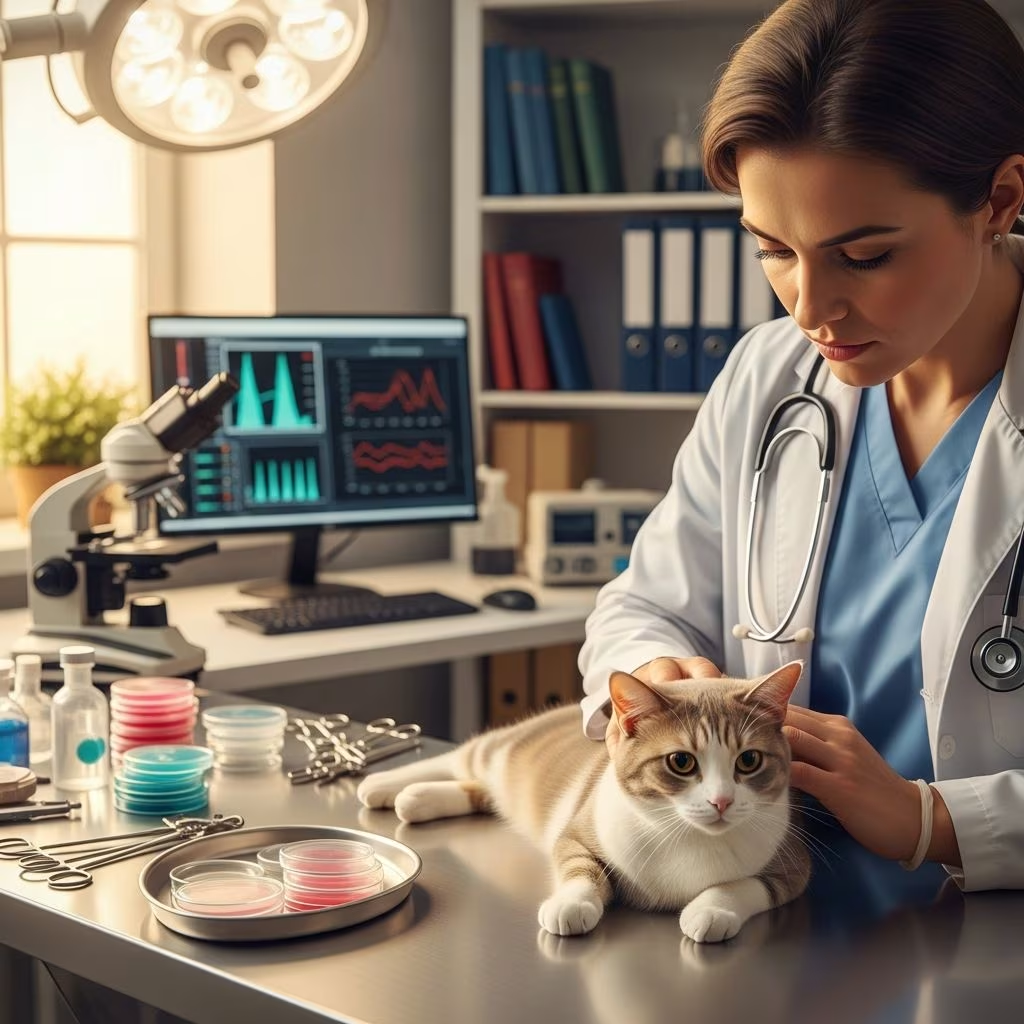
Understanding Feline Infectious Peritonitis (FIP)
Feline infectious peritonitis (FIP) is a severe, often fatal viral disease that affects cats worldwide. The disease is caused by certain strains of feline coronavirus (FCoV) that undergo mutations within an infected cat’s body. Unlike the primary feline coronavirus infection, which is typically mild or asymptomatic, FIP develops when the virus mutates and triggers a dysregulated immune response in susceptible cats. This immune-mediated disease is characterized by inflammation, fluid accumulation, and immune complex deposition in various organs and tissues throughout the body.
The mortality rate of FIP is significant. It has been estimated that approximately 0.3% to 1.4% of feline deaths at veterinary institutions are caused by FIP. Before the advent of modern antiviral therapy, FIP was considered almost universally fatal. However, recent advances in treatment have dramatically improved outcomes for affected cats when diagnosed early and treated appropriately.
Forms of Feline Infectious Peritonitis
FIP presents in two distinct clinical forms, determined primarily by the cat’s immune response to the virus.
Wet FIP (Effusive Form)
Wet FIP represents approximately 50-60% of FIP cases and is characterized by the accumulation of fluid in body cavities. When a cat develops a predominantly humoral (antibody-based) immune response, antibodies are ineffective at controlling the infection and instead form immune complexes that trigger vasculitis (blood vessel inflammation). This leads to increased vascular permeability and the development of effusion (fluid accumulation) in the abdomen or chest.
Clinical signs of wet FIP include visible abdominal enlargement due to ascites, difficulty breathing caused by pleural effusion in the lungs, and general malaise. The accumulated fluid often contains inflammatory cells and can be examined diagnostically to support FIP diagnosis.
Dry FIP (Non-Effusive Form)
Dry FIP accounts for 40-50% of cases and develops when cats mount a partial cell-mediated immune response. Rather than fluid accumulation, cats with dry FIP develop granulomas (nodular inflammatory lesions) in affected organs. These granulomatous lesions can develop in virtually any organ system, leading to diverse clinical presentations.
The non-effusive nature of dry FIP makes diagnosis more challenging since there is no accumulated fluid to sample. However, cats with dry FIP may develop clinical signs related to specific organ involvement, such as neurologic signs, ocular disease, or organ dysfunction.
Clinical Signs and Symptoms
FIP typically affects young cats, with peak incidence in cats younger than three years of age, though a smaller peak occurs in geriatric cats. However, cats of any age can develop the disease following exposure to feline coronavirus.
Common Clinical Signs
The clinical presentation of FIP is highly variable, which contributes to diagnostic challenges. Common signs include:
- Persistent high fever (often 103-106°F / 39.4-41.1°C) that may be intermittent
- Lethargy and depression
- Anorexia (loss of appetite) and weight loss
- Poor coat quality
- Jaundice (yellowing of the skin and mucous membranes)
- Vomiting and diarrhea
- Lymphadenomegaly (enlarged lymph nodes)
Organ-Specific Manifestations
Depending on which organs are affected by granulomatous or vasculitic lesions, additional clinical signs may develop. Ocular involvement can cause anterior uveitis with characteristic hypopyon (pus in the anterior chamber). Neurologic manifestations may include tremors, ataxia, behavioral changes, or seizures. Respiratory involvement may cause coughing or dyspnea. Cardiovascular involvement occasionally results in pericardial effusion (fluid around the heart).
Other abnormalities associated with FIP include icterus, scrotal edema due to serositis of the tunica vaginalis, and lameness resulting from synovitis (joint inflammation).
Diagnosis of Feline Infectious Peritonitis
Diagnosing FIP remains one of the most challenging aspects of feline internal medicine. There is no single, minimally invasive, definitive antemortem diagnostic test for FIP. Instead, diagnosis requires a multimodal approach integrating clinical findings, laboratory results, imaging findings, and potentially tissue analysis.
Clinical History and Examination
The diagnostic process begins with obtaining a thorough history and signalment of the cat, considering the symptoms as presented during physical examination and as described by the owner. The chronicity of clinical signs, vaccination history, exposure to other cats, and previous FCoV test results all provide valuable context.
Laboratory Testing
Blood tests are essential components of the diagnostic workup. Common laboratory abnormalities in FIP include:
- Anemia (low red blood cell count)
- Hyperproteinemia (elevated total protein, particularly globulins)
- Elevated alpha-1 acid glycoprotein (AGP), an acute phase reactant
- Elevated liver enzymes
- Hyperbilirubinemia (elevated bilirubin)
- Lymphopenia or lymphocytosis depending on disease stage
FCoV antibody testing indicates exposure to feline coronavirus but cannot distinguish between primary infection and FIP, as antibodies develop with both conditions. A positive FCoV test in a sick cat with compatible clinical signs increases suspicion for FIP but is not diagnostic on its own.
Effusion Analysis
When effusion is present, analysis of the fluid provides valuable diagnostic information. FIP effusion characteristically has high protein content (typically 4-8 g/dL) with a predominance of inflammatory cells. Examination of effusion may reveal feline coronavirus antigen or RNA through immunocytochemistry or RT-PCR. The presence of FCoV antigen in effusion cells is highly suggestive of FIP, though false negatives can occur.
Imaging Diagnostics
Radiographs and ultrasonography are essential to evaluate for effusion and organ involvement. Abdominal ultrasound may reveal ascites, mesenteric lymphadenopathy, or abnormal organ echogenicity. Thoracic radiographs may demonstrate pleural effusion. Ocular ultrasound or examination may reveal anterior uveitis or posterior segment involvement.
Tissue Diagnosis
Definitive diagnosis of FIP has historically relied on histopathologic findings, usually involving detection of intracellular FCoV antigen associated with macrophages within lesions using immunohistochemistry or immunocytochemistry. Fine-needle aspirates from affected organs or tissue biopsy samples can be examined for characteristic histological changes and coronavirus antigen. Postmortem samples including mesenteric lymph nodes, intestines, omentum, spleen, kidney, and liver are commonly used for definitive diagnosis.
Modern Treatment Approaches
The landscape of FIP treatment has dramatically changed in recent years with the development of effective antiviral medications. Previously, FIP was considered uniformly fatal, but antiviral therapy now offers genuine hope for survival and long-term remission.
Antiviral Therapy
Nucleoside analogues and protease inhibitors show promise for safe, effective treatment of FIP. Antivirals available through compounding pharmacies in many countries include remdesivir, GS-441524, molnupiravir, and EIDD-1931. These medications target the viral replication machinery and can halt viral reproduction when administered at appropriate doses.
Treatment protocols typically involve 6-12 weeks (42-84 days) of continuous antiviral therapy. Initial intravenous remdesivir therapy for 48 hours can result in significant clinical improvement, facilitating transition to oral medication with GS-441524. Dosage recommendations have increased from initial protocols based on emerging data on therapeutic drug monitoring.
Current dosing recommendations vary by medication but generally include higher doses than initially recommended. GS-441524 is typically administered orally, ideally given fasted with a water bolus or small amount of food, followed by a full meal at least 30 minutes later. Treatment success requires strict compliance with medication administration schedules.
Monitoring Treatment Response
Cats receiving antiviral therapy should demonstrate improvement in specific timeframes:
- After 48 hours: Improvement in demeanor and return to normal body temperature
- After 2 weeks: Improvement in weight, demeanor, and reduction in effusions
- After 6 weeks: Resolution of clinical signs and normalization of biochemistry abnormalities
Cats should continue antiviral therapy for the full prescribed duration, with normal clinical and laboratory values (including AGP if available) documented for 2 weeks before stopping treatment. Close monitoring for relapse is essential following treatment completion.
Supportive Care
Comprehensive supportive care is essential regardless of antiviral therapy. This includes fluid therapy to maintain hydration, nutritional support to maintain body weight and muscle mass, and vitamin supplementation including vitamin B12. Treatment of concurrent illnesses and secondary bacterial infections is indicated when appropriate.
Thoracic effusions causing dyspnea should be drained via thoracocentesis for comfort. Abdominal effusion should only be drained if it interferes with respiration, as it rapidly reaccumulates. Drainage is primarily indicated for diagnostic sampling purposes.
Immunomodulatory Therapy
Corticosteroids such as prednisolone (2-4 mg/kg orally every 24 hours) or cyclophosphamide (2-4 mg/kg orally every 48 hours) may result in temporary clinical improvement or slowed disease progression, though results are variable. Additional treatments with some evidence of efficacy include polyprenyl immunostimulant, ozagrel hydrochloride, feline TNF-alpha-neutralizing monoclonal antibodies, human interferon alpha, and itraconazole. The use of type 1 interferons intended to bias toward a cell-mediated immune response has been proposed, though data on these approaches remain inconsistent.
Prognosis and Outcomes
The prognosis for FIP has improved dramatically with the availability of effective antiviral therapy. Cats diagnosed early and treated aggressively with antivirals have significantly better outcomes than those treated with supportive care alone. However, prognosis remains guarded without treatment, and even with treatment, some cats may not respond adequately.
Early diagnosis and intervention are critical for improving chances of successful treatment. Pet owners observing signs concerning for possible FIP should see their veterinarian as soon as possible, as the disease can progress quickly.
Frequently Asked Questions About FIP
Q: Can FIP be prevented?
A: FIP cannot be prevented with certainty, but minimizing exposure to feline coronavirus is recommended. This includes maintaining a clean environment, preventing stress, and limiting exposure to cats from unknown sources. Certain management practices in multi-cat households may reduce transmission risk.
Q: Is FIP contagious to other cats?
A: FIP itself is not contagious; the feline coronavirus that causes it is mildly contagious through fecal-oral transmission. However, not all cats infected with feline coronavirus develop FIP. The disease develops when the virus mutates within an individual cat’s body.
Q: Can humans get FIP?
A: No, FIP is species-specific and affects only cats. The feline coronavirus cannot infect humans or other non-feline species.
Q: What is the cost of FIP treatment?
A: Treatment costs vary depending on the specific antiviral used, duration of therapy, and supportive care requirements. Generally, a 6-12 week course of antiviral therapy can range from several hundred to several thousand dollars.
Q: Can indoor cats get FIP?
A: Yes, indoor cats can develop FIP if they carry feline coronavirus. Coronavirus infection is relatively common among indoor cats, though the risk of developing FIP is low. Stress and other factors may increase FIP development risk.
Q: How long can a cat survive with FIP?
A: Without treatment, FIP is typically fatal within weeks to months. With modern antiviral therapy, many cats achieve clinical remission and can live normal lifespans with appropriate monitoring and potentially ongoing medication.
Key Takeaways
Feline infectious peritonitis represents a significant health threat to cats, but recent advances in antiviral therapy have transformed the disease from uniformly fatal to potentially treatable. Early recognition of clinical signs, prompt veterinary consultation, and accurate diagnosis remain essential components of successful management. The multimodal diagnostic approach integrating clinical findings, laboratory results, imaging, and potentially tissue analysis provides the best chance for accurate diagnosis. Once diagnosed, aggressive antiviral therapy combined with comprehensive supportive care offers genuine hope for survival and quality of life for affected cats.
References
- Feline Infectious Peritonitis — Merck Veterinary Manual. 2025. https://www.merckvetmanual.com/infectious-diseases/feline-infectious-peritonitis/feline-infectious-peritonitis
- 2025 FIP Update Guide: Feline Infectious Peritonitis Treatment in Cats — Feline Veterinary Medical Association. 2025. https://catvets.com/
- Complete Guide to Feline Infectious Peritonitis (FIP) Treatment — Clinician’s Brief. 2024. https://www.cliniciansbrief.com/article/feline-infectious-peritonitis-fip-treatment-guide
- Feline Infectious Peritonitis: What Every Cat Owner Needs to Know — American Animal Hospital Association. 2025. https://www.aaha.org/resources/feline-infectious-peritonitis-what-every-cat-owner-needs-to-know/
- 2022 AAFP/EveryCat Feline Infectious Peritonitis Diagnosis Guidelines — Journal of Feline Medicine and Surgery, PubMed Central. 2023. https://pmc.ncbi.nlm.nih.gov/articles/PMC10812230/
- Feline Infectious Peritonitis — Cornell University College of Veterinary Medicine. 2024. https://www.vet.cornell.edu/departments-centers-and-institutes/cornell-feline-health-center/health-information/feline-health-topics/feline-infectious-peritonitis



