
Feline Infectious Anemia in Cats: Causes, Symptoms, and Treatment
Understanding feline infectious anemia: symptoms, diagnosis, and effective treatment options for your cat.
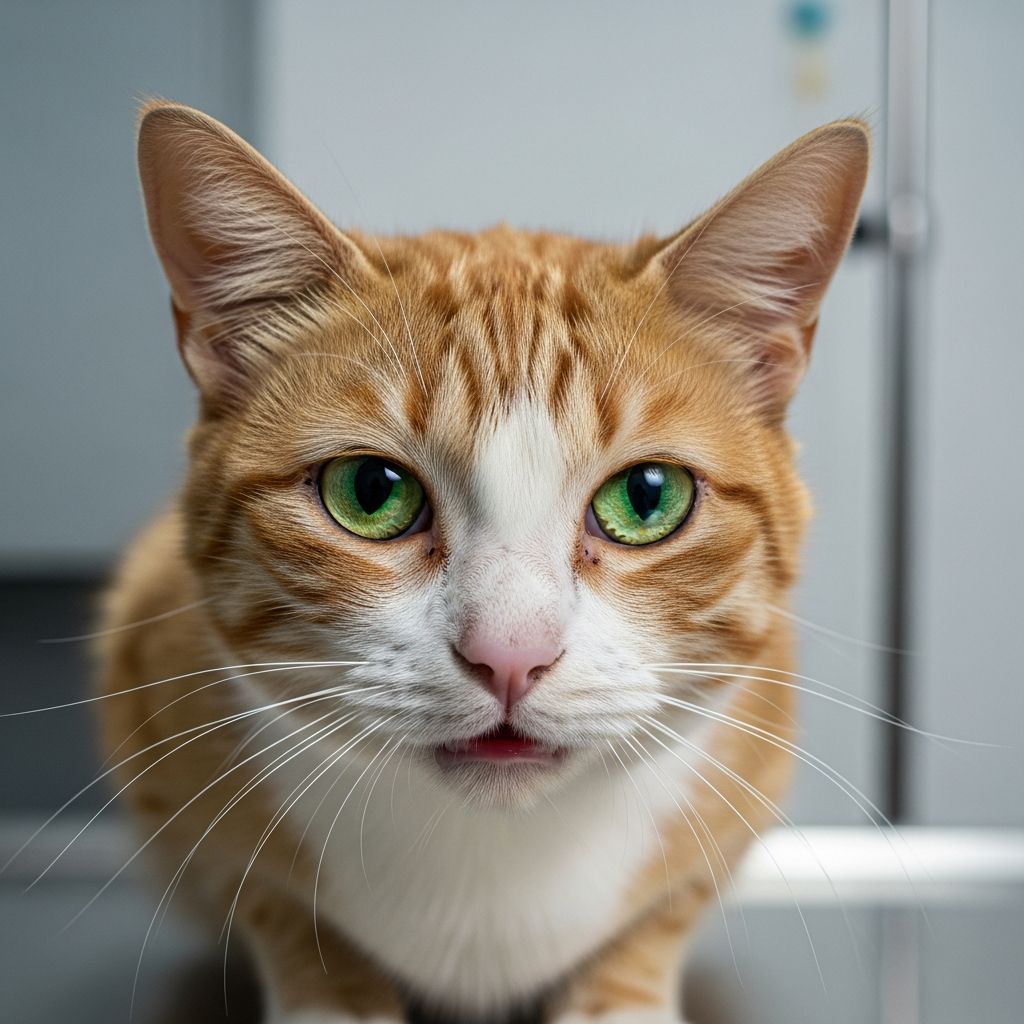
Understanding Feline Infectious Anemia
Feline Infectious Anemia (FIA), also known as Feline Hemotropic Mycoplasmosis, is a serious blood disorder that affects cats worldwide. This potentially life-threatening condition occurs when the bacterium Mycoplasma haemofelis invades and attaches to a cat’s red blood cells. Once infected, the cat’s immune system mistakenly identifies these compromised red blood cells as foreign invaders and begins destroying them. This process leads to anemia, a condition characterized by insufficient healthy red blood cells to carry adequate oxygen throughout the body. The resulting oxygen deficiency manifests in various symptoms that can significantly impact a cat’s quality of life.
What Causes Feline Infectious Anemia?
The primary cause of Feline Infectious Anemia is infection with the hemotropic mycoplasma bacterium, which specifically targets and damages red blood cells. Transmission typically occurs through blood-to-blood contact, making certain cats at higher risk than others. Outdoor cats, cats living in multi-cat households, and cats with compromised immune systems face increased susceptibility. Flea infestations play a significant role in transmission, as fleas can carry and transmit the organism between cats. Additionally, bite wounds from fighting, blood transfusions from infected donors, and vertical transmission from infected mothers to kittens represent other transmission routes.
Recognizing the Symptoms
The symptoms of Feline Infectious Anemia can vary in severity and onset. Early recognition is crucial for prompt veterinary intervention and improved outcomes. Common clinical signs include:
- Lethargy and weakness: Cats may appear unusually tired and lack their normal energy levels
- Pale gums and mucous membranes: The gums may appear pale to white due to reduced red blood cell count
- Loss of appetite: Affected cats often show decreased interest in food
- Rapid breathing: Increased respiratory rate as the body attempts to compensate for oxygen deficiency
- Increased heart rate: Tachycardia develops as the cardiovascular system works harder
- Weight loss: Gradual or sudden decrease in body weight
- Jaundice: Yellowing of the skin and eyes in severe cases
- Fever: Intermittent or persistent elevated body temperature, potentially reaching 103 to 106°F (39 to 41°C) in severe cases
- Enlarged spleen or lymph nodes: Internal organs may enlarge in response to the infection
Many cases of Feline Infectious Anemia go undetected because symptoms develop gradually or overlap with other conditions. Cat owners should seek veterinary evaluation whenever they notice persistent changes in their cat’s behavior, appetite, or appearance.
Diagnosis and Testing
Veterinarians employ several diagnostic methods to confirm Feline Infectious Anemia. The diagnostic process typically begins with a thorough physical examination, during which the veterinarian assesses the cat’s overall condition and evaluates specific symptoms. Blood tests form the cornerstone of diagnosis, particularly a complete blood count (CBC) that reveals the degree of anemia and identifies abnormalities in red blood cell production.
A blood smear examination allows veterinarians to visualize the bacteria directly under a microscope, identifying the characteristic appearance of Mycoplasma haemofelis organisms attached to red blood cells. Additionally, PCR (polymerase chain reaction) testing can detect the bacterium’s DNA with high sensitivity and specificity. These diagnostic tools help veterinarians confirm the infection and rule out other potential causes of anemia, such as blood loss, nutritional deficiencies, or other infectious diseases.
Treatment Approaches
Treatment for Feline Infectious Anemia typically involves a multi-faceted approach designed to eliminate the infection, manage symptoms, and support recovery. Most cats respond well to appropriate veterinary care, showing improvement within days of treatment initiation and achieving complete clinical recovery within 4-6 weeks.
Antibiotic Therapy
Antibiotic treatment forms the cornerstone of Feline Infectious Anemia management. Doxycycline, a tetracycline antibiotic, is typically the first-line choice for treating Mycoplasma haemofelis infections. Alternative antibiotics such as enrofloxacin (Baytril) and azithromycin may be used when doxycycline is contraindicated. Completing the full prescribed course of antibiotics is essential, even if the cat appears to be improving, as incomplete treatment can contribute to antimicrobial resistance and treatment failure.
Potential side effects of doxycycline include gastrointestinal upset (nausea, vomiting, diarrhea), decreased appetite, photosensitivity (increased sensitivity to sunlight), and yellowing of developing teeth in kittens. Pet owners should administer antibiotics exactly as prescribed and report any adverse reactions to their veterinarian.
Blood Transfusions
In cases of severe anemia, blood transfusions may be necessary to provide immediate relief and stabilize the cat’s condition. The transfusion procedure involves careful blood typing to ensure compatibility, followed by slow administration of matched donor blood. Veterinary staff monitor the cat closely throughout the procedure for any adverse reactions. Most cats show dramatic improvement in energy levels within hours of receiving a transfusion.
However, transfusions address the symptom of severe anemia rather than the underlying infection. Therefore, concurrent antibiotic therapy remains essential for treating the root cause and preventing disease recurrence.
Supportive Care
Comprehensive supportive care plays a vital role in recovery. This includes intravenous or oral fluid therapy to maintain hydration, nutritional support to encourage appetite and maintain body weight, and rest to allow the body to heal. Hospitalization may be necessary in severe cases to provide close monitoring and intensive care while medications begin working.
Immunosuppressive Medications
When the immune system’s response becomes excessive, attacking red blood cells too aggressively, veterinarians may prescribe immunosuppressive medications alongside antibiotics. Commonly used medications include prednisolone or other corticosteroids to dampen the immune response, and cyclosporine for cases requiring more potent immunosuppression. These medications require careful monitoring through regular blood tests to track red blood cell recovery and assess potential side effects on organ function. Possible side effects include increased thirst and urination, increased appetite, weight gain, and susceptibility to secondary infections.
Flea Control and Prevention
Since fleas play a significant role in disease transmission, effective flea control and prevention are crucial components of treatment. Veterinarians recommend appropriate flea prevention products tailored to the individual cat’s needs and health status. This not only treats current infestation but also prevents reinfection and transmission to other cats.
Recovery Timeline
Understanding the typical recovery timeline helps cat owners set realistic expectations and monitor progress:
- 24-48 hours: Resolution of fever after starting antibiotics
- 2-3 days: Improved appetite and interest in food
- 3-5 days: Noticeable increase in energy levels and activity
- 2-4 weeks: Gradual normalization of red blood cell count through regular blood monitoring
- 4-6 weeks: Complete clinical recovery and return to normal behavior
Long-Term Prognosis and Carrier Status
With proper veterinary care, most cats have an excellent prognosis following Feline Infectious Anemia treatment. However, it’s important to understand that many cats remain latently infected even after recovery. This means they become chronic carriers of the organism and may relapse if their immune system becomes compromised through other illnesses, concurrent infections, or immunosuppressive medications. Recovered cats require ongoing veterinary monitoring and careful attention to any recurring symptoms.
Some cats may never completely eliminate the infection, and disease may reappear following immunosuppression or concurrent illness. This carrier status is why recovered cats should not share households with susceptible cats unless precautions are taken, and why owners must maintain regular veterinary check-ups to monitor their cat’s health status.
Prevention Strategies
While treatment is highly successful, prevention is always preferable. Key prevention strategies include:
- Keeping cats indoors to reduce exposure to infected cats and fleas
- Implementing year-round flea prevention with veterinarian-approved products
- Preventing cat fights and bite wounds through appropriate environmental management
- Ensuring blood donors are tested negative for the disease before transfusions
- Testing pregnant cats before mating to prevent vertical transmission
- Maintaining regular veterinary check-ups for early disease detection
Frequently Asked Questions
Q: Is Feline Infectious Anemia contagious to humans?
A: No, Feline Infectious Anemia is species-specific and cannot be transmitted to humans. It affects only cats and some other felines.
Q: Can indoor cats get Feline Infectious Anemia?
A: Yes, indoor cats can contract the disease through flea bites, even without direct contact with infected cats. Indoor cats living with other cats also face risk if fleas are present.
Q: How long does antibiotic treatment take?
A: Typically, cats receive antibiotic therapy for 2-4 weeks or longer, depending on the severity of infection and individual response to treatment.
Q: Will my cat be immune after recovery?
A: Unfortunately, recovery from Feline Infectious Anemia does not confer immunity. Cats can be reinfected if exposed to the organism again.
Q: What is the cost of treating Feline Infectious Anemia?
A: Treatment costs vary depending on severity, geographic location, and required interventions. Mild cases may cost $500-$1,500, while severe cases requiring hospitalization and transfusions can exceed $3,000-$5,000.
Q: Can kittens recover from Feline Infectious Anemia?
A: Yes, kittens can recover with appropriate treatment, though they may experience more severe initial symptoms. Vertical transmission from infected mothers is possible but can be prevented with proper care.
When to Seek Veterinary Care
Cat owners should contact their veterinarian immediately if their cat displays any of the characteristic symptoms of Feline Infectious Anemia. Early detection dramatically improves outcomes, making it crucial to seek professional evaluation at the first signs of lethargy, pale gums, or decreased appetite. Do not wait for symptoms to worsen or resolve on their own, as untreated cases can progress to severe anemia and life-threatening complications.
Conclusion
Feline Infectious Anemia is a serious but highly treatable condition affecting cats worldwide. By understanding the causes, recognizing early symptoms, and seeking prompt veterinary care, cat owners can ensure their feline companions receive appropriate treatment and achieve full recovery. The comprehensive approach combining antibiotic therapy, supportive care, and careful monitoring provides the best chance for positive outcomes. With proper treatment and ongoing preventive measures, most cats go on to live normal, healthy lives without long-term complications.
References
- Feline Infectious Anemia in Cats: 5 Vital Treatment Options — The Pet Vet. 2024. https://thepetvet.com/feline-infectious-anemia-in-cats/
- Feline Infectious Anemia in Cats — Mission Veterinary Clinic. 2024. https://missionvet.com/feline-infectious-anemia-in-cats/
- Feline Infectious Anemia: What’s New? — DVM360. 2024. https://www.dvm360.com/view/feline-infectious-anemia-whats-new-proceedings
- Feline Hemotrophic Mycoplasmosis — VCA Animal Hospitals. 2024. https://vcahospitals.com/know-your-pet/feline-hemotrophic-mycoplasmosis
- Blood Parasites of Cats — Merck Veterinary Manual. 2024. https://www.merckvetmanual.com/cat-owners/blood-disorders-of-cats/blood-parasites-of-cats
- Anaemia in Cats — International Cat Care. 2024. https://icatcare.org/articles/anaemia-in-cats
Similar Articles








Read full bio of Sneha Tete




