
Feline Immunodeficiency Virus (FIV): Guide For Cat Owners
Understand FIV in cats: symptoms, transmission, diagnosis, treatment, and care strategies for a fulfilling life.
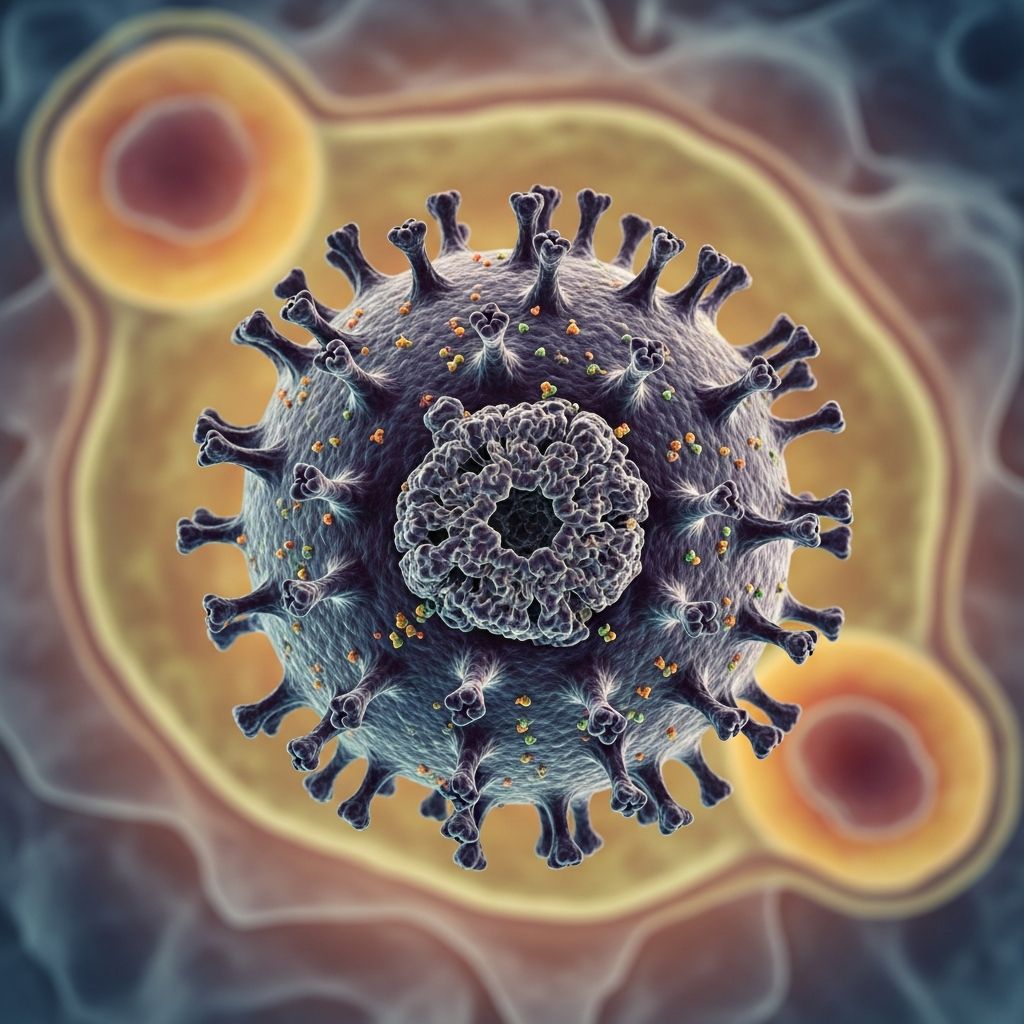
Feline Immunodeficiency Virus (FIV) is a retrovirus that targets a cat’s immune system, leading to progressive weakening over time, much like HIV in humans. Cats infected with FIV can live long, healthy lives with proper management, though they face increased risks of secondary infections and certain diseases.
The Nature of FIV and How It Affects Cats
FIV primarily attacks CD4+ T cells, but also impacts CD8+ T cells, B cells, macrophages, and other immune components, causing both suppression and dysregulation. This leads to poor responses to pathogens, elevated anti-inflammatory cytokines, and vulnerability to opportunistic infections. Unlike HIV, FIV does not spread to humans or other species, remaining cat-specific.
The virus progresses through distinct phases: an acute early stage, a prolonged asymptomatic period, and a chronic terminal phase marked by severe immune decline. Research using FIV as a model for HIV has advanced understanding of retroviral diseases.
Transmission Routes: Common Ways Cats Contract FIV
- Bite wounds: The primary mode, especially among intact outdoor males during territorial fights, as saliva carries high viral loads.
- Mother-to-kitten: Via placenta, milk, or grooming; rates up to 70% in early infection or immunocompromised queens, potentially causing fetal issues.
- Sexual contact: Less common than bites, but possible between mates.
- Rare routes: Sharing food bowls or litter boxes poses minimal risk, as the virus does not survive long outside the body.
Indoor cats and neutered/spayed felines have drastically lower infection rates due to reduced fighting.
Progression Stages of FIV Infection
FIV infection unfolds in three stages, each with characteristic features.
| Stage | Timeline | Key Features |
|---|---|---|
| Acute | 4-6 weeks post-exposure | Fever, lymphadenopathy, mild lethargy; often unnoticed. |
| Asymptomatic (Latent) | Years to decades | No clinical signs; virus replicates slowly, immune function subtly declines. |
| Chronic/Advanced | Late stages | Recurrent infections, weight loss, cancers; life expectancy ~1 year without care. |
Recognizing Symptoms: Signs of FIV in Cats
Symptoms vary by stage and are often nonspecific, mimicking other conditions. Early signs include fever and swollen nodes, while advanced disease brings recurrent issues.
- Weight loss and poor appetite
- Chronic gingivitis, stomatitis, dental resorptive lesions
- Recurrent respiratory, skin, ear, or eye infections
- Persistent diarrhea, neurological changes (e.g., aggression, seizures)
- Fever, lethargy, anemia, poor coat
Neurological effects from neurovirulent strains include tremors, incontinence, and cognitive deficits due to indirect neuronal damage. Oral diseases affect ~50% of cases.
Accurate Diagnosis of FIV
Diagnosis combines history, clinical signs, and tests. Initial screening uses ELISA for antibodies in blood, confirmed by Western Blot or PCR for viral DNA, especially in kittens or vaccinated cats.
False positives occur in colostrum-exposed kittens (maternal antibodies fade by 6 months); retest advised. PCR detects active infection but misses low-load cases. Routine testing is recommended for at-risk cats, like those entering households.
Management and Treatment Strategies
No cure exists, but supportive care extends life significantly. Focus on preventing secondary issues.
- Antiviral therapies: Limited; interferons or AZT analogs show promise in trials.
- Antibiotics/Antifungals: For opportunistic infections like cryptococcosis or hemoplasmosis.
- Dental care: Regular cleanings to manage stomatitis.
- Nutrition/Supplements: High-quality diet, antioxidants to bolster immunity.
Prognosis improves with indoor living, neutering, and prompt veterinary intervention; many FIV+ cats live normal spans.
Preventing FIV Infection in Your Cat
Prevention emphasizes lifestyle changes over vaccination, as the latter offers partial protection and complicates testing.
- Keep cats indoors to avoid fights.
- Spay/neuter to reduce aggression.
- Test and segregate positives from negatives.
- Vaccinate in high-risk areas (not universally available).
Mother-to-kitten risk drops with early queen testing and c-section if needed.
Living with an FIV-Positive Cat: Daily Care Tips
FIV+ cats thrive as indoor-only pets with vigilant owners. Provide stress-free environments, clean litter daily, and schedule frequent vet checkups.
- Monitor weight, appetite, and litter habits weekly.
- Use flea preventives to avoid parasite burdens.
- Feed immune-supportive foods rich in omega-3s.
- Socialize carefully; FIV+ can coexist with FIV+ or tested negatives.
Dispel myths: FIV+ cats are not “death sentences”; many enjoy quality years.
FAQs About Feline Immunodeficiency Virus
Can FIV be transmitted through casual contact?
No, casual contact like sharing bowls is low-risk; bites are the main vector.
Is there a vaccine for FIV?
Yes, but availability varies; it doesn’t cover all strains and vaccinated cats test positive.
How long do FIV-positive cats live?
With care, many match non-infected lifespans; advanced cases shorten to under a year.
Should I adopt an FIV+ cat?
Absolutely, if prepared for extra monitoring; they make loving companions.
Does FIV affect kittens differently?
Vertical transmission risks fetal loss; test after 6 months.
Pathological Insights and Research Frontiers
Pathology reveals emaciation, lymphadenopathy, lymphoid depletion, nephritis, and CNS gliosis in advanced cases. Ongoing studies explore cytokine therapies and neuroprotection, leveraging FIV’s HIV parallels.
FIV+ cats may develop neoplasia, enteropathy, or myopathy, underscoring holistic care needs.
References
- Feline Immunodeficiency Virus Infection — PMC – NIH. 2020-04-07. https://pmc.ncbi.nlm.nih.gov/articles/PMC7152317/
- Feline Immunodeficiency Virus (FIV) — Cornell University College of Veterinary Medicine. Accessed 2026. https://www.vet.cornell.edu/departments-centers-and-institutes/cornell-feline-health-center/health-information/feline-health-topics/feline-immunodeficiency-virus-fiv
- Feline immunodeficiency virus (FIV) — International Cat Care. Accessed 2026. https://icatcare.org/articles/feline-immunodeficiency-virus-fiv
- Cats and FIV: Symptoms, Causes, and Treatments — WebMD. Accessed 2026. https://www.webmd.com/pets/cats/cat-fiv-feline-immunodeficiency-virus
- FIV/FeLV — Amarillo Animal Management & Welfare. Accessed 2026. https://amw.amarillo.gov/adoption-resources/disease-management/fiv-felv
- Feline Immunodeficiency Virus (FIV) — Bilmar Veterinary Services. Accessed 2026. https://www.bilmarvet.com/feline-immunodeficiency-virus-fiv
- Feline Immunodeficiency Virus (FIV): What You Need to Know — Just Cats Clinic. Accessed 2026. https://justcatsclinic.com/feline-immunodeficiency-virus-fiv-what-you-need-to-know/
Similar Articles








Read full bio of medha deb




