
FIV in Cats: Symptoms, Diagnosis, and Treatment
Understanding FIV in cats: Learn about symptoms, diagnosis methods, and treatment options for feline immunodeficiency virus.
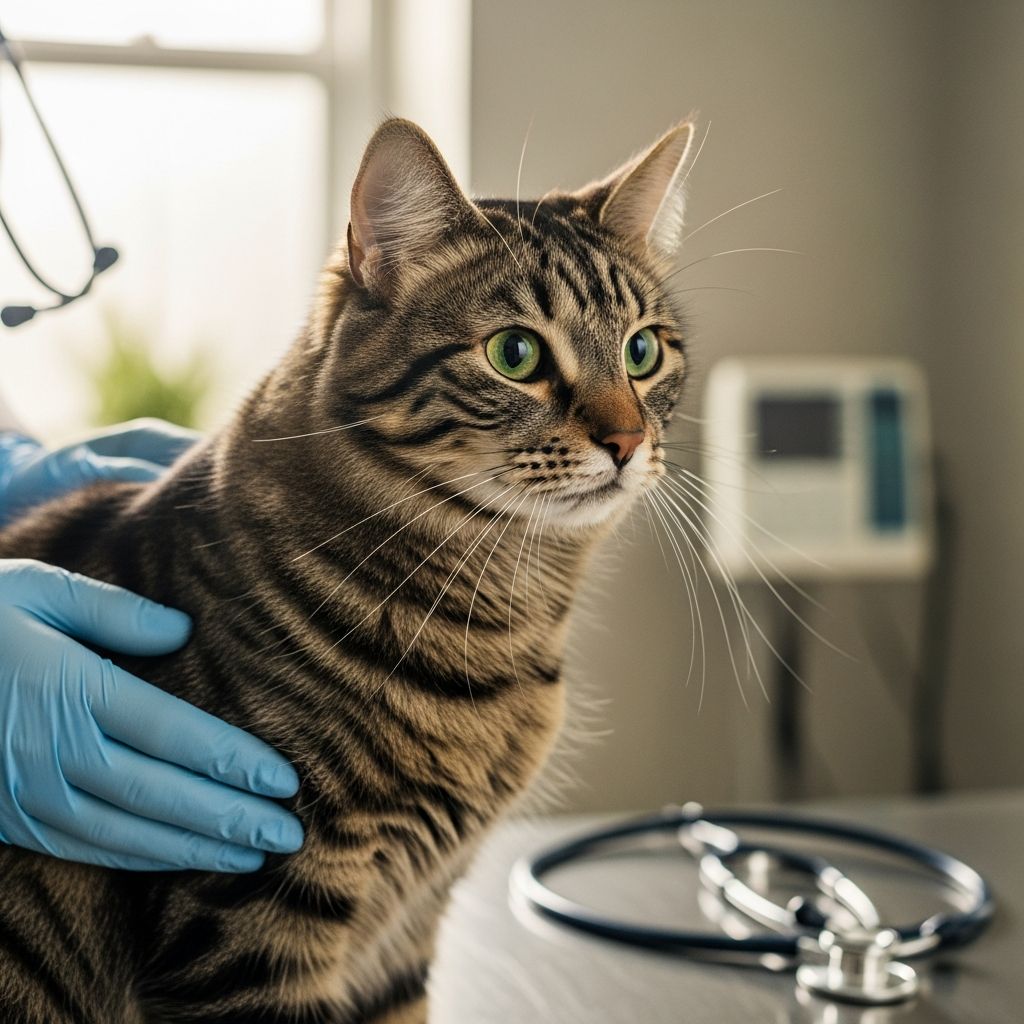
Feline Immunodeficiency Virus (FIV) in Cats: Symptoms, Diagnosis, and Treatment
Feline immunodeficiency virus (FIV) stands as one of the most common and consequential infectious diseases affecting cats worldwide. This slow-acting retrovirus attacks the feline immune system over time, progressively weakening the body’s ability to fight off infections and diseases. Understanding FIV is essential for cat owners, as it can significantly impact their pet’s quality of life and longevity.
FIV was first isolated in 1986 by researchers at UC Davis School of Veterinary Medicine in a colony of cats displaying high rates of opportunistic infections and degenerative conditions. Since its discovery, the virus has been identified in domestic cats globally, affecting approximately 2.5% to 4.4% of felines worldwide. Though no cure currently exists for FIV, recent studies suggest that many infected cats can live average life spans with proper care and management, provided they are not co-infected with feline leukemia virus (FeLV).
Understanding FIV: What It Is and How It Works
FIV is a lentivirus that compromises the immune system by infecting multiple cell types, including CD4+ and CD8+ T lymphocytes, B lymphocytes, and macrophages. The virus works by killing or damaging cells in a cat’s immune system, often targeting white blood cells. Over time, this ongoing cellular damage leads to a weakening of the immune system, making cats vulnerable to secondary infections caused by normally harmless bacteria, viruses, protozoa, and fungi found in everyday environments.
Unlike human HIV, FIV can be tolerated well by cats initially, but it can eventually lead to complete debilitation of the immune system through the infection and exhaustion of T-helper (CD4+) cells. This progressive deterioration may take months or even years to manifest in clinical symptoms.
How FIV Is Transmitted Between Cats
Understanding transmission routes is crucial for preventing FIV spread among feline populations. The primary mode of transmission occurs through deep bite wounds, in which the infected cat’s saliva enters the other cat’s tissues. Infected cats shed the virus mainly through their saliva, and transmission happens when an FIV-positive cat bites another cat, introducing infected saliva through the wound.
FIV can also be transmitted through other bodily fluids, particularly infected blood. Susceptible cats may become infected through bite wounds containing contaminated blood or through blood transfusions. Sexual contact represents another potential transmission route, though it is not considered a significant means of spreading FIV among cats.
Importantly, casual, non-aggressive contact does not appear to be an efficient transmission route. Sharing water bowls, mutual grooming, and other routine interactions between cats do not typically spread the virus. This means cats in stable household environments where housemates do not fight face minimal risk of acquiring FIV from one another.
Vertical transmission from infected mother cats to their offspring can occur, but remains relatively rare based on the small number of FIV-infected kittens and adolescents observed. However, if a mother cat becomes infected with FIV during pregnancy, transmission risk to her kittens increases significantly.
Risk Factors and Susceptibility
Certain cats face higher risks of FIV infection than others. Cats that roam outdoors, male cats, and older cats are more likely to become infected. Outdoor cats have increased exposure to other potentially infected felines and are more likely to engage in territorial fights that result in deep bite wounds. Male cats also tend to have higher infection rates, likely due to more aggressive territorial behaviors.
Stages of FIV Progression
FIV progresses through distinct stages similar to HIV infection in humans. Understanding these stages helps cat owners recognize when their pet may be transitioning into more serious phases of the disease.
Acute Phase
The initial stage, known as the acute phase, occurs shortly after infection and is accompanied by mild symptoms such as lethargy, anorexia, fever, and lymphadenopathy (swelling of the lymph nodes). During this period, cats may have a fever and enlargement of the lymph nodes. This initial stage is typically fairly short, lasting from days to weeks.
Asymptomatic Phase
Following the acute phase, cats enter the asymptomatic phase, a crucial period where the virus replicates very slowly within immune system cells, and cats demonstrate no noticeable symptoms for a variable length of time. Some cats remain in this latent stage for only a few months, while for others it can last for years. During this extended period, infected cats may exhibit blood work abnormalities, such as low white blood cell levels or increased blood proteins, even though they appear completely healthy.
Several factors influence the length of the asymptomatic stage, including the pathogenicity of the infecting virus, FIV subtype (A–E), the age of the cat, and exposure to other pathogens. Younger cats may progress more slowly through this stage compared to older cats.
FAIDS Stage
Eventually, the cat progresses into the final stage known as feline acquired immune deficiency syndrome (FAIDS). At this point, the cat becomes extremely susceptible to secondary diseases that are typically the cause of death. Once cats become ill with multiple critical infections or cancers, survival time is usually limited to a few months.
Recognizing FIV Symptoms in Your Cat
Symptoms of FIV vary depending on the stage of infection and the specific secondary infections a cat develops. Many felines infected with FIV end up developing some form of cancer or blood disease. Common signs of FIV infection include:
- Poor coat condition
- Recurring or persistent fever
- Lack of appetite and gradual weight loss
- Inflammation in the mouth and gums
- Chronic or recurrent infections in the eyes, skin, upper respiratory tract, or bladder
- Constant or intermittent diarrhea
- Persistent eye problems
- Seizures
- Behavioral changes
- Signs of neurological disorders, including balance issues and coordination problems
Inflammation of the gums and severe dental disease, known as gingivostomatitis, is particularly common in cats infected with FIV. FIV-positive cats have weaker immune systems, making them more prone to getting infections such as upper respiratory infections, ringworm, and dental disease. Additionally, infected cats are significantly more likely to develop cancer and immune-mediated blood disorders than healthy cats.
Diagnosis of FIV in Cats
Proper diagnosis is essential for managing FIV in cats. Several testing methods are available, each with different levels of accuracy and specific applications.
ELISA Test
The ELISA (enzyme-linked immunosorbent assay) test is commonly used for initial FIV screening. However, this test detects antibodies to FIV rather than the virus itself. It can take up to eight weeks for a cat to develop antibodies to FIV, meaning a recently infected cat may falsely test negative on an ELISA test.
Confirmation Testing
If a cat tests positive on the ELISA test, results should be confirmed through additional testing methods. For young kittens, retesting in eight weeks is recommended, or blood samples can be submitted for more definitive testing through a Western blot test or polymerase chain reaction (PCR) test. The PCR test is more accurate than ELISA but may return negative results in cats that are asymptomatic, as the viral load may be very low during the asymptomatic phase.
Testing Recommendations
Cats with known exposure to FIV should be tested multiple times to ensure accuracy. Initial testing may need to be followed by retesting after several weeks to account for the window period before antibodies develop. Working with your veterinarian to determine the appropriate testing schedule based on your cat’s circumstances is important.
FIV vs. Feline Leukemia Virus (FeLV): Understanding the Difference
People often confuse FIV and feline leukemia virus because they can cause similar symptoms in cats. However, while both derive from the retrovirus family, they are different diseases with distinct transmission patterns and progression characteristics.
| Feature | FIV | FeLV |
|---|---|---|
| Primary Transmission | Deep bite wounds | Saliva, urine, feces; casual contact |
| Most Common In | Outdoor male cats; older cats | Young or immunocompromised cats |
| Spread Through Casual Contact | No | Yes |
| Disease Progression | Slow; may take years | Can cause rapid decline |
| Household Risk | Low in stable environments | Higher risk |
Treatment and Management of FIV
While there is currently no cure for FIV, infected cats can live quality lives with appropriate management and veterinary care. Treatment focuses on maintaining immune function, preventing secondary infections, and addressing any complications that arise.
Supportive Care
Managing an FIV-positive cat involves providing excellent supportive care, including a balanced, nutritious diet to maintain strength and immune function. Regular veterinary check-ups are essential to monitor the cat’s health status and catch secondary infections early before they become serious.
Managing Secondary Infections
As the immune system weakens, secondary infections become more common. Prompt treatment of any infections is crucial. Your veterinarian may prescribe antibiotics, antifungal medications, or other treatments as needed to address specific secondary infections.
Environmental Considerations
Creating a safe, stress-free environment supports immune function. Keeping FIV-positive cats indoors reduces their exposure to pathogens and other infected cats. Minimizing stress through environmental enrichment and maintaining stable social structures can help maintain immune health.
Living with an FIV-Positive Cat
Many FIV-positive cats and FIV-negative cats live together in the same home for years without spreading the virus to non-infected cats, provided they do not engage in fighting. It is very rare for cats to get FIV just from being around infected cats, sharing food bowls, or from a person touching an FIV-positive cat and then touching an FIV-negative cat.
To maintain quality of life for an infected cat:
- Schedule regular veterinary examinations at least twice yearly
- Maintain excellent nutrition and hydration
- Provide appropriate exercise and environmental enrichment
- Keep the cat indoors to minimize pathogen exposure
- Manage stress and maintain a stable household environment
- Monitor for any signs of illness or behavioral changes
- Follow your veterinarian’s recommendations for preventive care and vaccinations
Frequently Asked Questions About FIV in Cats
Q: Can my indoor cat get FIV?
A: While indoor cats have significantly lower risk, they can contract FIV if they fight with an infected cat or through other exposure to infected blood. However, the risk is minimal for indoor cats that do not go outside and have no contact with potentially infected cats.
Q: Is FIV fatal?
A: FIV itself is not immediately fatal, and many infected cats live for years after diagnosis. However, the weakened immune system eventually leads to secondary infections or cancers that can be fatal. With proper care, many cats live average lifespans.
Q: Can humans catch FIV from cats?
A: No, FIV is species-specific and only affects cats. Humans cannot contract FIV from infected cats. It is safe to touch and handle FIV-positive cats.
Q: How long do cats with FIV live?
A: The lifespan of FIV-positive cats varies greatly. Many cats live average lifespans and may remain in the asymptomatic stage for years. Survival depends on the stage of disease, co-infections, and overall health management.
Q: Can FIV be prevented?
A: The best prevention is keeping cats indoors and away from potentially infected cats. An FIV vaccine exists in some countries but is not universally available or recommended. Testing and separating infected cats from non-infected ones is important in multi-cat households.
Q: Should I have my cat tested for FIV?
A: Yes, testing is recommended for all cats, especially outdoor cats, newly adopted cats, and cats with unknown histories. Early detection allows for better management and household precautions.
References
- Feline immunodeficiency virus — Wikipedia. Accessed 2025-11-28. https://en.wikipedia.org/wiki/Feline_immunodeficiency_virus
- Cats and FIV: Symptoms, Causes, and Treatments — WebMD Pets. https://www.webmd.com/pets/cats/cat-fiv-feline-immunodeficiency-virus
- Feline Immunodeficiency Virus (FIV) — VCA Animal Hospitals. https://vcahospitals.com/know-your-pet/feline-immunodeficiency-virus-infection
- Feline Immunodeficiency Virus (FIV) — Cornell University College of Veterinary Medicine. https://www.vet.cornell.edu/departments-centers-and-institutes/cornell-feline-health-center/health-information/feline-health-topics/feline-immunodeficiency-virus-fiv
- Feline Immunodeficiency Virus (FIV) — Merck Veterinary Manual. https://www.merckvetmanual.com/cat-owners/disorders-affecting-multiple-body-systems-of-cats/feline-immunodeficiency-virus-fiv
- FIV in Cats: Feline Immunodeficiency Virus FAQs — Best Friends Animal Society. https://bestfriends.org/pet-care-resources/fiv-cats-feline-immunodeficiency-virus-faqs
- Feline immunodeficiency virus infection: an overview — PubMed Central. https://pubmed.ncbi.nlm.nih.gov/9564266/
Similar Articles








Read full bio of Sneha Tete




