

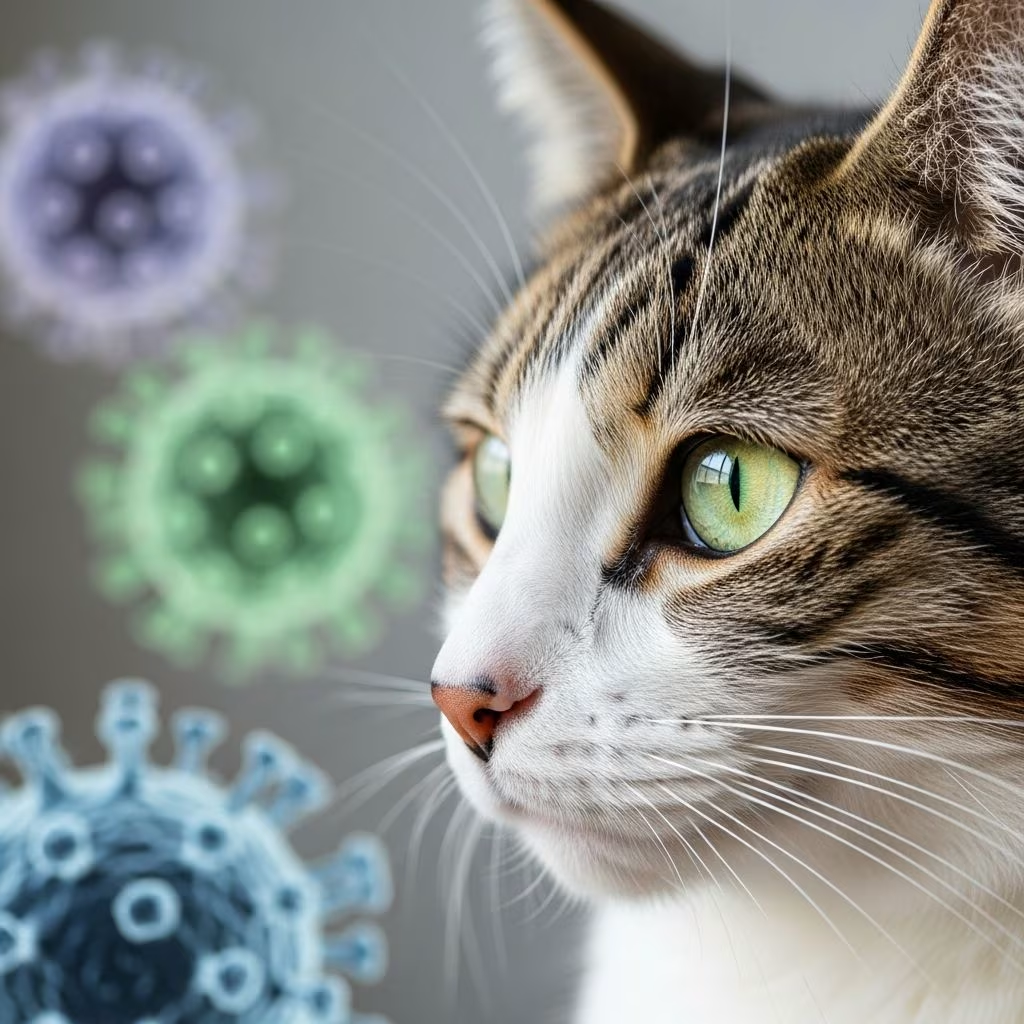
Understanding Feline Immunodeficiency Virus (FIV)
Feline Immunodeficiency Virus, commonly referred to as FIV, is a retrovirus that specifically targets and damages the immune system of cats. This virus is distinct to felines and cannot be transmitted to humans or other species, making it a concern specific to the feline population. FIV infection leads to a gradual decline in immune function, leaving affected cats vulnerable to various secondary infections and diseases. The collective signs associated with FIV infection are sometimes called feline AIDS, as the virus operates similarly to HIV in humans by compromising the body’s ability to fight off infections.
Understanding FIV is crucial for cat owners because early detection and proper management can significantly improve a cat’s quality of life. While the virus itself cannot be cured, affected cats can live relatively normal lives for many years with appropriate care and monitoring. The key to managing FIV is vigilance, prompt treatment of any secondary infections, and maintaining a healthy lifestyle for the infected cat.
How Cats Contract FIV
FIV is primarily transmitted through deep bite wounds, which is why the virus is most commonly spread during cat fights. The virus is present in the saliva of infected cats, and when an infected cat bites another cat deeply enough to break the skin, there is a significant risk of transmission. This transmission route explains why outdoor cats and cats with access to the outdoors are at higher risk of contracting FIV compared to indoor cats.
It is important to note that FIV is not transmitted through casual contact such as sharing food bowls, litter boxes, or during grooming. The virus requires direct access to the bloodstream, which typically only occurs through deep puncture wounds. Additionally, FIV cannot be transmitted from an infected mother cat to her kittens through nursing, though kittens can contract the virus if bitten during the birthing process. This distinction is important for owners managing multiple cats in a household.
Recognizing the Stages of FIV Infection
Acute Phase
The acute phase of FIV infection generally occurs within 1 to 3 months after initial exposure to the virus. During this stage, the virus is carried to lymph nodes, where it reproduces in white blood cells known as T-lymphocytes. The virus then spreads to other lymph nodes throughout the body, resulting in temporary lymph node enlargement. This phase is often accompanied by mild fever, depression, and lack of appetite. Many cat owners fail to notice these initial signs because the symptoms are often mild and may be attributed to other common causes of fever.
Asymptomatic Phase
Following the acute phase, most cats enter an asymptomatic phase that can last for several years. During this period, infected cats appear healthy and may show no obvious signs of illness. However, the virus continues to replicate within the body, gradually damaging the immune system. This extended asymptomatic phase is why many infected cats live relatively normal lives if properly managed, though the duration varies significantly between individual cats.
Terminal or AIDS Phase
Eventually, as immune function deteriorates, cats may develop the symptomatic phase, sometimes referred to as the AIDS phase. During this stage, the compromised immune system can no longer adequately fight off infections and other diseases. This is when clinical signs become apparent and secondary infections become more frequent and severe.
Clinical Signs and Symptoms of FIV
FIV-infected cats may present with a wide variety of clinical signs that develop gradually over time. Not all infected cats will show all symptoms, and the severity and combination of signs varies between individual cats. The following are common clinical signs associated with FIV infection:
- Gingivitis and stomatitis (inflammation of the gums and mouth)
- Progressive weight loss that occurs slowly but steadily
- Poor appetite and reduced food intake
- Fever, especially fever of unknown origin that returns periodically
- Inflammation of the membrane around the eyes (chronic conjunctivitis) and possibly uveitis (inflammation inside the eyes)
- Swollen lymph nodes throughout the body
- Vomiting and chronic diarrhea
- Recurrent upper respiratory tract infections
- Chronic skin infections and poor coat condition
- Urinary tract infections and bladder inflammation
- Lethargy and general fatigue
- Behavioral changes and neurological signs such as balance problems
- Development of certain cancers, including lymphoma and leukemia
Many FIV-positive cats develop recurrent infections that do not respond to treatment as well as expected, or infections that keep returning despite appropriate antibiotic therapy. This occurs because the damaged immune system cannot effectively eliminate pathogens. Weight loss is often one of the first signs of deterioration and should prompt immediate veterinary evaluation.
Diagnosing FIV in Cats
Diagnosing FIV requires specific blood tests performed by a veterinarian. The most common diagnostic approach involves testing for antibodies to FIV using a blood or saliva sample. There are several testing methods available, including enzyme-linked immunosorbent assay (ELISA) and immunofluorescence antibody (IFA) tests. Some veterinary clinics offer rapid point-of-care tests that can provide results within minutes during an office visit.
It is important to understand that kittens born to FIV-positive mothers may test positive temporarily due to maternal antibodies, even if they are not actually infected. For this reason, kittens testing positive should be retested at 12 weeks and 16 weeks of age to determine if they are genuinely infected. Additionally, newly infected cats may not show detectable antibodies for several weeks after infection, so a negative test early in infection may not be reliable. In cases of suspected recent infection, retesting may be recommended.
Managing FIV: Treatment Options
Understanding Current Treatment Limitations
Unfortunately, there is no effective cure or specific antiviral treatment for FIV itself. However, it is crucial to understand that while impossible to predict the exact survival of any given FIV-infected cat, cats with FIV can live very normal, healthy lives for many years with appropriate management. Research has shown that FIV-positive cats live on average 5 years after diagnosis, though this timeframe varies considerably based on individual factors and the quality of care provided.
Antiviral Medications
Some cats have been treated with human anti-HIV drugs, such as AZT (zidovudine, Retrovir), with variable success. Zidovudine treatment can help cats with severe dental inflammation (stomatitis) or neurologic disease, but it has not been consistently shown to prolong overall survival in FIV-infected cats. Additionally, these medications can have significant side effects that may limit their use. An immunomodulatory medication called interferon may have some benefit in certain cases, though it is not available in all countries.
Early and aggressive treatment of FIV can extend the periods when a cat remains asymptomatic and may allow them to maintain a good quality of life. However, any decision to use antiviral therapies should be made in consultation with a veterinarian who can assess the individual cat’s condition and discuss potential benefits and side effects.
Supportive and Symptomatic Care
The primary focus of FIV management is providing comprehensive supportive care and treating secondary infections and symptoms as they arise:
- Antibiotics for Secondary Infections: Secondary bacterial infections associated with feline AIDS can be effectively treated with antibiotics. However, this treatment is usually temporary, as new infections will continue to occur due to the suppressed immune system. Cats may require longer or more intense treatment courses than uninfected cats.
- Immune System Support: Medications designed to boost immune function may be recommended to help the cat’s body better fight infections.
- Anti-inflammatory Medications: Drugs that reduce inflammation may help alleviate symptoms and improve comfort.
- Nutritional Support: Providing a high-quality, balanced diet that is easy on the digestive system supports overall health and immune function.
- Parasite Control: Regular parasite prevention is essential, as FIV-positive cats are more susceptible to parasitic infections.
- Fluid and Electrolyte Therapy: In cases of severe vomiting or diarrhea, fluid replacement therapy may be necessary to maintain proper hydration and electrolyte balance.
Long-Term Management and Monitoring
Veterinary Care Schedule
Wellness visits for FIV-infected cats should be scheduled at least every six months, and many veterinarians recommend twice-yearly examinations. During these visits, the veterinarian will perform a detailed physical examination of all body systems with special attention to the health of the gums, eyes, skin, and lymph nodes. Weight will be measured accurately and recorded, as weight loss is often the first sign of deterioration. A complete blood count, serum biochemical analysis, and urine analysis should be performed annually to monitor immune status and detect developing problems early.
Environmental Management
FIV-positive cats should be kept indoors to minimize exposure to infectious diseases and prevent the spread of the virus to other cats. Indoor cats experience fewer infectious challenges from environmental pathogens, allowing their compromised immune systems to focus on fighting infections within the body. Additionally, keeping infected cats indoors prevents transmission to outdoor or stray cats in the neighborhood.
Nutrition and Diet
Ensuring that an FIV-positive cat has access to a healthy lifestyle and high-quality diet is fundamental to long-term management. Raw diets should be avoided, as the pathogens found in raw foods may make immune-compromised cats ill. A nutritionally balanced diet formulated to support immune function and appropriate for the cat’s life stage is recommended.
Spaying and Neutering
FIV-infected cats should be spayed or neutered. This procedure reduces the risk of fighting and the associated spread of infection through bite wounds. Spaying and neutering also help manage behavioral issues that might lead to conflicts with other animals.
Prognosis and Quality of Life
The prognosis for FIV-infected cats varies considerably based on individual factors, the stage of infection, and the quality of care provided. Cats that remain asymptomatic for extended periods generally have a better prognosis than cats that develop severe clinical signs. However, once an FIV-infected cat has experienced one or more severe illnesses as a result of the infection, or if persistent fever and weight loss are present, the prognosis becomes less favorable.
Despite the diagnosis, many cat owners report that their FIV-positive cats enjoy years of quality life. The key to achieving this outcome is close monitoring, prompt and aggressive treatment of any secondary infections, and maintaining an environment and lifestyle that supports the cat’s health and wellbeing.
Preventing FIV Transmission
Prevention of FIV transmission is primarily focused on minimizing the risk of bite wounds between cats. Keeping cats indoors eliminates contact with potentially infected outdoor cats. In multi-cat households where one cat is FIV-positive and others are negative, separation of cats or at minimum prevention of fighting is essential. FIV-positive cats should not be allowed to roam outdoors unsupervised, and fighting between cats should be prevented whenever possible.
Additionally, all cats should be tested for FIV as part of their initial veterinary evaluation and before being introduced to a household with other cats. This helps ensure that infected cats can be properly managed and housed to prevent transmission to other felines.
Frequently Asked Questions (FAQs)
Q: Can FIV be transmitted to humans or other animals?
A: No, FIV is species-specific to cats and cannot be transmitted to humans, dogs, or other animals. The virus only affects feline immune systems.
Q: How long will my FIV-positive cat live?
A: The average lifespan after diagnosis is approximately 5 years, but many cats live considerably longer with proper care. Some cats remain asymptomatic for many years, while others may develop symptoms sooner. Individual outcomes vary based on care quality and individual factors.
Q: Can my FIV-positive cat live with other cats?
A: While cohabitation is possible if cats do not fight, it carries risk of transmission through bite wounds. Many veterinarians recommend keeping FIV-positive cats separated from FIV-negative cats to prevent transmission. If cohabitation occurs, preventing fights is essential.
Q: Is there a vaccine for FIV?
A: While an FIV vaccine exists, its effectiveness is debated, and many veterinarians do not routinely recommend it. Prevention through indoor housing and avoiding contact with potentially infected cats remains the most reliable approach.
Q: How often should I take my FIV-positive cat to the veterinarian?
A: Veterinary visits should occur at least every six months, with many veterinarians recommending twice-yearly examinations. Regular monitoring helps detect secondary infections and health problems early when treatment is most effective.
Q: Can FIV be cured?
A: Currently, there is no cure for FIV. However, with appropriate management, supportive care, and prompt treatment of secondary infections, FIV-positive cats can live healthy, comfortable lives for many years.
References
- Feline Immunodeficiency Virus (FIV) — Cornell Feline Health Center, College of Veterinary Medicine, Cornell University. 2024. https://www.vet.cornell.edu/departments-centers-and-institutes/cornell-feline-health-center/health-information/feline-health-topics/feline-immunodeficiency-virus-fiv
- Feline Immunodeficiency Virus (FIV) – Cat Owners — Merck Veterinary Manual. 2024. https://www.merckvetmanual.com/cat-owners/disorders-affecting-multiple-body-systems-of-cats/feline-immunodeficiency-virus-fiv
- Cats and FIV: Symptoms, Causes, and Treatments — WebMD Pets. 2024. https://www.webmd.com/pets/cats/cat-fiv-feline-immunodeficiency-virus
- FIV in Cats — PetMD. 2024. https://www.petmd.com/cat/conditions/infectious-parasitic/fiv-cats
- Feline Immunodeficiency Virus (FIV) — International Cat Care. 2024. https://icatcare.org/articles/feline-immunodeficiency-virus-fiv
- Caring for a FIV Positive Cat — Zoetis Petcare. 2024. https://www.zoetispetcare.com/blog/article/fiv-positive-cat



