

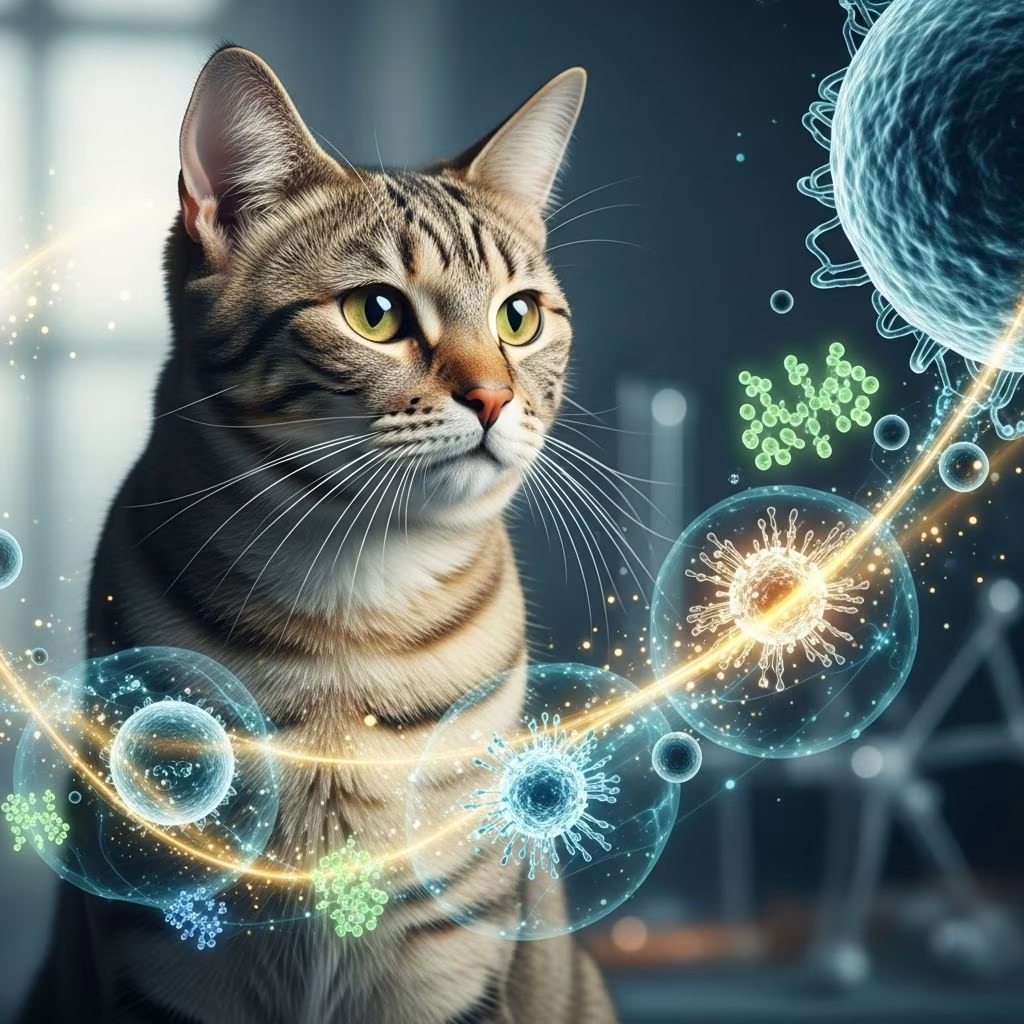
Understanding Your Cat’s Built-In Protection System
Your cat possesses one of nature’s most sophisticated defense mechanisms: the immune system. This intricate network of specialized cells, proteins, and organs works continuously to shield your feline companion from harmful invaders such as bacteria, viruses, parasites, and toxins. Without this remarkable system, cats would be vulnerable to countless threats from both their external environment and internal biological processes. The immune system operates like a vigilant security force, constantly patrolling the body and responding to dangers with precision and speed.
The feline immune system differs in several ways from human immunity, making it uniquely adapted to cats’ needs and lifestyle. Understanding how this system functions can help you better support your cat’s health and recognize when something may be amiss.
The Architecture of Feline Immunity
The immune system is far more than a single organ or type of cell. Instead, it comprises an interconnected network of structures distributed throughout the body. These components work in harmony, communicating through chemical signals and physical connections to mount coordinated defensive responses. The lymphatic and circulatory systems serve as highways, transporting immune cells and proteins to wherever they’re needed.
Primary Immune Organs
Several organs play central roles in immune function by producing immune cells and processing foreign invaders:
- Bone Marrow: This soft tissue inside the long bones of your cat’s skeleton serves as a factory for producing many types of white blood cells. The marrow contains a network of connective tissue that generates the cells responsible for both immediate and long-term immune responses.
- Thymus Gland: Located in the front portion of your cat’s chest near the heart, the thymus is particularly active during kittenhood. This gland processes T cells, a critical type of white blood cell responsible for cellular immunity. The thymus is largest in young cats and gradually shrinks as the immune system matures, though it continues to function throughout life.
- Spleen: Positioned in the upper left quadrant of the abdomen, the spleen filters blood directly, removing harmful microorganisms and dead cells. It also houses immune cells that can respond quickly to threats detected in the bloodstream.
Secondary Immune Structures
Beyond the primary organs, several other structures support immune function:
- Lymph Nodes: These small, bean-shaped structures are distributed throughout your cat’s body along lymphatic vessels, particularly in the neck, armpits, and groin. They act as inspection stations where lymph is filtered and foreign substances are trapped and neutralized. Within lymph nodes, immune cells interact with antigens and mount targeted responses. When fighting infection, lymph nodes become enlarged as they produce and store additional immune cells.
- Lymphatic Vessels: This network of vessels transports lymph—a clear fluid rich in immune cells and proteins—throughout the body. The lymphatic system runs parallel to the circulatory system, providing an alternative highway for immune communication.
- Skin: Often overlooked as an immune organ, the skin represents your cat’s largest organ and serves as the first line of defense. It creates a physical barrier that prevents harmful substances from entering the body.
- Gastrointestinal System: Your cat’s digestive tract contains numerous immune components, including germ-neutralizing enzymes in saliva and stomach acid, plus antibody-producing cells in the intestinal walls. The intestinal lining contains specialized immune tissue called gut-associated lymphoid tissue (GALT).
- Respiratory Tract: Mucous membranes and enzymes in the lungs and respiratory passages trap and neutralize harmful particles before they can cause infection.
The Cellular Soldiers: White Blood Cells and Beyond
While organs provide the infrastructure, specialized cells perform the actual work of immune defense. White blood cells, also called leukocytes, are the primary cellular components responsible for protecting your cat from disease.
Types of Immune Cells
Different white blood cells have specialized roles in immune response:
- Lymphocytes: These cells represent a significant proportion of immune cells, comprising up to 49% of cells in lymph nodes. Lymphocytes include two major subtypes—T cells and B cells—each with distinct functions in immune defense.
- T Cells (T-Lymphocytes): After being produced in bone marrow, T cells mature in the thymus gland before being deployed throughout the body. These cells orchestrate cellular immunity by recruiting and coordinating other white blood cells to combat infections.
- B Cells (B-Lymphocytes): Unlike T cells, B cells are primarily produced in bone marrow. Each B cell is programmed to produce one specific antibody. When a B cell encounters its matching antigen, it transforms into plasma cells that manufacture antibodies en masse.
- Neutrophils: These cells respond rapidly to bacteria and inflammation, often being among the first responders to infection.
- Macrophages: Functioning as scavengers, macrophages engulf and destroy pathogens, dead cells, and other debris. They also present information to lymphocytes about invaders they’ve encountered.
- Eosinophils: These specialized cells respond particularly to parasites and foreign materials.
Molecular Messengers and Defenders
Beyond cells and organs, the immune system relies on protein molecules to facilitate communication and defense:
- Antibodies (Immunoglobulins): These specialized serum proteins are produced by B cells in response to antigens. Antibodies function by forming immune complexes, labeling substances for removal, and physically blocking viruses from entering cells. The body produces several different classes of immunoglobulins, each suited for different immune challenges.
- Cytokines: Think of cytokines as the chemical messaging system of the immune response. These proteins deliver signals between immune cells, coordinating and amplifying immune reactions.
How Cats Distinguish Friend from Foe
One of the immune system’s most crucial functions is recognizing the difference between the cat’s own cells and foreign invaders. Every cell in your cat’s body carries identifying molecules that mark it as “self.” This self-recognition system prevents the immune system from attacking the body’s own tissues—a devastating event called autoimmunity.
When the immune system encounters “nonself” substances (called antigens), it recognizes them as foreign. Antigens are the portions of viruses or bacteria that trigger immune responses. The body’s ability to distinguish between self and nonself is fundamental to all immune function and represents one of evolution’s most elegant solutions to the challenge of selective defense.
Two Tiers of Defense: Immediate and Adaptive Responses
When your cat encounters a pathogen, the immune system deploys two complementary response strategies that work in tandem:
Nonspecific Immunity: The First Responders
Nonspecific immunity, also called innate immunity, represents the immune system’s immediate response to any foreign invader. This response doesn’t require prior exposure to the threat. Instead, it relies on recognition of general danger signals that are common to many pathogens. Components like skin, mucous membranes, stomach acid, and certain white blood cells mount rapid, generalized defenses against anything identified as foreign.
Specific Immunity: The Adapted Response
Specific immunity develops after your cat’s body has encountered a particular pathogen. This response involves a learning process where the immune system adapts to the specific invader, mounts a tailored response, and importantly, remembers the threat for future encounters. B cells and their antibody products are the primary components of specific immunity. When exposed to the same pathogen again, the immune system recognizes it and responds more quickly and forcefully than it did initially—a phenomenon that forms the basis for vaccination effectiveness.
The Journey of Immune Response in Action
Imagine a bacterium enters your cat’s skin from a minor cut. Here’s how the immune system responds:
- Local immune cells at the skin barrier immediately recognize the invader as foreign.
- Chemical signals are sent throughout the body, alerting the immune system to the threat.
- Large numbers of white blood cells mobilize and migrate toward the infection site through blood and lymphatic vessels.
- Lymph nodes near the infection filter the fluid and trap bacteria, presenting them to lymphocytes.
- B cells recognize the specific bacterial antigens and transform into antibody-producing factories.
- Antibodies bind to bacteria, marking them for destruction and blocking their toxins.
- Various white blood cells engulf and destroy the marked bacteria.
- Once the threat is eliminated, immune cells remain on patrol, and some develop into memory cells that can respond even faster if the same bacteria returns.
Lymph Node Function: The Immune System’s Command Centers
Lymph nodes deserve special attention because they serve as critical hubs in the immune network. These structures contain specialized regions where different immune functions occur. The cortex area contains germinal centers where B cells differentiate into antibody-producing plasma cells. The medulla contains blood vessels and lymphatic sinuses filled with macrophages, lymphocytes, and plasma cells. The paracortical area serves as a T-cell-dependent zone crucial for cellular immunity.
As your cat encounters antigens throughout life, lymph nodes change in size and cellular composition. Antigen-stimulated lymphocytes expand within nodes and continue producing clones of cells specifically programmed to fight that particular threat. This is why your veterinarian palpates lymph nodes during examinations—swelling often indicates that the immune system is actively fighting an infection or responding to another challenge.
Age and Immune Development
Your cat’s immune system develops and changes significantly throughout life. In kittens, the thymus gland is particularly large and active as the immune system rapidly develops. This robust early immune development is why kittens require specific vaccination schedules to build immunity to common diseases. As cats mature, the thymus gradually shrinks in size, though it continues functioning. Understanding this developmental timeline helps explain why young cats have different immune needs than senior cats.
Supporting Your Cat’s Immune Health
While the immune system operates automatically, several factors influence its effectiveness. Proper nutrition provides the building blocks for immune cell production and antibody synthesis. Environmental enrichment and stress reduction support immune function, as chronic stress can suppress immune responses. Regular veterinary care, including appropriate vaccinations, helps prepare the immune system for specific threats. Understanding your cat’s immune system highlights why consistent preventive care is so important for feline health.
Conclusion
Your cat’s immune system represents a remarkable achievement of biological engineering. Through interconnected organs, specialized cells, and molecular messengers, this system provides comprehensive protection against countless threats. By appreciating how your cat’s immune defenses work, you can better support your feline companion’s health and recognize when professional veterinary care may be needed. A healthy immune system is the foundation of feline wellness, enabling your cat to live a vibrant, disease-resistant life.
References
- The Immune System of Cats — MSD Veterinary Manual. Merck & Co., Inc. https://www.msdvetmanual.com/cat-owners/immune-disorders-of-cats/the-immune-system-of-cats
- Structure and Function of the Immune System in Cats — PetPlace.com. https://www.petplace.com/article/cats/pet-health/structure-and-function-of-the-immune-system-in-cats
- Understanding Immune System Support for Cats — Hill’s Pet Nutrition. https://www.hillspet.com/cat-care/nutrition-feeding/understanding-immune-system-support-for-cats
- Immunology of the Cat — PMC/National Institutes of Health. https://pmc.ncbi.nlm.nih.gov/articles/PMC7150114/
- The Feline Lymphatic System: Understanding Cat Lymph Nodes — Imprime Medicine. https://www.imprimedicine.com/blog/cat-lymph-nodes
- The Canine and Feline Immune System — Manorswood Veterinary Clinic. https://manorswoodvet.co.za/the-canine-and-feline-immune-system/
- Feline Immune System — PMC/National Institutes of Health. https://pmc.ncbi.nlm.nih.gov/articles/PMC7149830/



