

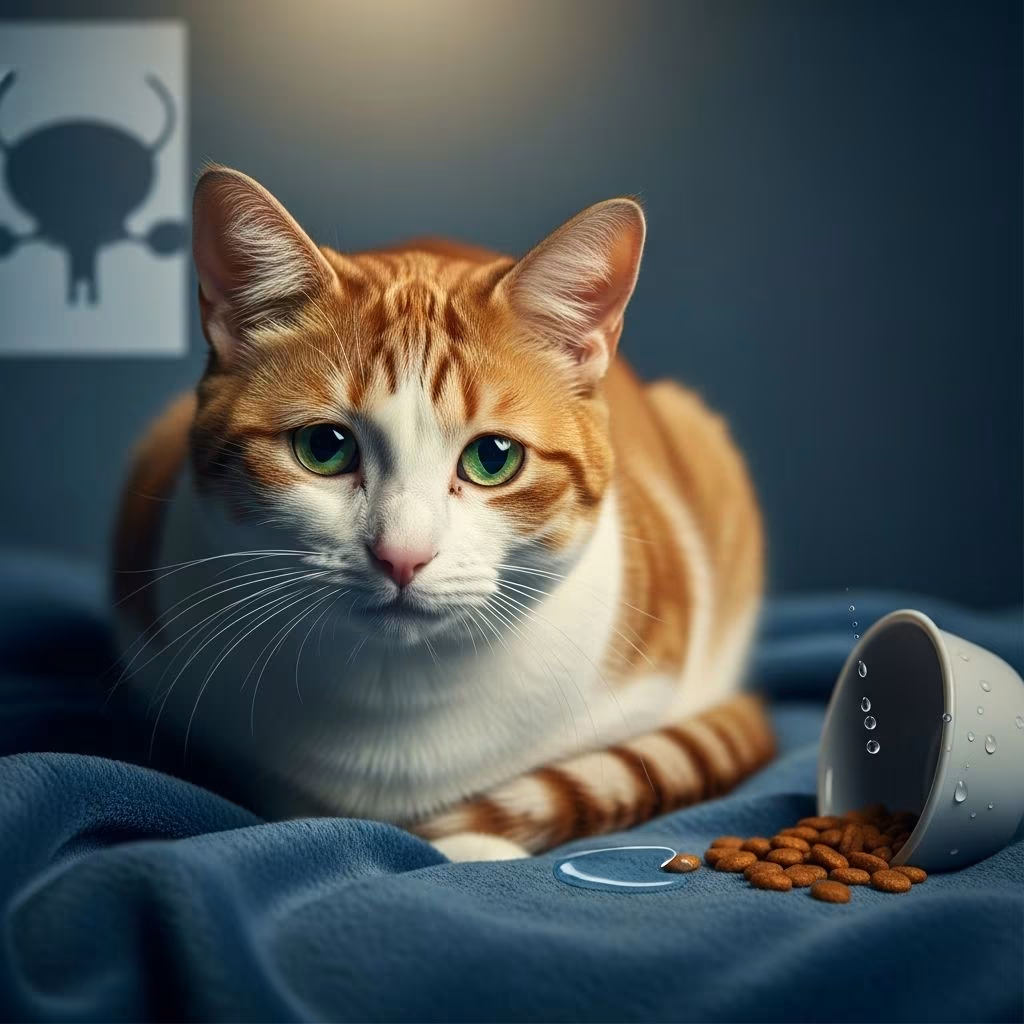
Understanding Feline Idiopathic Cystitis in Cats
Feline idiopathic cystitis (FIC) is one of the most common conditions affecting cats today, representing a significant portion of cases seen in veterinary clinics. This painful bladder condition causes clinical signs associated with feline lower urinary tract disease (FLUTD), including blood-tinged urine, straining during urination, and inappropriate urination outside the litter box. Unlike other forms of FLUTD, FIC has no identifiable underlying cause, making it a diagnosis of exclusion. The condition can severely impact a cat’s quality of life and, in severe cases, can lead to life-threatening urinary tract blockages.
What is Feline Idiopathic Cystitis?
Feline idiopathic cystitis is characterized by inflammation of the bladder wall without an identifiable infectious, structural, or metabolic cause. The term “idiopathic” means the exact cause is unknown, which is why FIC is diagnosed only after ruling out other potential causes of lower urinary tract disease. FIC is a complex condition that involves interactions between environmental stressors, the nervous system, hormonal changes, and bladder abnormalities. The disease typically affects cats between 1 and 10 years of age, with male cats being over-represented in clinical presentations.
Common Signs and Symptoms of FIC
Recognizing the symptoms of feline idiopathic cystitis is crucial for early intervention and management. Cats with FIC display various clinical signs that indicate bladder discomfort and inflammation:
Urinary Symptoms
- Difficulty passing urine: Your cat may strain, scratch in the litter tray for extended periods, and cry out in pain while attempting to urinate.
- Increased urination frequency: Affected cats often urinate more frequently, typically in small amounts throughout the day.
- Blood in the urine: Hematuria may be visible to the naked eye or detectable only through veterinary testing.
- Inappropriate urination: Cats with FIC frequently urinate outside the litter box, often in unusual or inappropriate places, particularly on cool, smooth surfaces such as tile or hardwood floors.
Behavioral Symptoms
- Excessive grooming: Cats may overgroom their belly or genital area, sometimes to the point of causing hair loss due to irritation and discomfort.
- Vocalization: Cats often cry out or meow while urinating, indicating pain or distress.
- Behavioral changes: FIC can cause increased irritability, withdrawal from usual activities, hiding, and decreased social interaction.
- Reduced energy and appetite: Affected cats may display lack of energy, decreased appetite, and general malaise.
- Gastrointestinal symptoms: Some cats may experience vomiting or diarrhea alongside urinary symptoms.
What Causes Feline Idiopathic Cystitis?
While the exact cause of FIC remains unknown, researchers have identified multiple factors that contribute to its development. Understanding these contributing factors is essential for developing effective management strategies.
Stress and Environmental Factors
Stress is considered the most significant contributing factor to FIC development. Cats are highly sensitive to environmental changes, and both obvious and subtle stressors can trigger or exacerbate FIC episodes. Common stressors include moving to a new home, changes in household routine, introduction of new pets or people, alterations in diet, and even rearrangement of furniture. Cats kept solely indoors and those living with one or more other cats are particularly susceptible to stress-related triggers. Notably, stress may occur even when there are no obvious outward signs.
Abnormal Stress Responses
Evidence suggests that cats with FIC have abnormal responses to stress compared to unaffected cats. This abnormality is influenced by both genetic makeup and early life experiences. Some cats appear predisposed to develop exaggerated stress responses, making them more vulnerable to FIC development.
Bladder Lining Defects
In cats with FIC, the protective mucus layer that lines the bladder wall is defective or patchy. This glycosaminoglycan (GAG) layer normally protects the underlying bladder tissue from harsh chemicals in urine. When this protective barrier is compromised, the bladder tissue becomes exposed to urine irritants, leading to inflammation, ulceration, and tissue damage.
Neurogenic Inflammation
Nerves in the bladder wall may become overstimulated either through direct irritation of the bladder lining or through signals from the brain in response to stress. The anatomical proximity of Barrington’s nucleus (the pontine micturition center) to the fear pathway increases the bladder’s vulnerability to stimulation during stress responses. This neurobiological mechanism explains why stress disproportionately affects urinary function in cats with FIC.
Other Predisposing Factors
Additional factors that may increase the risk of developing FIC include:
- Overweight body condition
- Restricted access to outdoor spaces
- Decreased activity levels
- Lack of perches or hiding spaces in the home
- Multi-cat household environments
- Inter-cat aggression or tension
- Diet consisting primarily of dry food
- Nervous or anxious disposition
Diagnosing Feline Idiopathic Cystitis
Diagnosis of FIC requires a systematic approach involving elimination of other potential causes of feline lower urinary tract disease. Your veterinarian will perform a thorough physical examination and may recommend several diagnostic tests to rule out other conditions before confirming FIC.
Conditions That Must Be Ruled Out
Before diagnosing FIC, veterinarians must exclude the following conditions:
- Bladder stones, crystals, and urethral plugs
- Bladder infections or urinary tract infections
- Trauma to the urinary system
- Neurologic disorders affecting normal urination
- Anatomic abnormalities such as urethral strictures
- Neoplasia (cancer or benign tumors of the urinary tract)
Diagnostic Tests
Your veterinarian may recommend one or more of the following diagnostic procedures:
- Urinalysis: Laboratory analysis of urine to check for abnormalities, infections, crystals, or blood.
- Urine culture: To identify or rule out bacterial infections.
- Abdominal imaging: X-rays or ultrasound to visualize the bladder and surrounding structures, detect stones, or identify structural abnormalities.
- Physical examination: Palpation of the abdomen to assess bladder size and detect pain or abnormalities.
Complications of FIC
While FIC itself is painful, the most serious complication occurs when inflammation leads to urethral obstruction. This is particularly common in male cats, as their narrower urethra is more prone to blockage. A urethral obstruction is a medical emergency that can become life-threatening if left untreated. Signs of urethral obstruction include little to no urine production, frequent vocalization indicating severe pain, and inability to urinate despite repeated attempts. If you suspect your cat has a urethral obstruction, seek immediate veterinary care.
Treatment and Management Strategies
While there is no cure for FIC, the condition can be effectively managed through multimodal approaches that focus on reducing stress and inflammation.
Environmental Modifications (MEMO)
Multimodal environmental modifications form the foundation of FIC management. These modifications aim to create a calm, enriched environment that reduces stress triggers:
- Maintain consistent routines: Keep feeding times, play schedules, and litter box cleaning on predictable schedules.
- Provide multiple resources: Offer multiple litter boxes (one per cat plus one extra), positioned in separate locations away from food and water bowls.
- Create hiding spaces: Provide perches, cat trees, boxes, or enclosed spaces where cats can retreat and feel secure.
- Enhance enrichment: Offer toys, puzzle feeders, window perches, and interactive play to maintain mental stimulation and physical activity.
- Minimize changes: Avoid unnecessary furniture rearrangement or household disruptions when possible.
- Address inter-cat tension: Separate cats with ongoing conflicts and gradually reintroduce them with supervised interactions.
- Control external stressors: Minimize exposure to loud noises, construction, or other environmental disturbances.
Dietary Management
Nutritional support can play a role in FIC management. Some cats benefit from:
- Increased water intake through wet food, water fountains, or prescription therapeutic diets
- Transition from dry food to wet food diets
- Prescription diets formulated specifically for lower urinary tract health
Pharmaceutical Interventions
While environmental modifications are the primary treatment approach, veterinarians may recommend medications in certain cases:
- Pain management: Analgesics to reduce bladder pain and improve comfort.
- Anxiety reduction: Anti-anxiety medications for cats with severe stress responses.
- Anti-inflammatory agents: To reduce bladder inflammation during acute episodes.
Long-Term Prognosis and Management
The prognosis for cats with FIC varies depending on the severity of the condition and individual response to management strategies. Many cats experience improvement in clinical signs with consistent environmental modifications and stress reduction. However, FIC is often a chronic condition, and some cats may experience recurrent episodes throughout their lives. The key to long-term success is identifying and minimizing individual stress triggers specific to each cat while maintaining a supportive, enriched home environment.
Frequently Asked Questions About Feline Idiopathic Cystitis
Q: Is FIC contagious to other cats?
A: No, feline idiopathic cystitis is not contagious. It is not caused by an infectious agent and cannot spread from one cat to another. However, stress from multi-cat households can contribute to FIC development in susceptible cats.
Q: Can FIC be cured?
A: There is currently no cure for FIC. However, clinical signs can often be successfully managed through environmental modifications, stress reduction, and sometimes dietary or pharmaceutical interventions. Many cats experience significant improvement in symptoms with appropriate management strategies.
Q: Is FIC life-threatening?
A: While FIC itself is not typically life-threatening, severe complications such as urethral obstruction can become emergencies requiring immediate veterinary intervention. Male cats are particularly at risk for obstruction, which can be life-threatening if not treated promptly.
Q: How common is FIC in cats?
A: FIC is one of the most common causes of lower urinary tract disease in cats, representing a substantial portion of feline lower urinary tract cases diagnosed in veterinary clinics.
Q: Can indoor cats get FIC?
A: Yes, indoor cats can develop FIC. In fact, cats kept solely indoors are considered at higher risk due to potential stress from environmental restrictions and lack of outdoor stimulation.
Q: What should I do if I suspect my cat has FIC?
A: Contact your veterinarian promptly. Avoid delaying care, as urinary tract problems can sometimes indicate serious underlying conditions. Your veterinarian can perform appropriate diagnostic tests and develop a management plan tailored to your cat’s specific needs.
Q: How quickly can FIC symptoms improve?
A: Response time varies among individual cats. Some cats show improvement within days to weeks with environmental modifications, while others may require several weeks or ongoing management to see significant changes in clinical signs.
References
- Feline Idiopathic Cystitis (FIC) in Cats — International Cat Care. 2025-02-20. https://icatcare.org/articles/feline-idiopathic-cystitis-fic-in-cats
- Prevalence, Risk Factors, Pathophysiology, Potential Biomarkers of Feline Idiopathic Cystitis — National Center for Biotechnology Information, U.S. National Library of Medicine. 2022. https://pmc.ncbi.nlm.nih.gov/articles/PMC9257190/
- Feline Idiopathic Cystitis — UC Davis School of Veterinary Medicine, Animal Health Topics. https://healthtopics.vetmed.ucdavis.edu/health-topics/feline-idiopathic-cystitis
- Understanding Feline Idiopathic Cystitis — Oregon Humane Society. https://www.oregonhumane.org/feline-idiopathic-cystitis/
- Cystitis in Cats: Feline Idiopathic Cystitis — Blue Cross. https://www.bluecross.org.uk/advice/cat/health-and-injuries/cystitis-in-cats



