

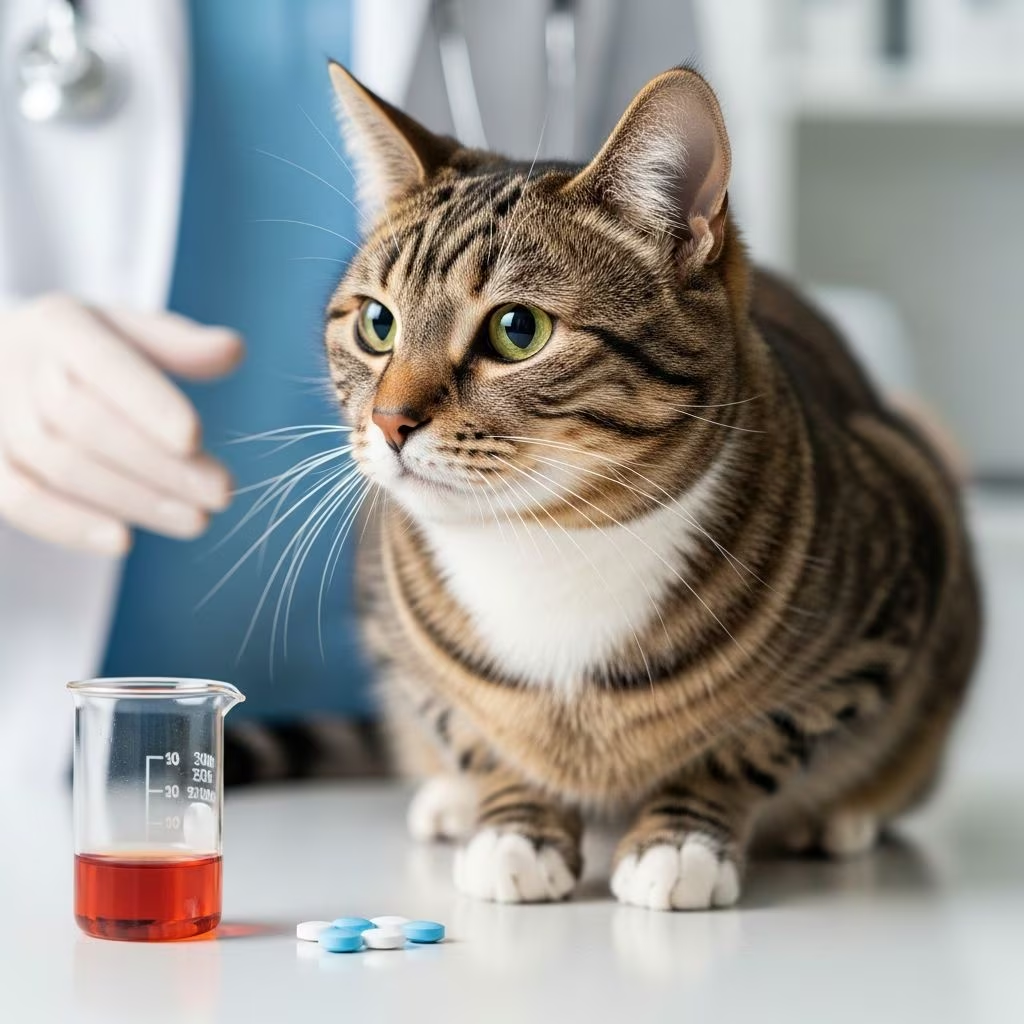
Understanding Feline Idiopathic Cystitis
Feline idiopathic cystitis (FIC) is a common condition that affects cats and causes various signs of lower urinary tract disease (FLUTD). This condition can be particularly distressing for both cats and their owners, as it leads to painful urination, inappropriate elimination, and behavioral changes. Understanding FIC is essential for cat owners to recognize the signs early and seek appropriate veterinary care. The condition is complex and multifactorial, involving interactions between environmental stressors, neurological factors, and bladder pathology.
What Is Feline Idiopathic Cystitis?
Feline idiopathic cystitis is classified as idiopathic, meaning there is no single identifiable cause. However, it represents a significant portion of cases where cats present with lower urinary tract signs. The term “idiopathic” is used when other common causes of urinary tract disease have been excluded through diagnostic testing and examination. FIC is a diagnosis of exclusion, meaning your veterinarian must first rule out other conditions that could cause similar symptoms before confirming a diagnosis of FIC.
The condition typically affects young to middle-aged adult cats, with male cats being overrepresented in the affected population. This means male cats are more likely to develop FIC than female cats, though both sexes can be affected. When FIC occurs in male cats, there is an increased risk of urethral obstruction, which is a medical emergency requiring immediate veterinary intervention.
Signs and Symptoms of Feline Idiopathic Cystitis
The clinical signs of FIC vary among affected cats but often include a combination of urinary symptoms and behavioral changes. Recognizing these signs is crucial for early detection and treatment.
Common Symptoms Include:
Difficulty Passing Urine: Cats with FIC often strain or have difficulty urinating. You may notice your cat spending prolonged periods in the litter box, scratching at the litter, or crying out in pain during urination. This straining behavior is often distressing to observe and indicates significant discomfort.
Increased Urination Frequency: Affected cats typically urinate more frequently than normal, often in small amounts. This symptom may lead to multiple trips to the litter box throughout the day and night. The cat may also produce very little urine during these frequent attempts.
Blood in the Urine: Hematuria, or blood in the urine, is a common sign of FIC. While blood may sometimes be visible to the naked eye, giving the urine a pink or red appearance, in other cases it may only be detected through veterinary testing. The presence of blood indicates inflammation and irritation of the bladder lining.
Inappropriate Elimination: One of the most noticeable signs of FIC is urination outside the litter box. Affected cats often urinate in unusual or inappropriate places, particularly on cool, smooth surfaces such as tile or hardwood floors, bathtubs, or sinks. This behavior is not a sign of poor litter training but rather a symptom of the underlying bladder discomfort.
Excessive Grooming: Cats with FIC frequently overgroom the belly and genital area in response to discomfort and irritation. This excessive licking can sometimes lead to hair loss in these regions and may be accompanied by redness or skin irritation.
Behavioral and Systemic Changes: Beyond urinary symptoms, cats with FIC may display behavioral changes including increased irritability, withdrawal from normal activities, decreased appetite, lethargy, reduced social interaction, hiding, and in some cases vomiting or diarrhea. These systemic signs indicate that FIC affects the overall well-being of the affected cat.
Causes and Risk Factors of Feline Idiopathic Cystitis
While the exact etiology of FIC remains incompletely understood, research has identified several contributing factors and predisposing conditions that increase a cat’s risk of developing the disease.
Primary Contributing Factors:
Stress: Stress is considered the most significant cause of FIC in cats. Similar to how humans may develop stress-related health conditions, cats develop bladder-related symptoms when stressed. Cats are sensitive to environmental changes, and both obvious and subtle stressors can trigger or exacerbate FIC. Stressors may include moving furniture, construction noise, changes in household dynamics (such as a person moving in or leaving), introduction of new pets, changes in daily schedules, or even dietary modifications. The stress response in cats may be different from that in other species, with the bladder bearing the brunt of stress-related dysfunction.
Defective Bladder Lining: In cats with FIC, the protective mucus layer that lines the bladder wall is defective or compromised. This mucus layer normally protects the underlying bladder tissue from harsh urine chemicals. When this protective barrier is damaged, the underlying bladder cells become exposed to urine, leading to inflammation, irritation, and ulceration.
Neurogenic Inflammation: Nerves in the bladder wall may become overstimulated either through direct irritation of the bladder lining or through signals from the brain, particularly during stress responses. The anatomical proximity of Barrington’s nucleus (the pontine micturition center) to the fear pathway places the bladder at increased risk for stimulation during stress responses, potentially explaining why lower urinary tract signs predominate in stressed cats.
Abnormal Stress Responses: Evidence suggests that cats with FIC have an abnormal response to stress due to their genetic makeup and early life experiences. Some cats may be inherently more susceptible to developing FIC when exposed to stressful situations.
Identified Predisposing Factors:
Several risk factors have been associated with increased likelihood of developing FIC:
- Overweight or obese body condition
- Restricted access to the outdoors
- Decreased activity level or sedentary lifestyle
- Lack of perches or hiding spaces in the home environment
- Multi-cat households
- Intercat aggression or tension
- Diet consisting primarily of dry food
- Nervous or anxious temperament
Conditions to Rule Out Before Diagnosing FIC
Since FIC is a diagnosis of exclusion, veterinarians must first rule out other medical conditions that can cause lower urinary tract signs. These conditions include:
- Bladder stones, crystals, or urethral plugs
- Bladder infections caused by bacteria or other pathogens
- Trauma to the urinary tract
- Neurologic disorders affecting the nerves and muscles of the bladder
- Anatomic abnormalities such as urethral strictures
- Neoplasia (cancer or benign tumors of the urinary tract)
Diagnosis of Feline Idiopathic Cystitis
Diagnosing FIC involves a comprehensive approach combining clinical history, physical examination, and diagnostic testing. Your veterinarian will begin by taking a detailed history of your cat’s symptoms, including when they started, how frequently they occur, and any potential triggers or environmental changes.
Diagnostic procedures typically include urinalysis to check for blood, crystals, bacteria, and other abnormalities; urine culture to rule out bacterial infections; and imaging studies such as radiographs or ultrasound to identify stones, tumors, or other structural abnormalities. In some cases, your veterinarian may recommend cystoscopy, a procedure allowing direct visualization of the bladder interior.
Once other causes have been systematically excluded through these diagnostic tests, and the cat exhibits characteristic clinical signs of FIC, a diagnosis of feline idiopathic cystitis can be made.
Treatment and Management of Feline Idiopathic Cystitis
While there is no cure for FIC, the condition can be effectively managed through multimodal approaches addressing the underlying stress factors and providing symptomatic relief. Treatment plans are individualized based on the severity of clinical signs and the specific triggers identified for each cat.
Environmental Modifications:
Multimodal environmental modifications (MEMO) form the cornerstone of FIC management. These modifications aim to reduce stress and create a more comfortable environment for the affected cat:
- Provide multiple litter boxes (ideally one more than the number of cats in the household)
- Place litter boxes in quiet, accessible locations away from food and water bowls
- Use unscented, finely-grained litter and clean boxes daily
- Provide adequate vertical space including cat trees, shelves, and hiding spots
- Maintain consistent daily routines and minimize sudden changes
- Offer environmental enrichment including play, toys, and climbing opportunities
- Consider the use of pheromone diffusers or sprays to reduce anxiety
- Manage interactions between multiple cats to reduce tension
Dietary Considerations:
Diet may play a role in FIC management. Some cats benefit from increased water intake, which can be achieved through wet food diets or water fountains. Additionally, therapeutic diets formulated for lower urinary tract health may be recommended by your veterinarian.
Medical Therapy:
In cases where environmental modifications alone are insufficient, pharmacologic interventions may be indicated. These may include pain relievers, anti-inflammatories, or medications that help reduce stress and anxiety. Your veterinarian will determine the most appropriate medication for your individual cat’s needs.
Urethral Obstruction: A Medical Emergency
In male cats with FIC, there is a risk of urethral obstruction, a life-threatening emergency requiring immediate veterinary attention. If your cat is producing little to no urine and crying out frequently, this indicates a possible obstruction. This is a medical emergency that requires immediate veterinary care. Urethral obstructions can lead to kidney failure, electrolyte imbalances, and death if not treated promptly.
Frequently Asked Questions About Feline Idiopathic Cystitis
Q: How common is FIC in cats?
A: FIC is one of the most common causes of lower urinary tract disease in cats and is frequently diagnosed in small animal veterinary clinics. It can affect cats of various ages, though it typically occurs in young to middle-aged adults.
Q: Can FIC be cured?
A: There is currently no cure for FIC. However, signs can be effectively managed and even resolved in many cases through environmental modifications, stress reduction, and appropriate medical therapy when needed.
Q: Is FIC contagious?
A: No, FIC is not contagious. It is not caused by an infectious agent and cannot be transmitted from one cat to another.
Q: Why do male cats seem more affected by FIC?
A: Male cats are overrepresented in FIC cases, and when they develop the condition, they are at particular risk for urethral obstruction due to the narrow diameter of the male urethra.
Q: What should I do if I suspect my cat has FIC?
A: Contact your veterinarian promptly. Early diagnosis and intervention can help prevent complications and reduce your cat’s discomfort. If your cat is producing little to no urine or seems to be in acute distress, seek emergency veterinary care immediately.
Q: How can I prevent FIC in my cat?
A: While not all cases can be prevented, you can reduce the risk by maintaining a calm, enriched environment, minimizing stress, providing adequate litter boxes and resources, and ensuring your cat maintains a healthy weight and activity level.
Conclusion
Feline idiopathic cystitis is a complex, multifactorial condition affecting a significant portion of cats with lower urinary tract disease. While the exact causes remain incompletely understood, stress and bladder abnormalities play central roles in disease development. Early recognition of symptoms and prompt veterinary consultation are essential for diagnosis and management. Through comprehensive environmental modifications, stress reduction, and appropriate medical therapy when indicated, most cats with FIC can experience significant improvement in quality of life and reduction in clinical signs. As research continues to advance our understanding of this condition, new management strategies continue to emerge, offering hope for affected cats and their owners.
References
- Feline idiopathic cystitis (FIC) in cats — International Cat Care. February 20, 2025. https://icatcare.org/articles/feline-idiopathic-cystitis-fic-in-cats
- Prevalence, Risk Factors, Pathophysiology, Potential Biomarkers and Management of Feline Idiopathic Cystitis — National Center for Biotechnology Information (NCBI), PMC. August 2022. https://pmc.ncbi.nlm.nih.gov/articles/PMC9257190/
- Understanding Feline Idiopathic Cystitis — Oregon Humane Society. https://www.oregonhumane.org/feline-idiopathic-cystitis/
- Feline Idiopathic Cystitis — VCA Animal Hospitals. https://vcahospitals.com/know-your-pet/feline-idiopathic-cystitis
- Feline Idiopathic Cystitis (FIC) in Cats — Kingstowne Cat Clinic. August 2024. https://kingstownecatclinic.com/2024/08/feline-idiopathic-cystitis-fic-in-cats/
- Cystitis in Cats: Feline idiopathic cystitis — Blue Cross. https://www.bluecross.org.uk/advice/cat/health-and-injuries/cystitis-in-cats
- Feline Idiopathic Cystitis (FIC) in Cats — PetMD. https://www.petmd.com/cat/conditions/urinary/feline-idiopathic-cystitis-fic-cats
- Feline Idiopathic Cystitis — UC Davis School of Veterinary Medicine. https://healthtopics.vetmed.ucdavis.edu/health-topics/feline-idiopathic-cystitis



