

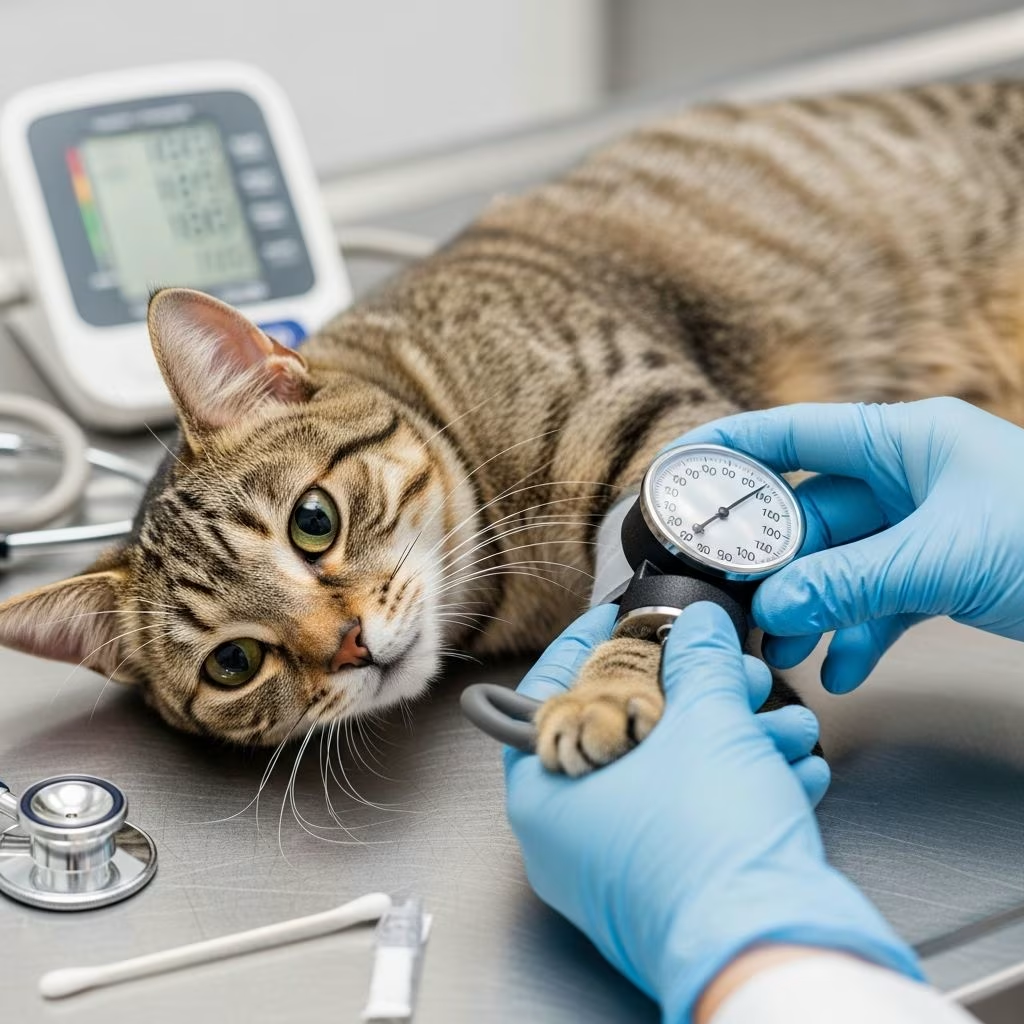
Low blood pressure, or hypotension, in cats represents a critical condition that demands prompt recognition and intervention. Defined as systolic arterial pressure below 90 mmHg or mean arterial pressure under 60 mmHg, it often signals underlying health crises affecting circulation and organ function.
Understanding Blood Pressure Dynamics in Cats
Cats possess unique cardiovascular responses compared to dogs, particularly in hypovolemic states. Feline atria feature type-B receptors that trigger bradycardia during low volume, unlike the tachycardia seen in canines. Sympathetic activation shunts blood to vital organs, but hypothermia and parasympathetic reflexes can exacerbate hypotension through vasodilation and slowed heart rates.
Maintaining adequate perfusion prevents tissue damage, making early detection essential. Hypotension impairs oxygen delivery, risking multi-organ failure if untreated.
Primary Indicators of Low Blood Pressure
Cats with hypotension exhibit subtle yet severe signs. Owners may notice:
- Weakness or lethargy: Reduced activity and reluctance to move indicate poor perfusion.
- Pale mucous membranes: Gums appear white or gray due to vasoconstriction or anemia.
- Disorientation or collapse: Neurological compromise from cerebral hypoperfusion.
- Cool extremities and hypothermia: Body temperature drops as circulation fails.
- Bradycardia: Paradoxically slow heart rate in shock states.
These symptoms overlap with other illnesses, underscoring the need for veterinary blood pressure measurement via Doppler or oscillometric devices.
Common Triggers Behind Feline Hypotension
Hypotension rarely occurs in isolation; it stems from diverse pathologies. Key causes include:
| Cause Category | Examples | Mechanism |
|---|---|---|
| Hemodynamic Loss | Trauma, hemorrhage, dehydration | Reduced blood volume lowers pressure. |
| Cardiac Issues | Heart failure, bradycardia | Impaired pumping reduces output. |
| Systemic Conditions | Kidney disease, acidosis, sepsis | Metabolic derangements cause vasodilation. |
| Iatrogenic | Anesthesia overdose, hypertension meds | Excessive vasodilation or suppression. |
| Environmental | Hypothermia | Blunts sympathetic responses. |
Shock, a frequent culprit, manifests in hypovolemic, distributive, cardiogenic, or obstructive forms. Feline circulatory shock often involves the Bezold-Jarisch reflex, promoting bradycardia and hypotension.
Diagnostic Approaches for Accurate Assessment
Veterinarians prioritize systemic evaluation. Initial steps involve:
- Physical exam: Checking gum color, pulse quality, and temperature.
- Blood pressure monitoring: Non-invasive methods confirm hypotension.
- Laboratory tests: CBC for anemia, chemistry for kidney function and electrolytes.
- Imaging: Ultrasound or radiographs to detect fluid loss, heart issues, or effusions.
Differentiating preload deficits from cardiac dysfunction guides therapy—fluids suit hypovolemia, while inotropes aid heart failure.
Immediate and Supportive Interventions
Treatment targets the root cause while stabilizing hemodynamics. Core strategies encompass:
- Fluid resuscitation: Intravenous crystalloids restore volume in hypovolemic cases, titrated to avoid overload.
- Temperature correction: Gradual warming counters hypothermia-induced sympathetic blunting.
- Oxygen support: Supplemental O2 enhances tissue oxygenation in shock.
- Electrolyte balancing: Corrects imbalances exacerbating hypotension.
For anesthesia-related drops, positioning adjustments and reduced inhalant agents help.
Advanced Pharmacological Management
When fluids fail, vasopressors and inotropes elevate pressure. Common agents include:
| Drug | Action | Dosage Example | Indications |
|---|---|---|---|
| Dopamine | Inotrope/vasopressor | CRI titrated | Hypotension with poor contractility. |
| Dobutamine | Inotrope | 5-10 mcg/kg/min | Cardiac support. |
| Norepinephrine | Strong vasopressor | CRI low dose | Vasodilatory shock. |
| Vasopressin | Vasopressor | 0.5-2 mU/kg/min | Septic or refractory cases. |
Monitoring prevents tachycardia or arrhythmias. In septic shock, vasopressin proves effective post-fluids.
Heart disease cases may require diuretics and oxygen alongside.
Preventive Measures for At-Risk Cats
Proactive care mitigates risks:
- Regular vet checkups for seniors with kidney or heart predispositions.
- Monitor during anesthesia: Pre-op fluids and intra-op BP checks.
- Home vigilance: Note changes in energy, appetite, or gum color.
- Control underlying diseases: Manage hypertension to avoid overmedication.
Early intervention via routine blood pressure screening in at-risk populations enhances outcomes.
Prognosis and Long-Term Outlook
Success hinges on cause and timeliness. Trauma-induced hypotension responds well to fluids if addressed swiftly, while chronic kidney disease demands ongoing management. Refractory cases carry higher mortality, emphasizing rapid veterinary access.
Post-treatment monitoring ensures stability, with follow-up pressures guiding adjustments.
Frequently Asked Questions
What are the first signs of low blood pressure in my cat?
Look for weakness, pale gums, cold paws, and disorientation. These warrant immediate vet attention.
Can dehydration cause hypotension in cats?
Yes, vomiting, diarrhea, or hemorrhage reduce volume, dropping pressure.
How is low blood pressure treated emergently?
IV fluids, warming, and vasopressors like dopamine stabilize most cases.
Is hypotension common during cat surgery?
Frequent under anesthesia; use inotropes or vasoconstrictors if persistent.
Can kidney disease lead to low blood pressure?
Chronic cases cause metabolic issues triggering hypotension.
Owners play a pivotal role in spotting early signs. Hypotension’s subtlety belies its severity—prompt action saves lives.
References
- Low Blood Pressure in Cats: Causes, Symptoms, & Treatment — cats.com. 2023. https://cats.com/low-blood-pressure-in-cats
- Vet Synapse Podcast: Feline Circulatory Shock Explained — veteducation.com. 2023. https://veteducation.com/vet-synapse-feline-circulatory-shock/
- Management and treatment of hypotension and hypertension — vettimes.com. 2016-11-07. https://www.vettimes.com/news/vets/small-animal-vets/management-and-treatment-of-hypotension-and-hypertension
- 2020 AAHA Anesthesia and Monitoring Guidelines for Dogs and Cats: Hypotension — aaha.org. 2020. https://www.aaha.org/resources/2020-aaha-anesthesia-and-monitoring-guidelines-for-dogs-and-cats/troubleshooting-anesthetic-complications/hypotension/
- Everyday Medicine: Blood Pressure in Dogs and Cats — amcny.org. 2017-11-01. https://www.amcny.org/blog/2017/11/01/everyday-medicine-blood-pressure/
- Pharmacist’s Corner: Treating Severe Hypotension and Shock — vetmed.illinois.edu. 2023-06-13. https://vetmed.illinois.edu/2023/06/13/pharmacists-corner-hypertension/



