
Feline Hyperthyroidism: Diagnosis, Treatment, And Care
Explore the latest approaches to diagnosing and managing hyperthyroidism in cats for optimal feline health outcomes.
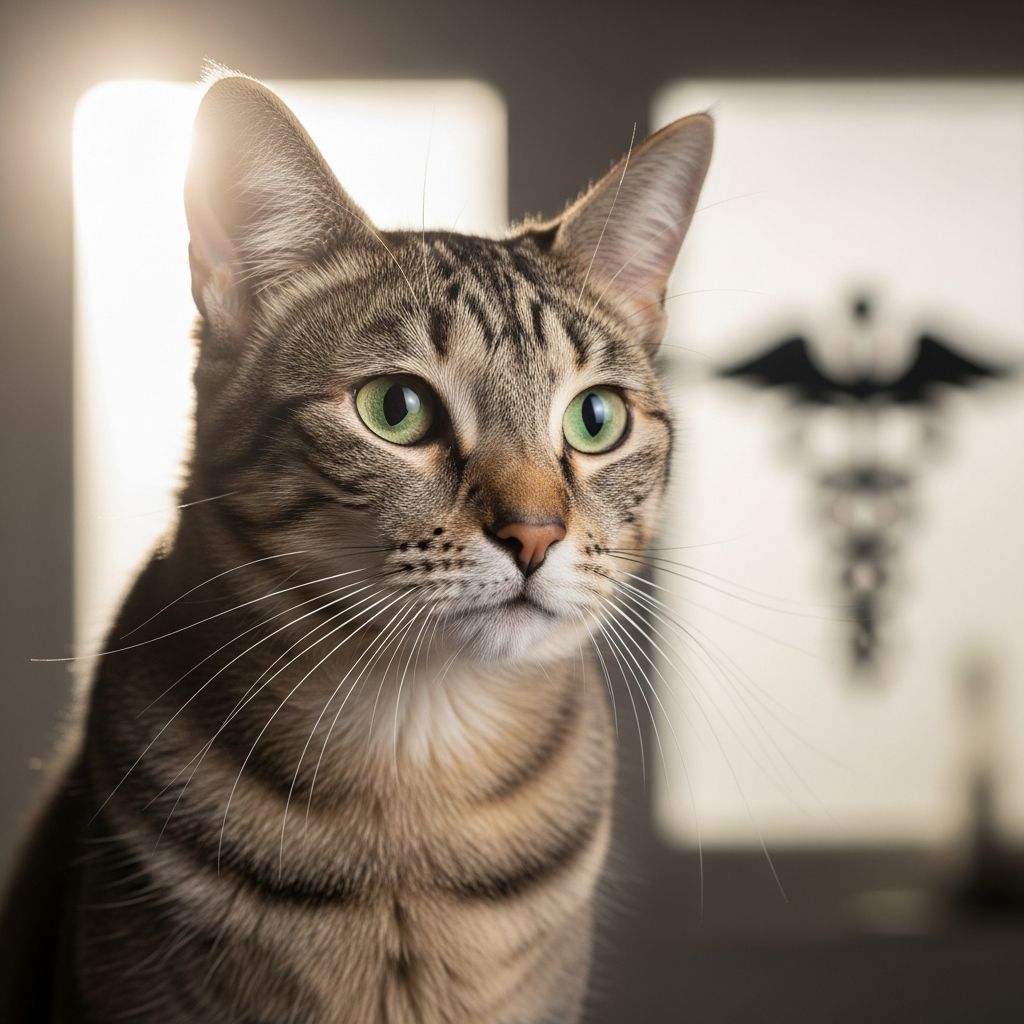
Feline hyperthyroidism represents one of the most prevalent endocrine disorders in older cats, characterized by excessive production of thyroid hormones that disrupt multiple bodily systems. This condition primarily affects cats over seven years of age, leading to significant metabolic changes that demand prompt veterinary intervention. Understanding the nuances of this disease is crucial for pet owners and veterinarians alike to ensure timely diagnosis and effective management.
Understanding the Thyroid’s Role in Cats
The thyroid glands, located near the cat’s throat, produce hormones such as thyroxine (T4) and triiodothyronine (T3), which regulate metabolism, heart function, digestion, and overall energy levels. In hyperthyroidism, these glands become overactive, often due to benign tumors called adenomas, flooding the body with excess hormones. This imbalance accelerates bodily processes, mimicking a constant state of high alert.
Unlike hypothyroidism, which slows metabolism, hyperthyroidism revs it up excessively. Primary causes include nodular hyperplasia or functional adenomas in over 95% of cases, with rare malignant carcinomas. Factors like iodine-rich diets or environmental influences remain under study, but age remains the strongest risk factor, with peak incidence around 12-13 years.
Recognizing Key Symptoms in Your Cat
Early detection hinges on spotting subtle changes that progress over time. The hallmark symptom is progressive weight loss despite a ravenous appetite, as the cat’s body burns calories at an unsustainable rate. Owners often notice their pet demanding food more frequently while shedding pounds rapidly.
- Increased thirst and urination: Cats drink and urinate excessively (polyuria/polydipsia), sometimes soaking litter boxes overnight.
- Behavioral shifts: Hyperactivity, restlessness, or vocalization increases; some cats become aggressive or overly playful, while others appear apathetic.
- Gastrointestinal issues: Frequent vomiting, diarrhea, or large, loose stools disrupt daily routines.
- Coat and skin changes: An unkempt, greasy, or matted coat signals poor grooming due to systemic strain.
- Cardiac signs: Rapid heartbeat (tachycardia), murmurs, or arrhythmias may cause panting or weakness.
Less common presentations include lethargy or reduced appetite in advanced stages, often complicated by concurrent diseases like kidney issues. Physical exams frequently reveal a palpable goiter—an enlarged thyroid—as a telltale sign in over 90% of cases.
Diagnostic Approaches for Confirmation
Diagnosis begins with a thorough history, physical exam, and baseline tests. Veterinarians palpate the neck for thyroid enlargement, auscultate the heart for irregularities, and measure blood pressure, as hypertension affects up to 20% of cases.
Blood Testing Protocol:
- Total T4 measurement: Elevated levels confirm diagnosis in most cats; it’s the first-line test with high specificity.
- Free T4 or TSH stimulation: Useful for borderline cases (5-10% of hyperthyroids have normal T4 due to concurrent illness).
- Complete blood work: Reveals elevated liver enzymes, increased red cell mass, or low fructosamine from protein breakdown.
| Test | Purpose | Typical Findings |
|---|---|---|
| Total T4 | Primary screen | High (> normal range) |
| Urinalysis | Assess kidney function | Dilute urine, possible infection |
| Blood pressure | Detect hypertension | Systolic >160 mmHg |
| Thyroid scintigraphy | Imaging ectopic tissue | Hot nodules, bilateral uptake |
Advanced imaging like scintigraphy visualizes thyroid activity, identifying ectopic tissue in 3-20% of cats or distinguishing unilateral from bilateral disease. This is vital for treatment planning, as bilateral involvement is common despite unilateral palpation.
Comprehensive Treatment Options
Treatment aims to normalize thyroid levels while minimizing side effects and monitoring comorbidities like renal disease, present in up to 50% of cases. Options vary by cat’s age, health, and owner preferences.
Medical Management
Antithyroid drugs like methimazole block hormone synthesis. Oral tablets, transdermal gels, or FDA-approved liquids offer flexibility. Starting doses are low (1.25-2.5 mg twice daily), titrated based on T4 rechecks every 2-4 weeks. Success rates exceed 80%, but 15-20% relapse, requiring lifelong therapy. Side effects include vomiting or appetite loss (10-15%).
Surgical Thyroidectomy
Complete gland removal cures 90-95% of unilateral cases but risks hypocalcemia or recurrent hyperparathyroidism in bilateral disease. Pre-op stabilization with methimazole is standard. Ideal for young, healthy cats without metastases.
Radioactive Iodine Therapy (I-131)
The gold standard, I-131 selectively destroys abnormal tissue with a single injection. Cure rates reach 95%, with minimal side effects. Hospitalization (3-7 days) ensures radiation safety. Contraindicated in severe azotemia; renal monitoring post-treatment is essential as unmasking kidney disease occurs in 15-50%.
Dietary and Supportive Therapies
Iodine-restricted diets (e.g., Hill’s y/d) reduce hormone production in mild cases, effective in 40-50% when strictly enforced. Not suitable as sole therapy for severe hyperthyroidism. Beta-blockers manage cardiac symptoms adjunctively.
Latest Developments and Guidelines
Recent veterinary consensus emphasizes multimodal assessment, prioritizing total T4 screening in seniors over 10. Updated protocols advocate scintigraphy for equivocal cases and pre-treatment renal evaluation. Long-term studies highlight I-131’s superiority for quality-of-life improvements, with survival times averaging 2-4 years post-treatment.
Guidelines stress concurrent disease management: Stabilize kidneys with fluids/ACE inhibitors before definitive therapy. Annual T4 monitoring prevents iatrogenic hypothyroidism. Research into novel radioisotopes and targeted therapies continues, promising less invasive options.
Long-Term Prognosis and Home Care
With treatment, most cats regain weight, energy, and grooming habits within weeks. Untreated, complications like heart failure or thromboembolism shorten lifespan to months. Home monitoring includes weight tracking, appetite logs, litter output, and monthly bloodwork initially.
- Weigh weekly; report >10% loss.
- Track water intake (>100ml/kg/day abnormal).
- Administer meds consistently; use pill pockets for compliance.
- Low-stress vet visits for serial T4/blood pressure checks.
Nutritional support with high-calorie, renal-friendly foods aids recovery. Emotional support reduces stress-induced flares.
Frequently Asked Questions (FAQs)
Can hyperthyroidism be prevented?
No definitive prevention exists, but regular senior wellness exams (every 6 months post-10 years) enable early detection. Balanced iodine diets may mitigate risk.
Is surgery always necessary?
No; medical or radioiodine options suit most cases, especially with comorbidities.
What if my cat has kidney disease too?
Treat hyperthyroidism first at low doses to protect kidneys; monitor creatinine closely.
How much does I-131 cost?
Typically $1,500-$3,000, including hospitalization; insurance often covers.
Will my cat’s personality change post-treatment?
Many calm down appropriately, returning to baseline behavior.
References
- Feline Hyperthyroidism Fact Sheet — Davies Veterinary Specialists. 2023. https://www.vetspecialists.co.uk/fact-sheets-post/feline-hyperthyroidism-fact-sheet/
- Hyperthyroidism in Animals — Merck Veterinary Manual. 2024-02-28. https://www.merckvetmanual.com/endocrine-system/the-thyroid-gland/hyperthyroidism-in-animals
- Feline Hyperthyroidism Diagnostic Update — IDEXX Laboratories. 2023. https://www.idexx.com/files/feline-hyperthyroidism-diagnostic-update-en.pdf
- Diagnosis and management of feline hyperthyroidism — PMC / NIH. 2020-06-24. https://pmc.ncbi.nlm.nih.gov/articles/PMC7337209/
- Hyperthyroidism in Cats — Cornell University College of Veterinary Medicine. 2024. https://www.vet.cornell.edu/departments-centers-and-institutes/cornell-feline-health-center/health-information/feline-health-topics/hyperthyroidism-cats
- Hyperthyroidism in Cats—Two FDA-Approved Drugs — U.S. Food and Drug Administration. 2023-11-15. https://www.fda.gov/animal-veterinary/animal-health-literacy/hyperthyroidism-cats-two-fda-approved-drugs-available-treat-it
Similar Articles








Read full bio of Sneha Tete




