

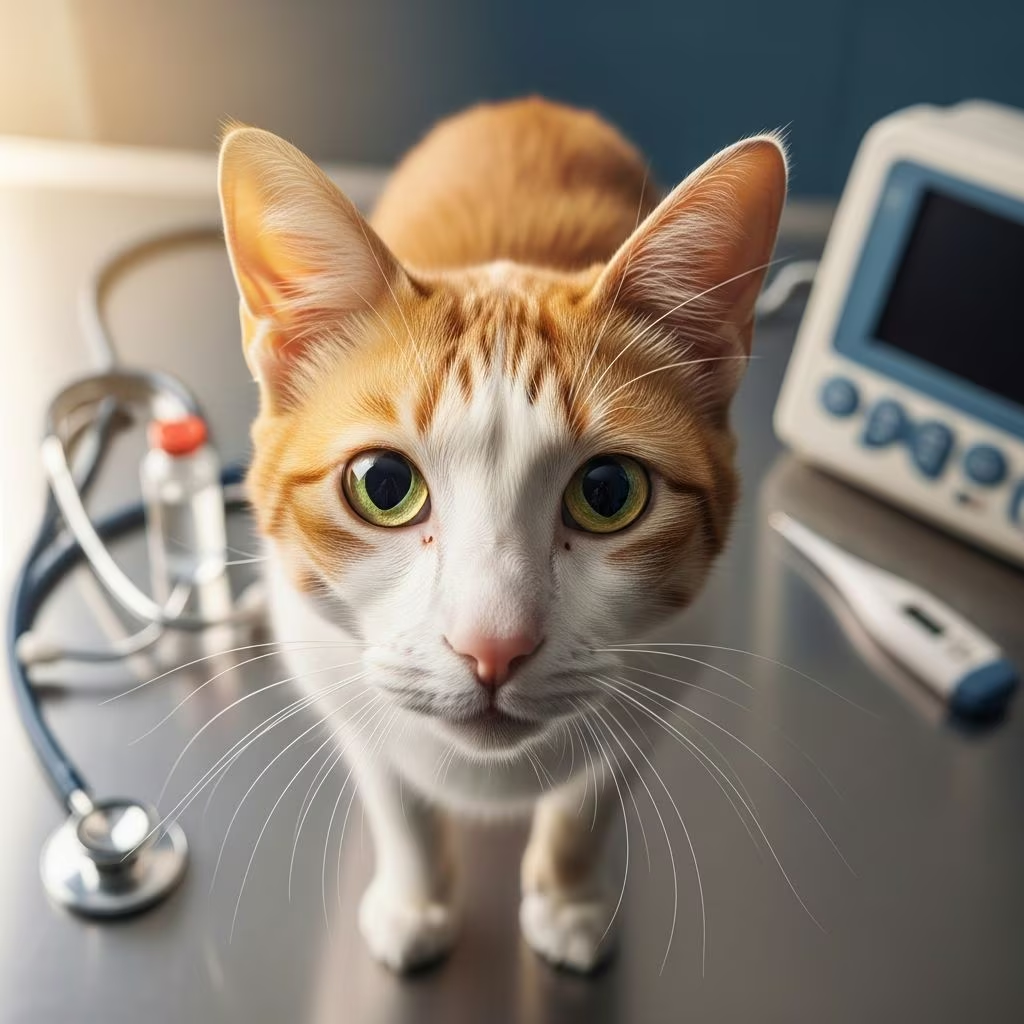
Feline hyperthyroidism represents one of the most prevalent endocrine disorders affecting domestic cats, particularly those in their senior years. This condition emerges when the thyroid glands produce excessive amounts of thyroid hormones, disrupting the cat’s metabolic balance and affecting virtually every organ system in the body. Understanding this disease is essential for cat owners who wish to recognize early warning signs and explore appropriate management strategies with their veterinarians.
The Thyroid Gland and Its Critical Functions
The thyroid gland, located in a cat’s neck, plays a fundamental role in regulating metabolism and numerous physiological processes. The hormones produced by this gland, namely thyroxine (T4) and triiodothyronine (T3), influence everything from energy expenditure to coat quality and activity levels. In healthy cats, these hormones maintain a delicate balance that supports normal growth, development, and metabolic function. When thyroid hormone production becomes excessive, the entire system becomes hyperactive, leading to the constellation of symptoms associated with hyperthyroidism.
What Causes Thyroid Dysfunction in Cats
The underlying cause of feline hyperthyroidism remains incompletely understood, though researchers have identified several contributing factors. In approximately 70% of affected cats, benign tumor-like growths called adenomas develop within the thyroid tissue, causing uncontrolled hormone production. These adenomatous changes typically occur in both thyroid lobes simultaneously. The remaining cases involve hyperplasia, a condition where thyroid tissue grows abnormally but remains benign.
Several potential risk factors have been investigated, including dietary components, environmental exposures, and indoor living conditions. Cats living exclusively indoors and those consuming canned foods appear to develop hyperthyroidism more frequently than their outdoor counterparts. Chemical exposure to flame retardants and other household contaminants has been hypothesized as a contributing factor, though conclusive evidence remains limited. Thyroid carcinoma, a malignant tumor form, accounts for fewer than 5% of feline hyperthyroidism cases, making it a relatively rare cause compared to benign adenomas.
Recognizing the Clinical Presentation
Cats with hyperthyroidism typically exhibit a characteristic cluster of symptoms that develop progressively over weeks or months. The most notable sign is weight loss accompanied paradoxically by increased appetite. Affected cats demonstrate heightened activity levels, restlessness, and sometimes aggressive behavioral changes. Some cats become excessively vocal, crying or meowing frequently throughout the day and night.
Additional manifestations include:
- Increased thirst and urination frequency
- Vomiting episodes and occasional diarrhea
- Unkempt, matted coat appearance
- Muscle wasting despite adequate food intake
- Behavioral changes ranging from hyperactivity to lethargy
- Elevated heart rate and occasional cardiac arrhythmias
In some cases, cats display atypical presentations, becoming unusually quiet and lethargic rather than hyperactive. This variation in clinical expression can delay diagnosis if owners and veterinarians attribute the symptoms to normal aging rather than investigating underlying metabolic disease.
Diagnostic Methods and Testing Procedures
Veterinarians employ several diagnostic approaches to confirm hyperthyroidism and rule out other conditions mimicking its symptoms. Physical examination may reveal an enlarged thyroid gland in the neck, though not all affected cats display palpable enlargement. Blood testing represents the cornerstone of diagnosis, measuring T4 and T3 hormone concentrations. Because thyroid hormone levels can fluctuate, some cats with subtle elevations may require repeat testing to confirm the diagnosis.
Additional diagnostic measures include:
- Thyroid imaging using nuclear scintigraphy to visualize thyroid uptake of radioactive iodine
- Complete blood panels to assess kidney function and other organ systems
- Blood pressure monitoring to evaluate cardiac effects
- Cardiac evaluation including electrocardiography or echocardiography for cats with concerning heart findings
Early diagnosis proves particularly important because prolonged exposure to excessive thyroid hormones can damage the heart and kidneys, creating secondary health complications that complicate treatment outcomes.
Medicinal Management Approaches
Oral medication remains the most common initial treatment for feline hyperthyroidism. Methimazole, the primary antithyroid drug available, blocks thyroid hormone production by interfering with thyroid enzyme function. This medication does not cure the underlying disease but rather controls symptoms while the cat takes it daily. Approximately 18% of cats experience side effects from oral methimazole, including vomiting, appetite loss, lethargy, and facial excoriations from excessive scratching.
For cats unable to tolerate oral tablets or liquids, transdermal formulations offer an alternative delivery method. A gel containing methimazole can be applied directly to the inner ear flap, where it absorbs through the skin without relying on the gastrointestinal tract. The FDA has also approved dedicated feline hyperthyroid medications, including Felimazole tablets and Felanorm oral solution, providing additional options tailored specifically for cats.
Medication advantages include:
- Non-invasive administration
- Relatively low initial cost
- Reversibility if side effects occur
- Rapid symptom improvement within 2-3 weeks
Disadvantages include the requirement for lifelong daily medication, potential side effects, and the necessity for regular monitoring through blood testing to ensure proper dosing and detect complications.
Radioiodine Therapy: The Gold Standard Treatment
Radioactive iodine (I-131) therapy represents the gold standard treatment option for feline hyperthyroidism, offering a curative approach with minimal side effects. This therapy works because thyroid cells selectively concentrate iodine, regardless of whether it contains radioactive isotopes or naturally occurring forms. When radioactive iodine enters the thyroid gland, it selectively destroys the overactive thyroid tissue while leaving normal thyroid tissue largely unaffected.
The procedure involves administering radioactive iodine orally or by injection, typically as an outpatient procedure in specialized veterinary facilities. The cat then remains hospitalized for several days to allow radioactive decay and ensure minimal radiation exposure to caregivers. Following treatment, most cats achieve euthyroid status (normal thyroid hormone levels) without requiring ongoing medication.
Advantages of radioiodine therapy include:
- High cure rate exceeding 95% in most studies
- Eliminates the need for daily medication
- Minimal side effects in most patients
- One-time treatment addressing the underlying disease
- No surgical risks associated with anesthesia
The primary limitation of radioiodine therapy remains its cost, which typically ranges significantly higher than medication or dietary management. Additionally, some cats treated with radioiodine may develop hypothyroidism (underactive thyroid) requiring long-term thyroid replacement therapy, though this complication remains relatively uncommon.
Surgical Intervention and Thyroidectomy
Surgical removal of the diseased thyroid gland, known as thyroidectomy, provides another curative treatment option. Like radioiodine therapy, surgery addresses the underlying disease rather than simply controlling symptoms. However, this approach carries surgical and anesthetic risks, particularly concerning in older cats with compromised health status or underlying cardiac disease secondary to prolonged hyperthyroidism.
Post-surgical considerations include:
- Risk of hypothyroidism requiring lifetime thyroid replacement
- Potential damage to parathyroid glands, which regulate calcium metabolism
- Possible recurrence if thyroid tissue remains in the chest cavity
- Anesthetic complications in senior cats
Thyroidectomy may be considered for cats unable to tolerate medical therapy or those whose owners cannot access or afford radioiodine treatment options.
Dietary Management and Iodine Restriction
A specialized prescription diet low in iodine content offers a non-invasive management option for cats with hyperthyroidism. The only commercially available prescription diet specifically formulated for this condition restricts iodine to levels insufficient for excessive thyroid hormone production. Since the thyroid requires dietary iodine to synthesize hormones, severely limiting iodine intake can effectively control hyperthyroidism without medication.
Dietary management requires strict compliance, as any iodine intake from other food sources or treats undermines effectiveness. Cats must consume exclusively the prescribed diet without supplementation from other foods, which presents challenges for multi-cat households or cats with strong food preferences. Additionally, concurrent use of this diet with methimazole medication is not recommended due to potential interactive effects.
Benefits of dietary therapy include:
- Non-invasive approach requiring no injections or medications
- No pharmaceutical side effects
- Potential for cost savings compared to other treatments
- Improvement in appetite control without medication interference
Limitations include:
- Strict dietary compliance requirement
- Limited palatability for some cats
- Difficulty maintaining exclusive diet in multi-pet households
- Variable individual response to treatment
Hidden Complications: Unmasking Kidney Disease
A significant consideration in treating hyperthyroidism involves the potential revelation of previously undetected kidney disease. Thyroid hormone influences kidney function directly, and excessive hormone levels can mask early-stage kidney disease by maintaining adequate kidney perfusion and function. When hyperthyroidism treatment reduces thyroid hormone levels to normal, previously compensated kidney disease suddenly becomes apparent, requiring additional management and monitoring.
This phenomenon, known as “unmasking” kidney disease, occurs frequently because both hyperthyroidism and chronic kidney disease are prevalent in senior cats. Veterinarians typically assess kidney function through blood and urine testing before initiating hyperthyroidism treatment and monitor kidney parameters closely following treatment initiation. Cats with concurrent kidney disease may require modified treatment approaches or additional supportive therapies to manage both conditions effectively.
Cardiovascular Considerations
Prolonged exposure to excessive thyroid hormones affects the cardiovascular system significantly. Elevated thyroid hormones increase heart rate, increase myocardial contractility, and can precipitate arrhythmias. Some cats develop secondary heart disease from the chronic metabolic stress of hyperthyroidism. Before initiating treatment, veterinarians frequently perform cardiac assessments to identify pre-existing heart conditions that might influence treatment selection or require concurrent management.
Following successful hyperthyroidism treatment, cardiac function typically improves as metabolic stress decreases and the heart rate normalizes. However, cats with significant pre-existing cardiac damage may continue requiring heart medications alongside hyperthyroidism management.
Monitoring and Follow-Up Care
Regardless of treatment approach selected, ongoing monitoring proves essential to ensure therapeutic success and detect complications early. Cats receiving oral medication require blood testing every 2-3 weeks initially to confirm appropriate dosing, with testing frequency decreasing to every 6-12 months once stable. Cats treated with radioiodine or surgery require baseline thyroid function testing to establish hypothyroidism risk and monitor for this potential complication.
Regular veterinary examinations allow assessment of treatment response, detection of side effects, and evaluation of overall health status. Weight monitoring, appetite assessment, and activity level evaluation provide valuable information about treatment effectiveness. Routine bloodwork monitors kidney function, liver status, and other organ system parameters to detect complications early.
Frequently Asked Questions
At what age do cats typically develop hyperthyroidism?
Hyperthyroidism most commonly affects middle-aged to older cats, with the highest prevalence in cats older than 7 years. While younger cats can develop this condition, it remains relatively uncommon in cats under 5 years of age.
Is feline hyperthyroidism hereditary or contagious?
Hyperthyroidism is neither contagious nor clearly hereditary. While the exact cause remains unknown, it results from changes in thyroid tissue that develop sporadically in individual cats rather than being passed through genetic inheritance or spreading between cats.
Can hyperthyroidism be prevented?
No proven prevention strategy exists for feline hyperthyroidism. While some evidence suggests indoor cats and those eating canned food develop hyperthyroidism more frequently, preventing the disease entirely remains impossible with current knowledge.
How long do cats live after a hyperthyroidism diagnosis?
With appropriate treatment, cats can live for many years following hyperthyroidism diagnosis. The prognosis depends on the cat’s overall health status, the presence of concurrent diseases like kidney or heart disease, and the consistency of treatment adherence. Many cats live several years or more with proper management.
What happens if hyperthyroidism goes untreated?
Untreated hyperthyroidism can lead to severe complications including heart disease, cardiac arrhythmias, severe muscle wasting, and potential thyroid storm—a life-threatening condition of extreme metabolic excess. Prompt diagnosis and treatment prevent these serious complications.
Conclusion: Creating a Management Plan
Feline hyperthyroidism, while serious, responds well to appropriate treatment when diagnosed early. Cat owners who recognize symptoms such as unexplained weight loss despite increased appetite, increased activity, or behavioral changes should consult their veterinarians promptly for evaluation. The available treatment options—medication, radioiodine therapy, surgery, and dietary management—each offer distinct advantages and disadvantages suited to different cats and life circumstances.
Working closely with a veterinarian to select the most appropriate treatment approach, establish a monitoring schedule, and address concurrent health issues ensures optimal outcomes. Regular wellness examinations of senior cats can detect hyperthyroidism before symptoms become severe, allowing preventive intervention before secondary complications develop. With proper management, cats with hyperthyroidism can enjoy good quality of life for years following diagnosis.
References
- Diagnosis and management of feline hyperthyroidism — National Center for Biotechnology Information (NCBI), National Institutes of Health. 2020. https://pmc.ncbi.nlm.nih.gov/articles/PMC7337209/
- Hyperthyroidism in Cats: Symptoms and Treatment — PetMD, Veterinary Information Network. https://www.petmd.com/cat/conditions/endocrine/c_ct_hyperthyroidism
- Hyperthyroidism in Cats — Cornell University College of Veterinary Medicine. https://www.vet.cornell.edu/departments-centers-and-institutes/cornell-feline-health-center/health-information/feline-health-topics/hyperthyroidism-cats
- Hyperthyroidism in Animals – Endocrine System — Merck Veterinary Manual. https://www.merckvetmanual.com/endocrine-system/the-thyroid-gland/hyperthyroidism-in-animals
- Feline Hyperthyroidism Fact Sheet — Davies Veterinary Specialists. https://www.vetspecialists.co.uk/fact-sheets-post/feline-hyperthyroidism-fact-sheet/
- Hyperthyroidism in Cats—Two FDA-Approved Drugs Available to Treat It — U.S. Food and Drug Administration (FDA). https://www.fda.gov/animal-veterinary/animal-health-literacy/hyperthyroidism-cats-two-fda-approved-drugs-available-treat-it



