

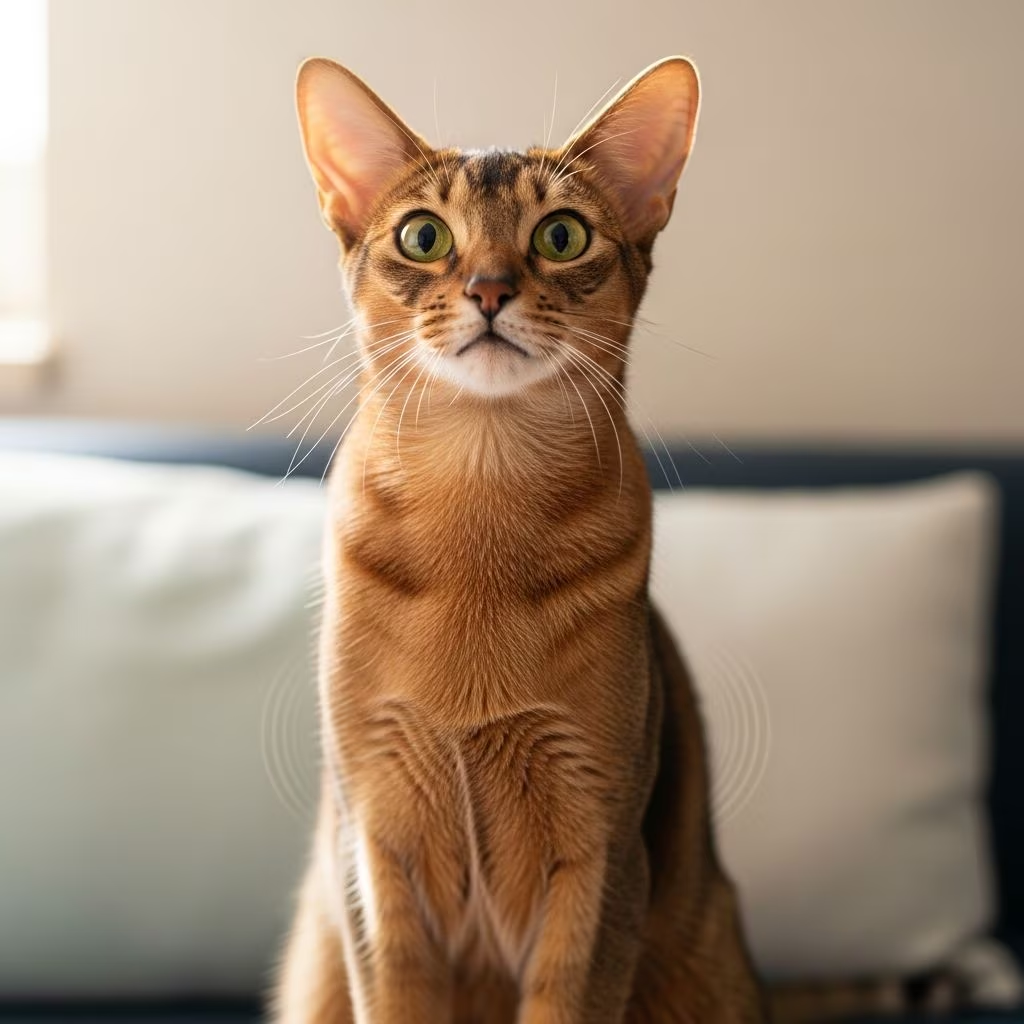
What Is Feline Hyperesthesia Syndrome?
Feline hyperesthesia syndrome (FHS), commonly known as “twitch-skin syndrome” or “rippling skin disease,” is a condition characterized by extreme sensitivity of the skin, particularly along the back and flanks of affected cats. This complex neurological and behavioral disorder manifests through exaggerated skin reactions, involuntary muscle movements, and behavioral changes that can significantly impact a cat’s quality of life.
The condition is marked by episodic hypersensitivity where cats experience sudden, unexplained discomfort triggered by touch, grooming, or even light stimulation. During episodes, affected cats may display distinctive symptoms including rippling or rolling skin movements, tail twitching, and sudden behavioral shifts. While relatively rare, feline hyperesthesia syndrome can be distressing for both cats and their owners, making early recognition and appropriate management essential.
Causes of Feline Hyperesthesia Syndrome
The exact cause of feline hyperesthesia syndrome remains not completely understood, though research suggests multiple contributing factors. Veterinarians and feline health specialists believe the condition likely involves a combination of neurological, dermatological, genetic, and psychological elements working together to create the characteristic symptoms.
Neurological Factors
Neurological issues represent one of the primary suspected causes of hyperesthesia syndrome. These include:
- Seizure disorders or epileptic activity
- Neuropathic pain conditions affecting nerve function
- Spinal cord compression or irritation
- Nerve impingement causing chronic pain
- Abnormal neurological signaling in the sensory pathways
Dermatological and Parasitic Causes
Skin-related issues frequently contribute to hyperesthesia symptoms. Common dermatological triggers include:
- Allergic skin disease (both environmental and food-related)
- External parasites, particularly flea infestations
- Skin infections caused by bacteria or fungi
- Food sensitivities and adverse food reactions
- Chronic dermatitis and inflammatory skin conditions
Psychological and Behavioral Factors
Mental health and stress-related factors play a significant role in many cases. These psychological triggers include:
- Anxiety and stress disorders
- Compulsive behaviors and obsessive grooming
- Attention-seeking behaviors
- Environmental stressors and changes
- Behavioral disorders affecting sensory processing
Musculoskeletal and Other Medical Conditions
Additional underlying medical conditions may contribute to hyperesthesia-like symptoms:
- Arthritis and age-related joint deterioration
- Intervertebral disc disease and extrusions
- Lumbosacral pain and spinal issues
- Trauma or previous injuries
- Infectious diseases
Recognizing Symptoms of Feline Hyperesthesia
Identifying feline hyperesthesia requires understanding the distinctive clinical signs that differentiate this condition from other feline health problems. Cat owners should be alert to the following symptoms:
Primary Clinical Signs
- Compulsive grooming — Excessive licking and grooming focused on the back, flanks, or tail area
- Rippling or rolling skin — Visible waves of muscle contractions along the back and sides
- Twitching movements — Involuntary tail or skin twitching, especially along the lumbar region
- Sensitivity to touch — Extreme discomfort or defensive reactions when touched along the back or tail
- Dilated pupils — Noticeably enlarged pupils during episodes
- Vocalizations — Loud meowing, hissing, or other vocal distress during episodes
Behavioral Changes
Cats experiencing hyperesthesia episodes often display sudden behavioral changes that may include sudden bursts of activity, racing around the home without apparent cause, aggressive behavior or swatting, restlessness and inability to settle, and sudden grooming or biting at the affected areas. These episodes can vary from mild discomfort to extreme agitation, and may last from seconds to several minutes.
Diagnosis and Veterinary Evaluation
Proper diagnosis of feline hyperesthesia syndrome requires comprehensive veterinary evaluation, as several medical conditions can produce similar symptoms. Your veterinarian will need to conduct thorough assessments to identify the underlying cause and rule out other conditions.
Diagnostic Process
The diagnostic approach typically includes:
- Detailed medical history and symptom documentation
- Complete physical examination and neurological assessment
- Skin scrapings and fungal cultures to rule out parasites or infections
- Allergy testing if dermatological causes are suspected
- Bloodwork and biochemical panels
- Imaging studies such as radiographs or MRI to assess spinal structures
- Seizure monitoring or EEG if neurological disorders are suspected
Conditions to Exclude
It is essential to rule out other medical conditions that present with similar clinical signs:
- Intervertebral disc extrusions and spinal arthritis
- External parasites and flea allergy dermatitis
- Bacterial or fungal skin infections
- Environmental and food allergies
- Epilepsy and seizure disorders
- Musculoskeletal pain from trauma or degenerative disease
- Infectious diseases
Treatment Options for Feline Hyperesthesia
While feline hyperesthesia syndrome cannot be completely cured, various treatment approaches can effectively manage symptoms and significantly improve quality of life. Treatment plans should be individualized based on the underlying cause and the specific needs of each cat.
Medication-Based Treatments
Pharmacological interventions form the foundation of most hyperesthesia treatment plans:
- Gabapentin — A medication frequently used to control pain and anxiety, particularly effective for nerve pain reduction
- Anti-anxiety medications — Drugs that reduce stress and anxiety-related episodes
- Anticonvulsants and anti-seizure drugs — For cats with seizure-related hyperesthesia
- Pain medications — To manage chronic discomfort and reduce sensitivity
- Antibiotics and antifungals — For treating underlying skin infections
- Corticosteroids — In some cases to reduce inflammatory responses
- Behavioral medications like amitriptyline — To address anxiety and compulsive behaviors
Research demonstrates that many cats respond well to medication. In clinical studies, six out of seven cats showed significant improvement with pharmaceutical treatment, and five cats achieved resolution with just one medication, indicating favorable prognosis for medically managed cases.
Treating Underlying Conditions
Addressing the root cause of hyperesthesia is crucial for effective long-term management:
- Flea and parasite treatment — Essential for cats with external parasites triggering symptoms
- Allergy management — Including dietary changes and allergen avoidance for food or environmental sensitivities
- Skin condition treatment — Managing infections, dermatitis, and other dermatological issues
- Neurological treatment — Addressing seizures or other nerve-related conditions
- Pain management — Treating musculoskeletal conditions like arthritis or disc disease
Behavioral and Environmental Management
Non-pharmaceutical interventions play a vital supportive role in comprehensive hyperesthesia management:
- Environmental modifications — Creating a calm, low-stress home environment
- Stress reduction strategies — Establishing consistent routines and minimizing changes
- Behavioral counseling — Working with veterinary behaviorists to address compulsive behaviors
- Pheromone diffusers — Using synthetic calming pheromones to reduce anxiety
- Touch avoidance — Limiting grooming and touching along the back when possible
- Safe spaces — Providing dedicated calm areas where cats can retreat
- Dietary adjustments — Exploring potential food sensitivities through elimination diets
Supplementary Approaches
Additional supportive therapies may complement primary treatment:
- Omega-3 fatty acid supplements for skin health
- Anti-anxiety supplements approved by veterinarians
- Behavioral therapy and enrichment activities
- Specialized pain management techniques when recommended by specialists
Long-Term Management and Prognosis
Feline hyperesthesia syndrome typically requires lifelong management to prevent recurrence of episodes. The prognosis varies among individual cats, with some experiencing sustained relief from episodes while others may see symptoms return after several months or longer. Cats on anti-anxiety medications may require lifelong pharmaceutical management to maintain symptom control.
Consistent monitoring, regular veterinary communication, and adherence to treatment protocols are essential for optimal outcomes. Many cats show substantial improvement in quality of life with appropriate management, allowing them to live comfortably alongside their families.
When to Seek Veterinary Care
Immediate veterinary attention is recommended for severe episodes, particularly those involving extreme agitation, self-injury, or signs of distress. Regular management appointments help monitor treatment effectiveness and make adjustments as needed. Early detection of symptoms and prompt veterinary intervention significantly improve long-term outcomes.
Frequently Asked Questions About Feline Hyperesthesia
Q: What triggers hyperesthesia episodes in cats?
A: Hyperesthesia episodes can be triggered by a variety of factors depending on the underlying cause. Common triggers include touch or grooming along the back, stress or environmental changes, fleas or parasites, skin irritation or allergies, and neurological activity. Identifying individual triggers helps manage episodes effectively.
Q: Can feline hyperesthesia syndrome be cured?
A: While feline hyperesthesia syndrome cannot be completely cured, it can be effectively managed with appropriate treatment. Most cats show significant improvement with medication and environmental modifications, though lifelong management is typically necessary to prevent recurrence.
Q: How long does it take for treatment to work?
A: The timeline for treatment effectiveness varies between individual cats. Some cats show improvement within days or weeks of starting medication, while others may require several weeks for noticeable changes. Working closely with your veterinarian helps optimize treatment and monitor progress.
Q: Are certain cat breeds more prone to hyperesthesia?
A: Some cat breeds appear more predisposed to developing feline hyperesthesia syndrome, though the condition can affect any breed. Breed predisposition may relate to genetic factors, though more research is needed to fully understand these relationships.
Q: Can diet help manage feline hyperesthesia?
A: For some cats, particularly those with food sensitivities or allergies contributing to hyperesthesia, dietary changes may help reduce symptoms. An elimination diet under veterinary guidance can identify potential food triggers. However, diet alone rarely resolves hyperesthesia without addressing other underlying causes.
Q: Is feline hyperesthesia painful for cats?
A: Yes, feline hyperesthesia involves significant discomfort and hypersensitivity. Cats experience real pain and distress during episodes. This is why appropriate pain management and treatment to address underlying causes is essential for improving their quality of life.
Q: What should I do if my cat has a severe hyperesthesia episode?
A: During severe episodes, provide a safe, calm environment and avoid touching the sensitive areas. Minimize environmental stimuli and allow your cat to move freely. Contact your veterinarian promptly, especially if episodes are frequent, severe, or involve self-injury. Keep detailed records of episodes to help your veterinarian identify patterns and adjust treatment.
References
- Treatment options for feline hyperesthesia syndrome — Vetster. 2024. https://vetster.com/en/wellness/treatment-options-for-feline-hyperesthesia-syndrome
- Feline Hyperesthesia Syndrome: Causes, and Treatment Options — Arch Creek Animal Clinic. 2024. https://archcreekanimalclinic.com/feline-hyperesthesia-syndrome/
- Hyperesthesia Syndrome — Cornell University College of Veterinary Medicine, Department of Companion Animals. https://www.vet.cornell.edu/departments-centers-and-institutes/cornell-feline-health-center/health-information/feline-health-topics/hyperesthesia-syndrome
- Feline Hyperesthesia Syndrome (Twitchy Cat Syndrome) — PetMD. 2024. https://www.petmd.com/cat/conditions/skin/feline-hyperesthesia-syndrome
- Long‐Term Clinical Response to Medical Treatment, Behavioral — National Center for Biotechnology Information, PubMed Central. 2024. https://pmc.ncbi.nlm.nih.gov/articles/PMC12171239/
- Understanding and Treating Feline Hyperesthesia — Shawsheen Animal Hospital. 2024. https://shawsheenanimalhospital.com/blog/understanding-and-treating-feline-hyperesthesia/
- Feline Hyperesthesia Syndrome — Peterborough West Animal Hospital. 2024. https://peterboroughvets.ca/feline-hyperesthesia-syndrome/



