

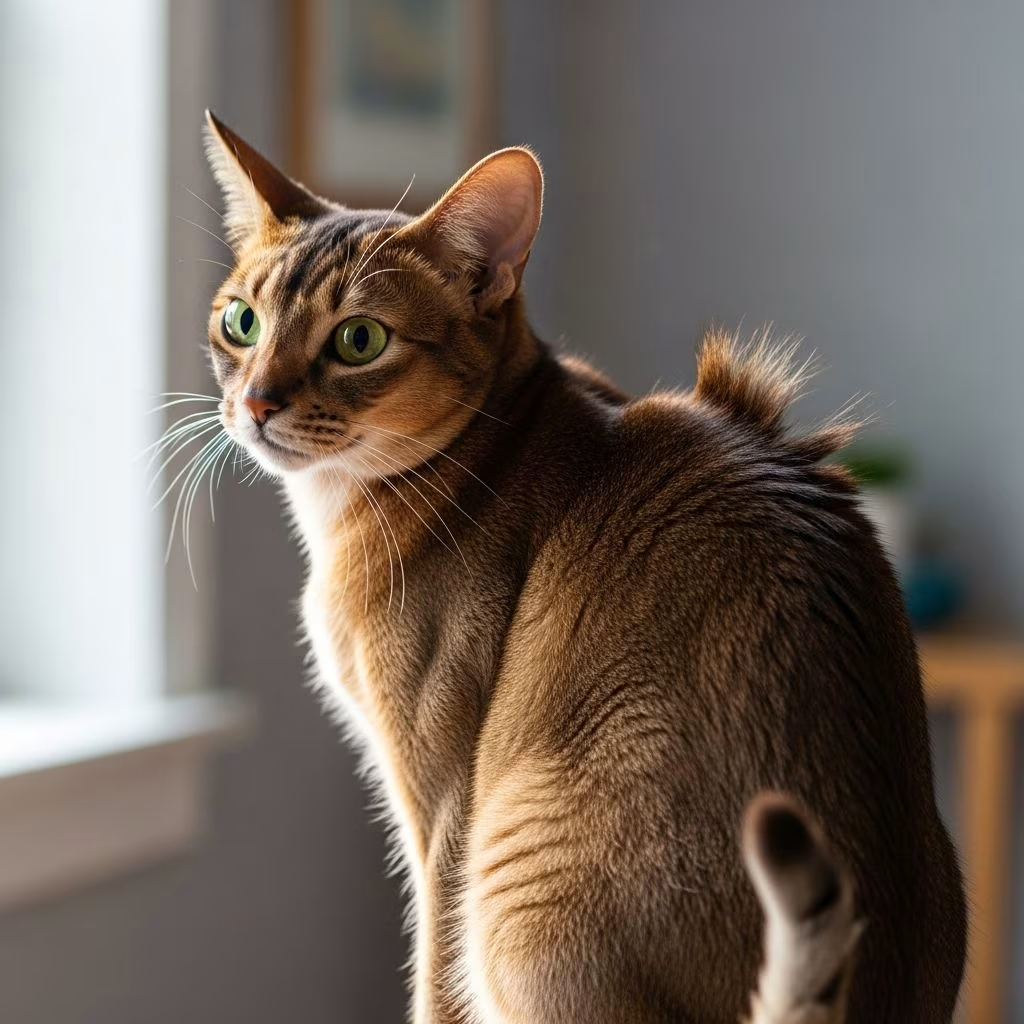
Feline hyperesthesia syndrome (FHS), often called twitchy cat syndrome, involves heightened skin sensitivity, particularly along the back and tail, leading to episodic distress in affected cats. This condition manifests through visible skin rippling, sudden bursts of activity, and self-directed aggression, impacting a cat’s daily comfort and well-being.
Key Indicators of FHS in Cats
Recognizing FHS early allows for timely intervention. Owners frequently observe a rolling or twitching motion in the skin over the cat’s lower back, a hallmark sign that gives the syndrome its nickname. Cats may freeze briefly before exploding into frenzied running, leaping, or chasing their tail as if pursued by an invisible force.
- Dilated pupils during episodes, signaling heightened arousal or discomfort
- Excessive vocalizations, including yowling or unusual meows
- Intense grooming or biting at the flanks, tail base, paws, or rear
- Sensitivity to touch, where petting triggers aggression or evasion
- Drooling, scratching, or sudden sleepiness post-episode
These behaviors typically last seconds to minutes but can recur multiple times daily, varying by individual cat. Purebred cats like Siamese, Burmese, Abyssinian, and Persian appear more susceptible, with onset often before age seven, averaging around one year.
Underlying Factors Contributing to FHS
The precise etiology of FHS remains unclear, but veterinary consensus points to multifactorial origins blending dermatological, neurological, and behavioral elements. No single cause dominates; instead, overlapping issues amplify symptoms.
| Category | Potential Triggers | Examples |
|---|---|---|
| Dermatological | Allergies or infections causing itchiness | Flea infestations, food sensitivities, environmental allergens, skin parasites |
| Neurological | Nerve or brain irregularities | Seizures, spinal issues, intervertebral disc disease, neuromas from injuries |
| Musculoskeletal | Pain from structural problems | Arthritis, hip dysplasia, tail/declaw trauma, fractures |
| Behavioral/Psychological | Stress-induced compulsions | Anxiety, compulsive disorders, attention-seeking |
| Other | Toxins or GI disturbances | Pyrethrin exposure, organophosphates, digestive upset |
Skin conditions top the list, as persistent itching prompts frantic responses mimicking hyperesthesia. Neurological links, such as partial seizures, explain the episodic nature and pupil dilation. Stress exacerbates all triggers, turning mild irritations into full-blown episodes.
Diagnosis: Ruling Out Mimics
Diagnosing FHS requires excluding similar conditions through methodical veterinary evaluation. A thorough history details episode frequency, triggers, and diet, followed by physical exams checking for fleas, wounds, or pain responses.
Diagnostic tools include:
- Skin scrapes and cytology for infections or allergies
- Bloodwork assessing organ function and allergies
- Imaging like X-rays or MRI for spinal/brain anomalies
- Neurological assessments observing gait and reflexes
- Trial diets eliminating food sensitivities
Conditions like flea allergy dermatitis, epilepsy, or anal sac disease share symptoms, necessitating comprehensive testing. Genetic predispositions in certain breeds warrant breed-specific scrutiny. Early diagnosis prevents self-trauma like hair loss or wounds from overgrooming.
Management Strategies and Therapies
Treatment targets identified causes while alleviating symptoms, often combining medical, environmental, and behavioral approaches. Success hinges on tailored plans from veterinarians.
Medical Interventions
Anti-inflammatory drugs or antibiotics address dermatological issues; antihistamines or hypoallergenic diets combat allergies. For neurological suspicion, anticonvulsants like phenobarbital stabilize episodes. Pain relief via NSAIDs helps musculoskeletal cases.
Environmental Modifications
Reduce stress by providing hiding spots, pheromone diffusers (Feliway), and consistent routines. Flea preventatives and regular grooming prevent skin escalations. Enrich environments with toys and scratching posts to curb compulsions.
Behavioral Therapies
Positive reinforcement training redirects tail-chasing. In severe cases, consult certified behaviorists for desensitization protocols.
Prognosis improves with prompt care; many cats achieve episode-free lives through combined therapies. Monitor progress via episode logs shared with vets.
Daily Care Tips for Affected Cats
Owners play a pivotal role in FHS management. Track episodes noting duration, triggers (touch, noise), and post-event recovery. Avoid petting sensitive areas; use gentle interactive play instead.
- Maintain strict flea control year-round
- Switch to novel protein diets if allergies suspected
- Introduce changes gradually to minimize stress
- Provide vertical spaces for territorial security
- Schedule regular vet check-ups for adjustments
Nutrition matters: Omega-3 supplements soothe skin inflammation. Hydration via fountains prevents urinary issues sometimes linked to stress.
Frequently Asked Questions (FAQs)
Is feline hyperesthesia dangerous?
While not typically life-threatening, untreated FHS risks self-injury from biting or scratching. Prompt management prevents complications.
Can FHS be cured completely?
Many cats respond well to treatment, reducing or eliminating episodes, though some require lifelong management.
Does breed influence FHS risk?
Yes, Oriental breeds like Siamese and Burmese show higher incidence, possibly due to genetics.
How do I know if it’s FHS or allergies?
Veterinary diagnostics differentiate via tests; allergies often involve year-round itching without rippling.
Can stress alone cause FHS?
Stress amplifies underlying issues but rarely acts solo; full workups identify root causes.
Long-Term Outlook and Prevention
With vigilant care, cats with FHS lead happy lives. Prevention focuses on early detection of allergies, injuries, or stressors. Annual wellness exams catch precursors. Educate multi-cat households on signs to avoid misattributing behaviors to ‘normal quirks.’ Research advances may clarify genetics, improving targeted therapies.
Empower yourself with knowledge: FHS, though enigmatic, is manageable. Collaborate with vets for your cat’s optimal health.
References
- Feline Hyperesthesia Syndrome — Peterborough Vets. 2023. https://peterboroughvets.ca/feline-hyperesthesia-syndrome/
- Feline Hyperesthesia Syndrome — Arch Creek Animal Clinic. 2025. https://archcreekanimalclinic.com/feline-hyperesthesia-syndrome/
- Hyperesthesia Syndrome in Cats — Cattledog Publishing. 2024. https://cattledogpublishing.com/blog/hyperesthesia-syndrome-in-cats/
- Understanding and Treating Feline Hyperesthesia — Shawsheen Animal Hospital. 2024. https://shawsheenanimalhospital.com/blog/understanding-and-treating-feline-hyperesthesia/
- What Is Hyperesthesia in Cats — WebMD Pets. 2024. https://www.webmd.com/pets/cats/what-is-hyperesthesia-in-cats
- Vet Advice on Identifying and Treating Feline Hyperesthesia — YouTube (Veterinary Source). 2023. https://www.youtube.com/watch?v=MuWqq-HY6S8
- Hyperesthesia Syndrome — Cornell University College of Veterinary Medicine. 2024. https://www.vet.cornell.edu/departments-centers-and-institutes/cornell-feline-health-center/health-information/feline-health-topics/hyperesthesia-syndrome



