
Feline Hyperesthesia Syndrome: Causes, Symptoms, And Care
Understanding feline hyperesthesia syndrome: symptoms, causes, diagnosis, and treatment options for affected cats.
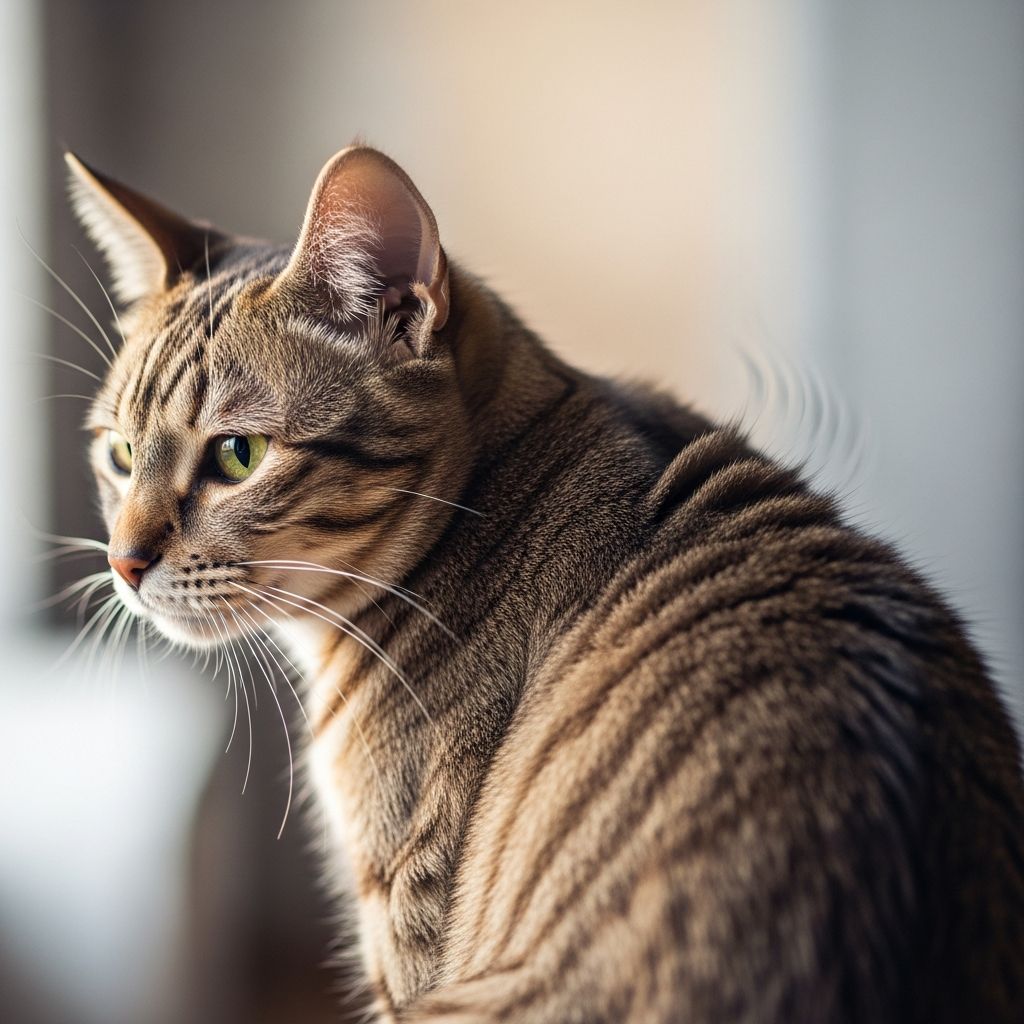
Feline Hyperesthesia Syndrome in Cats
Feline hyperesthesia syndrome (FHS) is a complex and often puzzling condition that affects cats, characterized by episodes of extreme sensitivity and unusual behaviors. This syndrome, also known as rolling skin syndrome or twitchy cat disease, manifests as sudden, dramatic episodes of skin twitching, self-mutilation, and erratic behavior. While the condition may appear alarming to cat owners, understanding its characteristics, potential causes, and available treatment options can help ensure affected cats receive appropriate care and maintain a good quality of life.
What is Feline Hyperesthesia Syndrome?
Feline hyperesthesia syndrome is characterized by an extreme sensitivity in an area of a cat’s skin, almost always on the back and often in the area right in front of the tail. The condition involves hyperresponsiveness of the cutaneous trunci muscle, which is located directly under the skin. When this muscle becomes overly responsive, it causes the distinctive rippling or rolling effect that cat owners often observe. Episodes of FHS typically last from a few seconds to several minutes, during which affected cats display a variety of dramatic behaviors before returning to normal.
Recognizing the Symptoms
The symptoms of feline hyperesthesia syndrome can vary significantly from cat to cat, but several key signs should alert pet owners to seek veterinary attention.
Physical and Behavioral Manifestations
The most commonly observed sign of FHS is frantic scratching, biting, or grooming of the lumbar area, generally at the base of the tail. Cats may also exhibit a rippling or rolling of the dorsal lumbar skin, which is one of the most distinctive features of the condition. During episodes, affected cats often appear to be in a trance-like or absent-minded state, making them extremely difficult to distract from their compulsive behaviors.
Additional physical symptoms include:
– Skin twitching or rippling along the back- Tail chasing and tail mutilation- Excessive grooming, particularly of the lumbar region- Frantic running and jumping- Dilated pupils- Uncontrolled urination- Drooling or salivation
Behavioral and Neurological Signs
Beyond physical manifestations, cats with FHS often display behavioral changes that can be equally distressing. These include excessive vocalization such as yowling or screaming, aggression toward people or other animals, and self-aggression. Some cats may exhibit behaviors similar to being in heat, while others display what appears to be hallucinations or extreme agitation during episodes. The behavioral component of FHS can significantly impact both the cat and the household environment.
Understanding the Causes
The exact cause of feline hyperesthesia syndrome remains elusive, and research suggests that the condition may result from multiple underlying factors rather than a single cause. Understanding these potential triggers is crucial for effective management and treatment.
Dermatological Factors
Skin problems, particularly allergies, are among the most common causes of feline hyperesthesia syndrome. Dermatological conditions including fungal infections, parasites, and dermatitis can trigger or exacerbate symptoms. Additionally, food sensitivities may contribute to the development of FHS, making dietary considerations an important aspect of diagnosis and treatment.
Neurological and Seizure-Related Causes
Neurological issues represent another significant category of potential causes. Seizure disorders, nerve pain, spinal disease, and brain disorders such as epilepsy have all been linked to feline hyperesthesia syndrome. Some experts believe that episodes of vocalisation, wild running, jumping, uncontrolled urination, and tail-chasing may represent instances of epileptic activity, supported by reports of cats showing signs of seizures following an attack.
Psychological and Behavioral Factors
Stress and anxiety have been identified as potential psychological triggers for FHS. The condition has been linked to compulsive behavior, attention-seeking behavior, and overall emotional distress. Stress can increase the release of alpha-melanocyte-stimulating hormone and cause increased grooming and endorphin production, which may contribute to FHS symptoms. Some experts consider FHS to be a type of obsessive-compulsive disorder in cats.
Physical and Orthopedic Issues
Physical trauma, particularly to the tail, and orthopedic problems such as spinal arthritis, pinched nerves, and slipped discs may contribute to hyperesthesia development. Muscle problems and neuropathic pain conditions can also trigger the syndrome. In some cases, the syndrome may cause allodynia, a painful reaction to stimuli that should not normally cause pain, or alloknesis, where stimuli cause an itch sensation that would not normally occur.
Diagnostic Approaches
Accurate diagnosis of feline hyperesthesia syndrome requires a comprehensive veterinary evaluation, as symptoms overlap with several other conditions.
Initial Assessment
Diagnosis begins with a thorough medical history and physical examination. Your veterinarian will assess the cat’s overall health, behavioral patterns, and the specific triggers that precede episodes. Understanding the frequency, duration, and nature of episodes provides valuable diagnostic information.
Diagnostic Testing
To eliminate other potential causes and confirm FHS, veterinarians may recommend various diagnostic tests:
– General physical examination- Neurological examination- Blood chemistry analysis- Urine analysis- Radiography (X-rays)- Magnetic resonance imaging (MRI)- Muscle biopsy- Bile acid tolerance tests- Cerebrospinal fluid analysis- Serologic testing for infectious causes
These tests help rule out dermatological conditions, spinal problems, seizure disorders, and other medical issues that might mimic FHS symptoms.
Treatment Options and Management Strategies
While there is no single cure for feline hyperesthesia syndrome, various treatment approaches can help manage symptoms and improve the cat’s quality of life.
Behavioral Management
Environmental modification and stress reduction play crucial roles in managing FHS. Creating a calm, predictable environment with adequate enrichment can help reduce stress-related episodes. Providing hiding spaces, vertical territory, and regular play sessions tailored to the cat’s energy levels may help. Additionally, identifying and avoiding specific triggers that precede episodes can significantly reduce their frequency.
Medical Interventions
Depending on the underlying cause, veterinarians may prescribe medications to address specific factors contributing to FHS. These may include:
– Anticonvulsant medications for cats with seizure-like episodes- Anti-anxiety medications for stress-related cases- Pain management medications for neuropathic pain conditions- Dermatological treatments for skin-related causes- Dietary modifications for food sensitivities
Addressing Underlying Conditions
If FHS is secondary to another condition, treating the primary issue often helps alleviate symptoms. For example, if allergies are identified as the cause, allergen avoidance or allergy management becomes the focus of treatment. Similarly, if seizures are responsible for episodes, anticonvulsant therapy may prove effective.
Prognosis and Long-term Outlook
The overall prognosis for feline hyperesthesia syndrome is generally good, particularly when the underlying cause is identified and appropriately managed. Most cats can return to normal behavior between episodes, and with proper treatment, the frequency and severity of episodes often decrease. However, the prognosis depends on several factors, including the underlying cause, the severity of self-mutilation or self-aggression, and the cat’s response to treatment. Cases involving excessive self-injury that leads to infection require more intensive management and may have a more guarded prognosis.
When to Consult Your Veterinarian
Cat owners should contact their veterinarian if they notice any signs of feline hyperesthesia syndrome in their pet. Sudden onset of skin twitching, excessive grooming, behavioral changes, or episodes of apparent distress warrant professional evaluation. Early detection and intervention can prevent the condition from worsening and improve the cat’s overall well-being. Additionally, if symptoms change significantly or worsen despite treatment, veterinary reassessment is necessary to adjust the treatment plan.
Key Takeaways About Feline Hyperesthesia Syndrome
Feline hyperesthesia syndrome is a complex condition with multiple potential causes, ranging from dermatological issues to neurological and psychological factors. While the exact etiology remains unclear, understanding the symptoms and seeking prompt veterinary care can lead to effective management strategies. With appropriate diagnosis, targeted treatment, and environmental modifications, most cats with FHS can achieve significant symptom improvement and maintain a good quality of life. Working closely with a veterinarian to develop a comprehensive treatment plan tailored to each cat’s specific needs is essential for managing this challenging condition.
Frequently Asked Questions (FAQs)
Q: Is feline hyperesthesia syndrome contagious?
A: No, feline hyperesthesia syndrome is not contagious. It is an individual condition affecting a single cat and cannot be transmitted to other cats or animals.
Q: Can indoor cats develop feline hyperesthesia syndrome?
A: Yes, feline hyperesthesia syndrome can affect both indoor and outdoor cats. Environmental stress, medical conditions, and behavioral factors are not limited to outdoor cats.
Q: Are certain cat breeds more prone to FHS?
A: While FHS can affect any cat breed, some evidence suggests certain breeds may be more predisposed to the condition, though more research is needed to confirm breed-specific susceptibility.
Q: Can FHS be cured completely?
A: FHS cannot always be cured, but symptoms can be effectively managed with proper treatment addressing the underlying cause. Many cats experience significant improvement with appropriate management strategies.
Q: How long do FHS episodes typically last?
A: Episodes of feline hyperesthesia syndrome generally last from a few seconds to several minutes, after which the cat typically returns to normal behavior.
Q: Is it safe to pet a cat during an FHS episode?
A: It is generally best to avoid handling a cat during an FHS episode, as they may become aggressive or attempt to bite due to extreme sensitivity and distress. Allow the episode to pass naturally.
Q: What should I do if I suspect my cat has FHS?
A: Schedule an appointment with your veterinarian as soon as possible. Document episodes including their frequency, duration, and any apparent triggers to provide helpful information for diagnosis.
References
- Feline Hyperesthesia Syndrome — Waccamaw Veterinary Clinic. 2022-11-15. https://waccamawveterinary.com/feline-hyperesthesia-syndrome/
- Feline Hyperesthesia Syndrome — Peterborough West Animal Hospital. https://peterboroughvets.ca/feline-hyperesthesia-syndrome/
- Feline Hyperesthesia Syndrome — Wikipedia. https://en.wikipedia.org/wiki/Feline_hyperesthesia_syndrome
- Feline Hyperesthesia Syndrome: Causes and Treatment Options — Arch Creek Animal Clinic. https://archcreekanimalclinic.com/feline-hyperesthesia-syndrome/
- Understanding and Treating Feline Hyperesthesia — Shawsheen Animal Hospital. https://shawsheenanimalhospital.com/blog/understanding-and-treating-feline-hyperesthesia/
- Feline Hyperesthesia Syndrome in Cats: What to Know — WebMD Pets. https://www.webmd.com/pets/cats/what-is-hyperesthesia-in-cats
- Hyperesthesia Syndrome — Cornell University College of Veterinary Medicine. https://www.vet.cornell.edu/departments-centers-and-institutes/cornell-feline-health-center/health-information/feline-health-topics/hyperesthesia-syndrome
Similar Articles








Read full bio of Sneha Tete




