

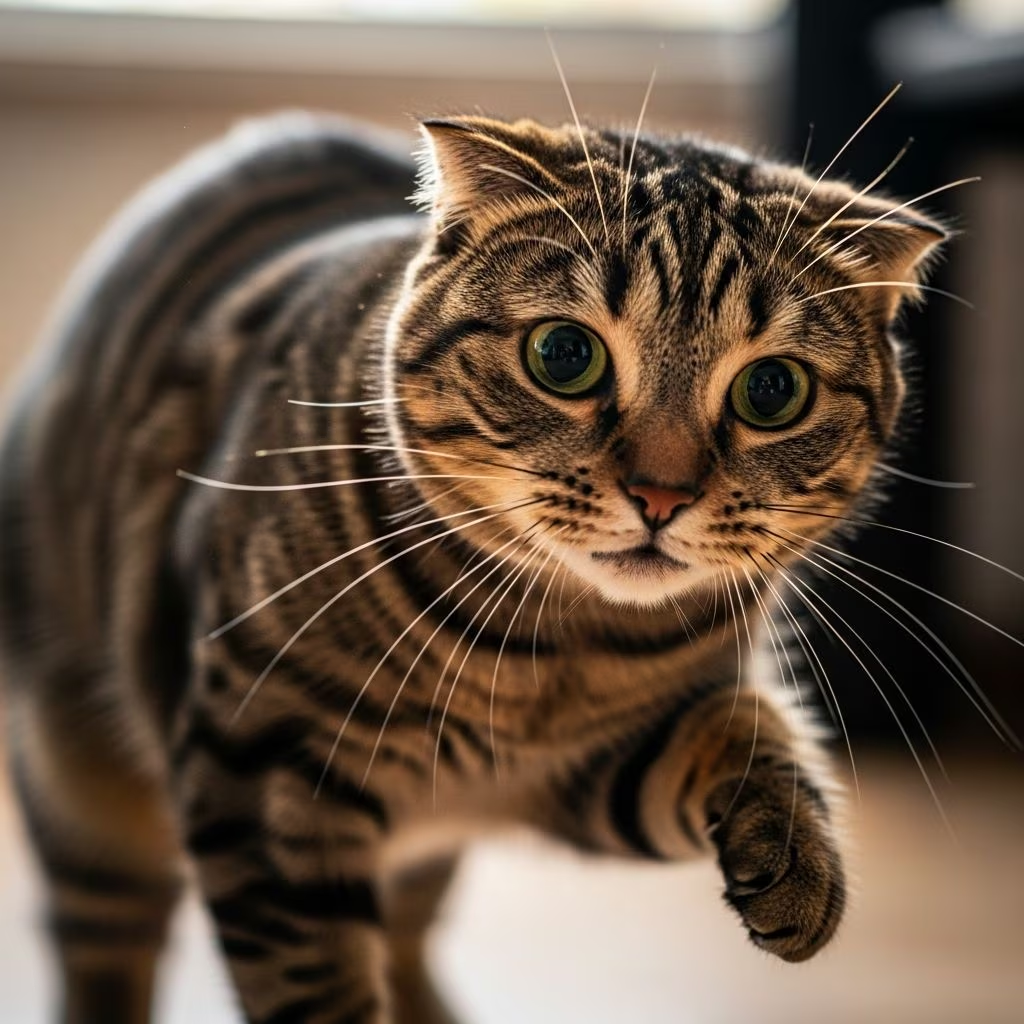
Understanding Feline Hyperesthesia Syndrome
Feline hyperesthesia syndrome (FHS), commonly known as “twitchy cat syndrome” or “rippling skin disease,” is a puzzling neurological and behavioral condition that affects cats of various ages and breeds. This complex disorder is characterized by exaggerated skin sensitivity, sudden episodes of frantic behavior, and involuntary muscle contractions that can range from mild discomfort to extreme agitation. Understanding this condition is essential for cat owners and veterinarians alike, as early detection and proper management can significantly improve a cat’s quality of life and overall well-being.
The syndrome primarily manifests as hypersensitivity of the skin, usually concentrated on the back, loin area, and tail. During episodes, affected cats may exhibit dramatic behavioral changes that appear to come out of nowhere, causing distress to both the cat and its owner. While the exact cause of FHS remains elusive, research suggests potential links to neurological disorders, stress, genetic predisposition, and underlying medical conditions.
Recognizing the Symptoms of Feline Hyperesthesia
Identifying the signs of feline hyperesthesia syndrome is crucial for early intervention and management. Episodes can vary significantly in their presentation and duration, but several characteristic symptoms should prompt veterinary evaluation:
- Sudden twitching or rippling of the skin, particularly along the back and flanks
- Dilated pupils during episodes
- Loud vocalizations or unusual meowing
- Extreme sensitivity to touch, especially along the back and tail area
- Frantic or frenetic running and jumping
- Sudden behavioral changes, including aggression toward owners or other pets
- Self-directed aggression, such as biting or scratching at the skin
- Excessive grooming in affected areas
- Rapid tail movements or thumping
Episodes typically last from a few seconds to several minutes and can occur sporadically throughout the day. The frequency and intensity of these episodes can differ greatly among affected cats, influenced by underlying causes and environmental triggers. Some cats may experience multiple episodes daily, while others may have episodes only occasionally.
What Causes Feline Hyperesthesia Syndrome?
The exact cause of feline hyperesthesia syndrome remains unknown, but veterinary professionals recognize that FHS likely involves multiple potential causes. Because different cats respond to different types of treatment, researchers believe there may be several underlying mechanisms at play. Causes are typically categorized into three main groups:
Dermatological Causes
Skin problems represent one of the most common potential triggers for feline hyperesthesia syndrome. These include:
- Allergies (food allergies, environmental allergies, or contact allergies)
- Parasitic infestations, including fleas, lice, or mites
- Fungal infections, such as ringworm
- Dry or sensitive skin conditions
- Food sensitivities that manifest as skin reactions
Neurological Causes
Neurological factors may contribute significantly to the development of FHS. Potential neurological causes include:
- Seizure disorders or subclinical seizure activity
- Nerve pain or neuropathy
- Spinal arthritis or degenerative spine disease
- Intervertebral disc extrusions
- Central nervous system dysfunction
- Genetic predisposition in certain breeds
Psychological Causes
Mental and emotional factors can play a significant role in triggering feline hyperesthesia episodes. Psychological contributors may include:
- Stress and anxiety
- Compulsive behaviors
- Attention-seeking behavior
- Environmental changes or disruptions to routine
- Insufficient mental stimulation or enrichment
Diagnosing Feline Hyperesthesia Syndrome
Proper diagnosis of feline hyperesthesia syndrome requires a comprehensive veterinary evaluation, as several other medical conditions can mimic its symptoms. Your veterinarian will need to rule out conditions such as:
- Spinal arthritis
- Intervertebral disc disease
- Skin conditions and parasites
- Allergies and fungal infections
- Seizure disorders
- Behavioral disorders
The diagnostic process typically includes a detailed medical history, thorough physical examination, and various diagnostic tests. Your veterinarian may recommend blood work, skin scrapings, allergy testing, or imaging studies such as X-rays or MRI to identify or exclude underlying conditions. This comprehensive approach ensures an accurate diagnosis and helps develop an effective, targeted treatment plan.
Treatment Options for Feline Hyperesthesia
While there is no cure for feline hyperesthesia syndrome, various medical and behavioral treatments can effectively manage symptoms and improve your cat’s quality of life. Treatment approaches are tailored to the individual cat’s needs and the underlying causes identified through diagnostic testing.
Medical Treatments
Medications represent the primary treatment approach for managing FHS episodes. Several types of medications have shown effectiveness:
- Gabapentin: This anti-seizure medication is frequently recommended for cats with FHS, as it reduces nerve pain and anxiety while also helping control seizure activity
- Anti-anxiety medications: Drugs like amitriptyline may be prescribed to help manage stress-related episodes
- Anti-seizure medications: Phenobarbital may be used if seizure activity is identified
- Corticosteroids: These can help reduce skin inflammation associated with dermatological causes
- Supplements: Omega-3 fatty acids may be recommended to decrease skin sensitivity and support overall skin health
Research has shown promising results with medication management. In one study, six out of seven cats showed significant improvement with medication, and five cats achieved resolution with just one medication. However, the specific medication that works best varies from cat to cat, requiring veterinary expertise to identify the most effective option.
Behavioral and Environmental Management
Beyond medication, environmental modifications and behavioral interventions play a crucial role in managing feline hyperesthesia syndrome. These approaches help reduce stress triggers that may exacerbate the condition:
- Create a calm, stable home environment with minimal sudden changes
- Provide safe, comfortable spaces where your cat can retreat when feeling overwhelmed
- Establish a consistent routine, particularly with feeding and playtimes
- Engage your cat in regular, structured play to relieve stress and excess energy
- Use pheromone diffusers to create a calming atmosphere
- Make environmental changes slowly and gradually whenever possible
- Provide adequate mental stimulation and enrichment activities
- Consider behavioral therapy with a veterinary behaviorist for comprehensive management
Environmental modifications can significantly reduce the frequency and intensity of episodes by minimizing stress triggers and promoting a sense of security.
Long-Term Management and Recovery
Feline hyperesthesia syndrome often requires lifelong management to prevent recurrence of episodes. The duration of relief from treatment varies among cats—some may experience episodes returning after several months, while others enjoy longer periods of improvement. For cats whose episodes are triggered by stress or anxiety, maintaining a low-stress home environment is essential for long-term management.
Cats prescribed anti-anxiety medications may require these medications for life to maintain symptom control. Regular veterinary check-ups and ongoing communication with your veterinarian about your cat’s response to treatment are essential for optimal management. Your veterinarian may need to adjust medication dosages or try alternative treatments if your cat’s response changes over time.
Alternative and Complementary Approaches
In addition to conventional medical treatment, several complementary approaches may help manage feline hyperesthesia syndrome symptoms:
- Dietary modifications, particularly if food sensitivities are suspected
- Omega-3 fatty acid supplements for skin health
- Anti-anxiety supplements approved by your veterinarian
- Behavioral counseling to address stress and anxiety components
- Environmental enrichment and play therapy
- Specialized pheromone products designed for cats
It is vital to work closely with your veterinarian before implementing any alternative treatments, as some supplements or dietary changes may interact with prescribed medications or be inappropriate for your cat’s specific condition.
Frequently Asked Questions About Feline Hyperesthesia
Q: How long do feline hyperesthesia episodes typically last?
A: Episodes generally last from a few seconds to several minutes. The duration can vary significantly depending on the individual cat and the underlying cause triggering the episode.
Q: Can feline hyperesthesia syndrome be cured?
A: There is no cure for feline hyperesthesia syndrome. However, symptoms can be effectively managed through medication, environmental modifications, and behavioral interventions to improve your cat’s quality of life.
Q: Which breeds are more prone to feline hyperesthesia?
A: While FHS can affect cats of any breed, certain breeds may have a genetic predisposition to developing the condition. Your veterinarian can discuss breed-specific risk factors during your cat’s evaluation.
Q: What should I do if my cat has a feline hyperesthesia episode?
A: During an episode, avoid touching or restraining your cat, as this may increase agitation. Instead, move away and allow the episode to pass naturally. Maintain a calm demeanor and provide a safe space. Contact your veterinarian if episodes are severe or frequent.
Q: Can stress alone cause feline hyperesthesia?
A: Stress and anxiety can trigger or exacerbate feline hyperesthesia episodes, but they are not typically the sole cause. Most cases involve a combination of neurological, dermatological, and psychological factors.
Q: Will my cat need medication for life?
A: Many cats with FHS do require long-term medication management. However, some cats may experience extended periods of improvement and may not need continuous medication. Your veterinarian will help determine the best long-term management approach for your cat.
Q: Are there any side effects to gabapentin treatment?
A: Gabapentin is generally well-tolerated in cats, but potential side effects may include sedation, lack of coordination, or changes in appetite. Discuss any concerns with your veterinarian to ensure your cat is receiving the appropriate dosage.
References
- Feline Hyperesthesia Syndrome: Causes and Treatment Options — Arch Creek Animal Clinic. 2025. https://archcreekanimalclinic.com/feline-hyperesthesia-syndrome/
- Feline Hyperesthesia Syndrome — Peterborough West Animal Hospital. 2025. https://peterboroughvets.ca/feline-hyperesthesia-syndrome/
- Understanding and Treating Feline Hyperesthesia — Shawsheen Animal Hospital. 2025. https://shawsheenanimalhospital.com/blog/understanding-and-treating-feline-hyperesthesia/
- Feline Hyperesthesia Syndrome (Twitchy Cat Syndrome) — PetMD. 2025. https://www.petmd.com/cat/conditions/skin/feline-hyperesthesia-syndrome
- Hyperesthesia Syndrome — Cornell Feline Health Center, Cornell University College of Veterinary Medicine. 2025. https://www.vet.cornell.edu/departments-centers-and-institutes/cornell-feline-health-center/health-information/feline-health-topics/hyperesthesia-syndrome
- Feline Hyperesthesia Syndrome in Cats: What to Know — WebMD. 2025. https://www.webmd.com/pets/cats/what-is-hyperesthesia-in-cats



