

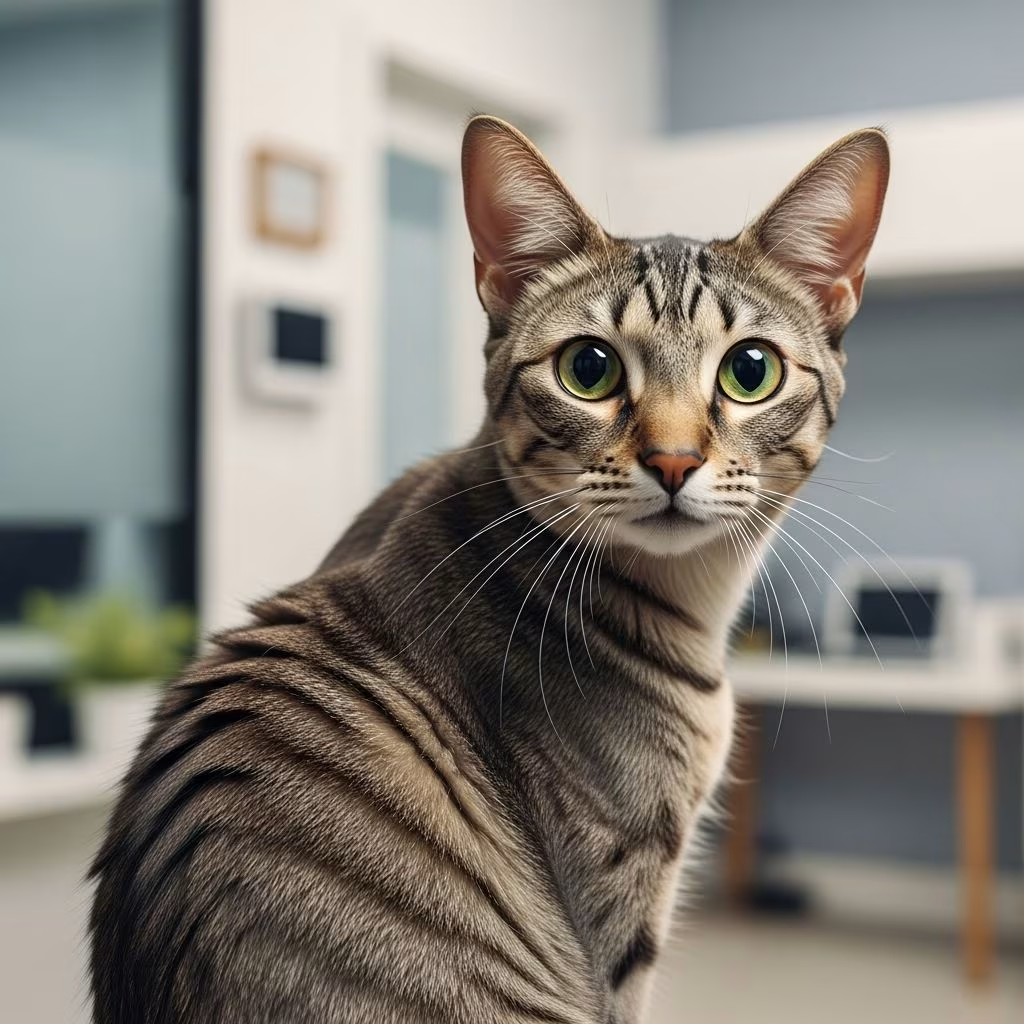
Feline hyperesthesia syndrome (FHS), often called “twitchy cat syndrome” or “rippling skin syndrome,” is a complex condition characterized by extreme skin sensitivity, particularly along the back and tail, leading to episodes of intense discomfort, frantic self-grooming, and unusual behaviors in cats. This syndrome can significantly impact a cat’s quality of life, but with proper veterinary diagnosis and management, many cats experience substantial relief. While the exact cause remains elusive, it involves a mix of neurological, dermatological, psychological, and possibly genetic factors, affecting cats of various ages and breeds, though some like Abyssinians, Burmese, and Siamese may be predisposed.
What Is Feline Hyperesthesia Syndrome?
Feline hyperesthesia syndrome refers to a set of symptoms where cats display heightened sensitivity to touch, especially on their dorsal (back) region, manifesting as rippling or twitching skin, vocalizations, and sudden bursts of activity. Unlike typical feline behaviors, these episodes can be sudden and intense, with cats appearing startled by their own skin movements or touch, leading owners to describe it as their cat “going crazy” or chasing phantom sensations. Hyperesthesia literally means “excessive sensation,” and in cats, it often presents episodically, lasting from seconds to minutes, sometimes triggered by petting or environmental stressors. The condition is rare but distressing, potentially linked to partial seizures, neuropathic pain, or compulsive disorders, distinguishing it from normal grooming or play. Early recognition is crucial, as untreated FHS can lead to self-inflicted injuries from overgrooming.
Symptoms of Feline Hyperesthesia Syndrome
Recognizing FHS symptoms is key for prompt veterinary intervention. Common signs include:
- Rippling or twitching skin: The most hallmark feature, where the cat’s back skin undulates or rolls as if something is crawling underneath, often starting near the tail base.
- Frantic grooming or self-mutilation: Cats may lick, bite, or scratch their back, flanks, or tail excessively, sometimes causing hair loss or wounds.
- Sudden bursts of activity: Episodes of running, leaping, or attacking their tail as if it’s an intruder.
- Vocalizations and agitation: Yowling, growling, or meowing loudly during episodes, with dilated pupils and flattened ears indicating distress.
- Tail chasing or sensitivity: Heightened reactions to touch along the spine or tail, with cats whipping their tail frantically.
- Behavioral changes: Dilated pupils persisting outside episodes, pacing, or hiding, suggesting ongoing discomfort.
These symptoms can mimic other conditions, so observation of patterns—such as episodes triggered by touch or stress—is vital. Owners often note episodes increase in frequency without intervention, underscoring the need for professional evaluation.
Causes of Feline Hyperesthesia Syndrome
The etiology of FHS is multifactorial and not fully understood, but research points to several potential contributors.
- Neurological factors: Many cases resemble partial seizures or neuropathic pain from spinal cord issues, nerve impingement, or intervertebral disc disease.
- Dermatological issues: Allergies (flea, food, environmental), parasites, or infections causing itchiness that escalates into hyperesthesia.
- Psychological and behavioral: Stress, anxiety, compulsive disorders, or attention-seeking behaviors exacerbate symptoms.
- Musculoskeletal problems: Arthritis, spinal arthritis, or trauma leading to pain referral.
- Genetic predisposition: Certain breeds show higher incidence, suggesting hereditary components.
- Other triggers: Food sensitivities, epilepsy, or infectious diseases.
No single cause fits all cases; often, a combination is at play, with stress amplifying underlying physical issues. Recent studies, including those from peer-reviewed sources, indicate up to 70% of cases involve neurological components treatable as such.
Diagnosis of Feline Hyperesthesia Syndrome
Diagnosing FHS requires ruling out mimics through a systematic veterinary approach.
- History and observation: Detailed owner reports of episode frequency, triggers, and behaviors.
- Physical and neurological exam: Checking skin for parasites/infections, palpating spine for pain, assessing reflexes.
- Diagnostic tests: Flea combing, skin scrapes, allergy testing, bloodwork, urinalysis, X-rays, or MRI for spinal/neurological issues.
- Exclusion of differentials: Conditions like epilepsy, arthritis, or allergies must be eliminated.
Vets may video episodes for analysis. In complex cases, referral to a veterinary neurologist or behaviorist is recommended. Accurate diagnosis prevents mis-treatment and targets root causes.
Treatment Options for Feline Hyperesthesia Syndrome
While there’s no universal cure, multimodal treatment improves most cats’ lives.
Medications
- Gabapentin: First-line for nerve pain and anxiety; reduces episodes in many cats.
- Anti-anxiety drugs: Like fluoxetine or amitriptyline for psychological components.
- Anti-seizure meds: Phenobarbital if seizures suspected.
- Topicals/Antibiotics: For skin infections or fleas.
- Pain relief: NSAIDs or corticosteroids short-term.
One study showed 6/7 cats improved significantly with meds, some resolving with one drug. Lifelong therapy may be needed.
Environmental and Behavioral Management
- Reduce stress: Pheromone diffusers (Feliway), safe spaces, routine.
- Avoid triggers: No rough petting on back; gentle handling.
- Diet trials: Hypoallergenic food for sensitivities.
- Behavioral therapy: Enrichment, play to redirect compulsions.
Combining approaches yields best results; monitor and adjust.
Living with Feline Hyperesthesia Syndrome
Management is ongoing; track episodes in a journal for vet adjustments. Provide scratching posts, vertical spaces to alleviate stress. Prognosis is good with compliance—many cats achieve near-normal lives. Regular check-ups ensure optimal control.
Frequently Asked Questions (FAQs)
Is feline hyperesthesia dangerous?
Not typically life-threatening, but untreated episodes can cause injury from self-trauma.
Can feline hyperesthesia be cured?
No cure, but manageable; some cats remit with treatment.
What triggers hyperesthesia episodes?
Touch, stress, fleas, or spontaneously.
How is FHS diagnosed?
By exclusion via exams and tests.
What medications treat FHS?
Gabapentin, anti-anxiety, anti-seizure per cause.
Are certain breeds prone to FHS?
Yes, like Siamese and Burmese.
References
- Treatment options for feline hyperesthesia syndrome — Vetster. 2023. https://vetster.com/en/wellness/treatment-options-for-feline-hyperesthesia-syndrome
- Feline Hyperesthesia Syndrome — Peterborough West Animal Hospital. 2023. https://peterboroughvets.ca/feline-hyperesthesia-syndrome/
- Understanding and Treating Feline Hyperesthesia — Shawsheen Animal Hospital. 2023. https://shawsheenanimalhospital.com/blog/understanding-and-treating-feline-hyperesthesia/
- Feline Hyperesthesia Syndrome: Causes, and Treatment Options — Arch Creek Animal Clinic. 2023. https://archcreekanimalclinic.com/feline-hyperesthesia-syndrome/
- Feline Hyperesthesia Syndrome (Twitchy Cat Syndrome) — PetMD. 2024-01-15. https://www.petmd.com/cat/conditions/skin/feline-hyperesthesia-syndrome
- Hyperesthesia Syndrome — Cornell University College of Veterinary Medicine. 2023. https://www.vet.cornell.edu/departments-centers-and-institutes/cornell-feline-health-center/health-information/feline-health-topics/hyperesthesia-syndrome
- What Is Hyperesthesia in Cats — WebMD. 2023. https://www.webmd.com/pets/cats/what-is-hyperesthesia-in-cats



