

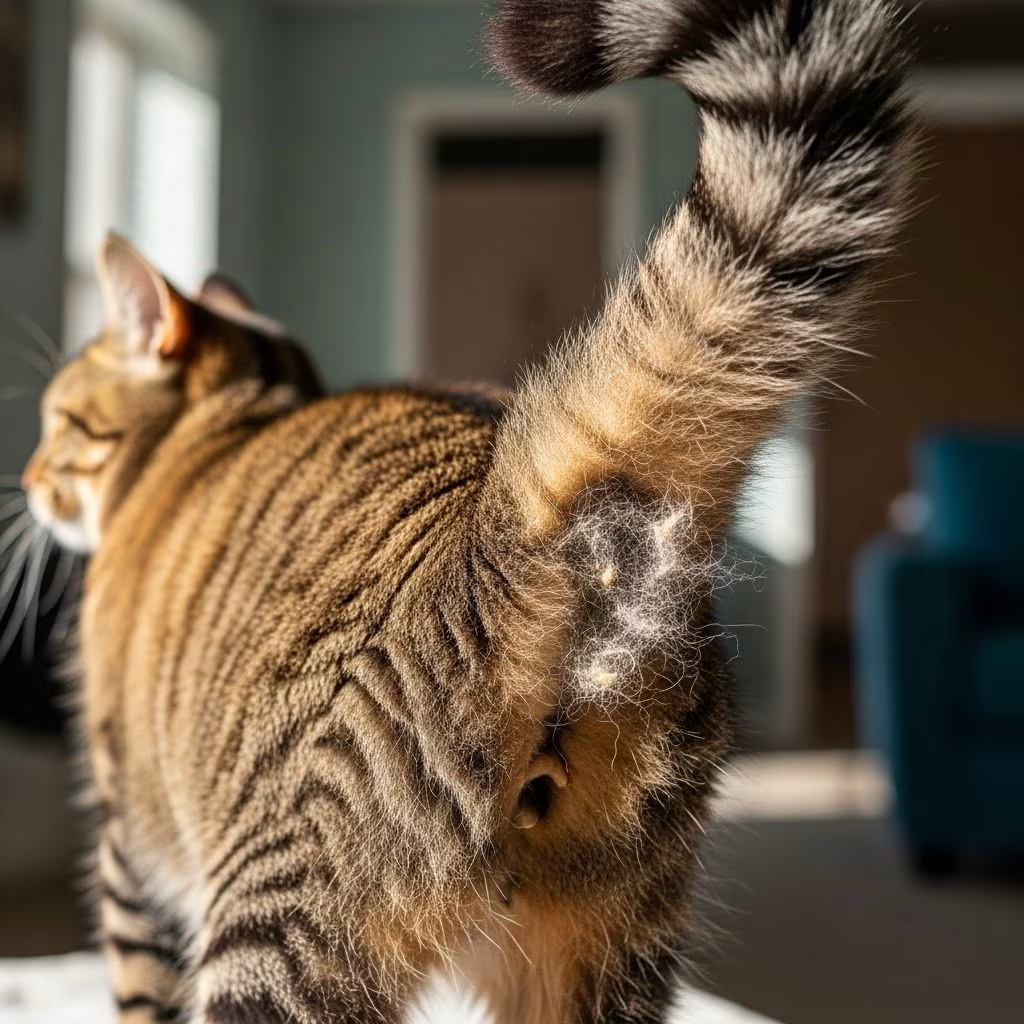
One of the less glamorous aspects of cat ownership involves monitoring your feline companion’s sanitation habits, particularly around the rear end. While discussing this topic might seem uncomfortable, addressing hygiene concerns in this sensitive area is essential for your cat’s comfort, health, and overall quality of life. Dried fecal matter that becomes entangled in the fur around a cat’s hindquarters—commonly referred to by the colloquial term “dingleberries”—represents a genuine health concern that deserves attention from responsible pet owners.
This condition is far more prevalent than many cat owners realize, yet it remains a topic shrouded in embarrassment and silence. Understanding the underlying causes of this issue and implementing preventative measures can help you maintain your cat’s dignity and wellbeing. Whether your cat has never experienced this problem or is dealing with chronic episodes, acquiring knowledge about fecal matting can significantly improve your pet care routine.
What Constitutes Posterior Fecal Matting?
Posterior fecal matting occurs when hardened waste material adheres to the fur surrounding a cat’s anus and back end. The buildup typically consists of dried feces that has become mechanically trapped within the hair shaft, creating uncomfortable, unsightly clumps. This situation extends beyond a mere cosmetic inconvenience—it can lead to skin irritation, infection, and behavioral changes if left unaddressed.
The severity ranges from occasional minor incidents affecting a single hair strand to more substantial accumulations requiring professional intervention. Some cats experience this as an isolated occurrence, while others struggle with recurring episodes that suggest underlying health or environmental factors requiring investigation.
Primary Contributing Factors to Consider
Coat Length and Hair Structure
Cats with extended fur, particularly those with naturally thick or dense coats, face significantly higher susceptibility to fecal matting. During bowel movements, the physical length and volume of hair in the hindquarters region creates numerous opportunities for waste material to become mechanically entangled. The process occurs most readily around the tail base and upper thigh regions where fur tends to be thickest.
Even short-haired cats with particularly dense or coarse coat textures can experience occasional matting, though the frequency and severity typically correlate directly with coat length. Pedigree breeds with deliberately cultivated long coats—such as Persians and Maine Coons—require substantially more attention to this aspect of grooming.
Excess Body Weight
Obesity in felines presents multiple complications for rear-end hygiene. When cats accumulate excess adipose tissue around their abdomen and hindquarters, physical flexibility diminishes considerably. This reduced mobility prevents cats from achieving the contortions necessary to groom themselves effectively in posterior regions.
Additionally, increased body weight places strain on the abdominal wall and pelvic region, making normal grooming postures uncomfortable or impossible. Overweight cats often develop secondary health issues including reduced activity levels, further compounding the inability to maintain adequate self-grooming standards. Weight management therefore becomes not merely a cosmetic concern but a fundamental health intervention.
Digestive System Disruptions
Any condition affecting normal gastrointestinal function creates vulnerability to posterior matting. Diarrhea—whether acute or chronic—produces loose, liquid-consistency feces that readily adheres to hair shafts during elimination. The increased frequency of bowel movements associated with diarrheal conditions multiplies the opportunities for fecal material to become trapped.
Conversely, constipation presents its own complications. When cats strain during defecation or produce small, hard fecal pellets, these fragments frequently cling to anal fur and become embedded before complete elimination. Inflammatory bowel diseases, parasitic infections, and dietary intolerances all represent potential digestive contributors requiring veterinary assessment.
Insufficient Self-Maintenance Behaviors
Cats possess instinctive grooming drives that normally protect them from hygiene problems. When cats discontinue or substantially reduce grooming activities, posterior regions deteriorate rapidly. Reduced grooming frequency often indicates underlying discomfort or systemic illness rather than representing the primary problem itself.
Arthritis, dental disease, and chronic pain conditions frequently precipitate grooming cessation. Behavioral factors including anxiety, depression, and environmental stress can similarly suppress normal grooming instincts. In these instances, the matting represents merely a symptom of a more significant underlying concern requiring targeted intervention.
Risk Factors and Susceptible Populations
| Risk Category | Affected Cats | Primary Mechanism |
|---|---|---|
| Breed Predisposition | Long-haired breeds (Persian, Maine Coon, Ragdoll) | Coat length and density |
| Age-Related | Senior cats (10+ years) | Reduced mobility and grooming ability |
| Health Status | Obese or arthritic cats | Physical limitation to reach rear areas |
| Medical History | Cats with GI disorders | Abnormal stool consistency |
Implementing Preventative Strategies
Establishing Consistent Grooming Protocols
Regular grooming represents the most effective preventative measure available to cat owners. Establishing a structured grooming schedule requires attention specifically to the hindquarters region, utilizing appropriate tools for your cat’s coat type. Slicker brushes work effectively for removing loose undercoat, while metal combs help identify and address early matting before it becomes problematic.
For long-haired cats, professional grooming every 4-8 weeks provides professional assessment and maintenance. Even short-haired cats benefit from weekly brushing sessions to remove loose fur and monitor for early signs of fecal accumulation. The added benefit of frequent grooming includes early detection of other health issues affecting the posterior region.
Optimizing Nutritional Intake
Diet quality directly influences stool consistency and digestive efficiency. High-quality feline nutrition formulated with appropriate fiber levels and digestible protein sources promotes normal bowel function. Conversely, diets excessive in fillers or lacking essential nutrients often trigger digestive disturbances that compromise rear-end hygiene.
Consultation with veterinary professionals regarding appropriate portions and food formulations ensures your cat receives optimal nutrition while maintaining healthy body weight. Some cats benefit from limited ingredient diets or specialized formulations addressing specific digestive sensitivities. Adequate hydration through fresh water availability and sometimes dietary moisture content supports healthy digestive function.
Weight Management Programs
For overweight cats, structured weight loss programs under veterinary supervision address both the immediate hygiene concerns and broader health implications of excess weight. Gradual caloric reduction combined with increased activity through interactive play and environmental enrichment facilitates sustainable weight loss without metabolic complications.
Senior or less mobile cats may require modified approaches emphasizing controlled portions while accommodating reduced activity levels. The relationship between improved mobility following weight loss and enhanced self-grooming ability often becomes apparent relatively quickly following program initiation.
Litter Box Maintenance and Placement
A clean, well-maintained litter box with appropriate litter type encourages consistent use and supports normal elimination patterns. Cats sometimes develop preferences for specific litter substrates, and experimentation may be necessary to identify preferred options. Adequate box size ensures cats can position themselves comfortably during elimination, reducing the likelihood of fecal contact with fur.
Strategic placement away from feeding and water areas respects feline instincts while reducing behavioral avoidance of the litter box. Multiple boxes distributed throughout the home—following the guideline of one box per cat plus one additional—ensures accessibility and may prevent avoidance behaviors contributing to hygiene problems.
Monitoring Outdoor Activities
Cats with outdoor access encounter environmental factors that potentially compromise rear-end hygiene. Supervised outdoor time allows you to monitor activities and intervene if excessive dirt or debris accumulation occurs. Reducing unsupervised outdoor access, particularly during wet weather or dusty conditions, limits contamination exposure.
Recognizing When Professional Intervention Becomes Necessary
Persistent fecal matting despite preventative efforts warrants veterinary consultation to identify underlying health conditions. Your veterinarian can assess for digestive disorders, mobility issues, and other factors contributing to chronic problems. Some cats benefit from professional sanitary trims removing excess fur from sensitive regions, reducing trapping opportunities while maintaining natural appearance.
Signs indicating urgent veterinary attention include sudden behavioral changes, visible discomfort, skin inflammation, or signs suggesting anal gland complications. Cats displaying scooting behaviors or excessive licking of the posterior region require professional evaluation to rule out parasites, infections, or anal gland dysfunction.
Addressing Acute Episodes
When fecal matting occurs, gentle removal using warm water and soft cloths works for minor incidents. Specialized pet-safe wipes formulated for feline use provide safer alternatives to baby wipes, which may contain chemicals or fragrances inappropriate for cats. Never use harsh chemicals or excessive force that could injure sensitive anal tissues.
For stubborn matting, professional groomers possess specialized tools and expertise to safely remove accumulated material without causing injury or distress. Attempting extensive removal at home risks causing skin trauma or frightening your cat unnecessarily.
Frequently Asked Questions
How frequently should I check my cat’s rear end for potential problems?
Weekly visual inspections, particularly during grooming sessions, allow early detection of developing issues. Long-haired or overweight cats may warrant more frequent monitoring.
Can I completely prevent this issue from occurring?
While comprehensive prevention isn’t always possible, particularly for genetically predisposed breeds, consistent grooming, weight management, and digestive health optimization minimize occurrence rates substantially.
When should I contact my veterinarian about this issue?
Contact your veterinarian if matting persists despite preventative efforts, if your cat shows behavioral changes, or if you notice skin irritation or inflammation in the affected area.
Are certain cat breeds more susceptible than others?
Long-haired breeds face considerably higher risk due to coat characteristics, though any cat experiencing digestive issues or mobility limitations can develop posterior fecal matting.
Conclusion
While discussing fecal matting might feel uncomfortable, addressing this concern demonstrates genuine commitment to your cat’s health and comfort. By understanding contributing factors and implementing preventative strategies, you can significantly reduce the likelihood of your feline companion experiencing this unpleasant condition. Regular grooming attention, optimal nutrition, appropriate weight management, and prompt veterinary consultation when problems arise create comprehensive protection for your cat’s dignity and wellbeing.
References
- Cat Dingleberries: Vet Reviewed Causes & Prevention Tips — Catster. Accessed January 29, 2026. https://www.catster.com/cat-health-care/cat-dingleberries/
- 5 Things Your Cat’s Butt Can Tell You About Their Health — Cats.com. Accessed January 29, 2026. https://cats.com/cat-butt



