

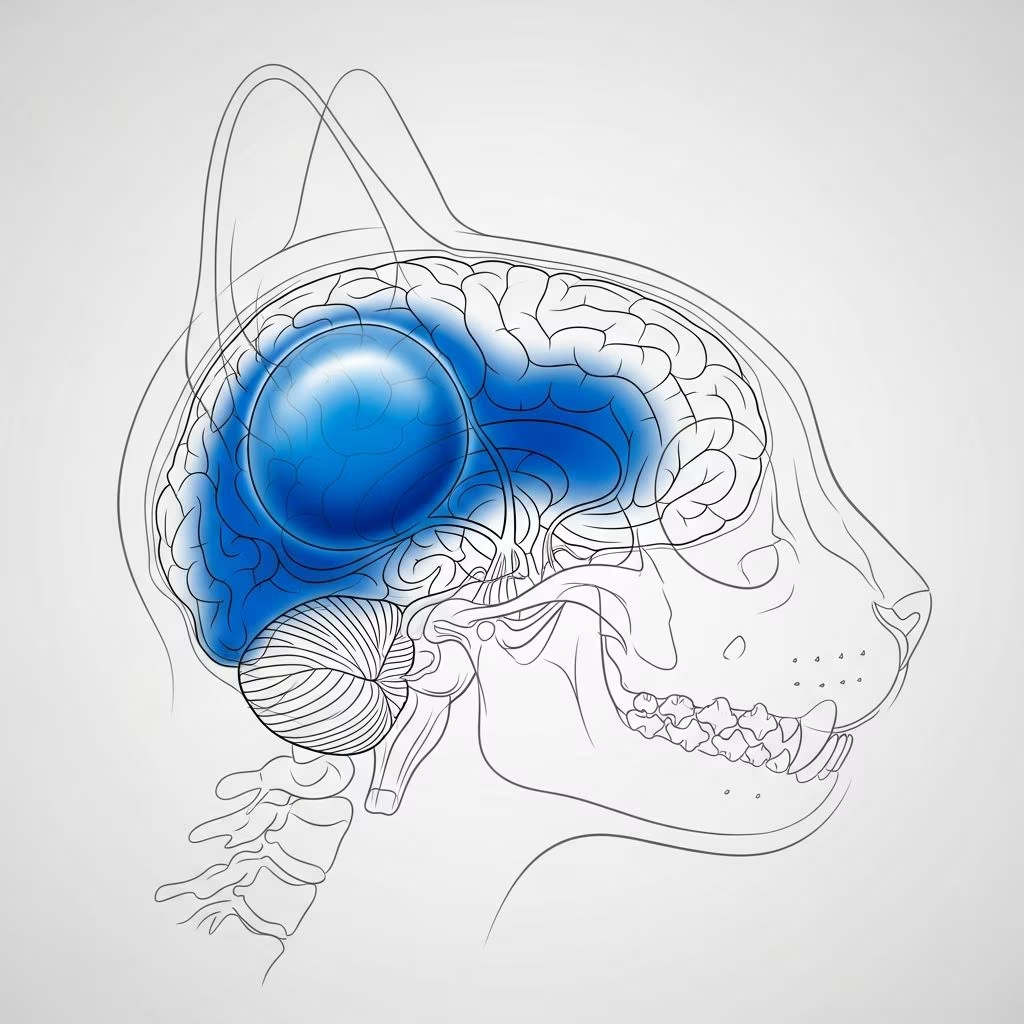
Hydrocephalus represents one of the more serious neurological conditions affecting domestic cats, yet many cat owners remain unaware of what this condition entails or how it impacts feline health. Often referred to colloquially as “water on the brain,” hydrocephalus involves an abnormal accumulation of cerebrospinal fluid (CSF) within the brain’s ventricular system. This fluid buildup creates increased pressure on delicate brain tissue, potentially causing significant neurological damage if not addressed promptly. While this condition remains relatively uncommon in cats compared to certain dog breeds, understanding its mechanisms, recognition, and management strategies is essential for cat owners and caregivers.
What Is Hydrocephalus and How Does It Develop?
Cerebrospinal fluid serves a critical function in the central nervous system, protecting and cushioning the brain and spinal cord while delivering nutrients and removing metabolic waste. In healthy animals, this fluid is continuously produced and reabsorbed in a balanced equilibrium. However, when this balance becomes disrupted—either through excessive production or impaired drainage—fluid accumulates within the brain’s ventricles, creating pressure that damages surrounding neural tissue.
Hydrocephalus in cats can be classified into two primary categories. Congenital hydrocephalus develops during fetal development or early infancy, often resulting from genetic predisposition or developmental abnormalities affecting the brain’s structure. Acquired hydrocephalus develops later in life due to various triggering events. These triggering factors include traumatic brain injuries from falls or accidents, infections affecting the central nervous system, tumor growth that obstructs CSF flow, or inflammation within the brain. Additionally, any condition that either increases cerebrospinal fluid production or blocks its normal circulation through the brain and spinal cord can precipitate hydrocephalus.
Recognizing Clinical Signs in Affected Cats
Identifying hydrocephalus in cats requires awareness of the diverse neurological symptoms this condition produces. Clinical presentations vary considerably depending on the severity of fluid accumulation and the rate at which pressure develops within the skull.
- Behavioral Changes: Cats may exhibit uncharacteristic aggression, excessive vocalization, or personality shifts that deviate markedly from their baseline temperament.
- Coordination Problems: Loss of balance, stumbling, and ataxic gaits become apparent as increased brain pressure affects motor control centers.
- Cognitive Dysfunction: Cats may seem confused, disoriented, or fail to recognize familiar people and environments.
- Seizure Activity: Generalized or focal seizures can occur as the abnormal fluid pressure irritates neural tissue.
- Head Pressing and Pain Behaviors: Cats may press their heads against walls or objects, indicating discomfort from intracranial pressure.
- Vision Problems: Dilated pupils, apparent blindness, or altered visual responses may develop as the condition progresses.
- Lethargy and Reduced Activity: Affected cats often display decreased interest in normal activities and increased sleeping.
- Appetite Changes: Loss of appetite or difficulty eating can accompany the condition.
- Fever and Temperature Regulation Issues: Some cats experience fever or inability to maintain normal body temperature.
Diagnostic Approach and Medical Evaluation
Veterinary diagnosis of hydrocephalus relies on a comprehensive approach combining clinical observation with advanced imaging. After a thorough physical and neurological examination, veterinarians typically recommend advanced diagnostic imaging to visualize the brain structure and fluid accumulation. Magnetic resonance imaging (MRI) provides the most detailed view of the brain, clearly showing enlarged ventricles and fluid distribution patterns. Computed tomography (CT) scanning offers an alternative imaging option, particularly for cats unable to tolerate MRI procedures. In some cases, cerebrospinal fluid analysis obtained through spinal tap (lumbar puncture) may be performed to evaluate fluid composition and rule out infectious causes.
Laboratory bloodwork helps establish baseline organ function before implementing treatment regimens, as many hydrocephalus medications require regular monitoring of kidney and liver function. This baseline assessment proves essential for detecting medication-related side effects during long-term management.
Medical Management Strategies
For many cats, medical management represents the initial treatment approach, focusing on symptom control and pressure reduction rather than cure. These palliative treatments aim to improve quality of life while managing the progressive nature of the condition.
Corticosteroid Therapy
Corticosteroids form the cornerstone of medical management, working through dual mechanisms. These powerful anti-inflammatory agents reduce inflammation within the brain tissue while simultaneously decreasing cerebrospinal fluid production. Prednisolone represents the most commonly prescribed corticosteroid for feline hydrocephalus, selected for its relatively favorable side effect profile compared to alternatives like dexamethasone. However, veterinarians typically limit corticosteroid use to short-term intervals of 2-4 weeks due to potential complications from prolonged steroid administration, including metabolic disruption, increased infection risk, and gastrointestinal complications.
Diuretic Medications
Diuretic agents, particularly furosemide (Lasix), enhance urine production and reduce overall body fluid levels, including cerebrospinal fluid production within the brain. By decreasing systemic fluid volume, diuretics indirectly reduce the amount of new fluid being generated within the ventricular system. However, regular blood work monitoring becomes essential when using diuretics, as these medications can impact kidney function, electrolyte balance, and cardiac function—particularly concerning in older cats or those with pre-existing health conditions.
Seizure Management
Cats experiencing seizure activity require anticonvulsant medications to control abnormal neural firing. These drugs help prevent the cascade of neurological damage that repeated seizures can cause. Gabapentin serves double duty in hydrocephalus management, providing both seizure control and pain relief for the neurological discomfort associated with elevated intracranial pressure. For cats experiencing acute seizure episodes, veterinarians may prescribe benzodiazepines for emergency management.
Neurological Pain Control
Cats with hydrocephalus experience genuine pain from elevated intracranial pressure, manifesting as chronic headache-like sensations. Appropriate pain management significantly impacts quality of life and behavioral responses. Gabapentin offers particular utility in this context due to its effectiveness for neuropathic pain. In acute situations, careful dosing of analgesics like buprenorphine or meloxicam may be employed, though NSAIDs require cautious use given potential interactions with other medications and kidney concerns in certain cats.
Gastrointestinal Protection
The multiple-medication approach necessary for hydrocephalus management places stress on the gastrointestinal tract. Corticosteroids and pain medications particularly irritate the stomach lining, potentially leading to ulceration and bleeding. Protective medications including famotidine (Pepcid) or omeprazole reduce stomach acid production and provide mucosal protection. Some cats benefit from sucralfate, which creates a protective coating over damaged gastric tissue. Cat owners should monitor for vomiting, reduced appetite, and abnormal stools during medical management, reporting any concerning gastrointestinal signs immediately.
Surgical Treatment Options
Surgical intervention offers the only approach capable of halting disease progression, making it a consideration for many cats, particularly those failing medical management or presenting with severe symptoms. Surgical success rates range from 50 to 75 percent, with particularly favorable outcomes in cats with congenital causes of hydrocephalus.
The primary surgical technique involves shunt placement—a procedure where surgeons implant a small tube within the brain’s ventricular system. This shunt diverts excess cerebrospinal fluid away from the brain and tunnels it subcutaneously (beneath the skin) to another body location, typically the abdomen, where the fluid can be readily absorbed. Alternative drainage sites include the pleural cavity surrounding the lungs or the vascular system, though abdominal placement remains most common.
Surgical candidates typically include cats with progressive neurological decline despite medical management, those with severe initial symptoms, or cats with congenital hydrocephalus diagnosed early in life. However, certain cats cannot undergo surgery safely. Those with cerebrospinal fluid infections, systemic infections elsewhere in the body, or abnormal CSF composition face prohibitive surgical risks. Additionally, cats with hydrocephalus secondary to active cancer may require addressing the underlying malignancy before considering shunt placement.
Underlying Cause-Specific Treatment
Beyond general hydrocephalus management, treating any identified underlying cause becomes important for optimizing outcomes. Cats with hydrocephalus secondary to infection may receive antibiotics or antifungal agents targeting the causative organism. Those with immune-mediated causes benefit from immunosuppressive therapy. Cats with tumor-related obstructive hydrocephalus might undergo additional surgeries, radiation therapy, or chemotherapy protocols. This multi-faceted approach addresses both the hydrocephalus itself and the condition precipitating it.
Long-term Management Considerations
| Management Aspect | Key Considerations |
|---|---|
| Medication Adherence | Most cats require lifelong medication, often necessitating daily administration and owner commitment to compliance |
| Veterinary Monitoring | Frequent check-ups and bloodwork assess medication efficacy and monitor for adverse effects |
| Cost Considerations | Long-term medication and monitoring represent significant financial commitments for affected cat families |
| Quality of Life Assessment | Regular evaluation of symptom control and behavioral status informs ongoing treatment adjustments |
| Symptom Tracking | Owners should maintain detailed records of medication responses and any behavioral or neurological changes |
Prognosis and Disease Progression
The prognosis for feline hydrocephalus varies considerably based on multiple factors including the underlying cause, symptom severity at diagnosis, response to initial treatment, and the cat’s overall health status. Cats with congenital hydrocephalus diagnosed early and managed medically may enjoy several years of good quality of life with appropriate treatment. Those undergoing successful surgical intervention often demonstrate improvement in clinical signs and may require reduced medication doses, though complete medication cessation remains uncommon.
Unfortunately, hydrocephalus represents a progressive condition in many cases. Despite optimal medical management, some cats experience gradual symptom worsening over time as the underlying pathology advances. In acute presentation scenarios—typically involving older cats experiencing sudden trauma or severe neurological dysfunction—the condition may warrant emergency intervention. As the disease progresses and quality of life deteriorates despite treatment, veterinarians may recommend humane euthanasia to prevent unnecessary suffering.
Is Hydrocephalus Painful in Cats?
Untreated hydrocephalus causes genuine pain and discomfort in affected cats. The accumulated cerebrospinal fluid creates increased intracranial pressure, which cats experience similarly to human migraine headaches. This pressure can damage brain tissue, leading to hematomas, altered mental states, and generalized malaise. The nausea and disorientation accompanying elevated intracranial pressure cause considerable suffering. This underscores the importance of prompt diagnosis and treatment initiation at the first sign of concerning neurological symptoms.
Frequently Asked Questions
Q: Can hydrocephalus be cured in cats?
A: Most cases of feline hydrocephalus cannot be cured but rather managed through medication or surgical intervention. Medical management typically provides temporary symptom relief and requires lifelong administration. Surgical shunt placement represents the only approach that can halt disease progression, though it requires appropriate surgical candidates and carries inherent procedural risks.
Q: How long do cats live with hydrocephalus?
A: Lifespan varies considerably based on the underlying cause, treatment response, and overall health. Some cats live several years with appropriate management, while others with aggressive presentations or poor treatment responses face shorter survival times. Prognosis discussions with your veterinarian should account for your individual cat’s specific circumstances.
Q: What medications are typically prescribed for hydrocephalus?
A: Common medications include corticosteroids (prednisolone), diuretics (furosemide), anticonvulsants (gabapentin), and gastrointestinal protectants (famotidine, omeprazole). Pain management and seizure control medications may also be necessary depending on individual symptoms.
Q: Are there dietary modifications that help hydrocephalus?
A: While no specific diet cures hydrocephalus, maintaining proper nutrition supports overall health during treatment. Some cats benefit from easily digestible foods when gastrointestinal sensitivity occurs from medications. Your veterinarian can recommend dietary adjustments appropriate for your cat’s specific situation.
Q: How often does my cat need monitoring?
A: Cats with hydrocephalus require regular veterinary check-ups, typically every 4-12 weeks initially, with frequency depending on treatment response and medication side effects. Periodic bloodwork monitors organ function and medication levels, ensuring continued safety and efficacy.
Conclusion
Feline hydrocephalus presents significant challenges for both cats and their caretakers, yet improved understanding of the condition and expanded treatment options have enhanced outcomes for many affected animals. Recognition of early warning signs enables prompt veterinary intervention when treatment proves most effective. While not curable in most instances, appropriate medical management or surgical intervention can substantially improve quality of life and extend survival. The key to successful hydrocephalus management lies in early diagnosis, consistent veterinary monitoring, strict medication compliance, and honest assessment of quality of life throughout the disease course. With dedicated care and professional veterinary guidance, many cats with hydrocephalus can continue enjoying meaningful time with their families despite this serious neurological condition.
References
- Hydrocephalus in Cats: 5 Essential Medications for Treatment — The Pet Vet. 2024. https://thepetvet.com/hydrocephalus-in-cats/
- Hydrocephalus in Cats — PetMD. 2024. https://www.petmd.com/cat/conditions/neurological/hydrocephalus-cats
- Hydrocephalus In Dogs and Cats — Dr. Judy Morgan. 2024. https://drjudymorgan.com/blogs/blog/hydrocephalus-in-dogs-and-cats
- Hydrocephalus in Dogs and Cats – Remedy Veterinary Specialists — Remedy Vets. 2024. http://www.remedyvets.com/hydrocephalus
- Hydrocephalus in canine and feline patients — Veterinary Neurocenter. 2024. https://www.vetneurocenter.com/uploaded-assets/pdfs/hydrocephalus.pdf



