

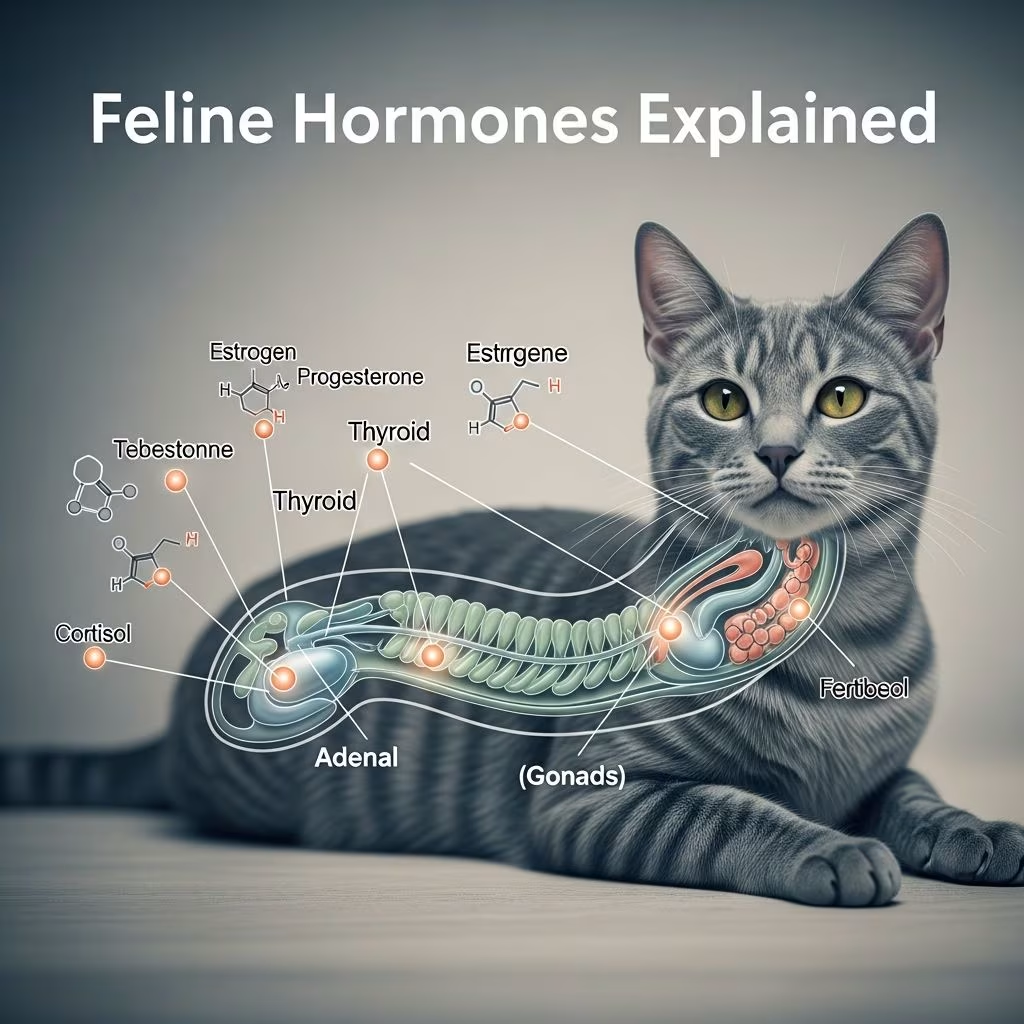
The endocrine system in cats orchestrates a complex network of hormones that maintain balance across vital bodily processes. These chemical messengers, produced by specialized glands, influence everything from energy use to mood and reproduction, ensuring cats thrive in their environments.
The Core of Hormonal Regulation in Cats
Hormones act as precise signals traveling through the bloodstream to direct cellular activities. In felines, this system responds dynamically to internal and external cues, adjusting hormone output to sustain homeostasis. Factors like diet, stress, and age can shift these delicate balances, impacting health profoundly.
The system’s efficiency relies on feedback loops. For instance, when hormone levels rise, sensors in the brain signal glands to reduce production, preventing excess. This negative feedback exemplifies how cats maintain equilibrium, as seen in cortisol regulation where elevated levels prompt reduced adrenal activity.
Primary Glands and Their Hormonal Outputs
Several glands form the backbone of feline hormone production, each with distinct roles.
- Pituitary Gland: Nestled at the brain’s base, this ‘master gland’ secretes hormones like ACTH to stimulate adrenals, TSH for thyroid function, and growth hormone for development. Its oversight ensures coordinated glandular responses.
- Thyroid Gland: Located in the neck, it releases thyroxine (T4) and triiodothyronine (T3), driving metabolic rates. These hormones convert food to energy, with T3 acting faster due to looser protein binding.
- Parathyroid Glands: Four small structures near the thyroid manage calcium via parathyroid hormone, crucial for muscle function and nerve signaling.
- Adrenal Glands: Positioned atop kidneys, their cortex produces cortisol for stress and metabolism, while the medulla handles adrenaline for fight-or-flight. Mineralocorticoids regulate electrolytes.
- Pineal Gland: This tiny gland tracks light cycles, secreting melatonin to govern sleep-wake patterns, aiding circadian rhythms.
- Pancreas: Dual-role organ with endocrine cells releasing insulin to lower blood sugar and glucagon to raise it, preventing metabolic swings.
- Gonads (Ovaries and Testes): Ovaries produce estrogen and progesterone for female cycles; testes yield testosterone for male traits and fertility.
Hormones Driving Metabolism and Energy
Metabolic hormones are pivotal for cats, obligate carnivores with high protein needs. Thyroid hormones accelerate basal metabolic rate, influencing weight and vitality. Insufficient T3/T4 leads to sluggishness; excess causes hyperactivity.
Pancreatic insulin and glucagon maintain glucose stability post-meals. In diabetic cats, insulin deficiency mimics human type 1, causing elevated blood sugar and complications like ketoacidosis.
| Hormone | Gland | Primary Function | Imbalance Effect |
|---|---|---|---|
| Thyroxine (T4) | Thyroid | Energy conversion | Hyper: Weight loss; Hypo: Gain |
| Insulin | Pancreas | Blood sugar control | Low: Diabetes symptoms |
| Cortisol | Adrenal | Stress response | High: Cushing’s-like signs |
Reproductive and Behavioral Influences
Sex hormones shape feline development and conduct. Testosterone boosts muscle, aggression, and marking in males; estrogen/progesterone drive heat cycles in females, prompting vocalization and rubbing.
These peak during puberty, around 6-9 months, but spaying/neutering reduces them, curbing cancers and behaviors. Unbalanced levels from tumors can lead to persistent estrus or prostate issues.
Stress and Daily Rhythm Hormones
Adrenal cortisol surges during stress, elevating blood sugar and suppressing immunity short-term. Chronic elevation, from illness or environment, weakens resistance.
Melatonin from the pineal synchronizes sleep, vital for nocturnal hunters. Disruptions, like artificial lights, may alter patterns, contributing to anxiety.
Common Feline Hormonal Disorders
Imbalances manifest in detectable ways, often treatable with early intervention.
Hyperthyroidism
Prevalent in senior cats, excess thyroid hormones cause ravenous hunger yet weight loss, hyperactivity, and heart strain. Often tumor-linked, treatments include medication, surgery, or radioiodine.
Hypothyroidism
Rare, it slows metabolism, causing lethargy, coat issues, and infertility. Congenital in kittens, acquired from immune attacks.
Diabetes Mellitus
Insulin shortfall leads to polyuria, polydipsia, and weakness. Management involves injections, diet, and monitoring.
Hyperadrenocorticism (Cushing’s)
Uncommon, excess cortisol brings potbelly, thin skin, and thirst. Pituitary or adrenal tumors drive it; drugs or surgery address it.
Hypoparathyroidism
Low calcium from gland loss or destruction triggers seizures and tremors. Supplements restore balance.
Acromegaly
Growth hormone overproduction enlarges organs, worsening diabetes. Rare, linked to pituitary tumors.
Diagnosing Hormonal Issues
Vets use blood panels for hormone levels, imaging for tumors, and glucose curves. Symptoms like unexplained weight shifts or behavior changes warrant checks.
Preventive Strategies for Balance
Balanced diets with taurine support thyroid; stress reduction via enrichment aids adrenals. Regular senior exams catch issues early. Spaying prevents reproductive cancers.
Therapeutic Interventions
Options span methimazole for thyroid, insulin for diabetes, and trilostane for Cushing’s. Hormone replacement aids deficiencies, monitored closely.
Frequently Asked Questions
Can stress affect my cat’s hormones?
Yes, chronic stress elevates cortisol, potentially leading to immune suppression and metabolic issues.
Is hyperthyroidism curable?
Radioiodine offers a high cure rate; alternatives manage lifelong.
How does neutering impact hormones?
It lowers sex hormones, reducing cancers and behaviors without major metabolic shifts.
What diet helps hormonal health?
High-quality protein, omega-3s support glands; avoid excesses triggering thyroid issues.
Are hormonal tests routine?
For seniors, yes; symptoms prompt them anytime.
References
- How Your Cat’s Endocrine System Works (Vet Approved Overview) — Catster. 2023. https://www.catster.com/cat-health-care/how-your-cats-endocrine-system-works/
- Structure and Function of the Endocrine System in Cats — PetPlace.com. 2022-10-15. https://www.petplace.com/article/cats/pet-health/structure-and-function-of-the-endocrine-system-in-cats
- Hormonal Balance: A Look Into the Feline Endocrine System — Animal Almanac Blog. 2016-10-19. https://animalalmanacblog.wordpress.com/2016/10/19/hormonal-balance-a-look-into-the-feline-endrocrine-system/
- The Canine and Feline Endocrine System — Greenside Animal Hospital. 2024. https://www.greensidevet.co.za/the-canine-and-feline-endocrine-system/
- Endocrine Glands and Their Function — Veterian Key. 2023-05-12. https://veteriankey.com/endocrine-glands-and-their-function/
- Hormone Replacement Therapy for Cats — WagWalking. 2024. https://wagwalking.com/cat/treatment/hormone-replacement-therapy
- Hormone Analysis Cats — AniCura Deutschland. 2025. https://www.anicura.de/en/leistungen/katze/hormone-analysis/



