

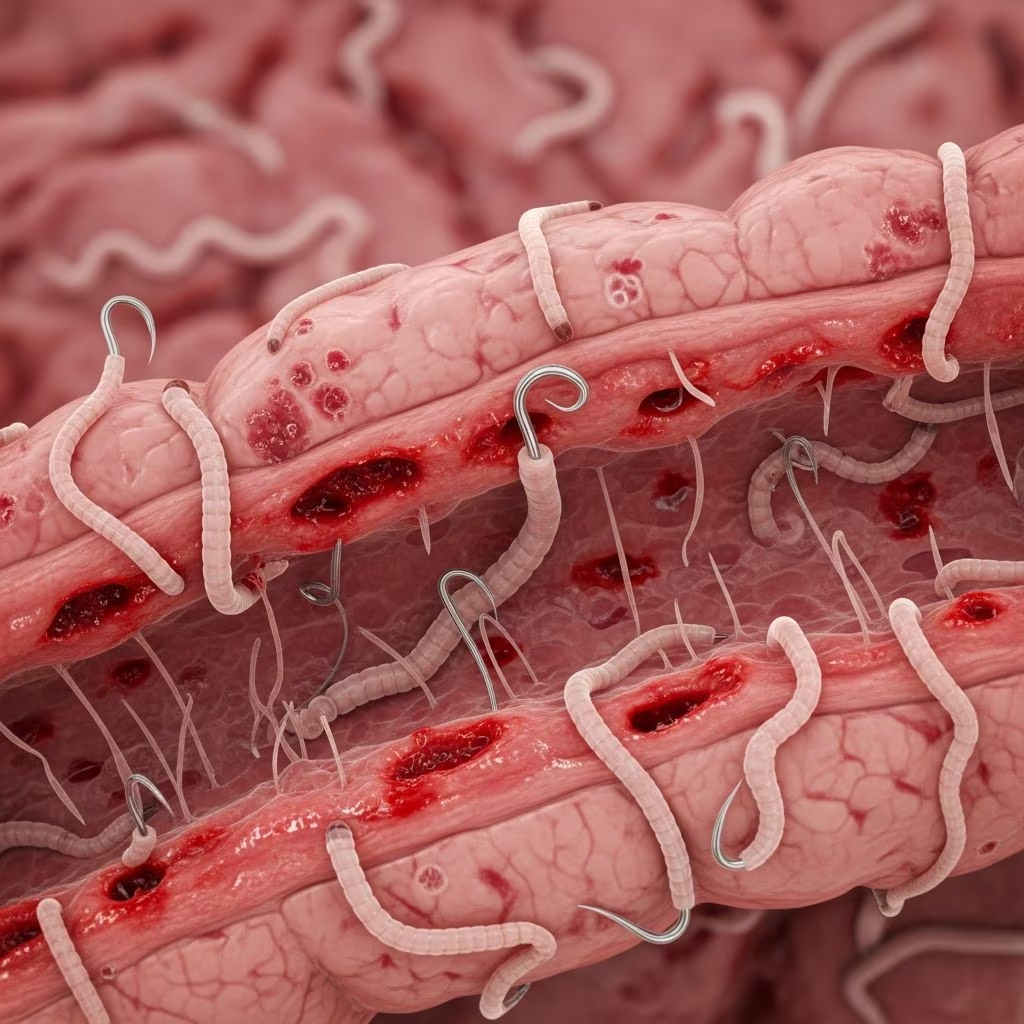
Hookworms represent one of the most common parasitic challenges facing domestic cats, particularly in younger animals. These microscopic intestinal parasites attach to the intestinal lining and feed on blood, potentially causing serious health complications if left untreated. Understanding the nature of hookworm infections, how they spread, and what preventive measures work best empowers cat owners to protect their pets from this preventable condition.
Understanding Hookworm Biology and Transmission
Hookworms are parasitic nematodes that establish themselves in the small intestine of infected cats. These organisms have a complex lifecycle that allows them to spread through multiple transmission routes. Cats can acquire hookworms by ingesting larvae present in contaminated soil or feces, through contact with infected animals, or via penetration of larvae through the skin—particularly on the paws when walking across contaminated ground.
The lifecycle of hookworms includes both environmental and host-dependent stages. Adult worms in the cat’s intestine produce eggs that pass through feces into the environment. These eggs hatch into larvae that can survive in soil for extended periods, waiting for a new host. The ability of hookworms to complete their lifecycle both inside and outside the cat creates multiple opportunities for transmission and reinfection.
Environmental contamination becomes particularly problematic in areas where multiple cats live in close proximity or where sanitation practices are inadequate. Outdoor cats face heightened exposure risks since they may encounter contaminated soil, hunt infected prey, or come into contact with feces from wild animals.
Clinical Manifestations and Disease Severity
Hookworm infections produce a range of clinical signs that vary based on the parasite burden and the cat’s overall health status. The severity of symptoms depends significantly on the number of worms present and the cat’s age and immune competence.
Common symptoms include:
- Anemia resulting from blood loss as worms feed on intestinal tissue
- Presence of dark-colored, tarry stools indicating digested blood
- Dull, unkempt coat appearance reflecting poor nutritional status
- Progressive weight loss and failure to gain weight in kittens
- Respiratory difficulties and coughing in severely affected animals
- Dermatological reactions including skin irritation around the paw pads
Kittens and immunocompromised cats experience more pronounced and dangerous symptoms than healthy adult cats. In certain cases, particularly in very young kittens with heavy parasite burdens, hookworm infections can become life-threatening, potentially requiring hospitalization and blood transfusions to manage severe anemia.
Notably, cats harboring low numbers of hookworms may demonstrate no observable clinical signs, making diagnosis challenging without proper diagnostic testing. This subclinical infection still poses risks for environmental contamination and transmission to other animals and humans.
Diagnostic Approaches and Testing Methods
Accurate diagnosis of hookworm infections relies primarily on fecal examination. Veterinarians collect stool samples and examine them microscopically for the presence of hookworm eggs. Fecal testing forms the cornerstone of hookworm detection and helps veterinarians recommend appropriate treatment protocols.
Testing frequency recommendations vary based on age and risk factors. Young kittens should undergo fecal examinations two to four times during their first year of life to detect infections early. Adult cats benefit from annual or twice-yearly fecal examinations, depending on their lifestyle and exposure risks.
In cases where severe anemia develops, veterinarians may perform blood work to assess the cat’s red blood cell count and overall hematologic status. This helps guide decisions regarding supportive care and determines whether blood transfusions may be necessary.
Treatment Protocols and Medication Options
The good news for cat owners is that hookworm treatment is highly effective, safe, and relatively affordable. Veterinarians prescribe anthelmintic medications—drugs specifically designed to eliminate parasitic worms—to eliminate adult hookworms from the intestinal tract.
Available treatment medications include:
- Topical solutions like Advantage Multi (imidacloprid + moxidectin) applied monthly
- Oral anthelmintics administered by veterinarians
- Injectable formulations in specific clinical situations
A critical aspect of hookworm treatment involves understanding that most anthelmintic medications only eliminate adult worms, not larval stages. Therefore, veterinarians recommend a two-treatment protocol administered two to three weeks apart. This spacing allows larvae present during the first treatment to develop into adult worms, which the second treatment then eliminates, effectively breaking the reproductive cycle.
Treatment duration for kittens typically begins at three to four weeks of age, with monthly treatments continuing until the infection resolves. Pregnant cats infected with hookworms receive medication starting two weeks after breeding and continuing two to four weeks post-delivery to protect newborn kittens from infection.
In severe cases where cats develop life-threatening anemia, hospitalization with intravenous fluid therapy may become necessary to support organ function and restore blood volume. Veterinarians monitor heart and kidney function closely during such supportive care.
Prevention Strategies and Long-Term Management
Preventing hookworm infections proves far more cost-effective and humane than treating established infections. A multifaceted prevention approach combining pharmaceutical interventions, environmental management, and lifestyle modifications offers the best protection.
Medication-based prevention includes:
- Monthly heartworm preventatives that also protect against hookworms
- Regular deworming of kittens beginning at two to three weeks of age
- Continued monthly preventive treatments throughout the cat’s life
- Treatment of nursing mothers alongside their kittens to prevent transmission
Environmental sanitation proves equally important for preventing reinfection and protecting household members. Cat owners should implement daily litter box cleaning, with prompt removal of stool to minimize environmental contamination. Regular handwashing after handling litter box materials prevents accidental ingestion of hookworm eggs.
Keeping cats indoors substantially reduces hookworm exposure by limiting contact with contaminated soil and infected animals. However, even indoor-only cats require preventive treatment since hookworms can be brought into homes on shoes, clothing, or paws, and some cats may have outdoor access.
Additional prevention measures include rodent control, as these animals may play a role in hookworm transmission, and careful screening of new cats or kittens before introducing them to existing pets.
Special Considerations for Kitten Health
Kittens require particular attention regarding hookworm prevention due to their high infection rates and vulnerability to severe disease. The recommended deworming schedule for kittens follows specific protocols to address the parasite’s lifecycle:
- Initial treatment at two to three weeks of age
- Subsequent treatments every two weeks between three and nine weeks of age
- Monthly preventive treatment following the initial kitten deworming series
This aggressive early treatment schedule reflects the heightened infection pressure young kittens face and helps minimize environmental contamination that could affect other household pets or family members.
Nursing mothers should receive treatment alongside their kittens to prevent transmitting hookworms through nursing or direct contact. Veterinarians typically coordinate treatment timing to optimize protection for both mother and offspring.
Zoonotic Implications and Public Health Concerns
While cats suffer direct health consequences from hookworm infections, these parasites also pose risks to human health. Hookworm larvae can penetrate human skin, particularly when walking barefoot on contaminated sand or soil. This leads to dermatological manifestations including itchy, inflamed skin lesions and potentially more serious systemic complications.
The zoonotic potential of hookworms underscores the importance of rigorous environmental sanitation and monthly preventive treatment. Regular deworming of cats reduces the environmental hookworm egg burden and minimizes transmission risks to family members and community members.
Frequently Asked Questions
Do hookworms require vaccination for prevention?
No, there is no vaccine available to prevent hookworms in cats. Prevention relies entirely on pharmaceutical preventatives, regular deworming, and environmental management strategies.
How long does hookworm treatment take to work?
Adult worms are eliminated relatively quickly after treatment administration, but the two-treatment protocol spanning two to three weeks ensures complete elimination of the parasite population.
Can indoor cats get hookworms?
Yes, indoor cats can acquire hookworms despite limited outdoor access. Hookworm eggs or larvae can be introduced into homes through contaminated soil on shoes or clothing, making preventive treatment appropriate for all cats.
What is the prognosis for cats with hookworm infections?
With appropriate diagnosis and treatment, the prognosis for full recovery is excellent. Even severely infected animals typically recover well with proper supportive care and medication.
How often should adult cats be tested for hookworms?
Annual or biannual fecal examinations are recommended for adult cats to detect infections early. Cats at high risk of exposure may benefit from more frequent testing.
Working With Your Veterinarian
Successful hookworm management requires close collaboration between cat owners and veterinary professionals. Veterinarians assess individual risk factors, recommend appropriate prevention protocols, and monitor treatment effectiveness through periodic fecal examinations.
Consulting with your veterinarian ensures that your cat receives appropriate treatment regimens tailored to age, health status, and lifestyle. Your veterinarian can recommend specific monthly preventatives that address hookworms alongside other parasitic threats like fleas and heartworms.
Establishing a consistent deworming schedule and maintaining regular fecal examinations demonstrates proactive pet stewardship and helps protect not only your cat’s health but also the wellbeing of your family and community.
References
- Hookworm Infection in Cats — VCA Animal Hospitals. 2026. https://vcahospitals.com/know-your-pet/hookworm-infection-in-cats
- Cat Owners – Hookworms — Pets & Parasites. 2026. https://www.petsandparasites.org/cat-owners/hookworms/
- Hookworms in Cats — PetMD. 2026. https://www.petmd.com/cat/conditions/infectious-parasitic/hookworms-cats
- Hookworm In Cats: Symptoms & Treatment — NexGard SPECTRA. 2026. https://nexgard.com.au/cat-parasites/worms/hookworm-in-cats
- Hookworms in Cats — Small Door Veterinary. 2026. https://www.smalldoorvet.com/learning-center/medical/hookworms-in-cats
- Hookworms – Companion Animal Parasite Council — Companion Animal Parasite Council. 2026. https://capcvet.org/guidelines/hookworms/
- Feline Hookworm Infection — The Drake Center For Veterinary Care. 2026. https://www.thedrakecenter.com/resources/materials/cats/feline-hookworm-infection



