
Feline Herpesvirus (FHV-1): Symptoms, Treatment & Prevention
Complete guide to FHV-1 in cats: understanding symptoms, treatment options, and prevention strategies.
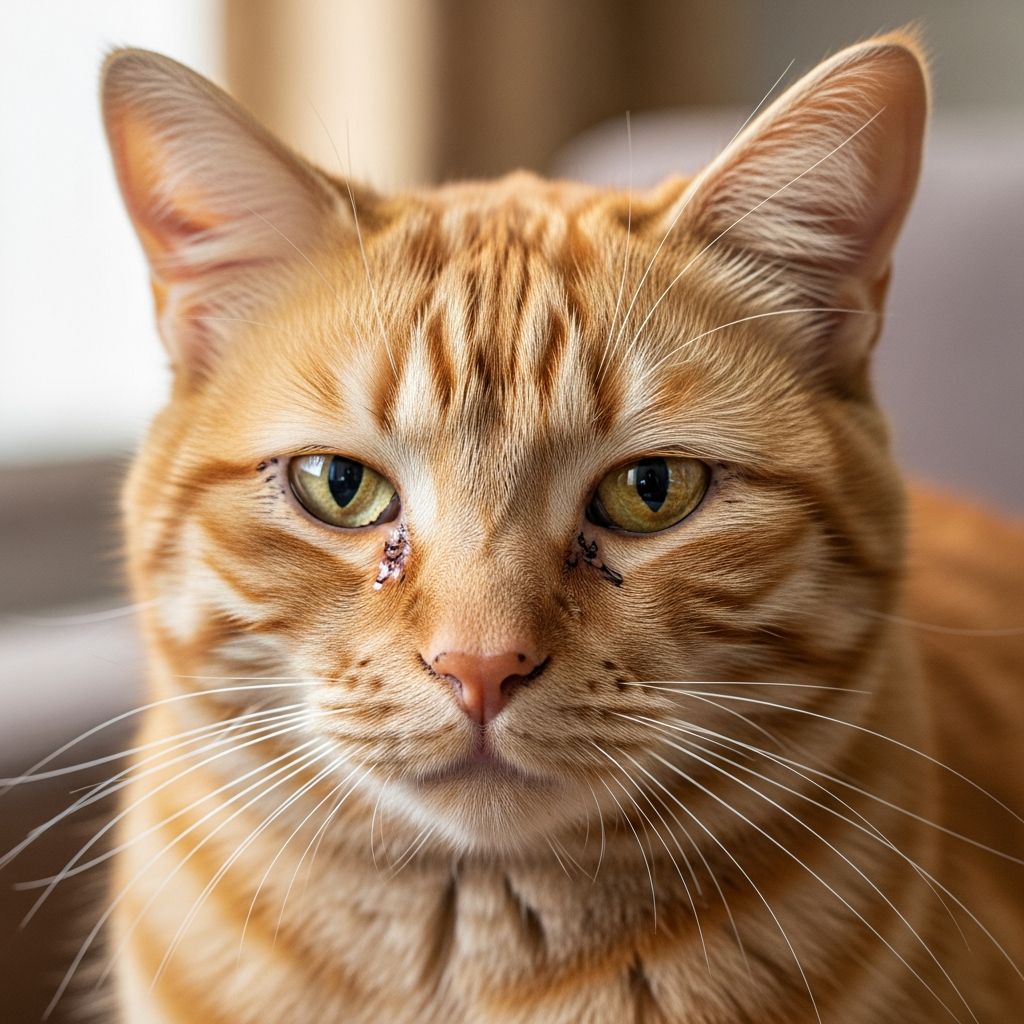
Understanding Feline Herpesvirus (FHV-1)
Feline herpesvirus type 1 (FHV-1), also known as feline viral rhinotracheitis (FVR), is one of the most common and widespread viral infections affecting domestic cats worldwide. This highly contagious virus is responsible for upper respiratory infections in felines and can cause significant ocular (eye-related) complications. Once a cat contracts FHV-1, the virus remains latent in the cat’s nervous tissue for life, meaning infected cats can experience periodic flare-ups or recurrent infections throughout their lifetime. Understanding this virus is crucial for cat owners, as early recognition and appropriate management can significantly improve a cat’s quality of life and prevent serious complications.
What Causes Feline Herpesvirus?
Feline herpesvirus is a member of the Herpesviridae family and spreads from cat to cat through direct contact with respiratory secretions, eye discharge, or saliva from infected animals. The virus can also be transmitted through contaminated food bowls, water dishes, litter boxes, and bedding. Environmental contamination plays a significant role in transmission, particularly in multi-cat households or shelters where cats live in close proximity. Kittens and young cats are especially vulnerable to primary infection, and stress, poor nutrition, or concurrent illnesses can trigger viral reactivation in chronically infected cats.
Clinical Signs and Symptoms
The symptoms of FHV-1 infection vary depending on the severity of the infection and the individual cat’s immune response. Most infected cats develop recognizable clinical signs within two to five days of exposure, with the active infection typically lasting between 10 to 20 days.
Upper Respiratory Symptoms
The most common manifestations of FHV-1 infection include:
– Sneezing and nasal congestion- Nasal discharge (ranging from clear to purulent)- Salivation and drooling- Conjunctivitis (pink eye) with serous or blood-tinged discharge- Excessive blinking or squinting- Coughing and throat irritation- Fever and lethargy- Loss of appetite (anorexia)- General depression and malaise
Ocular Manifestations
Eye involvement is particularly common in FHV-1 infections. Keratitis, an inflammation of the cornea, is an uncommon but serious complication of long-term feline herpes that can lead to corneal ulceration. Dendritic ulcers—distinctive branching patterns of corneal ulceration—are pathognomonic (uniquely characteristic) of FHV-1 when observed during ophthalmologic examination. These ocular complications require aggressive treatment to prevent permanent vision loss.
Dermatological Manifestations
FHV-associated dermatitis is a rare but notable manifestation of the virus that affects the skin, causing inflammation and ulcers around the nose, mouth, and sometimes on the front legs and other body areas.
Diagnosis of FHV-1
Veterinarians typically diagnose FHV-1 based on clinical presentation and history, particularly when characteristic signs such as dendritic corneal ulcers are present. Various diagnostic tests are available, including viral isolation, PCR (polymerase chain reaction) testing, and immunofluorescence assays. These tests can detect viral presence in ocular and nasal secretions, though negative results do not definitively rule out FHV-1, especially in chronically infected cats experiencing viral reactivation. A thorough ophthalmologic examination is essential when ocular involvement is suspected, as this can reveal characteristic lesions and guide treatment decisions.
Treatment Options for FHV-1
While there is no cure for feline herpesvirus, a comprehensive treatment approach can effectively manage clinical signs and prevent serious complications. Treatment duration typically ranges from 2-4 weeks for mild cases to 4-6 weeks or longer for more severe infections.
Antiviral Medications
Antiviral therapy represents the cornerstone of FHV-1 treatment and can be administered through multiple routes:
Systemic Antiviral Therapy: Famciclovir is the preferred oral antiviral medication for managing severe or chronic FHV-1 infections, particularly when ocular involvement is present. This human anti-herpes drug has been proven safe in cats and effectively manages systemic infections. Recent pharmacokinetic studies recommend a dosage of 90 mg/kg administered twice daily to provide therapeutic levels in the tears and reduce conjunctival viral shedding.
Topical Ocular Antiviral Therapy: When eye involvement occurs, topical antiviral medications are essential. Trifluridine is considered the preferred topical antiviral agent for acute FHV ocular diseases, with idoxuridine and cidofovir serving as alternative options. These medications are typically administered as eye drops daily and sometimes combined with other treatment modalities to enhance therapeutic effectiveness.
Supportive Care and Symptom Management
Comprehensive supportive care is fundamental to successful FHV-1 management. In severe cases, hospitalization may be necessary to provide:
– Intravenous fluid therapy- Nutritional support and parenteral feeding- Environmental humidification to ease airway congestion- Pain management- Assisted feeding if the cat refuses to eat due to oral pain or loss of appetite
Home care includes increasing environmental humidity by running humidifiers or taking the cat into steamy bathrooms for 10-15 minutes several times daily, which helps alleviate nasal and airway congestion. Regular gentle wiping of discharge from the face and eyes with moist tissues minimizes irritation and improves comfort.
Secondary Infection Management
Bacterial infections commonly complicate FHV-1 infections, requiring prophylactic or therapeutic antibiotic administration. Oral antibiotics address secondary bacterial infections, while topical antibiotic ointments may be necessary for eye involvement. Choosing appropriate antibiotics based on culture and sensitivity testing, when possible, ensures optimal therapeutic outcomes.
Chronic and Recurrent Infection Management
Cats experiencing chronic or recurrent infections benefit from several specialized interventions. Home nebulization therapy with sterile saline helps manage nasal congestion and reduces opportunistic bacterial or viral infections, particularly in cats with nasal or sinus deformity from previous infections. L-lysine supplementation, an amino acid supplement administered daily, may help minimize the risk of future flare-ups and reduce viral shedding in latently infected cats, though evidence remains somewhat controversial. Additional immune-support supplements such as FortiFlora® and polyprenyl immunostimulant (VetImmune®PI) show promise in reducing illness duration and severity in treated cats.
Treatment Table: Comparison of Common FHV-1 Medications
| Medication | Type | Administration | Dosing | Primary Use |
|---|---|---|---|---|
| Famciclovir | Systemic Antiviral | Oral | 90 mg/kg q12h | Severe/chronic infections, ocular disease |
| Trifluridine | Topical Antiviral | Ophthalmic drops | Daily application | Acute ocular herpesvirus disease |
| Idoxuridine | Topical Antiviral | Ophthalmic drops | Daily application | Corneal ulceration and keratitis |
| L-lysine | Amino Acid Supplement | Oral | Daily supplement | Chronic infection management, viral shedding reduction |
| Antibiotics (oral) | Secondary infection treatment | Oral | Varies by agent | Bacterial superinfection management |
Prevention Through Vaccination
Vaccination against feline herpesvirus is included in the typical feline vaccination schedule provided by primary care veterinarians and is considered a core vaccine. Several vaccine formulations are available, including injectable and intranasal forms, with both providing comparable efficacy. However, it is important to understand that herpesvirus vaccines do not prevent future infections but rather reduce the clinical severity of herpes recurrence. Additionally, initial vaccination should never be administered during active infection, as this will not reduce disease severity and may add unnecessary stress during recovery.
Long-Term Prognosis and Complications
With appropriate treatment and management, cats with FHV-1 can live long, healthy lives. Most uncomplicated infections resolve within 10-20 days with supportive and symptomatic care. However, some cats develop chronic or recurrent infections characterized by periodic reactivation of latent virus. Serious complications can develop without proper treatment, particularly involving ocular disease. Corneal scarring, permanent vision loss, and secondary bacterial infections represent potential long-term sequelae of inadequately treated FHV-1 infection. Cats with chronic recurrent disease benefit from ongoing veterinary monitoring and may require prophylactic antiviral therapy or supplementation to minimize flare-up frequency and severity.
Frequently Asked Questions (FAQs)
Q: Can feline herpesvirus be transmitted to humans?
A: No, feline herpesvirus does not infect humans. However, infected cats can transmit the virus to other cats through direct contact or contaminated surfaces, so proper hygiene is important when handling multiple cats.
Q: How long does an active FHV-1 infection last?
A: Active infections typically last 10 to 20 days, with clinical signs usually appearing 2-5 days after exposure. However, the virus remains latent in nerve tissue and can reactivate periodically throughout the cat’s life.
Q: Is there a cure for feline herpesvirus?
A: No cure currently exists for FHV-1. Treatment focuses on managing clinical signs, reducing complications, and supporting the cat’s immune system to fight the infection.
Q: What triggers viral reactivation in latently infected cats?
A: Stress, poor nutrition, concurrent illnesses, immunosuppression, and environmental changes can trigger reactivation of latent FHV-1, leading to recurrent clinical signs.
Q: Should my cat receive the FHV-1 vaccine if already infected?
A: No, vaccination should not be administered during active infection, as it will not reduce disease severity and may cause additional stress. Vaccination is recommended for uninfected cats and can be considered for chronic carriers between episodes as part of their vaccination schedule.
Q: How can I reduce transmission risk in a multi-cat household?
A: Separate infected cats from others, use dedicated food and water bowls, litter boxes, and bedding for each cat, practice thorough hand hygiene between cats, and ensure all cats are properly vaccinated and receive appropriate preventive care.
Q: What is the cost of FHV-1 treatment?
A: Treatment costs vary depending on severity, duration, and required hospitalization. Mild cases treated with oral medications may cost $200-500, while severe cases requiring hospitalization and intensive care can exceed $2,000. Consult your veterinarian for specific cost estimates.
Q: Can indoor cats get feline herpesvirus?
A: Yes, indoor cats can contract FHV-1 if exposed to infected cats or contaminated materials. The virus can be introduced through visitors, other pets, or contaminated objects brought into the home.
References
- Feline Herpesvirus (FHV-1) — Veterinary Specialty Center. https://www.vetspecialty.com/specialties/internal-medicine/feline-herpesvirus-fhv-1/
- Cat Herpes: FVR and FHV-1 Symptoms and Treatments — WebMD. https://www.webmd.com/pets/cats/feline-herpes-symptoms-treatment
- Feline Herpesvirus-1: Ocular Manifestations, Diagnosis and Management — National Center for Biotechnology Information (NCBI). 2024. https://pmc.ncbi.nlm.nih.gov/articles/PMC11107991/
- Feline Herpes Signs, Symptoms & Treatment Options — UVS Online. https://www.uvsonline.com/feline-herpes-virus-infection/
- Feline Herpesvirus: Therapeutic Review — MSPCA-Angell. https://www.mspca.org/angell_services/feline-herpesvirus-therapeutic-review/
- GUIDELINE for Feline Herpesvirus infection — ABCD Cats & Vets. https://www.abcdcatsvets.org/guideline-for-feline-herpesvirus-infection/
- Herpesvirus Infection in Cats (Feline Viral Rhinotracheitis) — VCA Animal Hospitals. https://vcahospitals.com/know-your-pet/feline-herpesvirus-infection-or-feline-viral-rhinotracheitis
Similar Articles








Read full bio of Sneha Tete




