
Feline Herpesvirus FHV-1 Vaccine: Protection Guide
Complete guide to FHV-1 vaccination for cats: benefits, schedule, and protection.
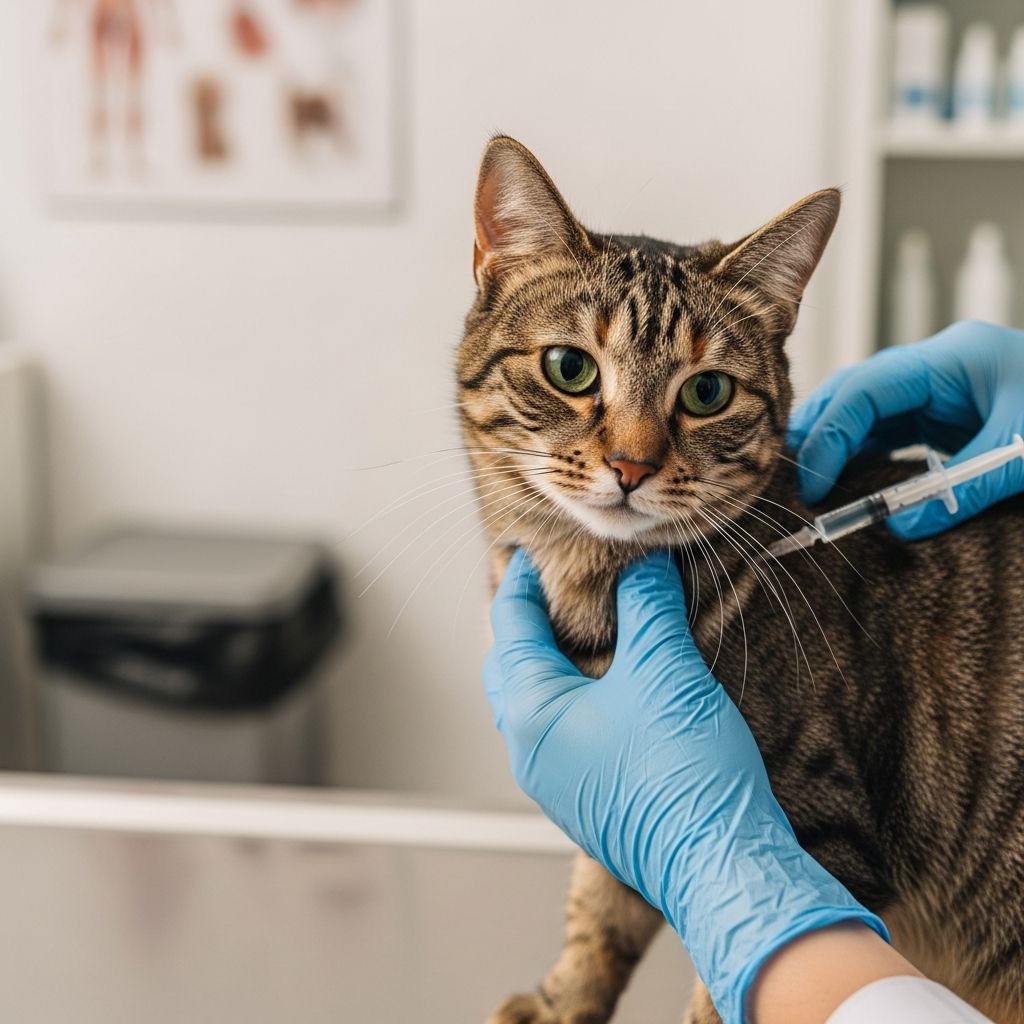
Understanding Feline Herpesvirus FHV-1
Feline herpesvirus type 1 (FHV-1), also known as feline viral rhinotracheitis, is a highly contagious virus that affects cats worldwide. This virus causes upper respiratory infections that can significantly impact your cat’s quality of life. The infection presents with characteristic symptoms including fever, sneezing, eye discharge, nasal discharge, conjunctivitis (inflammation of the inner eyelids and mucous membranes around the eyes), corneal inflammation (keratitis), and lethargy. Kittens are particularly susceptible to severe infections, making early protection through vaccination critically important. Understanding this virus and the importance of vaccination is the first step toward keeping your feline companion healthy.
What Is the FHV-1 Vaccine?
The FHV-1 vaccine is a preventive immunization designed to train your cat’s immune system to recognize and fight the herpesvirus. When administered, the vaccine stimulates the body to produce antibodies and activate specific cells that recognize the virus, creating an “immune response” that helps eliminate the invading agent. This proactive approach has been proven to reduce the severity of infection should your cat encounter the virus in the future.
Types of FHV-1 Vaccines
Veterinarians offer several different vaccine formulations to meet the diverse needs of cats:
- Injectable Vaccines: These are administered via intramuscular or subcutaneous injection and are the most commonly used form. Injectable vaccines come in both modified-live virus (MLV) and inactivated versions.
- Intranasal Vaccines: Administered as a nasal spray, these vaccines provide localized immunity at the site where the virus typically enters the body.
- Modified-Live Virus (MLV) Vaccines: These contain weakened versions of the virus that cannot cause disease but stimulate a robust immune response.
- Inactivated Vaccines: These contain killed virus particles and may provide different immunological responses compared to MLV vaccines.
FHV-1 Vaccination Schedule
Proper timing of vaccinations is essential for developing adequate immunity. The vaccination schedule begins in early kittenhood and continues throughout your cat’s life.
Kitten Vaccination Protocol
For kittens, the FHV-1 vaccine is typically administered as part of a comprehensive vaccination program. The recommended schedule involves multiple injections starting at approximately 8 weeks of age, with boosters given at regular intervals. Two or three injections are recommended in kittens to ensure optimal immune response and lasting protection. This series of vaccinations helps overcome maternal antibodies that may interfere with early vaccination and ensures the kitten develops strong immunity.
Adult Cat Vaccination
Adult cats require ongoing protection through periodic booster vaccinations. The frequency of boosters depends on several factors, including the duration of protection provided by the vaccine, the cat’s risk of exposure to infectious agents, and individual health circumstances. Your veterinarian will recommend the appropriate vaccination schedule based on your cat’s lifestyle and risk factors.
Important Vaccination Considerations
A critical point regarding FHV-1 vaccination is that it should not be administered to a cat with an active infection. Vaccinating an acutely infected cat will not reduce the severity of signs and may add additional stress to the patient, complicating recovery. Always ensure your cat is healthy before scheduling a vaccination appointment.
Core Vaccine Status and Recommendations
FHV-1 vaccination is considered a core vaccine, meaning it is recommended for all cats regardless of lifestyle. The American Association of Feline Practitioners Vaccination Advisory Panel emphasizes that all household cats kept indoors at all times should receive FHV-1 vaccination as part of their essential preventive care. This core vaccine status reflects the ubiquitous nature of the virus and its potential for serious health complications, particularly in young or immunocompromised cats.
How Effective Is the FHV-1 Vaccine?
Understanding vaccine effectiveness is crucial for setting realistic expectations about protection. The FHV-1 vaccine significantly reduces clinical signs of herpes recurrence but does not prevent future outbreaks entirely. This means that vaccinated cats may still become infected with FHV-1, but the infection will typically be much milder and shorter in duration compared to unvaccinated cats.
Factors Affecting Vaccine Response
Research has revealed that vaccine effectiveness varies among individual cats. Several factors influence how well a cat responds to FHV-1 vaccination:
- Age: Cats two years of age or older are more likely to have pre-existing antibodies against FHV-1 than younger cats, which affects their response to vaccination.
- Breed: Domestic shorthair cats are more likely to develop a robust antibody response (at least a four-fold titre increase) compared to purebred cats.
- Prior Exposure: Cats from breeders are more likely to have pre-vaccination neutralizing antibodies than privately owned cats, suggesting greater viral exposure.
- Vaccine Type: Research suggests that inactivated FHV-1 vaccines may stimulate antibody responses more frequently than MLV vaccines, though efficacy appears similar between the two types.
Antibody Response and Protection
Studies have demonstrated that the presence of neutralizing antibodies following vaccination is a strong indicator of protection against disease, particularly in previously vaccinated cats. However, research reveals that many cats do not develop detectable neutralizing antibodies after vaccination, or fail to show a significant titre increase. Despite this, vaccinated cats typically maintain protection through a combination of humoral and cellular immunity mechanisms.
Immunity Duration and Booster Requirements
The duration of immunity following FHV-1 vaccination varies depending on the vaccine type and individual factors. While some cats maintain immunity for extended periods, many benefit from periodic booster vaccinations to ensure sustained protection. Your veterinarian will help determine the appropriate booster schedule based on your cat’s risk factors and previous vaccination history.
Studies have shown that most cats vaccinated against FHV-1 that were later challenged with virulent virus between 9 and 36 months after vaccination showed significant resistance if they possessed neutralizing antibodies after vaccination. This demonstrates that properly vaccinated cats maintain meaningful protection for at least 3 years.
Treatment Considerations for Infected Cats
While vaccination is preventive, understanding treatment options is valuable for cat owners. It is important to note that there is no cure for FHV-1 herpesvirus. However, therapy is aimed at controlling clinical signs and reducing secondary complications through antiviral medications (both ocular and oral), supportive care, oral antibiotics to treat secondary bacterial infections, nebulization to help with airway congestion, and intravenous fluid and nutritional therapy for severely infected cats. Many veterinarians recommend L-lysine, an amino acid dietary supplement, which has been shown to reduce the severity of infection and viral replication in laboratory settings, though field studies in naturally infected cats remain limited.
Benefits of Vaccinating Your Cat
Vaccinating your cat against FHV-1 provides numerous health benefits:
- Reduces the severity of upper respiratory symptoms if infection occurs
- Shortens the duration of illness
- Prevents serious complications such as severe eye disease
- Protects vulnerable populations, especially kittens and senior cats
- Reduces viral shedding and transmission to other cats
- Contributes to overall herd immunity in multi-cat environments
Vaccine Safety and Risks
While vaccines represent one of the greatest achievements in preventive medicine, it is important to acknowledge that no vaccine is 100 percent effective, and they do not induce the same degree of protection in every cat. Risks associated with FHV-1 vaccination are minimal and include primarily short-term allergic reactions. In rare cases, feline injection site sarcomas have been associated with vaccination, though the incidence is extremely low. The benefits of vaccination substantially outweigh these minimal risks for the vast majority of cats.
Special Considerations for Indoor and Outdoor Cats
While all cats are at risk for FHV-1 infection and therefore should receive the vaccine, the urgency and booster frequency may differ:
- Indoor Cats: Even indoor cats should receive core vaccines including FHV-1, as the virus can be introduced through windows, doors, or on human clothing and hands.
- Outdoor or Indoor/Outdoor Cats: These cats face higher exposure risks and may require more frequent booster vaccinations.
- Multi-Cat Households: In environments with multiple cats, vaccination becomes even more important to prevent viral spread among the group.
Working With Your Veterinarian
Decisions regarding which vaccines to give your cat and how often they should be administered are based upon multiple factors, including the risk of your cat’s exposure to various infectious agents, the duration of protection of a given vaccine, the risk of cats passing diseases to humans, and the minimal risks inherent to vaccination. Your veterinarian is the best resource for creating a personalized vaccination plan tailored to your cat’s specific needs, lifestyle, and health status.
Frequently Asked Questions
Q: Does the FHV-1 vaccine prevent infection completely?
A: No. The FHV-1 vaccine reduces the clinical signs of herpes recurrence but does not prevent future outbreaks entirely. Vaccinated cats may still become infected, but infections are typically much milder.
Q: Can I vaccinate my cat if it currently has a herpes infection?
A: No. It is not recommended that the first vaccination be given to a patient with an active infection, as it will not reduce the severity of signs and may add additional stress to the patient, complicating recovery.
Q: How often does my cat need FHV-1 booster vaccinations?
A: Booster frequency depends on multiple factors including the vaccine type, your cat’s age, risk of exposure, and individual health circumstances. Your veterinarian will recommend an appropriate schedule for your cat.
Q: Is the FHV-1 vaccine necessary for indoor cats?
A: Yes. FHV-1 vaccination is considered a core vaccine recommended for all cats, including indoor cats, because the virus can be introduced into homes through various means.
Q: Are there different types of FHV-1 vaccines available?
A: Yes. Several different vaccine forms are available, including injectable and intranasal vaccines, as well as modified-live virus (MLV) and inactivated formulations.
Q: What should I do if my vaccinated cat develops respiratory symptoms?
A: Contact your veterinarian promptly. Even vaccinated cats can develop infection, but symptoms are typically milder. Your veterinarian can provide supportive care and treatment to manage clinical signs.
Q: Can the FHV-1 vaccine cause side effects?
A: Risks associated with FHV-1 vaccination are minimal and include primarily short-term allergic reactions. The benefits of vaccination substantially outweigh these minimal risks.
Conclusion
The FHV-1 vaccine represents a crucial component of comprehensive feline preventive health care. While vaccination does not guarantee complete protection against infection, it significantly reduces the severity and duration of illness should infection occur. By understanding the vaccine’s benefits, limitations, and appropriate scheduling, cat owners can make informed decisions about their pet’s health. Work closely with your veterinarian to develop a personalized vaccination protocol that addresses your individual cat’s risk factors and lifestyle. Through vaccination and responsible pet care practices, you can help protect your feline companion from this common and potentially serious viral infection.
References
- Feline Herpesvirus (FHV-1) – Veterinary Specialty Center — Veterinary Specialty Center. Accessed 2025-11-28. https://www.vetspecialty.com/specialties/internal-medicine/feline-herpesvirus-fhv-1/
- Antibody response to feline herpesvirus-1 vaccination in healthy cats — National Center for Biotechnology Information (NCBI). 2024. https://www.ncbi.nlm.nih.gov/pmc/articles/PMC10814657/
- Feline Vaccines: Benefits and Risks — Cornell Feline Health Center, College of Veterinary Medicine, Cornell University. Accessed 2025-11-28. https://www.vet.cornell.edu/departments-centers-and-institutes/cornell-feline-health-center/health-information/feline-health-topics/feline-vaccines-benefits-and-risks
- Feline herpesvirus (FHV) – International Cat Care — International Cat Care. Accessed 2025-11-28. https://icatcare.org/articles/feline-herpesvirus-fhv
Similar Articles








Read full bio of Sneha Tete




