
Feline Herpesvirus (FHV-1): Causes, Symptoms, and Treatment
Complete guide to FHV-1 in cats: understand symptoms, transmission, and effective treatment options.
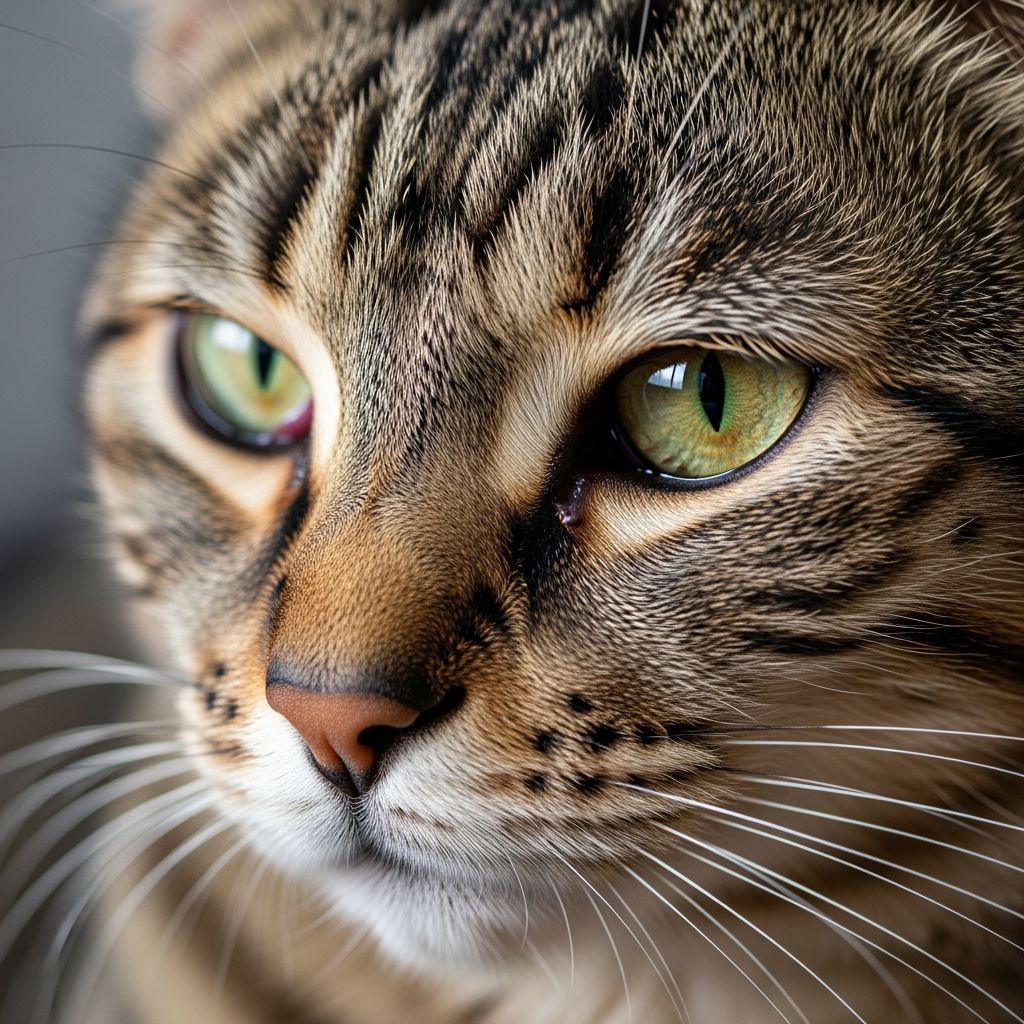
Understanding Feline Herpesvirus (FHV-1)
Feline herpesvirus type 1 (FHV-1), also known as feline viral rhinotracheitis (FVR), is one of the most common infectious diseases affecting domestic cats worldwide. This highly contagious viral infection affects the upper respiratory tract and eyes, causing significant discomfort and clinical illness in infected felines. Understanding this virus is essential for cat owners and veterinary professionals to manage infections effectively and prevent transmission within multi-cat households or shelter environments.
FHV-1 is an alpha-herpesvirus that belongs to the Herpesviridae family, the same family of viruses that affects humans and other animals. Once a cat contracts the virus, it remains dormant in the body for life, making recurrent infections a common occurrence. Stress, immunosuppression, and other illnesses can trigger viral reactivation, leading to periodic flare-ups of clinical signs even years after the initial infection.
Transmission and Epidemiology
FHV-1 spreads primarily through direct contact with infected cats and their bodily secretions. The virus is transmitted via saliva, nasal discharge, eye discharge, and respiratory droplets, making close contact the primary route of transmission. Infected cats shed the virus most heavily during the acute phase of infection, typically within the first 10 to 20 days of illness.
Kittens and young cats are particularly vulnerable to severe FHV-1 infections due to their developing immune systems. Additionally, cats living in crowded conditions such as shelters, breeding facilities, and multi-cat households face higher infection risks. Environmental contamination can also facilitate transmission, as the virus may survive on contaminated surfaces, food bowls, and litter boxes for brief periods.
Interestingly, cats that recover from acute FHV-1 infection become chronic carriers of the virus. These carrier cats maintain latent infection in their nervous tissue and can experience periodic viral reactivation throughout their lives, sometimes shedding virus asymptomatically or with minimal clinical signs. This carrier state makes FHV-1 prevention and control challenging in multi-cat environments.
Clinical Signs and Symptoms
The clinical presentation of FHV-1 varies depending on the cat’s age, immune status, and the severity of infection. Most infected cats develop noticeable signs within 2 to 5 days of exposure, known as the incubation period. Understanding these symptoms helps cat owners recognize potential FHV-1 infections early and seek appropriate veterinary care.
Upper Respiratory Infection Symptoms
The most common manifestation of FHV-1 is upper respiratory disease. Typical signs include:
- Sneezing and nasal congestion
- Nasal discharge (serous or mucoid, potentially progressing to purulent discharge with secondary bacterial infection)
- Eye discharge and conjunctivitis (pink eye)
- Excessive blinking or squinting
- Salivation and drooling
- Throat pain or irritation
- Coughing and tracheitis
- Fever and systemic signs
- Lethargy and exhaustion
- Loss of appetite and anorexia
These respiratory symptoms typically manifest as dendritic corneal ulcers, which are pathognomonic (uniquely characteristic) of FHV-1 when observed during ophthalmologic examination. The severity of upper respiratory signs can range from mild sneezing and nasal discharge in some cats to severe systemic illness in others.
Ocular (Eye) Manifestations
While eye involvement is common in FHV-1 infections, the severity varies considerably. Conjunctivitis with serous to sero-sanguineous discharge is frequently observed during acute infections. In more severe cases, keratitis (corneal inflammation) and corneal ulceration may develop, potentially leading to permanent vision impairment if left untreated.
Keratitis is an uncommon but serious complication of chronic or recurrent FHV-1 infections, characterized by inflammation and infection of the cornea (the front of the eye). This condition requires aggressive treatment to prevent permanent corneal scarring and visual loss. Some cats develop chronic eosinophilic keratitis, a condition where the body’s immune response to the virus causes inflammation of the cornea characterized by eosinophil infiltration.
Skin Manifestations
FHV-associated dermatitis (skin inflammation) is a rare but recognized manifestation of feline herpesvirus infection. This condition can cause inflammation and ulcers around the cat’s nose and mouth, and occasionally on other areas such as the front legs. Systemic antiviral therapy is typically necessary to manage this manifestation effectively.
Diagnosis of FHV-1
Veterinary diagnosis of FHV-1 typically begins with clinical assessment based on characteristic signs and clinical history. The combination of typical upper respiratory symptoms, conjunctivitis, and nasal discharge in an unvaccinated or recently stressed cat raises suspicion for FHV-1 infection. Dendritic corneal ulcers, when present, are considered pathognomonic for FHV-1.
Laboratory confirmation can be achieved through various methods including viral isolation, PCR (polymerase chain reaction) testing from nasal or conjunctival swabs, and direct fluorescent antibody testing. However, many veterinarians rely on clinical diagnosis given the characteristic presentation and the self-limiting nature of uncomplicated infections in immunocompetent cats. It is important to note that antibody testing is not useful for predicting protection against FHV-1 disease, as cellular immunity plays the most important protective role.
Treatment Options for FHV-1
While no cure exists for feline herpesvirus, various treatment modalities can effectively manage clinical signs, reduce severity, and prevent complications. Treatment approaches depend on the severity of infection and specific clinical manifestations.
Antiviral Medications
Systemic antiviral therapy represents the cornerstone of treatment for moderate to severe FHV-1 infections. Famciclovir, a human anti-herpes antiviral drug, has been proven safe and effective in cats and is administered orally. Recent pharmacokinetic studies recommend a dosage of 90 mg/kg administered twice daily to achieve therapeutic levels in tears and ocular tissues.
For ocular manifestations, topical antiviral medications are preferred, with trifluridine being the most commonly recommended option. Other topical antivirals include idoxuridine and cidofovir, typically administered as eye drops once to several times daily depending on the severity of ocular disease. Topical antivirals are particularly important for treating corneal ulcers aggressively to prevent permanent ocular damage.
Treatment duration typically ranges from 2 to 4 weeks for mild cases and 4 to 6 weeks or longer for severe infections. Systemic and topical medications may be used concurrently in cases involving significant ocular involvement.
Supportive Care
Supportive care is essential for all FHV-1 infected cats and particularly critical for severe cases. Measures include:
- Intravenous fluid therapy and nutritional support for severely affected cats
- Environmental humidification through steam exposure for 10-15 minutes several times daily to ease nasal congestion
- Gentle cleaning of ocular and nasal discharge with moist tissues to minimize irritation
- Ensuring adequate nutrition despite loss of appetite
- Hospitalization for severe cases requiring intensive care
Nebulization therapy with sterile saline has become increasingly popular for managing chronic infections and cats with persistent nasal or sinus issues resulting from previous infections. This therapy helps reduce opportunistic bacterial infections and viral recrudescence while providing symptomatic relief, with no reported adverse effects.
Secondary Infection Management
Bacterial superinfection commonly complicates FHV-1 infections, particularly as the infection progresses beyond the acute phase. When secondary bacterial infection occurs, discharges typically become purulent (pus-like) and opaque. Oral antibiotics targeting common feline respiratory pathogens are essential components of the treatment regimen in these cases.
Immune Support and Adjunctive Therapies
Certain supplements and medications may provide additional benefits in managing FHV-1. L-lysine, an amino acid, has generated considerable debate in veterinary medicine. While some studies showed positive results in reducing viral shedding and clinical signs, evidence remains mixed. Current expert veterinary ophthalmologists recommend L-lysine as safe for oral administration in cats and suggest it may reduce viral shedding in latently infected cats and clinical signs during primary infection exposure. A daily oral supplement of L-lysine may be recommended to minimize the risk of future flare-ups.
FortiFlora, a probiotic, has demonstrated effectiveness in reducing illness duration in infected cats. Additionally, polyprenyl immunostimulant (VetImmune) claims to boost immune function, with early studies showing reduced illness in treated cats. These adjunctive therapies may be considered as part of a comprehensive treatment approach.
Pain and Inflammation Management
Management of pain and inflammation is an important but complex aspect of FHV-1 treatment. Topical corticosteroids may be used in chronic cases to reduce ocular inflammation, though their use carries theoretical risk of inducing viral reactivation. Some clinicians combine topical corticosteroids with prophylactic antivirals to minimize this risk, though evidence for this approach remains limited.
Topical non-steroidal anti-inflammatory drugs (NSAIDs) have been investigated for herpes keratitis management, with conflicting experimental results in animal models. Careful clinical judgment is necessary when considering anti-inflammatory therapy in FHV-1 cases.
Vaccination and Prevention
Vaccination against FHV-1 is included in the core feline vaccination schedule recommended by primary care veterinarians and vaccination guidelines. Both modified live and inactivated parenteral vaccines are available, and efficacy does not differ significantly between these formulations. FHV vaccines are typically combined with feline calicivirus (FCV) vaccine in combination products.
It is crucial to understand that herpesvirus vaccination reduces the clinical signs of herpes recurrence but does not prevent future outbreaks. The vaccine provides protection primarily through cellular immunity rather than antibody production. Additionally, the initial vaccination should not be administered to a patient with active infection, as it will not reduce severity and may add additional stress, potentially complicating recovery.
For prevention of natural infection, minimizing stress, maintaining good hygiene practices, and isolating infected cats from susceptible populations are essential strategies, particularly in shelter and multi-cat environments.
Long-Term Prognosis and Management
Most cats recover from acute FHV-1 infections with appropriate treatment, though the prognosis varies depending on age, immune status, and infection severity. Kittens and immunocompromised cats may experience more severe disease and complications.
Because cats remain lifelong carriers of the virus, chronic management strategies are important. Stress reduction, optimization of overall health, and prompt recognition and treatment of recurrent infections help minimize the frequency and severity of flare-ups. Some cats experience frequent recurrences, while others may have minimal viral reactivation throughout their lives.
With appropriate antiviral therapy, supportive care, and management of complications, affected cats can maintain good quality of life and live long, healthy lives despite chronic FHV-1 infection.
Frequently Asked Questions
Q: Can feline herpesvirus be cured?
A: No, there is no cure for feline herpesvirus. However, antiviral medications and supportive care can effectively manage symptoms, reduce severity, and prevent complications. Cats remain lifelong carriers but can live normal, healthy lives with proper management.
Q: How long does FHV-1 infection last?
A: The acute phase of active FHV-1 infection typically lasts 10 to 20 days. However, cats remain lifelong carriers and may experience recurrent infections triggered by stress or illness. Treatment duration typically ranges from 2-4 weeks for mild cases to 4-6 weeks or longer for severe infections.
Q: Is FHV-1 contagious to humans?
A: No, FHV-1 is species-specific and only affects cats. Humans cannot contract feline herpesvirus. However, humans can transmit the virus between cats through contaminated hands, clothing, or objects.
Q: Can vaccination prevent FHV-1 infection completely?
A: No, FHV-1 vaccines reduce clinical signs of infection and recurrence but do not prevent infection entirely. The vaccine provides protection primarily through cellular immunity and helps minimize disease severity rather than providing complete prevention.
Q: What environmental conditions trigger FHV-1 recurrence?
A: Stress, immunosuppression, other concurrent illnesses, and crowded living conditions commonly trigger viral reactivation in carrier cats. Minimizing stress and maintaining overall health help prevent flare-ups.
Q: How is FHV-1 transmitted between cats?
A: FHV-1 spreads through direct contact with infected cats and their respiratory secretions (saliva, nasal discharge, eye discharge, and respiratory droplets). Environmental contamination of food bowls, litter boxes, and other surfaces can also facilitate transmission.
References
- Feline Herpesvirus (FHV-1) Treatment — Veterinary Specialty Center. Accessed 2025. https://www.vetspecialty.com/specialties/internal-medicine/feline-herpesvirus-fhv-1/
- Cat Herpes: FVR and FHV-1 Symptoms and Treatments — WebMD Pets. Accessed 2025. https://www.webmd.com/pets/cats/feline-herpes-symptoms-treatment
- Feline Herpesvirus-1: Ocular Manifestations, Diagnosis and Treatment — PMC National Center for Biotechnology Information. 2024. https://pmc.ncbi.nlm.nih.gov/articles/PMC11107991/
- Feline Herpes Virus Infection — UVS Online. Accessed 2025. https://www.uvsonline.com/feline-herpes-virus-infection/
- Feline Herpesvirus: Therapeutic Review — MSPCA-Angell. Accessed 2025. https://www.mspca.org/angell_services/feline-herpesvirus-therapeutic-review/
- Guideline for Feline Herpesvirus Infection — ABCD Cats & Vets. Accessed 2025. https://www.abcdcatsvets.org/guideline-for-feline-herpesvirus-infection/
- Herpesvirus Infection in Cats (Feline Viral Rhinotracheitis) — VCA Animal Hospitals. Accessed 2025. https://vcahospitals.com/know-your-pet/feline-herpesvirus-infection-or-feline-viral-rhinotracheitis
Similar Articles








Read full bio of medha deb




