

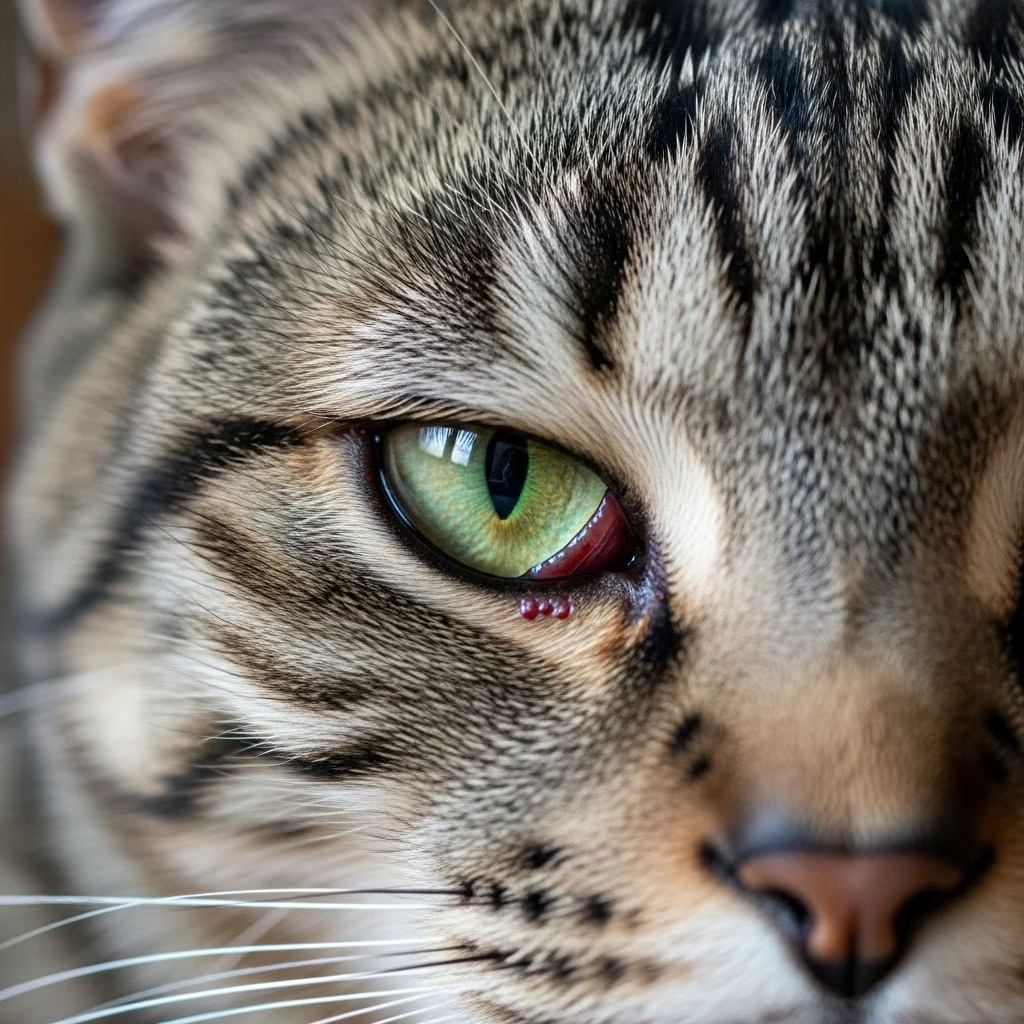
Understanding Feline Herpes Viral Conjunctivitis
Feline herpes viral conjunctivitis is one of the most common eye conditions affecting domestic cats worldwide. This viral infection, caused by feline herpesvirus type 1 (FHV-1), significantly impacts the ocular health of cats and remains a frequent presentation in feline veterinary practice. The virus is ubiquitous in the cat population, and understanding its manifestations, diagnosis, and treatment options is essential for cat owners and veterinary professionals alike.
Feline herpes virus primarily affects the upper respiratory tract and eyes, making conjunctivitis a hallmark sign of the infection. While most cases are mild and self-limiting, some cats may develop severe complications, particularly when corneal ulcers develop. The condition can range from acute primary infection to chronic or recurrent disease, depending on the individual cat’s immune status and environmental factors.
What is Feline Herpes Viral Conjunctivitis?
Feline herpes viral conjunctivitis is an inflammation of the conjunctiva—the membrane that lines the eyelids and covers the white part of the eye—caused by feline herpesvirus type 1. This virus is transmitted through direct contact with infected cats, respiratory secretions, or contaminated objects. Once infected, cats become lifelong carriers of the virus, which can remain dormant in nerve tissues and reactivate during times of stress, illness, or immunosuppression.
The virus has a predilection for the ocular tissues, making the eyes a primary site of infection and subsequent inflammation. The conjunctivitis can vary in severity from mild to severe, with some cats experiencing only slight discomfort while others may develop sight-threatening complications.
Clinical Signs of Feline Herpes Viral Conjunctivitis
Recognizing the clinical signs of feline herpes viral conjunctivitis is crucial for early intervention and treatment. The following symptoms are commonly observed in affected cats:
- Squinting or excessive closing of the affected eye or eyes
- Red and swollen tissue surrounding the eyes and eyelids (conjunctival hyperemia and chemosis)
- Ocular discharge ranging from clear and watery to thick, yellow, or green in appearance
- Upper respiratory symptoms including sneezing
- Nasal discharge
- Eye discomfort and photophobia (sensitivity to light)
- Blepharospasm (eyelid spasm)
Many cats with feline herpes viral conjunctivitis also present with concurrent upper respiratory signs. These associated symptoms may include fever, lethargy, decreased appetite, and general malaise. The combination of ocular and respiratory signs is highly suggestive of FHV-1 infection and should prompt veterinary investigation.
In uncomplicated cases, clinical signs typically resolve within 10 to 20 days following infection. However, chronic or recurrent conjunctivitis may develop, particularly in cats with severe initial viral infections or those that are immunosuppressed. These recurrent episodes can significantly impact the cat’s quality of life and require long-term management strategies.
Diagnosis of Feline Herpes Viral Conjunctivitis
When a cat presents with eye discharge and upper respiratory signs, feline herpesvirus should be considered as a differential diagnosis. Several diagnostic tests can aid in confirming FHV-1 infection and ruling out other conditions.
Clinical Examination: A thorough ophthalmic examination, including assessment of the conjunctiva, cornea, and anterior chamber, is the foundation of diagnosis. Veterinarians will evaluate the nature of the discharge, degree of inflammation, and presence of any corneal involvement.
Viral Culture: Samples collected from conjunctival swabs can be cultured to identify FHV-1, though this method may take several days to produce results.
PCR Testing: Polymerase chain reaction (PCR) is a highly sensitive molecular test that can detect FHV-1 DNA in conjunctival samples. This method is rapid and highly accurate for confirming viral infection.
Direct Fluorescent Antibody Testing: This technique uses fluorescently labeled antibodies to detect FHV-1 antigens in conjunctival epithelial cells.
Cytology: Conjunctival scrapings examined under a microscope may reveal characteristic findings suggestive of viral infection, including inflammatory cells and epithelial changes.
Treatment Options for Feline Herpes Viral Conjunctivitis
Treatment for feline herpes viral conjunctivitis is determined by the cat’s specific clinical signs and the severity of the condition. It is important to remember that these infections are usually mild and self-limiting in most cases. However, if corneal ulcers develop, appropriate and thorough treatment is essential to prevent permanent eye damage. The following are common treatment regimens used in managing recurrent feline herpes viral conjunctivitis:
Topical Antibiotic Therapy
Topical antibiotics play a crucial role in preventing or treating secondary bacterial infections that commonly complicate viral conjunctivitis. Common topical antibiotics used include:
- Tobramycin (Tobrex®)
- Fusidic acid (Isathal®)
- Oxytetracycline (Terramycin®)
- Erythromycin
These medications are typically applied directly to the affected eye multiple times daily, depending on the severity of infection. Regular application helps prevent opportunistic bacterial colonization of the compromised conjunctival tissue.
Topical Antiviral Medications
Topical antiviral medications are highly effective at reducing the viral load and promoting recovery. Preferred agents include idoxuridine ophthalmic solution and trifluridine ophthalmic solution (also called triflurothymidine). Additional options include cidofovir. These medications are typically applied every 6 to 12 hours, depending on the severity of the condition.
Idoxuridine requires frequent application (up to 6 times daily) for optimal efficacy. While most cats tolerate it well, side effects may include local irritation and corneal toxicity. The need for frequent application can sometimes challenge client compliance.
Trifluridine is preferred by many practitioners due to its favorable efficacy profile and better tolerance in feline patients. This medication is often applied 4 to 6 times daily during acute phases of infection.
Systemic Antiviral Therapy
Famciclovir is an oral antiviral medication used successfully in humans for herpes infections and has proven highly effective against feline herpes virus. When given orally, famciclovir is secreted in tears, meaning the active drug is administered orally but acts as a topical treatment. This unique characteristic makes it particularly valuable for cats that are difficult to treat with frequent topical therapy.
Doses typically range from 40 to 90 mg/kg orally every 8 hours for acute infections. Anecdotal evidence suggests efficacy at lower doses ranging from 12.5–25 mg/kg every 8–24 hours, though higher doses have been proven most efficacious in clinical studies. A recent study demonstrated that approximately 90 mg/kg every 8 hours for 21 days was effective at controlling FHV-1 disease.
Famciclovir is particularly beneficial in severe cases, in cats that are difficult to treat with frequent topical therapy, and in reducing recrudescent (reactivated) infections.
Supportive Care and Environmental Management
Beyond antiviral and antibiotic therapies, supportive care is essential for recovery. Stress reduction is particularly important, as stress is a major trigger for viral reactivation in latently infected cats. Maintaining a calm, enriched environment can significantly influence the course of disease.
In severe cases, hospitalization may be necessary to provide nutritional support or intravenous fluid therapy. Tear replacement drops are often beneficial, as the virus can reduce normal tear production and tear quality. These artificial tears help maintain corneal health and provide comfort to affected cats.
L-Lysine Supplementation
Although initially thought to reduce the duration of feline herpes disease, evidence of lysine’s effectiveness at reducing herpes conjunctivitis is limited and remains controversial. Multiple studies have produced mixed results. While one study showed dietary supplementation of 500 mg of L-lysine resulted in less severe conjunctivitis compared with untreated cats, a larger study revealed more severe clinical signs after L-lysine administration with higher FHV-1 DNA detection rates than in control cats. If cats are stressed by its administration, lysine can worsen signs, making it a questionable therapeutic choice for many cats.
Probiotics
Probiotics, such as Purina Fortiflora®, have shown promise in decreasing the severity of herpes virus infection when added to the cat’s diet. While not a primary treatment, probiotics may serve as a useful adjunctive therapy in supporting immune function during recovery.
Vaccination
Vaccination with intranasal herpes and calicivirus vaccine two to three times yearly may be beneficial in stimulating local immunity in cats prone to recurrent infections. The herpes vaccine is considered a core vaccine for all cats. Both modified live and inactivated parenteral vaccines are available, with no significant difference in efficacy between vaccine types. These vaccines are typically combined with feline calicivirus vaccine.
Complications of Feline Herpes Viral Conjunctivitis
While most cases of feline herpes viral conjunctivitis resolve without complications, some cats may develop more serious ocular manifestations. Corneal ulceration is a significant concern, as it can lead to permanent vision loss if not treated promptly and appropriately.
Eosinophilic keratitis, a condition where eosinophilic infiltrates affect the cornea, can develop in some cats with chronic FHV-1 infection. This complication is managed with topical 1.5% cyclosporine, which has shown effectiveness in controlling eosinophilic keratitis in some cats. Nonsteroidal anti-inflammatory therapy combined with topical cyclosporine has also proven effective in some cases, though lesions may regress more slowly than with topical corticosteroid agents.
Corneal sequestra—dead corneal tissue—may develop as a complication of severe keratitis. Over time, corneal sequestra may extrude from the corneal stroma with medical therapy alone, but surgical intervention is often the treatment of choice. Surgical procedures include superficial keratectomy with or without graft procedures, such as conjunctival pedicle grafts or small intestinal submucosa grafts. Referral to a veterinary ophthalmologist is advised for these complicated cases.
Long-Term Prognosis and Management
With appropriate treatment and management, most cats recover well from acute feline herpes viral conjunctivitis. The prognosis for uncomplicated conjunctivitis is generally excellent. However, cats that develop corneal involvement or those with recurrent infections may require long-term management strategies.
Stress reduction remains paramount in managing chronically infected cats, as stress is a major precipitant of viral reactivation. Maintaining a stable environment, providing proper nutrition, and ensuring regular veterinary monitoring can help minimize recurrence of ocular signs.
Frequently Asked Questions About Feline Herpes Viral Conjunctivitis
Q: Is feline herpes viral conjunctivitis contagious to other cats?
A: Yes, FHV-1 is highly contagious among cats through direct contact with infected cats, respiratory secretions, and contaminated objects. Cats can shed virus even when not showing clinical signs, particularly during periods of stress or immunosuppression.
Q: Can humans catch feline herpes from cats?
A: No, feline herpesvirus is species-specific and cannot infect humans. However, good hygiene practices should be maintained when handling infected cats to prevent transmission to other cats.
Q: How long does it take for feline herpes viral conjunctivitis to resolve?
A: In uncomplicated cases, clinical signs typically resolve within 10 to 20 days following infection. However, some cats may experience recurrent episodes, particularly during times of stress or immunosuppression.
Q: Can feline herpes viral conjunctivitis be cured?
A: While the acute infection can be treated and managed effectively, the virus cannot be completely eliminated from the body. Cats become lifelong carriers and may experience recurrent outbreaks, especially during stressful periods.
Q: What is the best way to prevent feline herpes viral conjunctivitis?
A: Vaccination with the FHV-1 vaccine is the primary preventive measure. Additionally, minimizing stress, maintaining good hygiene, and limiting exposure to infected cats can help reduce the risk of infection.
Q: Are certain cat breeds more susceptible to feline herpes viral conjunctivitis?
A: FHV-1 can affect cats of all ages and breeds. However, kittens, elderly cats, and immunocompromised cats may experience more severe disease and complications.
References
- Runny Eyes: Feline Herpesvirus Infection — Today’s Veterinary Practice. 2024. https://todaysveterinarypractice.com/ophthalmology/observations-in-ophthalmology-runny-eyes-feline-herpesvirus-infection/
- Feline Herpes Viral Conjunctivitis — VCA Animal Hospitals. https://vcahospitals.com/know-your-pet/conjunctivitis-feline-herpes-viral
- Feline Herpesvirus-1: Ocular Manifestations, Diagnosis and Treatment — PubMed Central, National Institutes of Health. 2024. https://pmc.ncbi.nlm.nih.gov/articles/PMC11107991/
- Guideline for Feline Herpesvirus Infection — ABCD Cats & Vets. https://www.abcdcatsvets.org/guideline-for-feline-herpesvirus-infection/
- Cat Herpes: FVR and FHV-1 Symptoms and Treatments — WebMD Pets. https://www.webmd.com/pets/cats/feline-herpes-symptoms-treatment
- Feline Herpes Virus (FHV-1) – Pet Owners Guide — Eye-Vet. https://www.eye-vet.co.uk/pet-owners/common-problems/feline-herpes-virus/
- Conjunctivitis in Cats (Cat Pink Eye) — PetMD. https://www.petmd.com/cat/conditions/eyes/c_ct_conjunctivitis



