

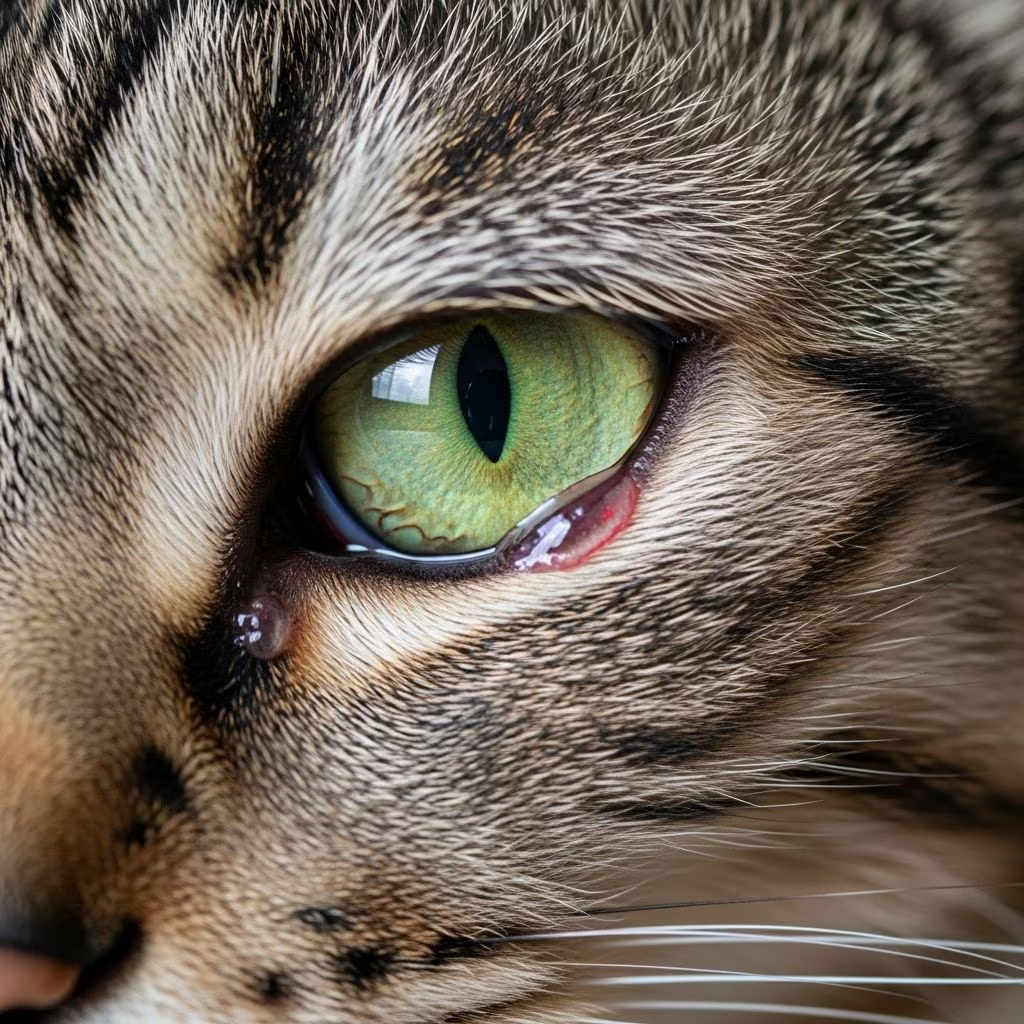
Feline Herpes Viral Conjunctivitis in Cats
Feline herpes viral conjunctivitis is one of the most common eye infections affecting domestic cats worldwide. This condition is caused by feline herpesvirus type 1 (FHV-1), a highly contagious pathogen that primarily affects the eyes and upper respiratory tract of cats. Understanding this infection is essential for cat owners and veterinary professionals, as early recognition and appropriate treatment can prevent complications and reduce discomfort for affected animals. Feline herpes viral conjunctivitis presents with characteristic clinical signs and requires tailored treatment approaches based on disease severity and individual patient factors.
What is Feline Herpes Viral Conjunctivitis?
Feline herpes viral conjunctivitis is an inflammation of the conjunctiva, the clear membrane surrounding the eye, caused by feline herpesvirus type 1 (FHV-1). This virus is ubiquitous in the domestic cat population and spreads through direct contact with infected cats or contaminated surfaces. Once a cat is infected with FHV-1, the virus remains dormant in nerve tissues and can reactivate under certain conditions, particularly during periods of stress. The infection can affect cats of all ages, though kittens and immunocompromised cats are at higher risk for severe disease.
Clinical Signs of Feline Herpes Viral Conjunctivitis
The clinical presentation of feline herpes viral conjunctivitis varies depending on the stage of infection and individual cat factors. The most common signs include:
- Squinting or excessive closing of the affected eye or eyes
- Red, swollen tissue surrounding the eye and eyelids
- Ocular discharge ranging from clear to yellow or green in color
- Upper respiratory symptoms such as sneezing or nasal discharge
- Eye pain or photophobia (sensitivity to light)
- Corneal ulceration in severe cases
Additional systemic signs may include fever, lethargy, loss of appetite, and drooling. Clinical signs typically resolve within 10 to 20 days following initial infection in uncomplicated cases, though chronic or recurrent conjunctivitis may develop, particularly in cats with severe primary infections or those that are immunosuppressed.
Diagnosis of Feline Herpes Viral Conjunctivitis
Feline herpes viral conjunctivitis should be suspected in any cat presenting with upper respiratory signs in conjunction with conjunctivitis. While clinical signs often suggest FHV-1 infection, several diagnostic tests can confirm the diagnosis and differentiate it from other ocular conditions. These diagnostic approaches include:
- Polymerase chain reaction (PCR): Detects viral DNA in ocular secretions, providing highly sensitive and specific diagnosis
- Viral culture: Identifies the presence of live virus, though results may take several days
- Immunofluorescence tests: Detects viral antigens in conjunctival cells
- Clinical examination: Ophthalmologic evaluation can reveal characteristic lesions and assess corneal involvement
PCR testing of conjunctival swabs is considered the gold standard diagnostic method, offering rapid and accurate identification of FHV-1. However, diagnosis is often made based on clinical presentation alone, particularly when typical signs of conjunctivitis accompany upper respiratory symptoms.
Treatment Approaches for Feline Herpes Viral Conjunctivitis
Treatment of feline herpes viral conjunctivitis is tailored to each cat’s specific clinical signs and severity of disease. It is important to recognize that these infections are typically mild and self-limiting; however, appropriate treatment is essential to prevent complications such as corneal ulceration and permanent vision impairment. The treatment approach depends on disease stage, severity, and individual patient factors.
Topical Antibiotic Therapy
Topical antibiotics prevent or treat secondary bacterial infections that commonly complicate herpes viral conjunctivitis. Commonly prescribed topical antibiotics include tobramycin (Tobrex®), fusidic acid (Isathal®), and oxytetracycline (Terramycin®). These medications are typically applied multiple times daily and work to control bacterial overgrowth while the immune system fights the viral infection.
Topical Antiviral Medications
Topical antiviral medications directly target the herpes virus and reduce viral replication in infected conjunctival tissue. The preferred topical antivirals include idoxuridine and trifluridine ophthalmic solutions. These medications must be applied frequently, typically every 6 to 12 hours, with clinical reports recommending application up to 6 times daily in severe cases. Trifluridine is considered the preferred topical antiviral agent and is well tolerated by most cats. Cidofovir is another available topical antiviral option that may be beneficial in reducing viral load. While idoxuridine is well tolerated, it requires frequent application and may cause local irritation or corneal toxicity in some cases.
Systemic Antiviral Therapy
Famciclovir is an oral antiviral medication used in humans for herpes treatment that has proven effective against feline herpesvirus. When administered orally, famciclovir is secreted in tears, providing topical antiviral activity while delivering systemic benefits. This dual mechanism makes famciclovir particularly valuable in treating severe infections or cats that are difficult to treat with frequent topical therapy. Doses of approximately 90 mg/kg administered every 8 hours for 21 days have been demonstrated as efficacious, though anecdotal evidence suggests lower doses (12.5-25 mg/kg) may also be beneficial. Trifluridine and famciclovir are considered the preferred antiviral drugs for treating acute FHV-1 ocular disease.
Corticosteroid Therapy
Topical corticosteroids reduce ocular inflammation and discomfort associated with conjunctivitis. Dexamethasone 0.1% suspension or prednisolone acetate 1% suspension are commonly prescribed, typically applied every 6 hours initially then adjusted based on response. Corticosteroids should be used cautiously in cases with corneal involvement, as they may worsen ulceration in some scenarios.
Supportive Care and Adjunctive Treatments
Beyond specific antiviral and antibiotic therapy, several supportive measures enhance recovery. Tear replacement drops benefit cats where the virus reduces tear production and tear quality. Stress reduction is crucial, as stress is a major trigger for viral reactivation and recrudescence. Nutritional support through specially prepared foods encourages adequate intake, particularly in anorectic cats. In severe cases requiring hospitalization, intravenous fluid therapy and parenteral nutrition may be necessary.
L-Lysine and Probiotic Supplementation
L-lysine supplementation has been investigated for herpes conjunctivitis management, though evidence of its effectiveness is limited. Population studies have produced mixed results, with some showing reduced severity and others demonstrating worsening of clinical signs. If cats are stressed by lysine administration, the supplement can actually worsen signs and should be discontinued. Conversely, probiotics such as Purina Fortiflora® have decreased the severity of herpes virus infections when added to the cat’s diet.
Treatment Comparison Table
| Treatment Option | Administration | Frequency | Primary Benefit |
|---|---|---|---|
| Topical Antibiotics | Eye drops | 2-4 times daily | Prevents secondary bacterial infection |
| Topical Antivirals (Trifluridine) | Eye drops | 6-12 times daily | Reduces viral replication in conjunctiva |
| Famciclovir (Oral) | Oral medication | Every 8-24 hours | Systemic and topical antiviral action |
| Corticosteroids | Eye drops | 6 times daily (initially) | Reduces inflammation and discomfort |
| Tear Replacement | Eye drops | As needed | Lubricates and protects cornea |
Vaccination and Prevention
Vaccination with intranasal herpes and calicivirus vaccines two to three times yearly may be beneficial in stimulating local immunity and reducing disease severity in cats with recurrent infections. The feline herpes vaccine is considered a core vaccine for all cats. Both modified live and inactivated parenteral vaccines are available, with no significant difference in efficacy regarding disease prevention. All vaccines are typically combined with feline calicivirus vaccine.
Prognosis and Long-term Management
The prognosis for feline herpes viral conjunctivitis is generally good, particularly when diagnosed and treated promptly. Most cases of acute primary infection resolve with appropriate therapy, though some cats may experience chronic or recurrent disease due to viral latency. Cats with recrudescent keratitis or conjunctivitis in adulthood require ongoing antiviral therapy during active disease episodes. Stress management is critical for preventing recurrence, as stress remains a major trigger for viral reactivation. With appropriate medication and supportive care, cats with feline herpes viral conjunctivitis can live long, healthy lives.
When to Seek Veterinary Care
Immediate veterinary attention is necessary if your cat develops signs of conjunctivitis, particularly when accompanied by upper respiratory symptoms. Cats presenting with severe ocular discharge, apparent eye pain, or signs of corneal ulceration require urgent evaluation. Kittens with signs of herpes infection should receive prompt veterinary attention, as they are at higher risk for severe disease. If your cat has chronic or recurrent conjunctivitis, discuss long-term management strategies with your veterinarian to minimize disease burden and improve quality of life.
Frequently Asked Questions
Q: Can feline herpes viral conjunctivitis spread to other cats?
A: Yes, FHV-1 is highly contagious and spreads through direct contact with infected cats or contaminated surfaces such as food bowls, litter boxes, and bedding. Isolating infected cats from other felines helps prevent transmission.
Q: Can feline herpes viral conjunctivitis spread to humans?
A: No, feline herpesvirus is species-specific and poses no risk to human health. You cannot contract this virus from your infected cat.
Q: Is feline herpes viral conjunctivitis curable?
A: While acute conjunctivitis episodes can be effectively managed and resolved, the virus itself cannot be completely eliminated from the body. Once infected, cats remain lifelong carriers of the virus, though it remains dormant in nerve tissues and may reactivate during stress.
Q: How long does treatment typically take?
A: Clinical signs usually resolve within 10 to 20 days with appropriate treatment. However, treatment duration depends on disease severity and individual response. Some cats may require extended therapy, particularly if corneal involvement develops.
Q: What is the cost of treating feline herpes viral conjunctivitis?
A: Treatment costs vary depending on disease severity and treatment approach. Mild cases managed with topical antibiotics and antivirals are less expensive, while severe cases requiring oral antivirals, hospitalization, or ophthalmology referral may incur higher costs.
Q: Can I treat feline herpes viral conjunctivitis at home?
A: While supportive care can be provided at home, professional veterinary diagnosis and prescription medications are essential. Your veterinarian will prescribe appropriate topical and systemic medications and monitor your cat’s progress to ensure proper healing and prevent complications.
Q: Are there any long-term complications of feline herpes viral conjunctivitis?
A: Without appropriate treatment, complications may include corneal ulceration, scarring, and vision loss. Additionally, chronic recurrent infections can significantly impact quality of life and may lead to chronic pain or reduced visual function in severely affected cats.
References
- Runny Eyes: Feline Herpesvirus Infection — Today’s Veterinary Practice. 2025-11-28. https://todaysveterinarypractice.com/ophthalmology/observations-in-ophthalmology-runny-eyes-feline-herpesvirus-infection/
- Feline Herpes Viral Conjunctivitis — VCA Animal Hospitals. 2025-11-28. https://vcahospitals.com/know-your-pet/conjunctivitis-feline-herpes-viral
- Cat Herpes: FVR and FHV-1 Symptoms and Treatments — WebMD. 2025-11-28. https://www.webmd.com/pets/cats/feline-herpes-symptoms-treatment
- Feline Herpesvirus-1: Ocular Manifestations, Diagnosis and Management — National Center for Biotechnology Information (NCBI). 2025-11-28. https://pmc.ncbi.nlm.nih.gov/articles/PMC11107991/
- Guideline for Feline Herpesvirus Infection — ABCD Cats & Vets. 2025-11-28. https://www.abcdcatsvets.org/guideline-for-feline-herpesvirus-infection/



