

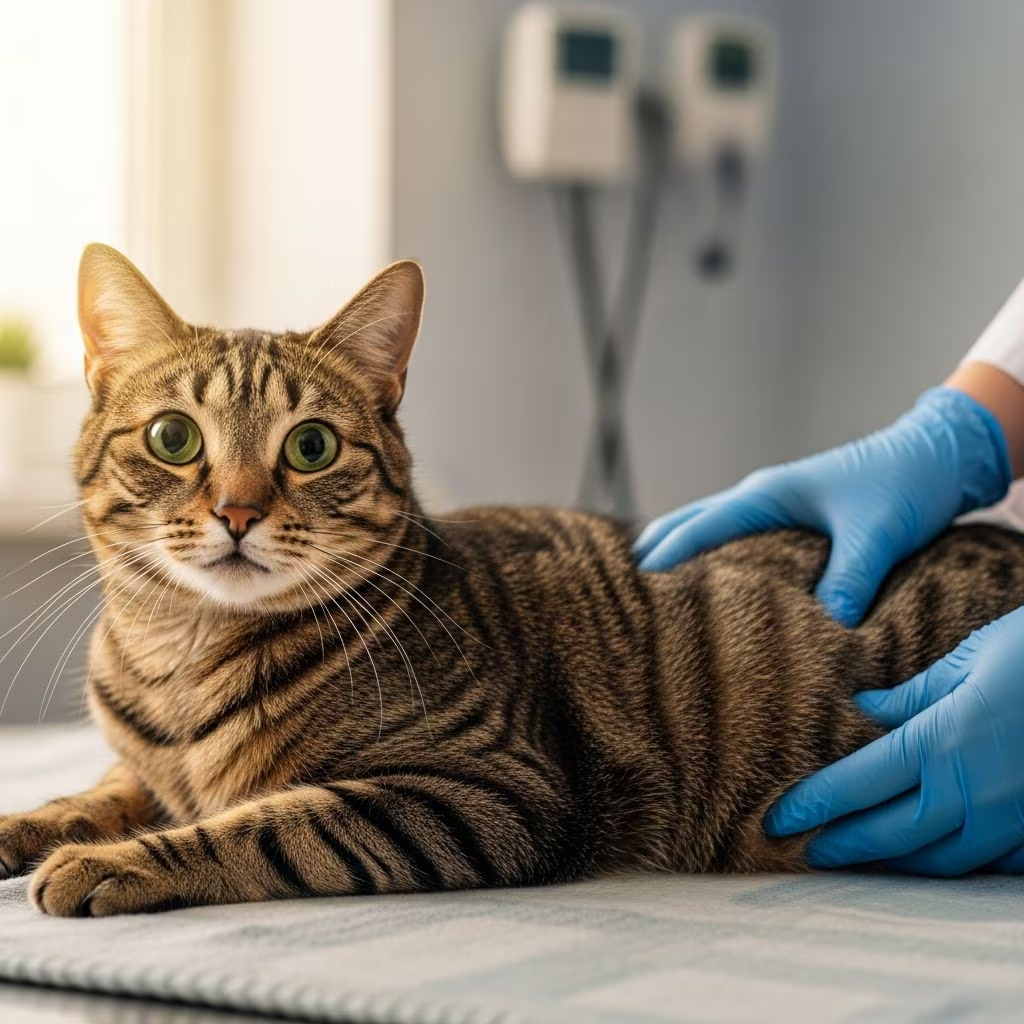
The liver plays a crucial role in a cat’s metabolism, detoxification, and overall vitality. When this vital organ enlarges, known as hepatomegaly, it signals potential underlying health issues that require prompt attention. This condition can affect cats of various ages, though it appears more frequently in older individuals. Recognizing early indicators can significantly improve outcomes through timely veterinary intervention.
Recognizing Key Indicators of Liver Enlargement
Cats with an enlarged liver often display subtle yet progressive signs. One of the primary observations is abdominal distension, where the belly appears swollen due to the liver’s increased size pressing against surrounding structures. This enlargement might be uniform across the organ or localized to specific lobes, depending on the trigger.
- Lethargy and reduced activity levels, as the cat conserves energy amid discomfort.
- Loss of appetite leading to unintended weight loss over time.
- Jaundice, a yellowish tint in the gums, eyes, or skin from bilirubin buildup.
- Increased thirst and urination, signaling metabolic disruptions.
- Vomiting or diarrhea in acute cases, accompanied by weakness or dehydration.
In kittens, a relatively larger liver is normal relative to body size, but persistent or asymmetrical swelling warrants investigation. Obese cats may mask these signs during physical exams, making vigilant home monitoring essential.
Common Triggers Behind Liver Swelling
Hepatomegaly rarely occurs in isolation; it stems from diverse pathologies affecting liver tissue. Inflammatory processes, such as cholangitis or cholangiohepatitis, involve bacterial invasions of bile ducts, leading to widespread swelling.
Hepatic lipidosis, or fatty liver syndrome, is particularly prevalent in cats that abruptly stop eating. Fat mobilizes rapidly for energy, overwhelming the liver and causing fat accumulation that impairs function. This condition often follows stress, illness, or dietary changes, turning potentially reversible if addressed early.
| Cause Category | Examples | Impact on Liver |
|---|---|---|
| Infectious/Inflammatory | Cholangitis, abscesses, parasites | Diffuse symmetrical enlargement |
| Metabolic/Depositional | Fatty infiltration, amyloidosis | Generalized swelling with fat or protein buildup |
| Neoplastic | Tumors, cysts, pancreatic cancer | Focal or asymmetrical growths |
| Congenital/Structural | Portosystemic shunts, diaphragmatic hernia | Altered blood flow causing secondary enlargement |
| Toxic | Drug reactions, heartworm | Acute inflammation or damage |
Portosystemic shunts divert blood away from the liver, preventing toxin clearance and promoting enlargement. Neoplastic changes, including benign cysts or malignant tumors, create palpable masses. Toxic exposures from medications or infections further compromise liver integrity.
Diagnostic Approaches for Accurate Assessment
Veterinarians begin with a comprehensive history, noting symptom onset, diet, and exposures. A thorough physical exam palpates the abdomen for masses behind the ribcage.
Blood analyses reveal critical clues: elevated liver enzymes (ALT, AST, ALP, GGT), high cholesterol, bilirubin spikes, and anemia indicators like spherocytes or Heinz bodies. Coagulation profiles assess clotting risks, common in liver compromise. Urinalysis detects crystals or infections, while thyroid and heartworm tests rule out contributors.
- Radiography visualizes rounded liver margins, displaced organs.
- Ultrasonography details texture, size, and concurrent issues like fluid accumulation.
- Biopsy or fine-needle aspirate confirms pathology, distinguishing inflammation from neoplasia via histopathology and cultures.
These multimodal diagnostics pinpoint the root cause, guiding precise management.
Treatment Strategies Tailored to the Cause
Therapy targets the inciting factor while supporting liver recovery. Hospitalization aids severe cases with IV fluids for hydration, broad-spectrum antibiotics for infections, and nutritional support via feeding tubes if anorexia persists.
For hepatic lipidosis, aggressive feeding—small, frequent meals or esophagostomy tubes—reverses fat buildup. Multivitamins replenish deficiencies, and anti-nausea medications encourage eating. Surgical options address abscesses, cysts, tumors, or shunts.
Owners must avoid over-the-counter drugs, as the liver metabolizes them poorly, risking toxicity. Frequent rechecks with bloodwork and imaging monitor progress.
Prognosis and Long-Term Management
Outcomes vary widely: inflammatory conditions often respond well to antibiotics, while advanced neoplasia or untreated lipidosis carries guarded forecasts. Early detection enhances survival, with many cats regaining normal function post-treatment.
Home care emphasizes a high-protein, low-fat diet in divided meals to prevent negative energy balance. Weight monitoring, hydration encouragement, and vet follow-ups are pivotal. In end-stage failure, quality-of-life assessments guide humane decisions.
Preventive Measures for Optimal Liver Health
Maintaining steady nutrition prevents lipidosis; avoid sudden diet shifts. Routine parasite control mitigates infectious risks. Annual blood screens in seniors detect elevations early. Promptly address illnesses causing anorexia to safeguard liver function.
Frequently Asked Questions (FAQs)
Can hepatomegaly resolve without treatment?
Rarely; most cases stem from treatable yet progressive issues. Veterinary care is essential to avert complications.
Is fatty liver common in overweight cats?
Yes, obese cats face higher risk, especially post-anorexia episodes, due to rapid fat mobilization.
What home remedies aid recovery?
Focus on hydration, palatable food, and rest; never medicate without vet approval.
How quickly does jaundice appear?
It develops as liver dysfunction advances, often after days of poor appetite.
Does age influence hepatomegaly likelihood?
Older cats predominate, but any age can be affected by congenital or toxic factors.
This comprehensive guide empowers cat owners to act decisively on liver health concerns, fostering proactive care.
References
- Enlarged Liver in Cats — PetMD. 2023. https://www.petmd.com/cat/conditions/endocrine/c_ct_hepatomegaly
- Enlarged Liver in Cats – Symptoms, Causes, Diagnosis, Treatment — WagWalking. 2023. https://wagwalking.com/cat/condition/enlarged-liver
- Liver Disease in Cats: Signs, Treatment, Prognosis — Best Friends Animal Society. 2023. https://bestfriends.org/pet-care-resources/liver-disease-cats-signs-treatment-prognosis
- Acute Liver Failure in Cats: Signs and Treatment — PetMD. 2023. https://www.petmd.com/cat/conditions/endocrine/acute-liver-failure-cats-signs-and-treatment
- Hepatic Lipidosis in Cats (Fatty Liver Syndrome in Cats) — VCA Animal Hospitals. 2023. https://vcahospitals.com/know-your-pet/liver-disease-fatty-liver-syndrome-in-cats



