

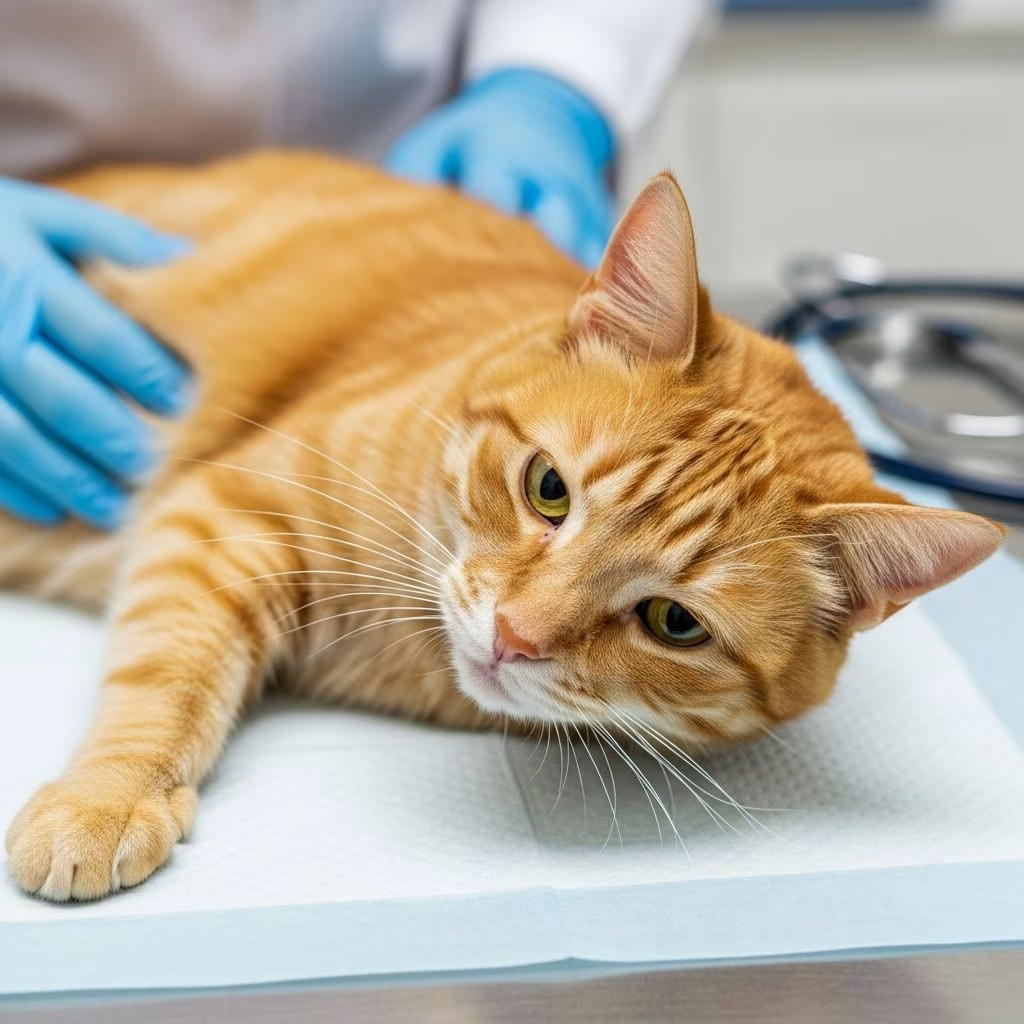
Understanding Feline Hepatic Lipidosis: A Complete Guide to Fatty Liver Disease in Cats
Feline hepatic lipidosis, commonly known as fatty liver disease or “hepatic lipidosis,” is a serious and potentially life-threatening condition that affects cats when they stop eating for extended periods. This metabolic disorder occurs when the liver accumulates excessive amounts of fat, compromising its ability to function properly. While the condition sounds alarming, there is encouraging news: with early detection and aggressive veterinary treatment, as many as 90% of cats can survive hepatic lipidosis.
Understanding this condition is crucial for cat owners because it can develop rapidly in cats, sometimes within just a few days of poor or no appetite. Unlike dogs and humans, cats are particularly susceptible to developing hepatic lipidosis when they experience prolonged fasting or inappetence. This guide will help you recognize the warning signs, understand the underlying causes, and learn about treatment options that can save your cat’s life.
What Is Hepatic Lipidosis in Cats?
Hepatic lipidosis is a metabolic disease characterized by the abnormal accumulation of fat within liver cells. When a cat stops eating, the body begins breaking down fat stores to provide energy. However, cats’ metabolisms are uniquely designed such that when they fast, the liver cannot efficiently process the influx of fatty acids being mobilized from the body’s fat stores. This results in excessive fat accumulation in the liver, which interferes with normal liver function and creates a dangerous cycle: as liver function deteriorates, the cat feels increasingly unwell, refuses to eat even more, and the condition worsens.
The liver is one of the most vital organs in a cat’s body, responsible for numerous critical functions including metabolism, detoxification, protein synthesis, and nutrient storage. When fat accumulates in liver cells, these essential functions become impaired, leading to serious health complications if left untreated.
Causes and Risk Factors for Hepatic Lipidosis
Hepatic lipidosis is not a primary disease but rather a secondary condition that develops when cats experience prolonged loss of appetite. Understanding the underlying causes that trigger inappetence is essential for comprehensive treatment and prevention of relapse. Common triggers include:
- Acute illness: Any sudden illness, infection, or inflammatory condition can cause a cat to stop eating, including upper respiratory infections, urinary tract infections, or gastrointestinal disorders.
- Chronic diseases: Conditions such as kidney disease, diabetes, hyperthyroidism, and cancer frequently lead to reduced appetite in cats.
- Dental problems: Tooth decay, gum disease, or oral pain can make eating uncomfortable, causing cats to avoid food.
- Gastrointestinal issues: Inflammatory bowel disease, pancreatitis, gastritis, and food sensitivities can trigger inappetence.
- Medication side effects: Certain medications may cause nausea or reduce appetite as a side effect.
- Environmental stress: Changes in the household, relocation, introduction of new pets, or other stressors can suppress appetite in sensitive cats.
- Dietary changes: Abrupt changes to a cat’s food can result in refusal to eat.
- Obesity: Overweight cats are at higher risk for developing hepatic lipidosis if they stop eating.
Cats are particularly vulnerable to hepatic lipidosis compared to other animals because their livers lack certain enzymatic pathways that would allow them to efficiently process the rapid mobilization of fat during fasting. This metabolic vulnerability makes it critical to prevent prolonged periods of inappetence in cats.
Recognizing the Symptoms of Hepatic Lipidosis
Early recognition of hepatic lipidosis symptoms is vital for prompt treatment. Cat owners should monitor their pets closely for the following warning signs:
- Poor or complete loss of appetite: This is often the first and most obvious sign. If your cat refuses to eat for more than a day or two, contact your veterinarian immediately.
- Rapid and significant weight loss: Cats may lose a noticeable amount of weight over a short period.
- Jaundice: A yellowing of the whites of the eyes, ears, nose, and other tissues due to elevated bilirubin levels in the bloodstream.
- Lethargy and depression: Affected cats appear unusually tired, withdrawn, and lack interest in normal activities.
- Vomiting: Cats may vomit due to nausea and compromised liver function.
- Drooling: Excessive drooling can indicate nausea or oral discomfort.
- Diarrhea or constipation: Digestive disturbances are common.
- Unusual behaviors: Cats may display behavioral changes or seem confused.
- Weakness: Muscle weakness and loss of muscle tone often accompany the condition.
- Dark urine: The urine may appear unusually dark or discolored.
- Abnormal bleeding or bruising: Severe cases may show signs of bleeding disorders.
- Neck bending toward chest: Some cats assume unusual postures.
If your cat displays any combination of these symptoms, particularly loss of appetite combined with jaundice or lethargy, seek veterinary attention immediately. Early intervention significantly improves treatment outcomes.
Diagnosis of Feline Hepatic Lipidosis
Veterinarians typically diagnose hepatic lipidosis through a combination of clinical examination, blood work, and imaging studies. The diagnostic process usually involves:
- Physical examination: The veterinarian will perform a thorough physical exam, checking for jaundice, abdominal pain, and other clinical signs.
- Blood work: Laboratory tests reveal characteristic changes, including very high levels of alkaline phosphatase (a liver enzyme) and elevated bilirubin levels. These abnormalities are highly indicative of hepatic lipidosis.
- Urinalysis: A urinalysis may be performed to assess overall health and identify concurrent conditions.
- Abdominal ultrasound: Ultrasound imaging shows enlargement of the liver and a characteristic appearance where the entire liver looks abnormal rather than just a specific area. During the ultrasound, the veterinarian can use a needle to obtain a small tissue sample for biopsy.
- Liver biopsy: Microscopic examination of liver cells confirms the diagnosis by revealing excessive fat accumulation within liver cells.
While a tissue biopsy definitively confirms hepatic lipidosis, many veterinarians are comfortable initiating treatment based on clinical signs, physical examination findings, and blood work results without waiting for biopsy confirmation, as early treatment is critical.
Treatment Approaches for Hepatic Lipidosis
Treatment of hepatic lipidosis requires aggressive intervention and commitment from pet owners. The fundamental goal of treatment is to restore the cat’s appetite and nutritional intake, allowing the liver to resume normal metabolism and clear excess fat from its cells.
Nutritional Support: The Foundation of Treatment
Nutritional support is the most critical component of hepatic lipidosis treatment. Getting food into an affected cat is challenging because poor liver function makes the cat feel extremely ill, suppressing appetite further. To break this vicious cycle, veterinarians employ feeding tubes that allow direct delivery of nutrition to the cat’s digestive system, bypassing the appetite centers of the brain.
Nasogastric tubes are small tubes placed through the nose into the stomach. While effective for short-term feeding lasting a few days, they are often uncomfortable for cats and not suitable for long-term use.
Esophagostomy tubes are the preferred long-term solution for most cats requiring extended nutritional support. The veterinarian places this tube directly into the esophagus through a small incision in the neck, then sutures it in place. This approach is less uncomfortable for cats and allows owners to feed their cats at home for weeks if necessary.
The specialized diet provided through feeding tubes is typically high-protein and calorie-dense to support liver recovery and provide adequate nutrition. As the cat’s condition improves and appetite returns, the feeding tube can be gradually discontinued once the cat consistently consumes enough calories on its own.
Fluid Therapy and Electrolyte Management
Cats with hepatic lipidosis are typically hospitalized initially to receive intravenous (IV) fluid therapy. Fluids are essential for correcting dehydration and maintaining proper electrolyte balance. IV fluids often contain added magnesium, phosphorus, and potassium, as these electrolytes are frequently depleted in hepatic lipidosis patients. Once the cat’s condition stabilizes, fluid administration may continue at home as part of ongoing care.
Medications and Supplements
Several medications and supplements support liver function and help manage symptoms:
- Anti-nausea medications: These help make the cat feel better and may encourage voluntary eating.
- Vitamin supplements: B vitamins, vitamin K, and vitamin E are commonly prescribed to correct nutritional deficiencies and support liver health.
- Liver support supplements: Medications such as S-adenosylmethionine (SAMe), L-carnitine, milk thistle, silybin, and ursodiol help protect liver cells and improve hepatic function.
Treatment of Underlying Conditions
Addressing the primary cause of inappetence is essential for complete recovery. If the cat has an underlying disease such as diabetes, kidney disease, or infection, treating that condition is crucial. Without resolving the initial trigger, the cat may relapse into hepatic lipidosis after treatment concludes.
Recovery and Prognosis
The prognosis for cats with hepatic lipidosis is encouraging when treatment is initiated promptly and pursued aggressively. As many as 90% of affected cats can survive and recover, though some cases require extensive treatment and ongoing care.
Recovery typically takes an average of six to seven weeks of consistent nutritional support before the liver can mobilize excess fat stores and return to normal function. Some cats regain their appetite after clinical signs begin to improve, while others may require supplemental feeding for several weeks.
Once a cat is stable and tolerating feeding tube nutrition well, it can often be discharged from the hospital to minimize stress and reduce overall treatment costs. Pet owners receive training from their veterinarian on how to feed their cat through the tube, administer medications, and maintain the tube at home. The tube remains in place until the cat is consistently consuming adequate calories through voluntary eating.
The success of long-term recovery depends on several factors: the severity of hepatic lipidosis at diagnosis, the cat’s overall health status, the underlying cause of inappetence, the cat owner’s commitment to treatment, and the specific treatment protocol employed.
Frequently Asked Questions About Hepatic Lipidosis
Q: How quickly can hepatic lipidosis develop in a cat?
A: Hepatic lipidosis can develop within just a few days of a cat stopping eating. This is why it is critical to contact your veterinarian if your cat has not eaten for more than a day or two. Early intervention significantly improves treatment outcomes and prognosis.
Q: Can hepatic lipidosis be prevented?
A: While hepatic lipidosis cannot always be prevented, maintaining your cat’s overall health, addressing appetite loss promptly, managing chronic diseases, and reducing environmental stress can help lower the risk. Regular veterinary check-ups allow early detection of conditions that could lead to inappetence.
Q: Is force-feeding an appropriate treatment for hepatic lipidosis?
A: No. Traditional “forced feeding” techniques using syringes to push liquefied food into a cat’s mouth are generally not recommended today. This approach can lead to food aversion and stress. Feeding tubes are the preferred method because they deliver nutrition directly to the digestive tract without triggering negative associations with eating.
Q: What is the cost of treating hepatic lipidosis?
A: Treatment costs vary depending on the severity of the condition, duration of hospitalization, type of feeding tube used, and geographic location. Initial hospitalization and diagnostics may cost several hundred to several thousand dollars, with additional costs for home care and follow-up appointments. Many veterinarians discuss cost options and may offer payment plans.
Q: Can a cat relapse into hepatic lipidosis after recovery?
A: Yes, relapse is possible if the underlying cause of inappetence is not adequately addressed or if the cat stops eating again. This emphasizes the importance of identifying and treating the primary condition responsible for the initial hepatic lipidosis. Regular monitoring and prompt response to any signs of decreased appetite can help prevent recurrence.
Q: How long must a feeding tube remain in place?
A: The feeding tube typically remains in place until the cat is consistently consuming adequate calories through voluntary eating without supplemental tube feedings. This usually takes several weeks to a few months, depending on the individual cat’s recovery rate and the severity of the condition.
Q: What should I do if I notice my cat has stopped eating?
A: Contact your veterinarian immediately if your cat has not eaten for more than a day or two, or if you notice any other concerning symptoms such as jaundice, lethargy, or vomiting. Early veterinary intervention is critical, as hepatic lipidosis can develop rapidly and become life-threatening without prompt treatment.
Conclusion
Feline hepatic lipidosis is a serious metabolic disease that demands immediate veterinary attention and aggressive treatment. The good news is that with early detection, proper diagnosis, and comprehensive treatment that includes nutritional support, medications, and care for underlying conditions, the vast majority of cats can recover fully. Understanding the warning signs, recognizing risk factors, and responding promptly to any appetite loss in your cat are the most important steps you can take to prevent this serious condition or ensure successful treatment if it occurs. If you have any concerns about your cat’s appetite or health, do not hesitate to contact your veterinarian for professional guidance and care.
References
- Hepatic Lipidosis in Cats (Fatty Liver Syndrome in Cats) — VCA Animal Hospitals. 2024. https://vcahospitals.com/know-your-pet/liver-disease-fatty-liver-syndrome-in-cats
- Hepatic Lipidosis — Cornell University College of Veterinary Medicine. 2024. https://www.vet.cornell.edu/departments-centers-and-institutes/cornell-feline-health-center/health-information/feline-health-topics/hepatic-lipidosis
- Hepatic Lipidosis in Cats (Fatty Liver Disease) — PetMD. 2024. https://www.petmd.com/cat/conditions/digestive/hepatic-lipidosis-cats-fatty-liver-disease
- Bad Fats: Hepatic Lipidosis in Cats — Providence Veterinary Hospital. 2024. https://providencevetva.com/bad-fats-hepatic-lipidosis-in-cats/
- Liver Disease in Cats: Signs, Treatment, Prognosis — Best Friends Animal Society. 2024. https://bestfriends.org/pet-care-resources/liver-disease-cats-signs-treatment-prognosis
- A Cat Owner’s Guide to Hepatic Lipidosis — Just Cats Clinic. 2024. https://justcatsclinic.com/a-cat-owners-guide-to-hepatic-lipidosis/



