

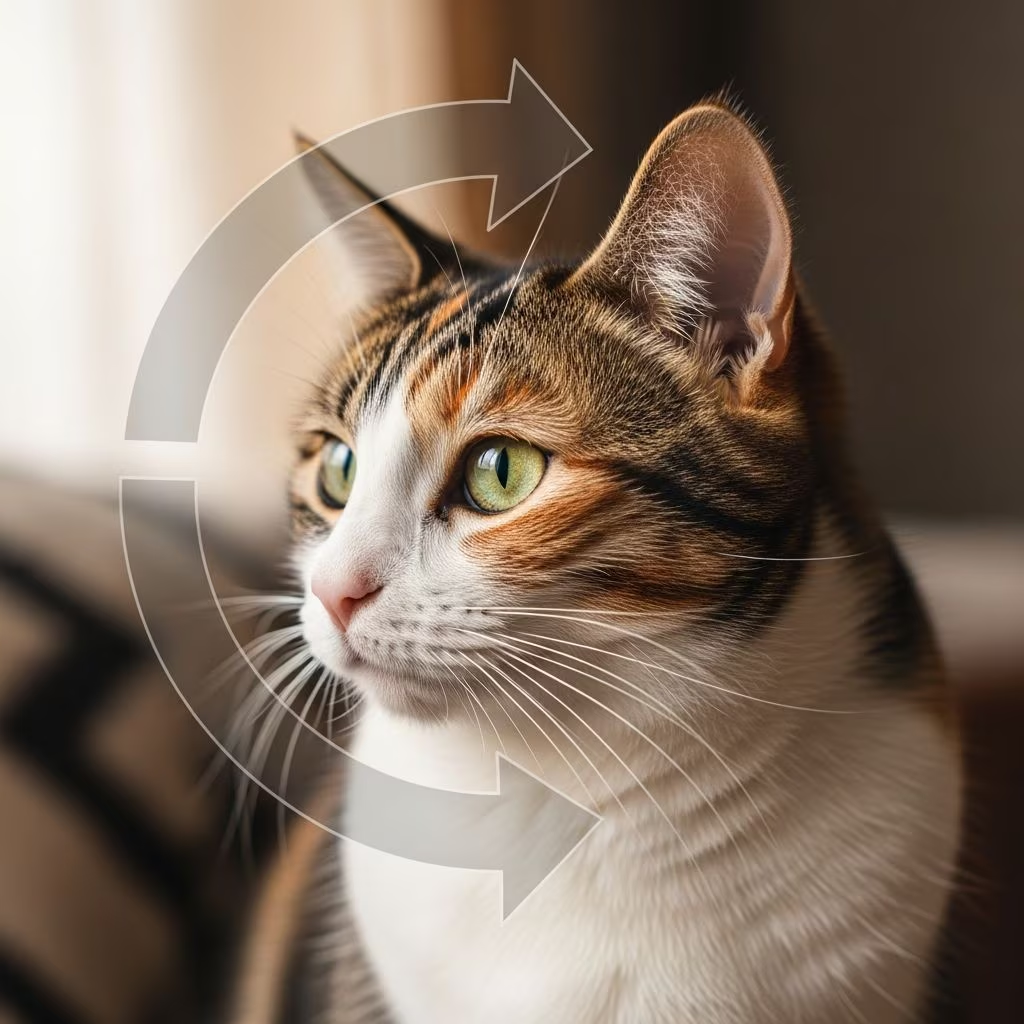
For cat owners with unspayed females, understanding the reproductive cycle is essential for responsible pet care. The feline heat cycle, scientifically known as the estrous cycle, is a complex biological process that dictates breeding behavior and fertility. Unlike humans, cats experience multiple reproductive cycles throughout the year during specific seasons, making it important for owners to recognize the signs and understand what their pet is experiencing.
The Typical Duration of a Cat’s Heat Cycle
The length of a cat’s heat cycle varies considerably, but most cycles last between 5 to 10 days on average. However, the range can be quite broad—some cats may experience heat lasting only 1 to 2 days, while others can remain in active heat for up to 3 weeks. This variability depends on several individual factors including the cat’s age, breed, overall health status, and environmental conditions such as light exposure and temperature.
It’s important to distinguish between the entire heat cycle and the specific estrous phase. While the complete reproductive cycle may extend longer, the period when a cat actively displays heat behaviors—what veterinarians call “behavioral estrus”—typically lasts 3 to 14 days, with an average duration of approximately 7 days.
Breaking Down the Four Primary Reproductive Stages
The feline estrous cycle consists of distinct phases, each with different hormonal activity and behavioral manifestations. Understanding these stages helps cat owners recognize what their pet is experiencing and when intervention may be necessary.
Stage One: Proestrus
Proestrus marks the beginning of the reproductive cycle and typically lasts 1 to 2 days. During this preliminary phase, estrogen levels begin rising in the female cat’s body, triggering hormonal changes that prepare her for potential breeding. However, the signs during proestrus are subtle and largely invisible to most cat owners.
While the female cat is not yet receptive to mating, males may detect her changing scent and show increased interest. The female may display slight behavioral shifts such as mild affection increases or slight restlessness, but these changes are usually minimal and don’t resemble the more dramatic behavioral changes that occur in later stages.
Stage Two: Estrus
Estrus is the most recognizable phase of the reproductive cycle and is what cat owners typically refer to when they say their cat is “in heat.” This stage can last anywhere from 3 to 14 days, though 5 to 7 days is common. During estrus, the cat is fertile and receptive to mating.
The behavioral changes during estrus are dramatic and unmistakable. The cat may become excessively vocal, producing loud meowing and yowling sounds that can be heard throughout the home. Physical behaviors include adopting characteristic mating postures—arching the back, elevating the hindquarters, and treading with the hind legs. The cat may rub against furniture, walls, and owners with increased frequency and intensity, actively seeking attention and contact.
Additionally, cats in estrus often display increased affection and restlessness, pacing around the home and appearing unable to settle down. Some cats may show a decreased appetite, while others may become even more demanding of their owner’s attention. If mating occurs and ovulation is triggered, the cat will progress to the next phase of the cycle.
Stage Three: Interestrus
If mating does not occur during the estrus phase, the cat enters interestrus, a resting period lasting approximately 8 to 10 days. During this phase, the cat’s hormonal levels decline, and heat-related behaviors diminish significantly. The cat may appear calmer and more relaxed compared to the intensity of estrus.
Interestrus is not a complete cessation of cycling; rather, it is a brief pause before the cycle recommences. If pregnancy has not been established, the cat will return to proestrus and begin another heat cycle. This means that without successful mating or pregnancy, cats cycle repeatedly throughout the breeding season.
Stage Four: Anestrus
Anestrus is the prolonged resting period that occurs seasonally, typically lasting 2 to 3 months. During this phase, hormonal activity essentially ceases, and the cat experiences no heat-related signs or behaviors. This period corresponds to reduced daylight hours, usually occurring during winter months.
Cats are what scientists call “long-day breeders,” meaning their reproductive activity increases with longer daylight hours. When daylight increases in spring, hormonal production resumes, and the cat re-enters the reproductive cycle.
Heat Cycle Frequency and Seasonal Patterns
For unspayed cats living in environments with varying daylight, heat cycles follow a predictable seasonal pattern. Most cats come into heat starting around February and continue experiencing cycles through October, with anestrus occurring during the shorter daylight days of late fall and winter. Within the breeding season, if a cat does not become pregnant or mate, she will return to heat approximately every 2 to 3 weeks.
Indoor cats, particularly those exposed to artificial lighting that mimics longer daylight hours, may experience more frequent cycling throughout the year compared to outdoor cats. This repeated cycling can be physically demanding for the cat and behaviorally challenging for the owner to manage.
The peak breeding season occurs from February to April, when heat cycles are most frequent. This is why cat owners typically notice the most intense heat behaviors during spring months.
Age and First Heat in Cats
Most female cats experience their first heat cycle between 4 to 12 months of age, typically in the first spring after birth. Some precocious cats may enter heat as early as 3 to 4 months old. The age at which a cat first cycles can vary based on genetics, breed, and individual development.
Once the first cycle occurs, cats will continue cycling regularly throughout their reproductive years unless they are spayed or become pregnant.
Key Behavioral Indicators of Heat
Recognizing the signs of heat is crucial for cat owners managing unspayed females. The behavioral manifestations are typically more obvious than physical changes, as cats do not display external signs like bloody discharge as prominently as dogs.
- Excessive vocalization—loud meowing, yowling, and other vocalizations that are unusual for the cat’s normal behavior
- Increased affection and attention-seeking behavior, including rubbing against owners and objects
- Restlessness and pacing, with difficulty settling or sleeping
- Mating postures including back arching and hindquarter elevation
- Potential appetite changes or decreased eating
- Possible increase in urine marking behavior
- Treading motion with hind legs, a mimicry of mating behavior
Factors Influencing Heat Cycle Duration
Several variables affect how long an individual cat remains in heat during each cycle. Breed genetics plays a role, as some breeds may have inherently longer or shorter heat cycles. Age also influences cycle length, with younger cats often experiencing more regular and potentially longer cycles than older cats.
Environmental factors, particularly light exposure, significantly impact the heat cycle. Cats kept indoors with consistent artificial lighting may have extended breeding seasons compared to cats with natural light exposure. Temperature and humidity may also play minor roles in cycle regulation.
The presence of other cats, particularly males, can influence cycle timing and intensity. The cat’s overall health status and nutritional condition can also affect reproductive function.
The Option of Spaying
For cat owners who do not plan to breed their cats, spaying—surgical removal of the ovaries and uterus—is the most effective solution for preventing heat cycles. This procedure eliminates not only the uncomfortable heat cycles but also reduces the risk of certain reproductive cancers and other health complications.
Spaying can be performed before the first heat cycle, which provides the greatest health benefits. Many veterinarians recommend spaying at 4 to 6 months of age, before sexual maturity. Even if a cat has already experienced one or more heat cycles, spaying will permanently stop all future cycling.
Comparing Heat Cycle Stages: A Quick Reference
| Stage | Duration | Behavioral Signs | Receptive to Mating |
|---|---|---|---|
| Proestrus | 1-2 days | Subtle affection, mild restlessness | No |
| Estrus | 3-14 days (avg 7) | Vocalization, affection, mating postures | Yes |
| Interestrus | 8-10 days | Reduced heat behaviors | No |
| Anestrus | 2-3 months | No heat signs, normal behavior | No |
Frequently Asked Questions About Cat Heat Cycles
Can male cats go into heat?
No, male cats cannot experience heat because they lack the ovarian tissue necessary for estrous cycling. However, intact (unneutered) males can mate with females at any time of year when they detect a female in heat.
How quickly do heat cycles repeat?
If a cat does not mate and become pregnant during estrus, she will typically return to heat within 2 to 3 weeks. This rapid cycling continues throughout the breeding season unless mating occurs or the cat is spayed.
Is it normal for my cat to behave differently during heat?
Yes, significant behavioral changes are completely normal and expected during the estrus phase. The intense vocalization and affection-seeking behavior that often confuses owners as signs of pain are actually normal reproductive behaviors.
How many heat cycles does a cat have per year?
Within the breeding season (typically February through October), an unspayed cat will experience multiple cycles—potentially every 2 to 3 weeks if not pregnant. This means a cat could have 10 or more cycles per breeding season.
Will my cat become pregnant if she goes in heat?
Not necessarily. A cat will only become pregnant if she mates during estrus and ovulation is triggered. Without mating, the cycle will continue without pregnancy, and the cat will return to heat within weeks.
What is the best age to spay my cat?
Most veterinarians recommend spaying before 4 to 6 months of age, ideally before the first heat cycle. However, cats can be safely spayed at virtually any age if they are healthy.
Managing Your Cat During Heat Cycles
While your cat is in heat, several management strategies can help both you and your pet:
- Provide extra attention and affection, as this is what your cat is instinctively seeking
- Use pheromone sprays or diffusers designed to calm cats and reduce behavioral intensity
- Keep your cat indoors to prevent unplanned pregnancy if breeding is not desired
- Provide environmental enrichment including play, toys, and climbing structures
- Maintain a consistent routine to help your cat feel more secure
- Consider consulting with your veterinarian about temporary options if spaying is not immediately possible
Conclusion
Understanding the feline heat cycle—its duration, stages, and behavioral manifestations—is essential for responsible cat ownership. While the process appears intense and sometimes distressing to owners, it is a completely natural reproductive function. The typical heat cycle lasts 5 to 10 days, with the most noticeable estrus phase ranging from 3 to 14 days. For cat owners who do not intend to breed their cats, spaying remains the most effective and humane solution to prevent repeated heat cycles and associated behaviors. By understanding what your cat is experiencing during each reproductive phase, you can provide better care and make informed decisions about your pet’s health and well-being.
References
- Understanding the Cat Heat Cycle — Pretty Litter. Accessed January 2026. https://www.prettylitter.com/blog/cat-heat
- Cats in Heat: How Long It Lasts and What To Do — PetMD. Accessed January 2026. https://www.petmd.com/cat/general-health/cat-in-heat
- How Long Does a Cat Stay in Heat? A Guide for Cat Owners — Northwoods Veterinary Clinic. Accessed January 2026. https://northwoodsvet.com/how-long-does-a-cat-stay-in-heat/
- Cat Heat Cycle — Companions Spay & Neuter Clinic. Accessed January 2026. https://www.companionsspayandneuter.com/cat-heat-cycle
- The Stages of a Heat Cycle in Cats: A Complete Guide — Heads Up for Tails. Accessed January 2026. https://headsupfortails.com/blogs/cats/cat-in-heat-signs-stages-care
- How Long Is a Cat in Heat? — Whisker (Litter-Robot). Accessed January 2026. https://www.whisker.com/blog/how-long-are-cats-in-heat
- Cats in Heat/Coming Into Season — People’s Dispensary for Sick Animals (PDSA). Accessed January 2026. https://www.pdsa.org.uk/pet-help-and-advice/pet-health-hub/conditions/seasons-in-cats



