

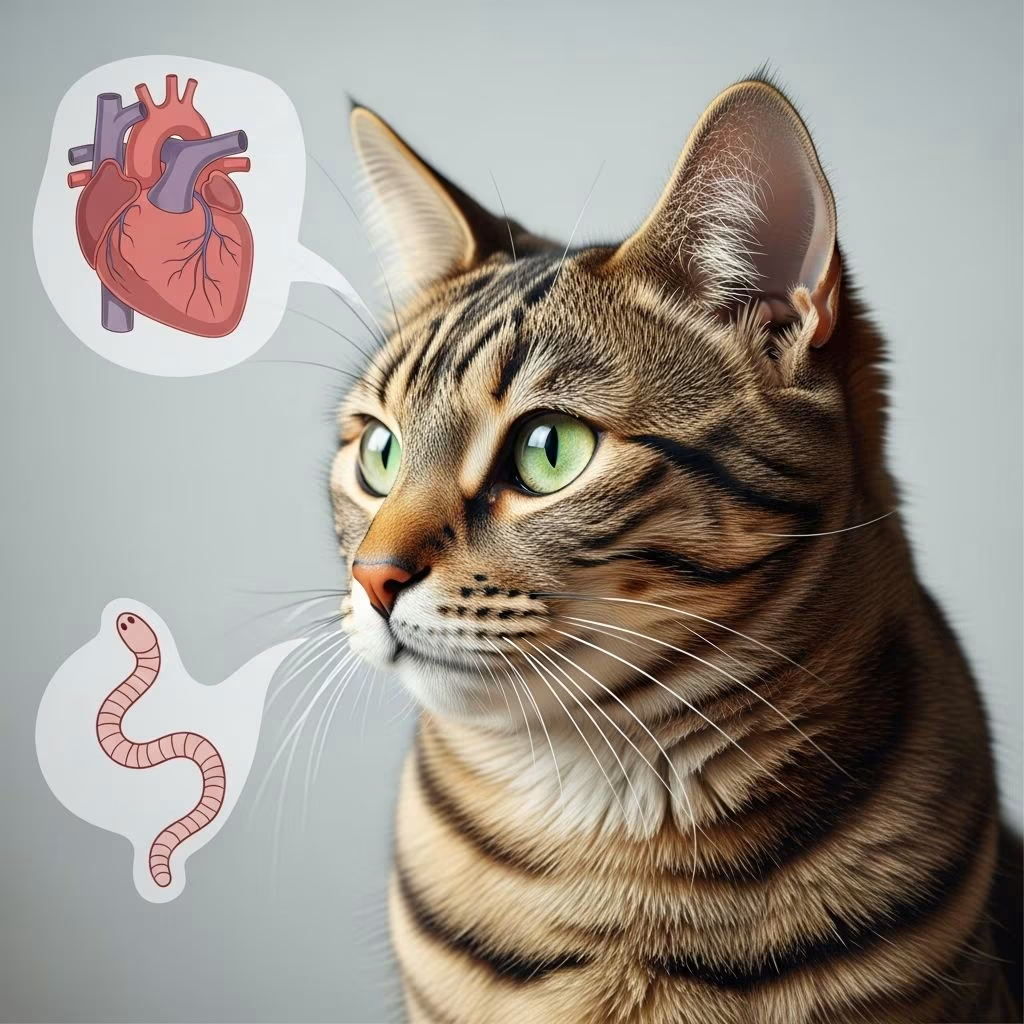
Heartworm disease stands as one of the most serious parasitic threats facing domestic cats today. Unlike common misconceptions that suggest only dogs face this danger, cats are equally vulnerable to infection. The critical distinction lies in the fact that once a cat contracts heartworm disease, no cure currently exists, making prevention not merely advisable but absolutely essential for responsible cat ownership. Understanding the mechanisms of transmission, recognizing your cat’s individual risk profile, and implementing appropriate preventive measures can effectively eliminate the threat of this potentially fatal condition.
Understanding Heartworm Transmission in Cats
Heartworms spread exclusively through the bite of infected mosquitoes, not through direct contact between animals. This transmission method creates a unique challenge for cat owners because the disease does not require exposure to other infected animals. The parasite larvae develop within the mosquito before being transferred to a new host during a blood meal. Cats of all living situations face exposure risk, though the level of vulnerability varies based on geographical location, climate, and individual lifestyle factors.
A widespread misunderstanding among cat owners is that indoor cats enjoy complete immunity from heartworm infection. This belief leads many people to forgo preventive measures for their house-bound companions. In reality, mosquitoes readily enter homes through open windows, doors, screens, and ventilation systems, particularly during warmer months. An infected mosquito requires only seconds to bite a cat indoors, creating infection risk regardless of whether the feline ever ventures outside. This reality underscores why veterinary professionals emphasize universal protection across all cat populations.
Geographic Risk Factors and Seasonal Considerations
Heartworm prevalence varies significantly across North America, with certain regions presenting substantially higher infection rates than others. Warm, humid climates where mosquitoes thrive year-round create ongoing transmission risk. Areas with shorter winters experience extended mosquito seasons, necessitating longer prevention periods. Even in colder climates where winter temperatures suppress mosquito populations, the warmer months can still pose meaningful exposure hazards.
Veterinarians now recommend year-round prevention in most regions rather than seasonal protocols. This comprehensive approach acknowledges that unpredictable weather patterns, indoor heating systems that extend mosquito survivorship, and regional variations in mosquito activity make seasonal prevention unreliable. The safety margin of modern preventive medications supports continuous administration without adverse effects, making year-round protection the professional standard across veterinary organizations.
Available Prevention Medication Categories
Modern veterinary medicine provides multiple effective options for heartworm prevention, each with distinct administration methods and additional benefits. Understanding these categories enables informed decisions tailored to individual cat needs and owner preferences.
Topical Solutions
Topical preventive medications rank among the most popular choices for feline heartworm prevention. These products are applied directly to the skin, typically between the shoulder blades where cats cannot lick them during grooming. Most topical formulations are administered monthly and absorb through the skin to provide systemic protection. Beyond heartworm prevention, many topical products offer concurrent protection against fleas, ticks, ear mites, and intestinal parasites, streamlining parasite management into a single application.
The convenience of topical solutions appeals to many cat owners. The once-monthly application schedule creates an easy-to-remember routine. Products remain available through veterinary clinics and established online retailers specializing in pet medications. Precise application technique matters for optimal effectiveness, and consistency in timing maximizes the protective window between doses.
Oral Preventive Medications
Pill-form heartworm preventives present an alternative for cats willing to accept oral medications. These products work through systemic absorption after ingestion. While oral options exist for certain parasite combinations, fewer feline-specific oral heartworm preventives are available compared to canine formulations. Some cats adapt readily to pill administration mixed with food or treats, while others resist taking medications by mouth, limiting this option’s practical applicability for certain households.
Injectable Options
Injectable heartworm preventives administered by veterinary professionals represent an emerging category offering extended protection with less frequent dosing schedules. These long-acting formulations inject beneath the skin and gradually release preventive medication over extended periods. Some injectable products provide protection for six or twelve months, reducing the frequency of owner intervention. Veterinary consultation determines appropriate candidacy for injectable prevention, as not all cats or situations suit this approach.
Safety Profile and Age-Appropriate Prevention
Modern heartworm preventives demonstrate exceptional safety records across feline populations. Extensive clinical experience spanning decades has established wide safety margins, meaning the dose required to prevent heartworm far exceeds levels that might cause adverse effects. Kittens as young as six to eight weeks of age can safely begin prevention protocols under veterinary guidance, as product labeling typically permits administration from this age forward.
Individual cats occasionally experience mild side effects such as temporary digestive upset or localized skin irritation at topical application sites. Serious adverse reactions remain extraordinarily rare with FDA-approved feline formulations. Cats with specific health conditions or medication interactions require veterinary assessment to ensure chosen preventives complement existing medical management. This personalized evaluation ensures prevention enhances rather than compromises overall feline health.
Year-Round Protection Strategy
Implementing consistent, year-round heartworm prevention represents the most effective disease management approach. This strategy acknowledges that mosquito activity patterns have become increasingly unpredictable due to climate variation, and that indoor heating systems extend mosquito survivorship throughout winter months in many climates. Continuous prevention eliminates gaps in protection that could theoretically permit infection during transitional seasons.
The cost of year-round prevention remains minimal compared to the expenses associated with treating heartworm-infected cats or managing the complications of advanced disease. Prevention costs typically range from sixty to two hundred dollars annually depending on chosen medication, while treatment complications can exceed thousands of dollars. This economic reality further supports the universal adoption of comprehensive prevention protocols.
Combination Benefits Beyond Heartworm Protection
Most feline heartworm preventives address multiple parasitic threats simultaneously. Products frequently provide concurrent protection against:
- Fleas and their associated dermatitis and disease transmission risks
- Ticks and the diseases they carry, particularly important for cats with outdoor exposure
- Intestinal parasites including roundworms and hookworms
- Ear mites causing irritation and potential hearing complications
This multipurpose approach simplifies parasite management by consolidating multiple protective treatments into single applications. Cat owners benefit from simplified administration schedules while cats receive comprehensive protection against the parasitic spectrum they might encounter. The combination benefits often make premium preventive products cost-effective compared to purchasing individual treatments for each parasite category.
Diagnostic Screening Before Prevention
Veterinarians typically recommend diagnostic testing to establish baseline heartworm status before initiating prevention protocols. Blood tests detect existing heartworm infections that might not yet cause observable symptoms. Identifying pre-existing infection before beginning prevention enables appropriate medical management of infected cats while establishing that non-infected cats can safely proceed with standard preventive protocols.
Annual screening during routine wellness visits continues throughout a cat’s life. This ongoing monitoring provides early detection of any breakthrough infections, though such occurrences remain exceptionally rare with consistent preventive medication use. Regular screening also identifies other parasitic infections or health conditions requiring intervention.
Choosing the Right Prevention for Your Cat
Selecting appropriate heartworm prevention requires considering multiple factors unique to each household and individual feline. The decision process should evaluate:
- Your cat’s lifestyle (strictly indoor versus outdoor access)
- Geographic location and local heartworm prevalence rates
- Your cat’s medical history and existing health conditions
- Your cat’s temperament regarding medication administration
- Additional parasitic protection needs based on exposure risks
- Product cost and your household budget
- Your ability to maintain consistent monthly administration or prefer less frequent dosing
Veterinary consultation provides essential guidance through this decision-making process. Your veterinarian understands your specific geographic risk profile, can assess your cat’s individual health status, and recommends preventives most likely to succeed with your particular feline personality and household situation.
Establishing a Sustainable Prevention Routine
The most effective prevention strategy means nothing without consistent implementation. Establishing practical routines that fit naturally into household patterns increases adherence rates. Linking preventive medication dates to calendar events or setting phone reminders reduces missed doses. Scheduling prevention administration on consistent dates each month builds habit patterns that eventually require minimal conscious effort.
For families with multiple cats, administering prevention to all household members simultaneously streamlines the process. Treating every cat in the household regardless of lifestyle maintains simplicity and reduces administrative errors or forgotten treatments.
What Happens if Prevention Lapses
Occasional missed doses require understanding the actual infection risk timeline. A single missed month during peak mosquito season creates infection potential. Multiple consecutive missed doses substantially increase infection probability. If you realize prevention has lapsed, contact your veterinarian immediately to establish a plan for reinitiating protection and potentially conducting screening to verify no infections occurred during the gap.
Management of Infected Cats
Cats diagnosed with heartworm disease face challenging treatment decisions because unlike dogs, felines lack approved drug treatments that safely eliminate adult worms. Management strategies focus on slowing disease progression and managing symptoms rather than achieving cure. Some veterinarians employ slow-kill protocols using preventive medications to gradually reduce worm burdens over extended periods. Others recommend supportive care addressing specific symptoms as disease progresses. Surgical removal of adult worms may be considered in select cases. These difficult treatment scenarios underscore why prevention remains infinitely preferable to managing established infection.
Transmission Between Cats and Other Pets
Heartworms cannot be transmitted directly from one cat to another or from cats to dogs. Transmission requires mosquito vectors, meaning an infected cat poses no direct threat to other household pets. This important distinction clarifies that preventing a single cat’s infection protects only that individual feline, not other animals in the home. Each cat and dog requires individual preventive medication administered according to species-specific protocols.
Special Considerations for Senior Cats
Older cats often benefit from heartworm prevention despite their advanced age. Aging does not eliminate mosquito exposure risk or reduce susceptibility to infection. Senior cats with pre-existing medical conditions require careful preventive selection to avoid medication interactions, but age alone does not contraindicate prevention. Veterinary assessment ensures chosen preventives suit the individual senior cat’s complete health profile.
Emerging Prevention Research
Scientific researchers continue investigating potential vaccine developments for heartworm disease in felines. Currently, no commercially available vaccine exists for cats or dogs. Preventive medications remain the established cornerstone of disease management. Staying informed about emerging research through regular veterinary consultations ensures you receive updated information as prevention science advances.
References
- Heartworm Disease in Cats — VCA Animal Hospitals. 2024. https://vcahospitals.com/know-your-pet/heartworm-disease-in-cats
- Heartworm in Cats — Cornell University College of Veterinary Medicine. 2024. https://www.vet.cornell.edu/departments-centers-and-institutes/cornell-feline-health-center/health-information/feline-health-topics/heartworm-cats
- Heartworm Disease in Cats: Symptoms, Treatment, and Prevention — PetMD. 2024. https://www.petmd.com/cat/conditions/infectious-parasitic/c_ct_heartworm_disease
- Heartworm in Cats — American Heartworm Society. 2024. https://www.heartwormsociety.org/heartworms-in-cats
- Heartworm Disease — American Veterinary Medical Association. 2024. https://www.avma.org/resources-tools/pet-owners/petcare/heartworm-disease



