

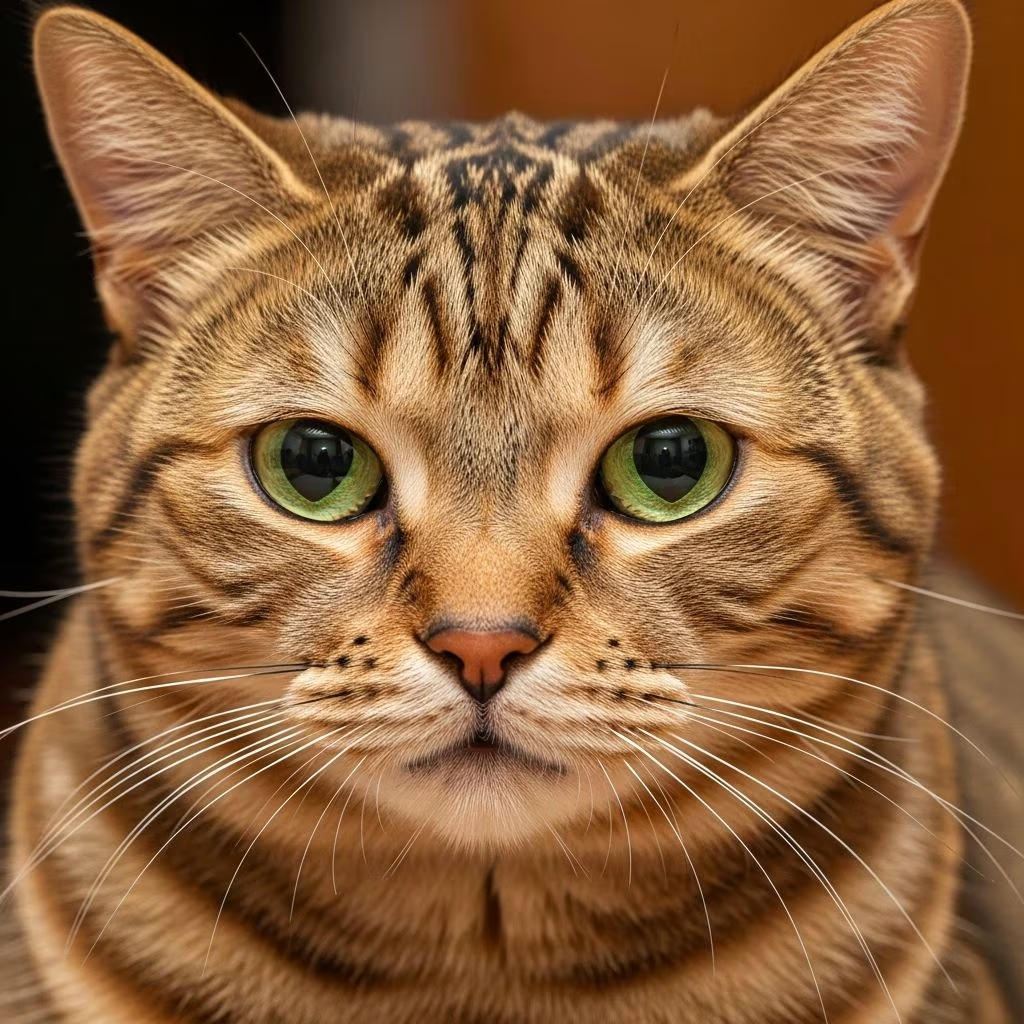
Heart failure in cats represents a serious condition where the heart struggles to pump blood effectively, leading to fluid accumulation and reduced oxygen delivery throughout the body. This guide draws from veterinary expertise to help cat owners understand the disease, spot early signs, pursue accurate diagnosis, and implement effective management strategies.
Understanding the Heart’s Role in Cats
The feline heart is a muscular organ that tirelessly circulates oxygen-rich blood to vital organs while removing waste. When this process falters due to disease, cats develop heart failure, often progressing to congestive forms where fluid builds up in the lungs or abdomen. Common underlying issues include cardiomyopathies, where heart muscle structure changes abnormally.
Primary Causes of Heart Failure
Several factors contribute to heart failure in felines. The leading cause is hypertrophic cardiomyopathy (HCM), characterized by thickened heart walls that impair filling and pumping efficiency. Other types encompass:
- Dilated cardiomyopathy (DCM): Heart chambers enlarge and weaken, reducing contraction strength, sometimes linked to taurine deficiency.
- Restrictive cardiomyopathy (RCM): Stiff heart muscle hinders proper relaxation and blood flow.
- Congenital defects like septal holes or valve issues present from birth.
- Secondary triggers such as hyperthyroidism, hypertension, or infections like endocarditis.
Middle-aged to senior cats, particularly breeds like Maine Coons, Ragdolls, and Persians, face higher risks due to genetic predispositions.
Recognizing Early Warning Signals
Cats often mask illness, making early detection challenging. Watch for subtle changes that signal cardiac distress:
- Respiratory changes: Breathing faster than 30 breaths per minute at rest, open-mouth panting, or wheezing.
- Activity decline: Lethargy, reluctance to jump, or hiding more frequently.
- Physical alterations: Swollen belly from ascites, pale gums, or cool extremities.
- Appetite and weight shifts: Reduced eating leading to unintended loss.
Critical emergencies include sudden hind-leg paralysis, intense pain, or collapse, often from aortic thromboembolism (ATE), a clot blocking blood flow. Immediate vet care is essential in these cases.
Diagnostic Approaches for Confirmation
Veterinarians employ a multi-step process to diagnose heart failure accurately. Initial physical exams reveal murmurs, irregular rhythms, or fluid. Advanced tools include:
| Test | Purpose |
|---|---|
| Echocardiography | Visualizes heart structure, wall thickness, and function; gold standard for HCM. |
| Chest X-rays | Detects enlarged heart or lung fluid. |
| Electrocardiogram (ECG) | Identifies arrhythmias. |
| NT-proBNP Blood Test | Quantifies heart stress for early detection. |
| Blood Pressure Measurement | Checks for hypertension contributing to disease. |
These tests differentiate heart failure types and rule out mimics like respiratory infections.
Comprehensive Treatment Strategies
While incurable, heart failure management focuses on symptom relief, progression slowdown, and clot prevention. Tailored medication regimens are standard.
Key Medications
- Diuretics (e.g., furosemide, spironolactone): Eliminate excess fluid from lungs and abdomen, easing breathing.
- ACE Inhibitors (e.g., enalapril, benazepril): Reduce blood pressure, enhance circulation, and prolong survival.
- Beta-blockers (e.g., atenolol): Slow heart rate, lessen muscle strain.
- Anticoagulants (e.g., clopidogrel): Prevent clots, vital for HCM and ATE risk.
- Inotropes (e.g., pimobendan): Boost contraction force in advanced cases.
Hospitalization with oxygen therapy may stabilize acute episodes, followed by home maintenance. Taurine supplements address DCM if deficient.
Side-Specific Heart Failure Manifestations
Heart failure divides into left-sided (lung fluid, breathing issues) and right-sided (abdominal fluid, liver strain). Many cats experience both, termed biventricular.
Home Management and Monitoring
Owners play a pivotal role post-diagnosis. Daily practices include:
- Counting resting respiratory rate (normal <30/min); elevate if higher.
- Weighing weekly; report losses.
- Administering meds consistently, often 3-4 types.
- Low-sodium diet to curb fluid retention.
- Reducing stress with quiet environments and pheromone diffusers.
Schedule frequent vet check-ups for dose tweaks and echo rechecks.
Prognosis and Long-Term Outlook
With prompt intervention, many cats enjoy extended, comfortable lives. Early HCM detection via screening can prevent failure onset. However, ATE or refractory fluid signals poorer prognosis, potentially warranting palliative discussions. Survival varies: months for advanced CHF to years with mild disease.
Prevention Through Proactive Care
Annual senior cat exams with echoes benefit at-risk breeds. Control hyperthyroidism and hypertension promptly. Genetic screening aids breeding decisions.
Frequently Asked Questions
What is the most common cause of heart failure in cats?
HCM, where heart walls thicken, tops the list, especially in certain breeds.
Can heart failure in cats be cured?
No, but medications manage symptoms effectively, improving life quality.
How do I know if my cat has a blood clot emergency?
Look for sudden hind-leg dragging, cold paws, and vocalizing in pain—rush to ER.
Are there diet changes for cats with heart issues?
Yes, low-sodium foods help; consult your vet for cardiac-specific options.
How often should I monitor my cat’s breathing?
Daily at rest, ideally while sleeping, noting rates over 30 breaths/min.
Advancing Feline Cardiac Health
Ongoing research refines therapies like new inotropes and clot preventives. Owners equipped with knowledge foster resilient feline companions. Collaborate closely with cardiologists for optimal results.
References
- Recognizing Feline Heart Disease: Early Warning Signs and Effective Treatments — Stack Vet Hospital. 2023. https://stackvethospital.com/recognizing-feline-heart-disease-early-warning-signs-and-effective-treatments/
- Early Signs of Heart Failure in Cats — Pinnacle Veterinary Specialists. 2023. https://pinnacle.vet/blog/early-signs-of-heart-failure-in-cats/
- Congestive Heart Failure in Cats — Ventura Vets. 2022-07-15. https://www.vmsg.com/site/blog/2022/07/15/congestive-heart-failure-cats
- Congestive Heart Failure in Cats — PetMD. 2023. https://www.petmd.com/cat/conditions/cardiovascular/heart-failure-cats
- Heart Disease – Cats — Cummings School of Veterinary Medicine at Tufts University. 2023. https://vet.tufts.edu/foster-hospital-small-animals/specialty-services/cardiology/heartsmart/heart-disease-cats
- Congestive Heart Failure in Cats — Paws at Peace. 2023. https://pawsatpeace.com/congestive-heart-failure-cats/



